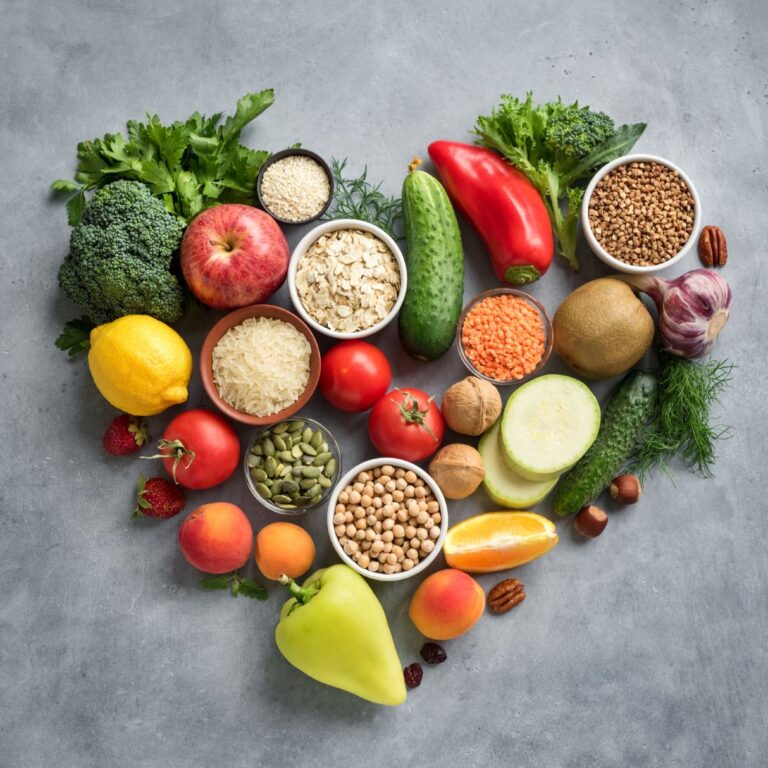
The most common food intolerances in the UK involve lactose and other parts of dairy, wheat and gluten, and natural food chemicals such as histamine, caffeine and salicylates. Eggs, soy, corn, garlic and onion, certain fruit sugars, alcohol and some additives also come up regularly.
A food intolerance means your body finds a food or ingredient hard to digest. Unlike an allergy, it doesn’t involve the immune system, and symptoms usually start a few hours after eating. The NHS lists the most common symptoms as diarrhoea, bloating, wind and stomach pain, with headaches, tiredness and rashes less often.
This guide gives you a short overview of each common trigger, with a link to our full guide for every one, so you can go straight to the food you suspect.
What is a food intolerance, and how is it different from an allergy?
An intolerance is a digestive problem: you may lack an enzyme, react to a natural chemical in the food, or ferment certain carbohydrates in your gut. The amount matters, so small portions are often fine. Symptoms are uncomfortable but not dangerous.
An allergy is an immune reaction. It usually starts within minutes and can be serious even with a tiny amount. If a food ever causes swelling of the lips, mouth or throat, hives or difficulty breathing, call 999 or get urgent medical help, then see your GP. This matters most with nuts, fish, shellfish, eggs, and milk in children. Intolerance testing is not a substitute for allergy testing. Our guide on how to tell food intolerance from allergy explains the differences side by side.
Intolerances are often hard to pin down for three reasons. Symptoms are delayed, so the trigger may have been lunch rather than dinner. They depend on the amount, so a food can seem fine one day and not the next. And everyday meals combine several common triggers, such as wheat, dairy and egg in one sandwich. Stress, poor sleep and a stomach bug can also make your gut more sensitive for a while.
Which everyday staples cause the most intolerances?
Milk and dairy
Dairy is the trigger people mention most often. Lactose, the natural sugar in milk, is the best-known cause, but milk proteins and fat can play a part too. Read our guide to dairy intolerance symptoms and triggers, and for the difference between the two, see lactose intolerance vs dairy sensitivity.
Wheat and gluten
Bread, pasta and cereals are common suspects for bloating and tiredness. Coeliac disease is an autoimmune condition, not an intolerance, and is diagnosed by a GP blood test while you are still eating gluten, so get that checked first if you suspect it. Our guides cover wheat and gluten sensitivity vs coeliac disease and the gluten intolerance symptoms people notice.
Oats and rice
Oats are naturally gluten-free but often contaminated with wheat, and their fibre can cause bloating if you’re not used to it. See oats intolerance and bloating after porridge. Rice is one of the best-tolerated grains, which is why problems with it are unusual; our guide asks whether rice intolerance is possible.
Eggs
Egg intolerance usually means bloating or cramps a few hours after eating egg, and well-baked egg is often easier than boiled or scrambled. See egg intolerance symptoms and egg-free swaps.
Soy
Soya turns up in bread, chocolate, meat-free products and ready meals, so it is easy to eat more than you think. Read soy intolerance and where soy hides.
Corn
Corn is hidden in cornflour, glucose syrup, maltodextrin and many gluten-free products, and it isn’t highlighted on labels. See corn intolerance and its hidden sources.
Almonds and nuts
Almonds have become a staple of dairy-free and gluten-free food. Our guide to almond intolerance and alternatives covers symptoms, hidden sources and swaps.
Which fruits and vegetables can cause intolerance symptoms?
Garlic, onion and FODMAPs
Garlic and onion are rich in fructans, a type of FODMAP, which are fermentable carbohydrates that cause wind and bloating in some people. Start with FODMAPs explained, then see garlic and onion intolerance and cooking swaps.
Fruit sugars
Apples, pears, mango and honey are high in fructose, which some people absorb poorly. Read fructose intolerance and lower-fructose swaps. If sweet foods in general leave you sluggish, see sugar sensitivity and how to cut back. Bananas are often asked about too, and how ripe they are makes a difference: see whether you can be intolerant to bananas.
Citrus
Oranges, lemons and limes are acidic, which can aggravate reflux, and they contain natural plant chemicals some people are sensitive to. See citrus intolerance.
Tomatoes and nightshades
Tomatoes are acidic and contain natural chemicals that bother some people. Read tomato intolerance symptoms and swaps, and for the wider family that includes potatoes, peppers and aubergines, see nightshade intolerance.
Salicylates and oxalates
Salicylates are natural chemicals in many fruits, vegetables, herbs, spices and tea. See salicylate sensitivity: symptoms and foods. Oxalates are found in foods such as spinach, rhubarb, beetroot and nuts; our guide explains what oxalates are and which foods are high.
Which natural food chemicals and drinks cause reactions?
Histamine
Histamine builds up in aged, fermented and leftover foods, such as mature cheese, salami and wine. Some people seem less able to break it down. Read histamine intolerance: symptoms, causes and what to do, then use our practical list of high-histamine foods.
Caffeine
Caffeine can cause jitteriness, a racing heart, poor sleep and loose stools in sensitive people. See coffee and caffeine intolerance.
Alcohol
Flushing, a blocked nose or headaches after a small drink are common complaints, and wine and beer contain more than just alcohol. Read alcohol intolerance: wine, beer and spirits.
Yeast
Yeast is in bread, beer, yeast extract spreads and some stock cubes. See yeast intolerance and yeast-free swaps.
Chocolate
Chocolate combines caffeine, sugar, fat and often milk, so the trigger may be one of its ingredients rather than the cocoa itself. See chocolate intolerance and what might be behind it.
Can meat, fish and additives cause problems?
Meat and fish
Intolerance to meat is less common, but some people notice a pattern with particular meats, cuts or cooking methods. See chicken intolerance in people and beef and red meat intolerance. Fish and shellfish need more care because allergies to them can be serious; read fish and shellfish intolerance: symptoms and safety.
Additives and sweeteners
The NHS lists additives such as benzoates and sulphites among possible intolerance triggers. Our guide to food additives and E-numbers explains the common ones. Sugar alcohols such as sorbitol and xylitol can have a laxative effect in larger amounts, and some people notice reactions to other sweeteners; see artificial sweeteners and sensitivities.
How do you work out which food is the problem?
Because symptoms are delayed and depend on the amount, a written record beats memory every time.
- Keep a food and symptom diary for one to two weeks. Note what you eat, portion sizes and when symptoms start. Our guide to keeping a food and symptom diary includes a free template.
- Look for patterns, then remove one suspect food, or a small group, for a few weeks.
- Reintroduce it and see whether symptoms return. Our guide to doing an elimination diet properly explains the timings.
- Avoid cutting out lots of foods at once for long, as you can miss out on important nutrients.
When to speak to a GP
- You notice blood in your poo, unexplained weight loss or diarrhoea that won’t settle.
- Symptoms are severe or keep coming back.
- You’re planning to cut foods from a child’s diet, or you’re pregnant.
Intolerances don’t only start in childhood. Our guide to sudden food intolerance in adults explains why a food you’ve always eaten can start to disagree with you.
Where hair sample testing fits
When your diary points to several possible foods, testing gives you a starting point for which to try removing first. The Core Intolerance Test tests 500 food items, including cow’s milk, wheat, gluten, egg white and egg yolk, soya, maize, almond, garlic, tomato, black coffee and chicken.
The Ultimate Intolerance Test, our bestseller, covers 1,100 items, adding non-food items, pollens and airborne items, metals, vitamins and minerals, and E-numbers. It suits you if you suspect additives or notice symptoms that seem to come from more than food.
Your report groups items into high, medium and low response and comes with a 6–8 week elimination plan and a printable food diary. You can view an example report to see the layout. The tests use bioresonance, a complementary method; they are a wellness test, not a medical diagnosis, and they do not test for allergies, coeliac disease or lactose intolerance.
It is a digital service, so no kit is posted. You order online, the instructions arrive by email, and you post 4–5 strands of hair in a standard envelope. Your report arrives within 3–5 working days of your sample arriving, or 48 working hours with priority, and there is a 30-day money-back guarantee.
Frequently asked questions
What is the most common food intolerance?
Lactose intolerance is the most common, according to the NHS. Wheat and gluten, caffeine, alcohol and natural food chemicals such as histamine are also frequent triggers. Many people find they react to more than one food.
Can you develop a food intolerance later in life?
Yes. Many people notice symptoms for the first time as adults, sometimes after a stomach bug, a change in diet or a stressful period. Lactase levels also fall naturally with age in many people. A food diary is the best place to start.
How long after eating do intolerance symptoms start?
Intolerance symptoms usually start a few hours after eating and can last from a few hours to a couple of days. That delay makes triggers hard to spot without writing things down. Symptoms within minutes are more typical of an allergy.
Can food intolerances go away?
Some can improve, particularly if they followed a gut infection or a period of stress. Others are long-term but manageable by finding the amount you tolerate. Reintroducing foods after an elimination diet shows whether your tolerance has changed.
This guide is general wellness information, not medical advice. Our test uses bioresonance, a complementary (CAM) method; it does not diagnose allergies, coeliac disease or any medical condition. Speak to a GP if you have severe or ongoing symptoms.