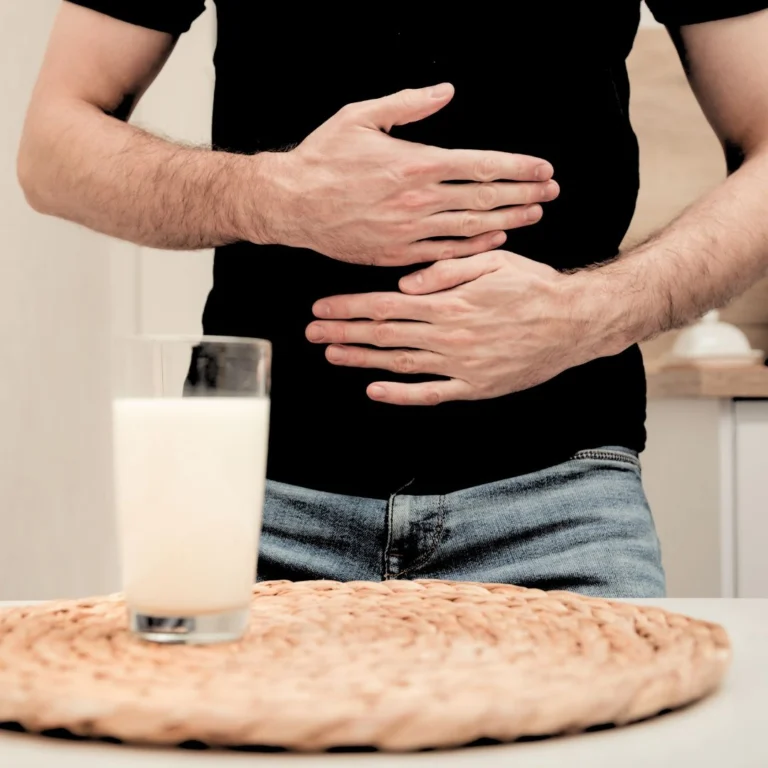
The most common gluten intolerance symptoms are bloating, wind, stomach pain and a change in bowel habit after eating bread, pasta, cereals or other foods made with wheat, barley or rye. Many people also describe tiredness, headaches or a foggy, sluggish feeling in the hours afterwards.
These symptoms overlap with coeliac disease, an autoimmune condition that is diagnosed by a GP blood test while you are still eating gluten. If coeliac disease is a possibility, get that checked first, before you cut gluten out, because going gluten-free beforehand can make the coeliac blood test inaccurate.
What does gluten intolerance feel like?
People describe gluten intolerance in different ways, and no two lists of symptoms are quite the same. These are the ones that come up most often.
Gut symptoms
- Bloating, often with a visibly swollen stomach by the evening
- Wind and a rumbling stomach
- Stomach pain or cramps
- Diarrhoea, constipation, or swinging between the two
- Feeling sick or uncomfortably full
Symptoms beyond the gut
- Tiredness or a heavy, sleepy feeling after meals
- Headaches
- A foggy, hard-to-focus feeling, often called brain fog
- Aches in muscles or joints
Tiredness after eating has many causes, including meal size and blood sugar swings, so our guide to feeling tired after meals is worth reading alongside this one.
A wheat allergy is different. If wheat ever causes hives, swelling of the lips or throat, or breathing difficulty, call 999 or get urgent medical help, then see your GP. Intolerance testing is not a substitute for allergy testing.
How soon after eating gluten do symptoms start?
Intolerance symptoms usually build over a few hours rather than minutes. Bloating might appear mid-afternoon after a sandwich at lunch, and some people notice they feel worse the next day.
The effect can also be cumulative. Toast at breakfast, a sandwich at lunch and pasta for dinner can add up, even if a single slice of bread is fine. That delay and build-up is why a written food and symptom diary is so useful: it shows patterns you won’t spot from memory.
Which foods contain gluten?
Gluten is found in wheat (including spelt), barley and rye. The obvious sources are bread, pasta, couscous, breakfast cereals, cakes, biscuits, pastry and pizza. It also turns up in places that are easy to miss:
- sausages and burgers made with rusk or breadcrumbs
- battered or breaded fish and chicken
- gravy granules, stock cubes, sauces and soups thickened with flour
- soy sauce, which is usually brewed with wheat
- beer, lager and malted drinks made with barley
Cereals containing gluten are one of the 14 allergens that must be emphasised in the ingredients list of prepacked food, so check for wheat, barley, rye and spelt in bold. Products labelled “gluten-free” meet a strict legal limit.
Is it gluten, wheat or something else?
When bread and pasta disagree with you, gluten is the obvious suspect, but it isn’t always the cause.
| If you notice symptoms after… | Also consider… |
|---|---|
| Bread, pasta and cereal, but also onions and garlic | Fructans, a FODMAP found in wheat and many vegetables |
| Large bowls of pasta, but not small portions | Portion size and how quickly you eat |
| Beer | Barley, yeast, alcohol or the fizz itself |
| Pizza, pastries or creamy pasta | Dairy, fat or the overall size of the meal |
| Supermarket bread, but not traditional sourdough | How the bread was made and how long it fermented |
If several of these ring a bell, our guides to FODMAPs and bloating after eating cover the most common food triggers.
Which symptoms should be checked first?
Most gluten-related discomfort is unpleasant rather than dangerous. A few signs are worth a calm conversation with your GP before you change your diet.
When to speak to a GP
- Unexplained weight loss, blood in your poo or diarrhoea that won’t settle
- Anaemia, or tiredness that doesn’t lift
- Frequent mouth ulcers alongside gut symptoms
- A close relative with coeliac disease
How can you test whether gluten is your trigger?
- Rule out coeliac disease first if there’s any chance of it, while you’re still eating gluten.
- Keep a diary for one to two weeks, noting everything you eat, portion sizes, and when symptoms start and stop.
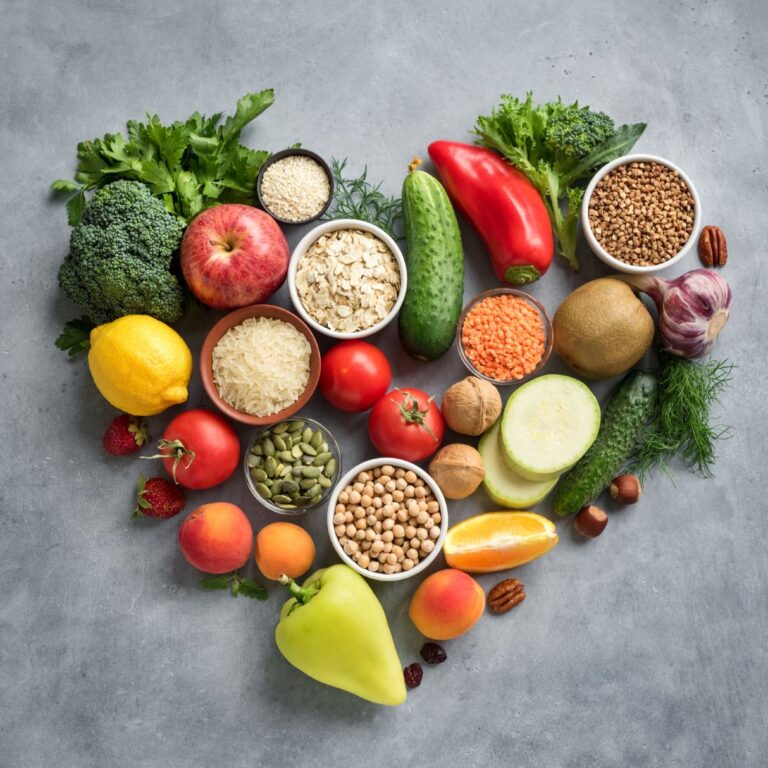
- Cut back on gluten for a few weeks. Build meals around naturally gluten-free foods such as rice, potatoes, quinoa, buckwheat and maize, rather than relying on processed gluten-free products.
- Reintroduce one grain at a time. Try wheat, then barley, then rye, with a few days between each, so you can tell which affects you.
- Find your level. Many people with gluten sensitivity manage some gluten without trouble once they know their limit.
For the full picture on how this differs from coeliac disease, read our guide to wheat and gluten sensitivity vs coeliac disease.
Where hair sample testing fits
If you’ve ruled out coeliac disease and still can’t tell whether gluten, a particular grain or something else is the problem, testing gives you a starting point. The Gluten Intolerance Test is a focused wellness test of gluten and grain items. It shows which items had the strongest response, grouped into high, medium and low, so you can decide what to remove first.
It is not a coeliac test, it does not test for allergies, and it is not a medical diagnosis. It uses bioresonance, a complementary method, and works best alongside a food diary and an elimination plan.
You order online, receive sampling instructions by email and post 4–5 strands of hair in a standard envelope. Your report arrives within 3–5 working days of your sample arriving, or 48 working hours with priority. If you suspect foods beyond grains, the Core Intolerance Test tests 500 food items, including wheat, gluten, rye, barley and spelt, so you can see grains alongside dairy, eggs and other everyday foods. For a wider view, see the most common food intolerances in the UK.
Frequently asked questions
Can gluten intolerance start suddenly?
Many people notice symptoms seemingly out of nowhere, often after a stomach bug, a stressful period or a change in diet. Coeliac disease can also develop at any age. If symptoms are new and persistent, it is worth ruling out coeliac disease before changing your diet.
Can gluten make you feel tired?
Some people with gluten sensitivity describe tiredness or brain fog after wheat-based meals. Tiredness has many other causes, including meal size and sleep. A food diary helps show whether there is a genuine link.
How long does it take to feel better after cutting out gluten?
People who are sensitive to gluten often notice a difference within a few weeks of cutting back. If nothing changes after several weeks, gluten may not be your main trigger. Reintroduce it and look at other foods instead.
Are gluten-free products always easier to digest?
Not necessarily. Many gluten-free breads and snacks contain other starches, gums and sugars, and some people find these cause bloating too. Naturally gluten-free foods such as rice, potatoes and quinoa are a better base.
This guide is general wellness information, not medical advice. Our test uses bioresonance, a complementary (CAM) method; it does not diagnose allergies, coeliac disease or any medical condition. Speak to a GP if you have severe or ongoing symptoms.