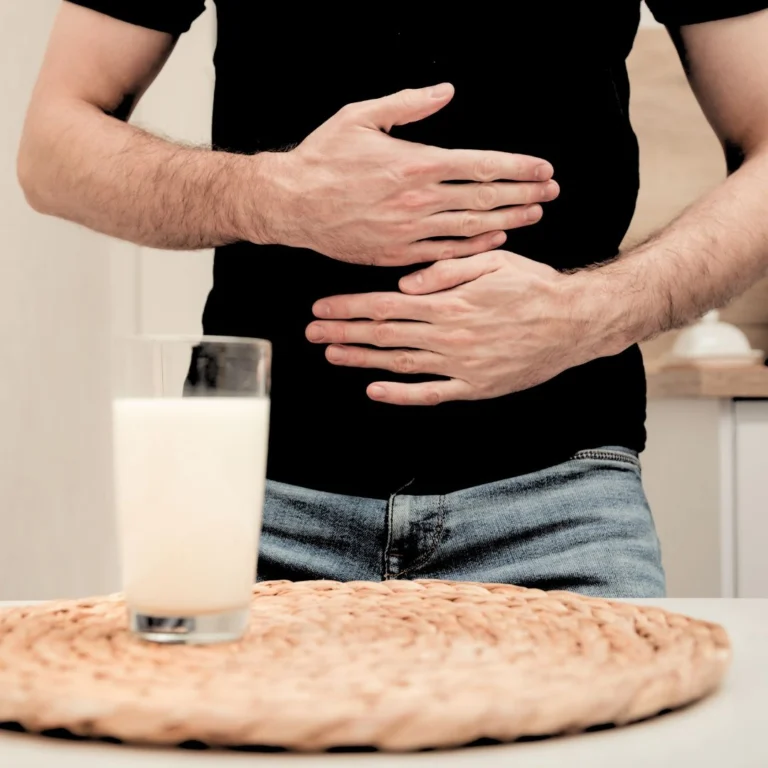
A true chicken intolerance is uncommon in people, but some do notice bloating, stomach cramps, nausea, loose stools or headaches after eating chicken. Before blaming the meat itself, it is worth checking the usual hidden culprits: the marinade or coating, the sauce, how fatty the dish is, and how the chicken was cooked and stored.
This guide covers the signs, the other explanations to rule out, how to run a short chicken-free trial, and the best alternatives. If it is your dog reacting rather than you, see our separate guide to dog diarrhoea after chicken.
What are the symptoms of chicken intolerance?
Intolerance symptoms usually build over a few hours and depend on how much you eat. People who suspect chicken describe:
- bloating, wind and a heavy, full feeling
- stomach cramps or nausea
- loose stools
- headaches or feeling sluggish after a chicken meal
Sudden vomiting and diarrhoea after a single meal, especially if others who ate the same food are unwell too, is far more likely to be food poisoning than intolerance. Undercooked chicken is a well-known cause, so cook it until it is steaming hot all the way through with no pink meat, and do not wash raw chicken, as that spreads germs around the kitchen.
Is it the chicken or something else on the plate?
Chicken is rarely eaten plain. Working through these suspects often answers the question before you need to cut chicken out at all.
| Suspect | Why it matters | How to check |
|---|---|---|
| Marinades and spice rubs | Garlic, onion and chilli are common triggers in their own right | Compare plain roast or poached chicken with your usual recipe |
| Breadcrumbs and batter | Usually made with wheat, and often egg | Compare plain chicken with breaded or battered versions |
| Creamy sauces | Milk, cream and cheese | Try the chicken with a tomato or herb sauce instead |
| Fried chicken and skin | Fatty, heavy meals can bring on reflux and sluggishness | Try lean, skinless, grilled or poached chicken |
| Leftovers and processed chicken | Histamine can build up in cooked meat kept for a while and in processed products | Eat it freshly cooked, or freeze leftovers promptly |
If garlic and onion look likely, our guide to garlic and onion intolerance has cooking swaps. If coatings with egg are the common link, see egg intolerance symptoms and swaps. And if you react to leftovers but not fresh chicken, the list of high-histamine foods is worth a look.
Can you be allergic to chicken?
Chicken meat allergy is rare, but it does happen. An allergy involves the immune system and can cause hives, swelling of the lips, face or throat, vomiting or breathing difficulty, often soon after eating. These need urgent medical help, so call 999 if breathing is affected. Intolerance testing is not a substitute for allergy testing.
Where does chicken hide?
During a trial, check labels for chicken, chicken fat, chicken extract or “poultry” in:
- stock cubes, gravy granules and bouillon
- soups, noodle pots and instant noodle flavourings
- ready meals, sandwiches and wraps
- sausages, pâtés and some cooked meats
- Caesar salads, pasta salads and party food
Turkey, duck and goose are related birds. Some people who react to chicken also notice turkey, so test them separately rather than assuming.
What can I eat instead of chicken?
| Usual meal | Try instead |
|---|---|
| Roast chicken dinner | Roast lamb or pork, a whole baked fish, or a lentil and mushroom roast |
| Stir-fry or curry | Prawns, tofu, chickpeas or paneer (depending on what suits you) |
| Chicken sandwich | Egg, tinned salmon, hummus, or sliced roast beef |
| Chicken soup or stock | Vegetable stock or a beef bone broth |
| Nuggets and goujons | Homemade fish goujons or crumbed halloumi |
Chicken is an easy source of protein, so replace it rather than simply leaving it out. Fish, eggs, other meats, beans, lentils, tofu and dairy all fill the gap.
How do you test a chicken-free trial?
- Start with plain chicken. Eat simply cooked chicken with plain sides for a few days. If you feel fine, the problem is probably the seasoning, sauce or cooking method.
- If symptoms continue, remove chicken for two to three weeks, including stock cubes and hidden sources, and keep a diary.
- Reintroduce plain cooked chicken in a normal portion and watch for 48 hours.
- Test turkey or duck separately if they are part of your diet.
Our step-by-step guide on how to do an elimination diet properly covers how to keep the trial clean and avoid cutting out too much at once.
Where hair sample testing fits
If plain chicken still seems to cause trouble, or you have several suspects at once, testing can help you decide what to try removing first. The Core Intolerance Test tests 500 food items, including Chicken alongside Turkey, Duck and Goose, Egg white and Egg yolk, and frequent partners such as Garlic, Onion, Paprika and Wheat. Seeing the meat and its usual companions side by side helps you plan a cleaner trial. You can see how results are laid out in our sample report.
The method is bioresonance, a complementary approach outside mainstream medicine. It is a wellness test and a starting point for an elimination diet, not a medical diagnosis, and it does not test for allergies, coeliac disease or lactose intolerance.
Order online and the sampling instructions arrive by email straight away. Post 4–5 strands of hair to our UK lab and your report arrives within 3–5 working days of your sample arriving, or 48 working hours with priority. It groups items into high, medium and low response, with a 6–8 week elimination plan and a printable food diary. The Core test is £14.99.
Frequently asked questions
Can you suddenly become intolerant to chicken?
Some people notice a food they have always eaten starts to disagree with them, but with chicken the cause is often a change in recipe, coating or cooking method. Try plain, freshly cooked chicken for a few days before deciding the meat itself is the problem.
If I react to chicken, will I react to turkey?
Not necessarily. Turkey, duck and goose are related birds and some people react to more than one, but many do not. Reintroduce each one separately after a break so you can see the difference.
Why do I feel sick after eating chicken?
Common reasons include a heavy or fatty meal, rich sauces, spices, or chicken that was undercooked or stored too long. Sudden sickness after one meal, especially if others are ill, points to food poisoning rather than intolerance.
Can chicken cause bloating?
Plain chicken is low in fibre and fermentable carbohydrates, so it is not a typical bloating trigger. Garlic and onion in marinades, wheat in coatings or dairy in sauces are more common causes.
This guide is general wellness information, not medical advice. Our test uses bioresonance, a complementary (CAM) method; it does not diagnose allergies, coeliac disease or any medical condition. Speak to a GP if you have severe or ongoing symptoms.