

If your symptoms are mainly bloating, wind and tummy pain hours after eating, corn intolerance is more likely. If you have hives, throat swelling or breathing difficulty soon after exposure, treat this as a possible allergy and get help straight away. Either way, symptoms alone are not a diagnosis. You will need to track them and talk to a GP to be sure.
TL;DR:
- Repeated symptoms after corn are more informative than one episode; record dose, timing, other foods, stress, alcohol, medication, and exercise to spot patterns.
- Breathing difficulty, throat swelling, or fainting after eating requires immediate medical attention; do not wait for a routine appointment or monitor symptoms at home.
- Keep a food and symptom diary for two weeks, remove only corn while keeping other habits steady, and plan reintroduction with a GP or dietitian.
- Check full ingredient lists because corn may appear as corn syrup, maize starch, dextrose, maltodextrin, or sorbitol, without a regulated allergen warning.
- A positive specific IgE result alone does not confirm allergy; clinicians interpret it alongside reaction history, while intolerance has no equivalent routine blood test.
Table of Contents
- 1. Symptoms commonly seen with corn intolerance
- 2. Symptoms of a corn allergy and how they differ from intolerance
- 3. How timing and pattern of symptoms help tell intolerance from allergy
- 5. What to do next: when to see a GP and what tests involve
- 6. How to track symptoms with a diary and reintroduce safely
- 7. Where at-home intolerance testing fits into finding your trigger
- 8. A personal note on living with uncertain symptoms
- 9. How a guided at-home test can be your next step
- FAQ
- Sources
1. Symptoms commonly seen with corn intolerance
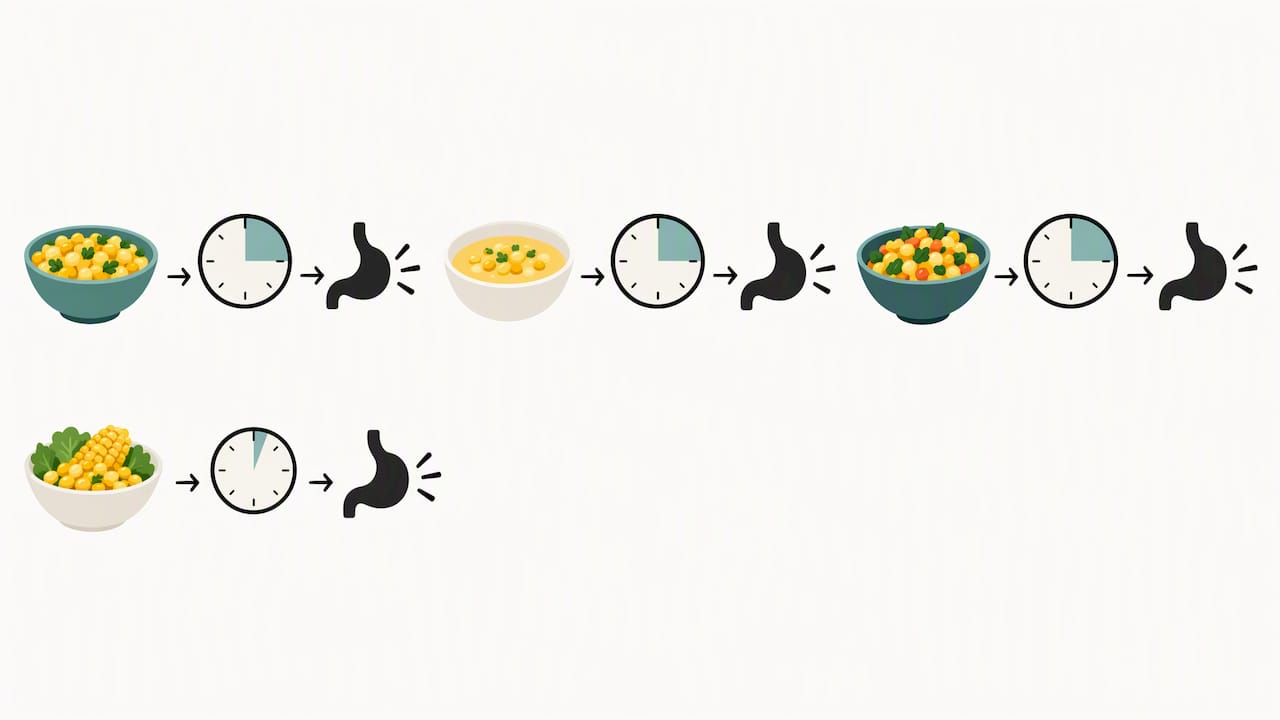
Corn intolerance tends to show up as digestive upset rather than a sudden, dramatic reaction. According to NHS guidance on food intolerance, suspected corn intolerance can cause bloating, wind, abdominal pain and diarrhoea or constipation, usually a few hours after eating. The delay is part of what makes it tricky to pin down: you might eat sweetcorn at lunch and not feel the effects until the evening.
Beyond the gut, people often report symptoms that do not immediately scream “food problem”:
- Persistent tiredness or low energy after meals.
- Headaches that appear a few hours after eating.
- Joint pain or general aches with no obvious cause.
- Skin rashes or flare-ups of existing skin conditions.
The same NHS guidance notes that intolerance is not an immune reaction and does not cause anaphylaxis, which is the key difference from allergy. Symptoms are also non-specific, so they can overlap heavily with irritable bowel syndrome or other digestive conditions, which is exactly why a pattern matters more than a single bad afternoon.
Pro Tip: Note the time between eating and your first symptom for a week. A consistent four to six hour gap after corn-containing meals is a much stronger clue than one isolated episode.
2. Symptoms of a corn allergy and how they differ from intolerance
A genuine corn allergy behaves very differently. NHS allergy guidance describes rapid-onset hives, swelling of the face, lips or tongue, throat tightness, wheeze or breathlessness, often appearing soon after exposure. Vomiting, abdominal pain and diarrhoea can also feature, but they tend to arrive quickly rather than build up hours later.
Watch for:
- Hives or itching that spreads within minutes of eating.
- Swelling around the face, lips, tongue or throat.
- Wheezing, coughing or difficulty breathing.
- Dizziness, fainting or a sense of impending collapse.
One in particular matters: breathing difficulty, throat swelling or fainting after eating is a medical emergency, according to NHS guidance, and needs immediate treatment rather than a wait-and-see approach. Children can react within minutes, though delayed reactions are possible, so timing alone is a strong clue but never a substitute for emergency care when breathing is affected.
3. How timing and pattern of symptoms help tell intolerance from allergy
Timing is one of the most useful clues you have, and it is free. A reaction within minutes to an hour points towards an IgE-mediated allergy, the kind involving your immune system and histamine release. A reaction that builds over hours, or even the next day, points more towards intolerance or a non-IgE mechanism.
A few practical rules help sort genuine patterns from coincidence:
- Check for repetition. A single odd reaction tells you little; the same symptoms appearing after corn on separate occasions is far more convincing.
- Note the dose. Intolerance often depends on quantity, so a small amount of corn may pass without issue while a large portion triggers symptoms.
- Rule out confounders. Stress, alcohol, other foods eaten at the same time and medication can all muddy the picture, so write them down too.
- Treat vague, one-off episodes with caution. They are unreliable on their own and usually need a diary or clinical review before you draw conclusions.
5. What to do next: when to see a GP and what tests involve
If you have had breathing difficulty, swelling or fainting after eating, that is urgent and needs immediate medical attention rather than a GP appointment booked for next week. Outside of that, the sensible next step is a GP appointment with a food and symptom history in hand.
Clinicians generally focus on:
- How long after eating symptoms started.
- Whether the reaction happens every time or only sometimes.
- How much you ate and whether other foods were involved.
- Any medicines, exercise or other factors around the time of the reaction.
For allergy, tests can include skin prick testing, specific IgE blood tests and, where needed, an oral food challenge carried out under medical supervision. There is no equivalent routine blood test for intolerance, which is part of why a diary carries so much weight.
Pro Tip: Broad, indiscriminate allergy panels can flag sensitisation that never causes symptoms. Pathology guidance on specific IgE testing is clear that a positive result alone does not confirm allergy: it has to be read alongside your actual history of reactions.
6. How to track symptoms with a diary and reintroduce safely
A structured food and symptoms diary is one of the most useful tools available, and it costs nothing. NHS guidance on food and symptom diaries recommends logging the date, time, exact foods and quantities, symptoms, how long after eating they started, how long they lasted, and any medicines, exercise or stress involved.
- Keep the diary for around two weeks, noting everything you eat and drink.
- Remove only the suspected food (in this case, corn) while keeping other habits steady, so you are not changing several variables at once.
- Plan any reintroduction with a GP or dietitian, particularly if previous reactions involved breathing or swelling, in which case do not reintroduce without medical advice.
Our elimination diet checklist walks through this process step by step if you want a structured plan to follow alongside your diary.
7. Where at-home intolerance testing fits into finding your trigger
At-home intolerance testing generally involves analysing a small hair sample for bioresonance responses across a wide panel, with processing at a laboratory and a digital report delivered within a few days. It is built as a screening tool to help you form a hypothesis about possible triggers, corn included, not as a replacement for clinical diagnosis.
- A flagged sensitivity gives you a starting point for a focused elimination, rather than a confirmed diagnosis.
- Positive flags are best interpreted alongside your symptom diary and, where appropriate, a GP or dietitian.
- The test is intended to support dietary decisions, not to diagnose allergy or replace emergency care for breathing or swelling symptoms.
If a result points to corn, the sensible next move is to combine it with a couple of weeks of diary tracking before making any major changes.
8. A personal note on living with uncertain symptoms
Most people we hear from spent months blaming stress or “just a sensitive stomach” before they started writing things down properly. The diary is the boring part, but it is also the part that actually gives you answers.
You do not need to cut out entire food groups to get clarity, and support is there if you need it.
— Rob
9. How a guided at-home test can be your next step
If you recognise the delayed bloating, wind and tiredness pattern rather than the sudden hives or breathing symptoms of allergy, an at-home intolerance test is a practical way to narrow down corn as a possible trigger without committing to a full clinical allergy work-up first.

Our Core Test, Essential Test, Premium Test and other options cover corn alongside hundreds of other items, giving you a broader picture rather than a single guess. For a more extensive panel, the Ultimate Plus Intolerance Test is available as a one-off test covering a wide range of potential triggers. Whichever you choose, pair your results with your food diary and a conversation with your GP or dietitian before making lasting changes.
This article is general information, not a substitute for advice from a qualified doctor. Consult a qualified healthcare professional about your own circumstances before acting on anything here.
FAQ
What are the symptoms of sudden corn intolerance?
Sudden-onset digestive symptoms such as bloating, wind, stomach pain and diarrhoea or constipation a few hours after eating corn are typical of intolerance, according to NHS guidance. Headaches, tiredness, joint pain and skin rashes can also appear and tend to build gradually rather than strike within minutes.
What foods contain corn?
Sweetcorn and popcorn are the obvious sources, but corn also hides in processed foods as corn syrup, maize starch, dextrose, maltodextrin and sorbitol. Because corn is not one of the 14 regulated allergens under Food Standards Agency rules, it will not always be highlighted on a label, so checking the full ingredients list matters.
Can eating corn cause stomach ache?
Yes, stomach ache is one of the most commonly reported symptoms of corn intolerance, usually appearing a few hours after eating alongside bloating or wind, as described in NHS food intolerance guidance. If stomach pain comes with vomiting, swelling or breathing difficulty soon after eating, it may point to allergy instead and needs urgent assessment.
What are the causes of sudden food intolerance in adults?
Food intolerance can develop at any age and often involves non-immune mechanisms, including enzyme deficiencies or reactions to naturally occurring food chemicals, and it can mimic conditions like IBS. There is no single blood test that reliably diagnoses intolerance, so identifying a trigger usually relies on a structured elimination approach combined with a food and symptoms diary.
Sources
Corn turns up in more places than sweetcorn and popcorn. Processed foods often contain it in less obvious forms, including corn syrup, maize starch, dextrose, maltodextrin and sorbitol.
This matters because, under Food Standards Agency allergen guidance, corn is not one of the 14 regulated allergens that must be highlighted in bold on food labels. That means it can sit quietly in an ingredients list without any special warning, so checking the full list, not just the allergen box, is essential.
A few habits make this easier:
- Food intolerance – NHS
- Allergy RAST/specific IgE tests — SWLPath
- Food & symptoms diary — University Hospitals Dorset / NHS










Leave a Reply
Want to join the discussion?Feel free to contribute!