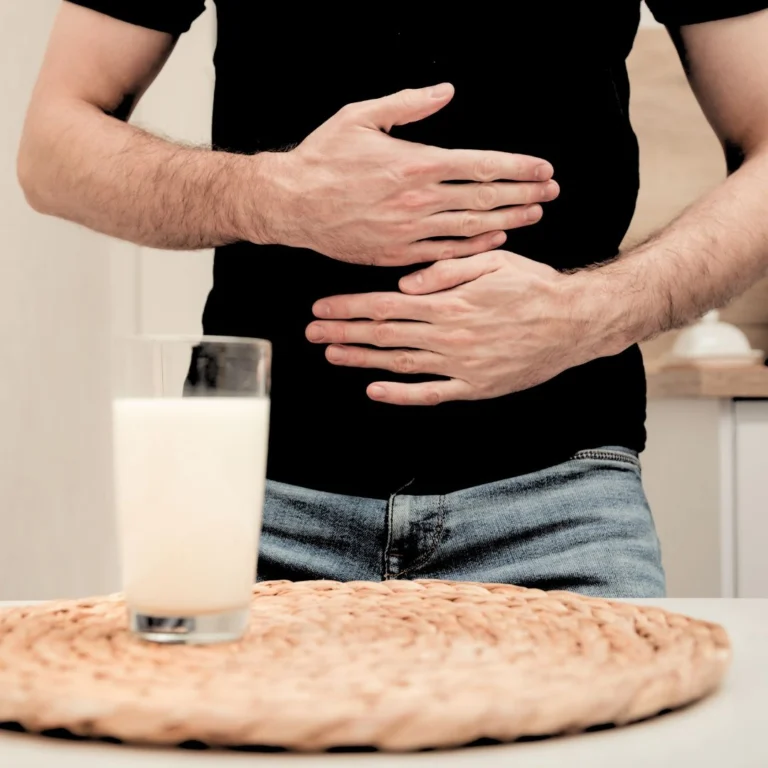
Coffee or caffeine intolerance usually means you feel jittery, anxious, shaky or wired, notice a racing heart, sleep badly, or get heartburn or an urgent dash to the loo after coffee, often at amounts other people barely notice. Caffeine sensitivity is real and very individual: people clear caffeine from the body at different speeds, so for some, one morning cup is still working at bedtime.
Sometimes the culprit is not caffeine at all, but the coffee itself, the milk, or the syrups and sweeteners added to it. This guide helps you work out which, and how to cut back without the headaches.
What are the signs of caffeine sensitivity?
The NHS lists caffeine among the common causes of food intolerance. Signs people describe include:
- jitters, restlessness or shaky hands
- feeling anxious, on edge or irritable
- a fast or pounding heartbeat
- trouble falling or staying asleep, even after a morning cup
- headaches, either from too much caffeine or from missing your usual amount
- heartburn, nausea or loose stools
Sensitivity can change over time. Stress, poor sleep and hormonal changes can all make the same cup feel stronger than it used to.
Is it the caffeine or the coffee?
Coffee contains acids and other compounds that stimulate the gut whether or not caffeine is present. Your pattern gives useful clues.
| If you notice this | It points towards |
|---|---|
| The same symptoms after tea, cola or energy drinks | Caffeine |
| You feel fine on decaf coffee | Caffeine |
| Heartburn or gut urgency even with decaf | Coffee itself, its acidity or how strong it is |
| Symptoms only after milky coffees | Milk or lactose; see lactose intolerance vs dairy sensitivity |
| Symptoms only after flavoured, “skinny” or diet drinks | Syrups or sweeteners; see artificial sweetener sensitivities |
| Symptoms mostly when you drink it before eating | Timing; try having it with or after food |
If heartburn is your main problem, our guide to reflux after meals covers coffee alongside the other common triggers.
How much caffeine is in your drinks?
Most people underestimate their total. The NHS gives these typical amounts in its pregnancy food guidance:
| Drink or food | Approximate caffeine |
|---|---|
| Cup of instant coffee | 100mg |
| Cup of tea (black or green) | 75mg |
| 250ml can of energy drink | 80mg |
| Can of cola | 40mg |
| 50g bar of plain dark chocolate | Less than 25mg |
Filter coffee and coffee-shop drinks may contain more, especially larger sizes and extra shots. Add up a normal day: it is often the third or fourth drink, or an afternoon cola, that tips the balance.
How do you cut back on caffeine without the headaches?
Stopping suddenly can bring a few days of withdrawal headaches, tiredness and low mood. Cutting down gradually is usually much easier.
- Track a normal few days. Note every coffee, tea, cola and energy drink, the size and the time.
- Swap one drink at a time. Replace one cup with decaf or half-caf every few days rather than all at once.
- Set a cut-off time. Moving your last caffeinated drink to late morning often helps sleep quickly.
- Have coffee with food. Many people find it gentler on the stomach after breakfast than before.
- Drink water through the day. It helps with the headachey, sluggish feeling while you adjust.
If headaches are a regular problem for you, our guide to headaches and food triggers covers caffeine alongside other common culprits.
What can I drink instead of coffee?
- Decaf coffee: keeps the ritual and flavour with only a small amount of caffeine.
- Half-caf blends: a useful halfway step while you reduce.
- Rooibos: naturally caffeine-free and good with milk.
- Herbal teas: camomile, peppermint, ginger or fruit infusions.
- Barley or chicory coffee substitutes: caffeine-free, though barley versions contain gluten.
Be aware that green tea, matcha and yerba mate still contain caffeine, and some can be fairly strong.
When to speak to a GP
- You have chest pain, fainting, or a heartbeat that stays fast or irregular after cutting back.
- You are pregnant: the NHS advises no more than 200mg of caffeine a day.
- Anxiety or sleep problems continue even after you have reduced caffeine.
Caffeine allergy is very rare, but hives, swelling of the face or throat, or difficulty breathing after any food or drink need urgent medical help. Intolerance testing is not a substitute for allergy testing.
Where hair sample testing fits
If you cannot tell whether your problem is coffee, tea, milk or something you eat alongside them, testing gives you a starting point for what to remove first. Caffeine is not listed as a separate item, but the Core Intolerance Test tests the drinks it comes in: Coffee (black), Tea (Black), Tea (green), Earl Grey tea, White Tea, Yerba mate tea and Cola, along with Cow’s milk, white and brown sugar, and a barley-based coffee substitute. It covers 500 food items in total, so you can see your usual drinks in the context of the rest of your diet.
If diet drinks or flavoured coffees are part of your routine, the Ultimate Intolerance Test adds E-numbers, including sweeteners such as aspartame and acesulfame K, across 1,100 items.
The method is bioresonance, a complementary approach outside mainstream medicine. It is a wellness test rather than a medical diagnosis, and it does not test for allergies, coeliac disease or lactose intolerance. Order online, follow the emailed instructions and post 4–5 strands of hair. Your report arrives within 3–5 working days of your sample arriving, or 48 working hours with priority, with high, medium and low response groups, a 6–8 week elimination plan and a printable food diary. For the bigger picture, see the most common food intolerances in the UK.
Frequently asked questions
Can you become sensitive to caffeine later in life?
Yes, many people find the same amount of caffeine affects them more than it used to. Stress, sleep, hormonal changes and some medicines can all play a part. Cutting back gradually and noting how you feel is a sensible first step.
How long does caffeine stay in your system?
It varies a lot from person to person. For some people the effects wear off within a few hours, while others still feel it in the evening after a morning cup. If sleep is a problem, try an earlier cut-off time for caffeinated drinks.
Does decaf coffee contain caffeine?
Decaf still contains a small amount of caffeine, far less than regular coffee. Most people with caffeine sensitivity manage it well, but if you react to decaf too, the coffee itself, its acidity or the milk may be the issue.
Why does coffee make me need the toilet?
Coffee stimulates the gut, and this happens with decaf as well as regular coffee. Strong coffee on an empty stomach often has the biggest effect, so having it with food or choosing a milder brew can help.
This guide is general wellness information, not medical advice. Our test uses bioresonance, a complementary (CAM) method; it does not diagnose allergies, coeliac disease or any medical condition. Speak to a GP if you have severe or ongoing symptoms.