Yes, it is possible to react badly to rice, but a true rice intolerance is uncommon. Rice is one of the most widely tolerated staple foods, which is why it is so often used as a safe base on elimination diets; when people feel unwell after rice, the cause is more often the portion, how it was cooked and stored, or what was served with it.
This guide explains the symptoms people notice, the likely explanations, how to check whether rice really is the problem, and good alternatives if you want a break.
What does a reaction to rice feel like?
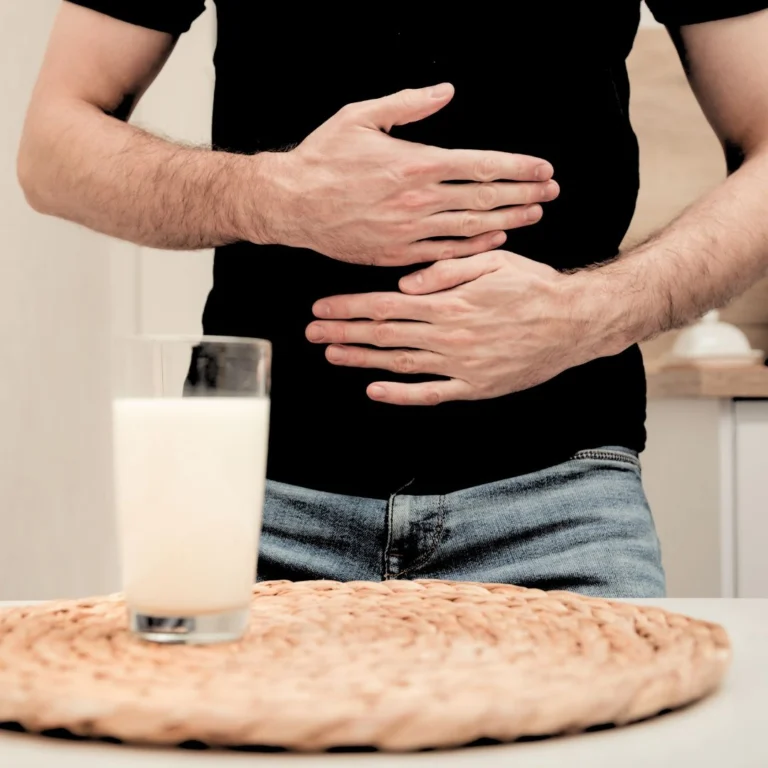
- bloating or a heavy, stuffed feeling after a large portion
- wind or tummy ache
- constipation, especially if the rest of the meal is low in fibre
- feeling sleepy or sluggish after a big rice-based meal
Feeling drowsy after a large, starchy meal is common and not specific to rice. Our guide to tiredness after eating explains the post-meal slump.
Why might rice disagree with you?
Portion size and pace
A large takeaway portion eaten quickly is a lot of starch at once. Try a smaller serving, eaten slowly, with plenty of vegetables and some protein.
Brown rice and fibre
Brown rice has more fibre than white. Switching suddenly can bring wind and bloating until your gut adjusts, so build up gradually.
Cooled and reheated rice
When cooked rice cools, some of its starch changes into resistant starch, which is fermented further down the gut. For most people that is harmless, but it can mean more wind after rice salads, sushi or leftovers.
Leftover rice and food poisoning
Uncooked rice can contain spores of bacteria that survive cooking. If cooked rice is left at room temperature, they can multiply and produce toxins that cause sickness or diarrhoea. Cool cooked rice quickly, keep it in the fridge, eat it within a day and reheat it only once, until steaming hot. A sudden bout of sickness after reheated rice is more likely to be this than an intolerance.
What is cooked with it
Rice dishes carry many other ingredients:
- Egg fried rice: egg, soy sauce (soya and usually wheat) and oil
- Risotto: stock, wine, butter and cheese
- Biryani and pilau: onion, garlic and spices
- Rice pudding: milk and sugar
- Sushi: vinegar, sugar, fish and soy sauce
- Flavoured packet rice: stock, flavourings and sometimes yeast extract
Plain rice is low in the fermentable carbohydrates known as FODMAPs, which is why it is a common base on low-FODMAP plans. If bloating follows rice meals, onion, garlic or other ingredients in the dish are often the real trigger; FODMAPs explained covers why.
Can you be allergic to rice?
Rice allergy is rare but does exist. Hives, swelling of the lips, face or throat, vomiting or breathing difficulty after any food point to an allergy, which needs urgent medical help; call 999 if breathing is affected. Intolerance testing is not a substitute for allergy testing.
What can I eat instead of rice?
| Instead of | Try |
|---|---|
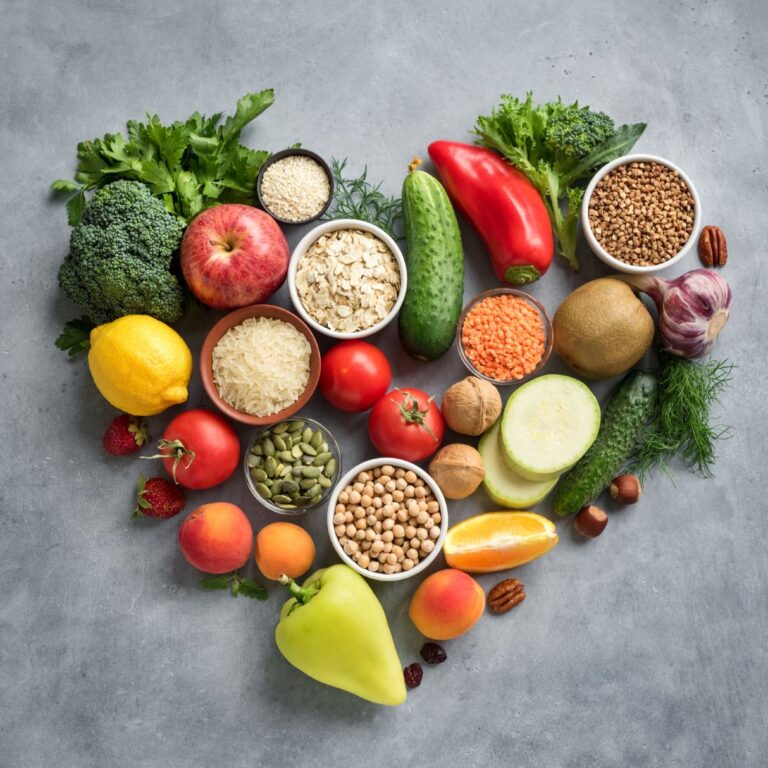
| Rice with curry or chilli | Quinoa, buckwheat, millet, potatoes or sweet potato |
| Rice noodles | Buckwheat noodles (check the label, as many contain wheat), egg noodles or courgette ribbons |
| Rice cakes | Oatcakes, corn thins or crispbreads |
| Rice milk | Oat, soya or cow’s milk, depending on what suits you |
| Risotto | A barley or spelt “risotto” if gluten is not an issue for you |
One note for parents: the NHS advises that children under 5 should not be given rice drinks, because of the levels of arsenic they can contain.
How do you tell if rice is really the problem?
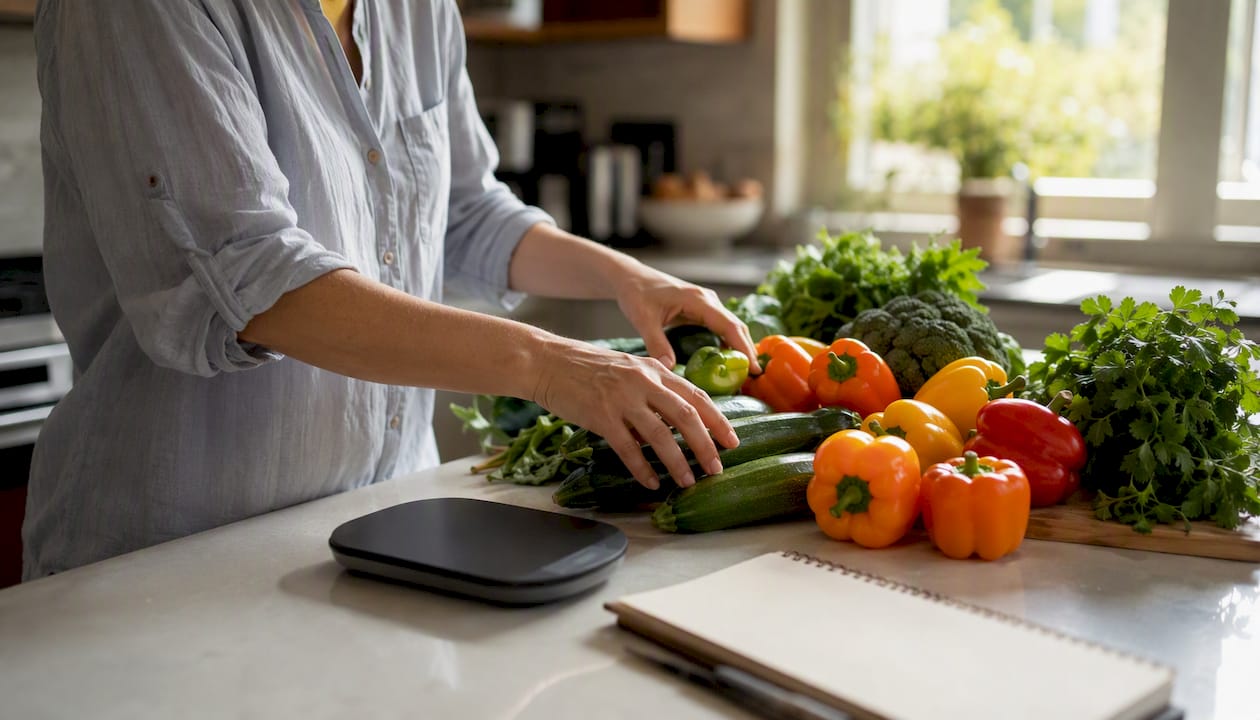
- Keep a diary for a week. Note the type of rice, the portion, whether it was fresh or reheated, and what came with it.
- Test plain rice. Eat a modest portion of freshly cooked plain white rice with simple foods you know suit you. If you feel fine, look at the rest of your usual rice dishes.
- If symptoms continue, remove rice for two weeks, including rice cakes, rice noodles, rice flour and rice milk.
- Reintroduce white rice, then brown rice, on separate days. Our simple reintroduction schedule shows how to space them out.
If rice turns out not to be the issue, our guide to bloating after eating covers the more common food triggers.
Where hair sample testing fits
If plain rice still seems to cause trouble, or you have several suspects at once, testing can help you decide what to try removing first. The Core Intolerance Test tests 500 food items, including Rice – White and Rice – Brown, alongside other grains and staples such as Quinoa, Buckwheat, Millet, Maize, Potatoes, Noodles, Wheat and Soy Sauce.
The method is bioresonance, a complementary approach outside mainstream medicine. It is a wellness test and a starting point for an elimination diet, not a medical diagnosis, and it does not test for allergies, coeliac disease or lactose intolerance. Order online, follow the emailed instructions and post 4–5 strands of hair. Your report arrives within 3–5 working days of your sample arriving, or 48 working hours with priority, with high, medium and low response groups, a 6–8 week elimination plan and a printable food diary. The Core test is £14.99.
For other everyday triggers worth considering, see the most common food intolerances in the UK.
Frequently asked questions
Can white rice cause bloating?
Plain white rice rarely causes bloating on its own, but a very large portion, eating quickly, or the onion, garlic and sauces served with it can. Try a modest portion of freshly cooked plain rice to see whether it is the rice or the rest of the meal.
Is brown rice harder to digest than white rice?
Brown rice contains more fibre, so some people notice more wind at first, particularly if they switch suddenly. Building up gradually usually helps. If brown rice still bothers you, white rice is a reasonable alternative.
Why do I feel sick after reheated rice?
Cooked rice left at room temperature can allow bacteria from spores to produce toxins that cause sickness or diarrhoea. Cool rice quickly, refrigerate it, eat it within a day and reheat it only once until steaming hot.
Is rice a good food for an elimination diet?
For most people, yes. Plain rice is widely tolerated, gluten-free and low in FODMAPs, which is why it often forms the base of elimination diets. Keep it plain while you test other foods.
This guide is general wellness information, not medical advice. Our test uses bioresonance, a complementary (CAM) method; it does not diagnose allergies, coeliac disease or any medical condition. Speak to a GP if you have severe or ongoing symptoms.