Pet hair intolerance testing: its uses and limits

Pet hair intolerance testing gives you a ranked list of items to discuss with your vet. See what it can and can’t tell you and how to take the sample.
Food intolerance in cats and dogs: symptoms, elimination diets with your vet, and how pet hair testing fits.
Food intolerance in cats and dogs: symptoms, elimination diets with your vet, and how pet hair testing fits.
Pet hair intolerance testing gives you a ranked list of items to discuss with your vet. See what it can and can’t tell you and how to take the sample.

A cat elimination diet means one vet-chosen food for at least six weeks. Follow our step-by-step guide, with tips for fussy, outdoor and multi-cat homes.
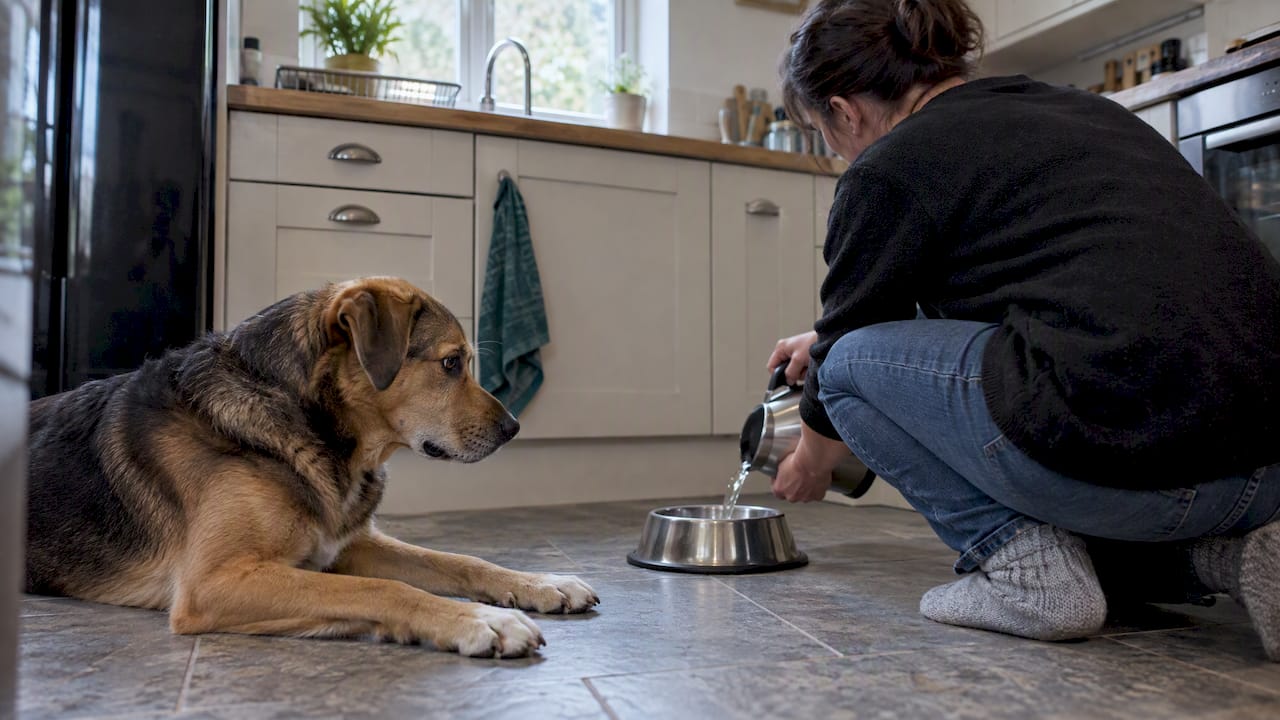
Dog diarrhoea after chicken is often a simple upset, but a repeating pattern can point to food. See the causes, home care steps and when to call the vet.
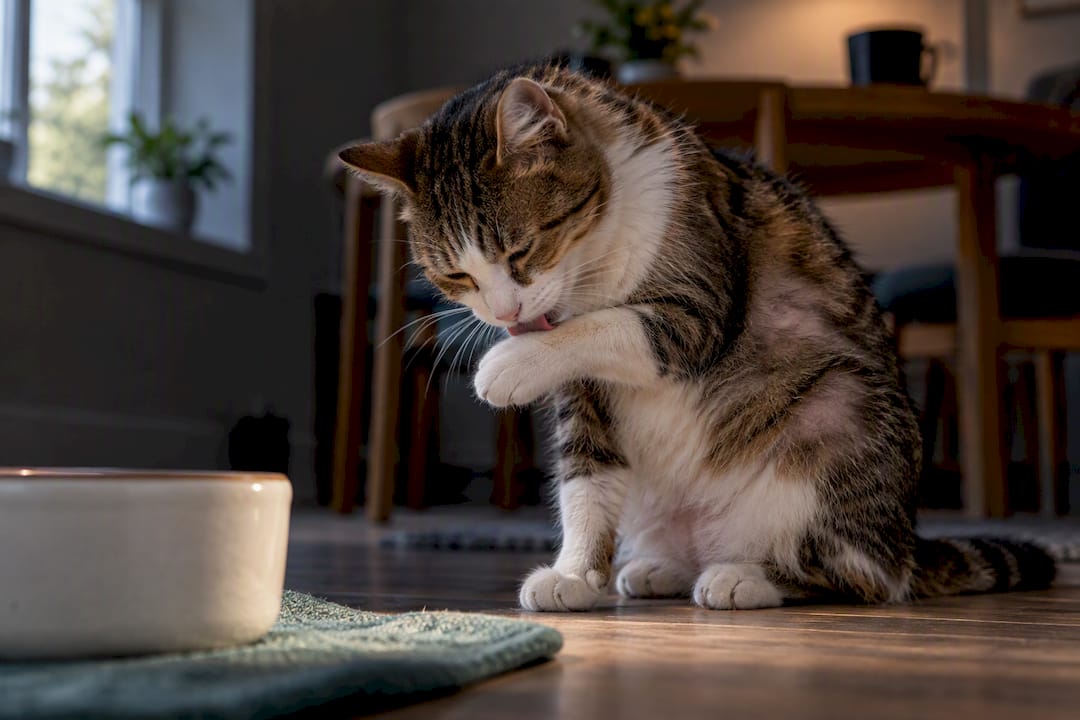
Cat food intolerance symptoms include head and neck itching, overgrooming and vomiting. See what to look for, what to record and what to do next.
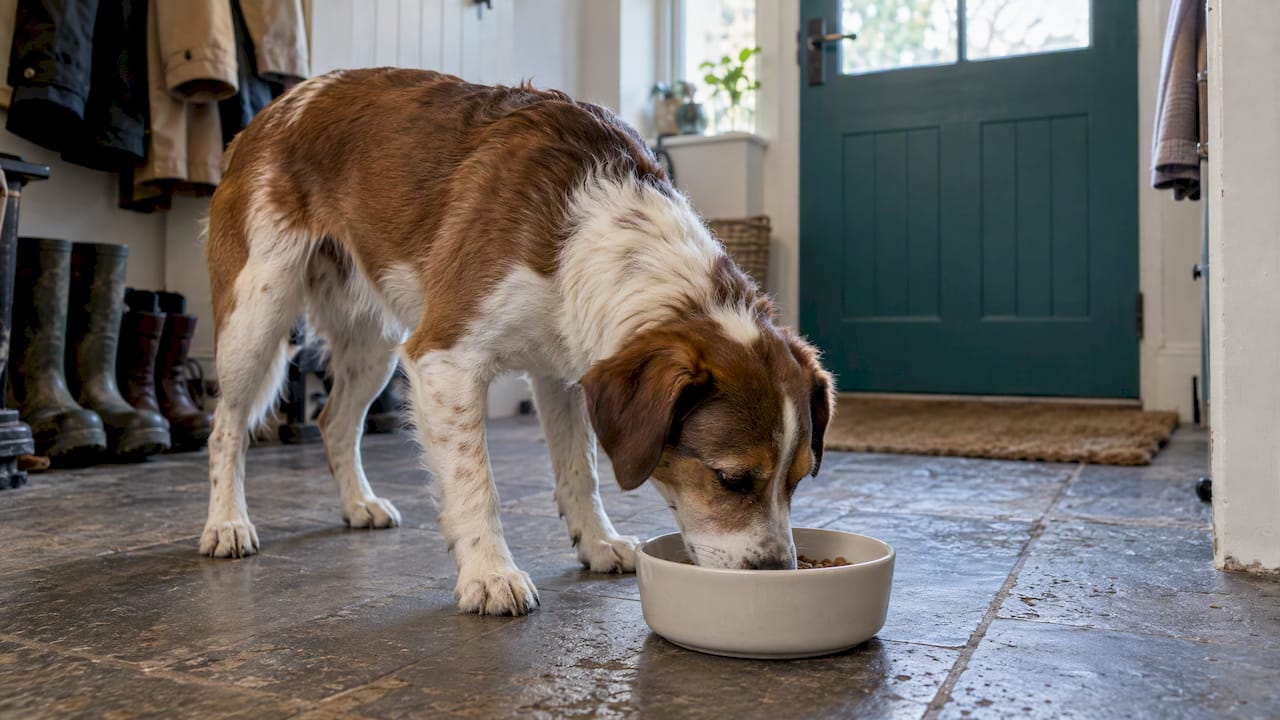
A dog elimination diet means one vet-chosen food for 6 to 12 weeks, then reintroducing foods. Learn how to run it properly and avoid common mistakes.
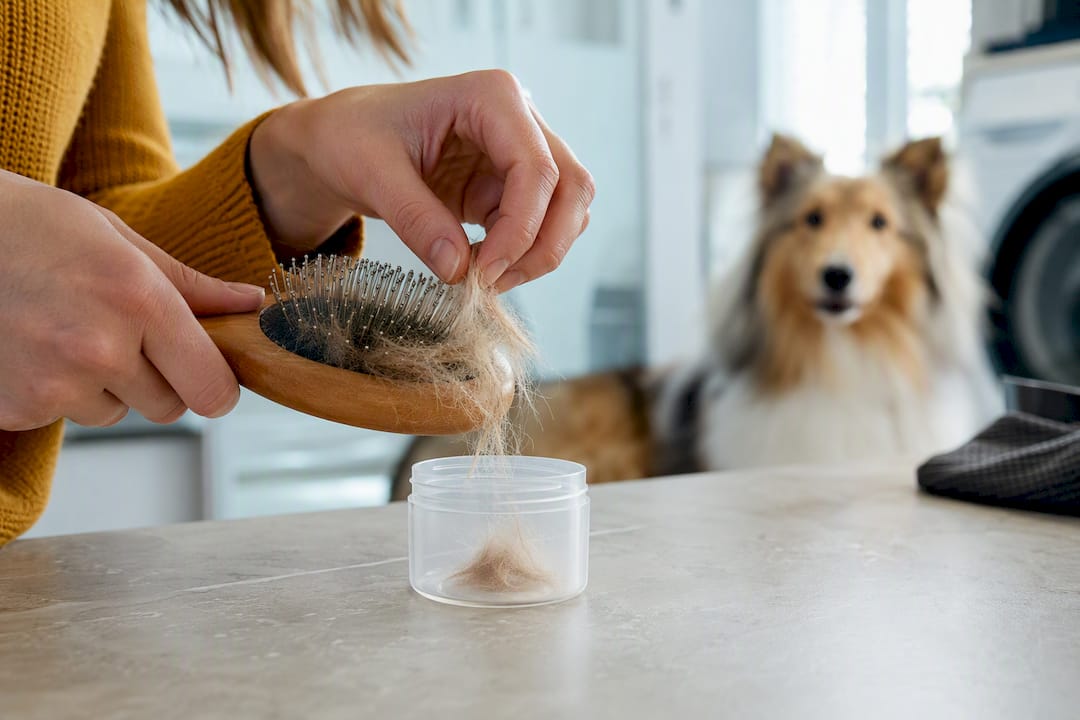
Which pet intolerance test suits your cat or dog? Compare Intro 300, Essential 500 and Peak 700 side by side and see which one most pets should start with.

Pet food intolerance vs allergy: one is digestive, one involves the immune system. See how they differ in cats and dogs and why vets check both alike.
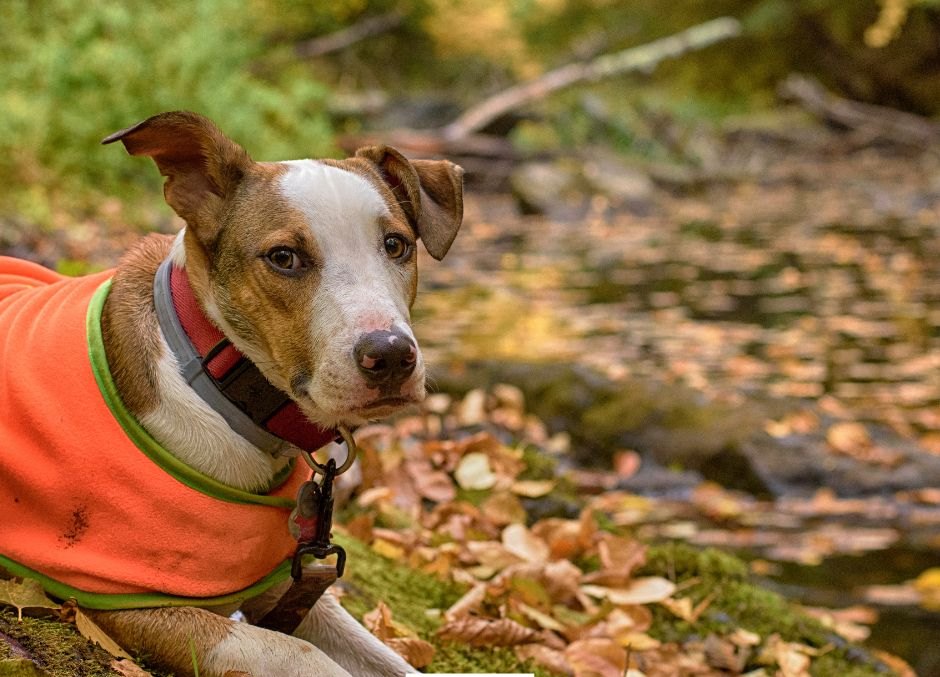
Itchy dog? Food can play a part, but fleas and the environment come first. Learn how to rule them out and the signs that point to food for your dog.
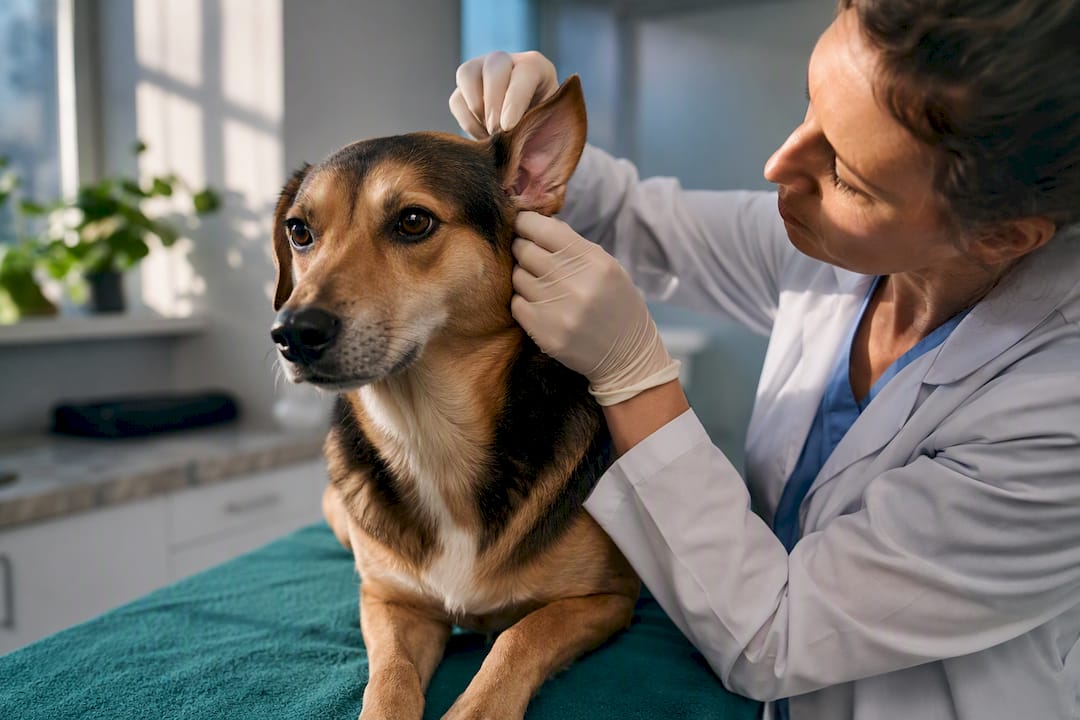
Dog food intolerance symptoms include itchy paws and ears, loose stools and wind. Learn the patterns to watch for and the practical next steps to take.