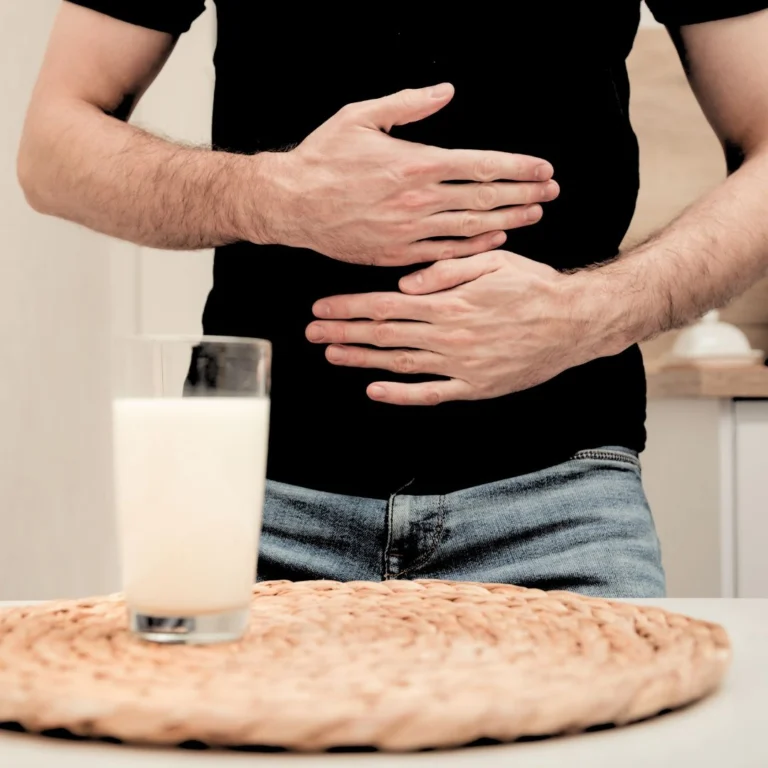
Some people do notice symptoms after artificial sweeteners, and the type of sweetener makes a big difference. Sugar alcohols (polyols) such as xylitol, isomalt and maltitol commonly cause wind, bloating and loose stools in larger amounts, while intense sweeteners such as aspartame, saccharin and acesulfame K are used in tiny quantities and reactions to them are less predictable.
Sweeteners approved in the UK have been assessed as safe for general use. Sensitivity is about how your own gut and body respond, and the simplest way to find out is to track what you eat and drink for a few weeks.
What are the main types of sweetener?
| Type | Examples | Where you find them | How much is used |
|---|---|---|---|
| Intense sweeteners | E 950 Acesulfame K, Acesulfame; E 951 Aspartame; E 952 Cyclamate, Cyclohexane; E 954 Saccharin | Diet and zero drinks, squash, tabletop sweeteners, yoghurts | Tiny amounts, as they are many times sweeter than sugar |
| Sugar alcohols (polyols) | E 953 Isomalt; E 965 Maltite, Maltite syrup (maltitol); E 966 Lactite (lactitol); E 967 Xylitol | Sugar-free sweets, mints, chewing gum, sugar-free chocolate, protein bars | Bulk amounts, similar to sugar |
Many products combine two or more sweeteners, so check the full ingredients list rather than the front of the pack.
What symptoms do people link to sweeteners?
- Wind, bloating and a rumbling stomach
- Loose stools or an urgent need for the loo
- Stomach cramps
- Headaches, which some people link to aspartame
Why sugar alcohols upset the gut
Sugar alcohols are only partly absorbed in the small intestine. The rest travels to the large bowel, where it draws in water and is fermented by bacteria, producing gas. That is why, according to the NHS, when polyols make up more than 10% of a product the label must state that excessive consumption may produce laxative effects.
The effect depends on the dose: one sugar-free mint may be fine while a whole packet is not. Polyols are also one of the groups of fermentable carbohydrates known as FODMAPs, so if other FODMAP foods affect you, sugar alcohols may too. Our guide to FODMAPs and bloating explains the link.
Intense sweeteners
Some people report headaches, dizziness or stomach upsets after aspartame. The Food Standards Agency describes a study in which people who reported aspartame sensitivity were given a cereal bar with or without aspartame, without being told which; reported symptoms did not differ, although the study only looked at short-term effects (FSA guidance on food additives). Your own experience still matters, and a careful diary is the fairest way to check it.
Are artificial sweeteners safe to eat?
Sweeteners must be assessed before they can be used in UK food, and an acceptable daily intake is set for each one: the maximum amount considered safe to eat every day over a lifetime.
The main exception is phenylketonuria (PKU), a rare inherited condition. Aspartame is not suitable for people with PKU, which is why products containing it must say they contain a source of phenylalanine.
Where do sweeteners hide?
- Diet, zero and “no added sugar” fizzy drinks, squash and flavoured water
- Sugar-free chewing gum, mints and sweets
- Sugar-free and reduced-sugar chocolate; see our guide to chocolate intolerance
- Low-sugar yoghurts, desserts and breakfast cereals
- Protein bars, shakes and some sports drinks
- Reduced-sugar ketchup, sauces and baked beans
- Medicines, cough syrups and chewable vitamins
- Toothpaste and mouthwash, which often contain xylitol
A note for dog owners: xylitol is highly toxic to dogs, even in small amounts. Keep sugar-free gum, sweets and xylitol-sweetened foods out of reach, and contact a vet straight away if your dog eats any.
How can you tell if a sweetener is your trigger?
- Track it. For two weeks, note every “diet”, “zero” or “sugar-free” product you have, how much, and any symptoms. Our food and symptom diary template keeps this simple.
- Read the labels. Write down which sweeteners each product contains and whether it carries the laxative warning.
- Take a break. Cut out sweetened products for two to three weeks.
- Reintroduce one at a time. Choose a product with a single sweetener if you can, start with a small amount, and leave two to three days before trying the next.
If bloating is your main problem and sweeteners do not seem to explain it, our guide to bloating after eating covers other common food triggers.
What can you have instead?
If sweeteners disagree with you, there is no need to switch to large amounts of sugar. Try water, sparkling water with fresh mint or a slice of fruit, plain yoghurt with berries, or a small amount of ordinary sugar or honey. Your taste for sweetness usually adjusts within a few weeks. Our guide to sugar sensitivity has practical ideas for cutting back.
When to speak to a GP
- Loose stools or tummy pain carry on even after you have cut out sweeteners.
- You notice blood in your poo.
- You have diabetes or PKU and are unsure which sweetened products suit you.
Where hair sample testing fits
Because sweeteners often come in combinations, it can be hard to tell which one is the problem. Testing gives you a starting point and helps you decide which to try cutting out first.
The Ultimate Intolerance Test tests 1,100 items, including E-numbers such as E 950 Acesulfame K, Acesulfame; E 951 Aspartame; E 952 Cyclamate, Cyclohexane; E 953 Isomalt; E 954 Saccharin; E 965 Maltite, Maltite syrup; E 966 Lactite; and E 967 Xylitol. It also includes everyday sugars such as white and brown sugar, honey and maple syrup. Not every sweetener on sale is on our list, so compare the labels of the products you use with your report.
Your report groups items into high, medium and low response, with a 6–8 week elimination plan and a printable food diary. It arrives by email within 3–5 working days of your sample arriving, or 48 working hours with priority.
Frequently asked questions
Why does sugar-free gum give me wind?
Sugar-free gum is usually sweetened with sugar alcohols such as xylitol or maltitol. These are only partly absorbed, so the rest is fermented by gut bacteria, producing gas. Chewing several pieces a day can be enough to cause wind or loose stools.
Can aspartame cause headaches?
Some people report headaches after aspartame, although a blinded study described by the Food Standards Agency found no difference in short-term symptoms. Individual responses vary, so the most useful check is a diary followed by a break from aspartame and a careful reintroduction.
Is xylitol safe for people?
Xylitol is approved for use in food in the UK and is common in sugar-free gum and toothpaste. In larger amounts it can cause wind and loose stools. It is highly toxic to dogs, so keep products containing it away from pets.
Are diet drinks a problem for a sensitive gut?
Diet drinks usually contain intense sweeteners in small amounts, plus fizz, which can add to bloating on its own. If you suspect them, swap to water for two weeks and see whether your symptoms change.
This guide is general wellness information, not medical advice. Our test uses bioresonance, a complementary (CAM) method; it does not diagnose allergies, coeliac disease or any medical condition. Speak to a GP if you have severe or ongoing symptoms.