Tomato intolerance is when tomatoes or tomato-based foods, such as pasta sauce, ketchup, pizza or soup, leave you with heartburn, bloating, loose stools or a flushed, itchy feeling some hours later. It is not a formal diagnosis, and it usually comes down to the acidity of tomatoes, natural chemicals they contain, or the other ingredients they are cooked with.
Tomato is one of the easier foods to check: a short, complete break followed by a planned reintroduction usually gives a clear answer, and there are good swaps for the sauces most of us rely on.
What are the symptoms of tomato intolerance?
Symptoms tend to build with the amount you eat and often show up a few hours after a meal. A slice of tomato in a sandwich may be fine, while a large bowl of pasta in tomato sauce is not.
- heartburn, acid reflux or a sour taste, especially after concentrated sauces or late meals
- bloating, wind or stomach cramps
- loose stools
- headaches
- flushing, itchy skin or a mild rash
Because these overlap with many other triggers, note how much tomato you ate, in what form, and what else was in the dish.
Why might tomatoes cause problems?
Acidity
Tomatoes are naturally acidic, and passata, purée, ketchup and long-cooked sauces concentrate that acidity. For many people the problem is reflux rather than the tomato itself. Our guide to reflux after meals covers the other common food triggers and simple changes that help.
Histamine
Tomatoes, particularly in concentrated forms, appear on most lists of foods linked with histamine sensitivity. If wine, aged cheese and preserved meats such as salami also give you flushing or a blocked nose, see our practical list of high-histamine foods.
Salicylates
Tomatoes contain salicylates, natural plant chemicals found in many fruits, vegetables, herbs and spices. Some people seem sensitive to the total amount across the day. Our guide to salicylate sensitivity explains the pattern.
The nightshade family
Tomatoes belong to the nightshade family, along with potatoes, peppers, chillies and aubergine. Some people find more than one of these bothers them, but reacting to tomato does not mean you need to give up every nightshade. Nightshade intolerance explains how to test them separately.
Everything else in the dish
Tomato sauces usually contain onion, garlic, oil, chilli, sugar or wine. A homemade sauce and a jar can behave very differently, so compare a simple dish of fresh tomato with your usual sauce.
Is it a tomato allergy or an intolerance?
Tomato allergy exists but is less common than intolerance-type symptoms. Some people with hay fever get an itchy mouth or tingling lips from raw tomato, which is an allergic-type reaction linked to pollen rather than an intolerance.
Swelling of the lips, face or throat, hives, or difficulty breathing after eating need urgent medical help; call 999 if breathing is affected. Intolerance testing is not a substitute for allergy testing.
Where does tomato hide?
Tomato is in far more than salads and pasta. During a trial, check:
- ketchup, barbecue sauce and some brown sauces
- baked beans, tinned soups and many ready meals
- pizza, lasagne, chilli, bolognese and shepherd’s pie
- curry bases, salsa and Mediterranean-style stews
- tomato juice and cocktails made with it
- sun-dried tomato pesto, tomato chutney and relishes
- “tomato powder” in crisps, snacks and seasoning mixes
What can I use instead of tomato?
| Instead of | Try |
|---|---|
| Tomato pasta sauce | Basil pesto, olive oil with lemon and herbs, roasted squash or pumpkin sauce, or a creamy mushroom sauce |
| Pizza sauce | A white base of garlic oil, crème fraîche or ricotta, or a thin layer of pesto |
| Ketchup | A homemade “no-mato” sauce of roasted beetroot, carrot and a splash of vinegar |
| Bolognese or chilli base | Beetroot and carrot blended with stock, or a “white” ragù with stock and herbs |
| Tomato-based curry | Coconut milk, yoghurt or spinach-based curries |
| Tomato in salads | Cucumber, radish, grated carrot, pomegranate seeds or roasted beetroot |
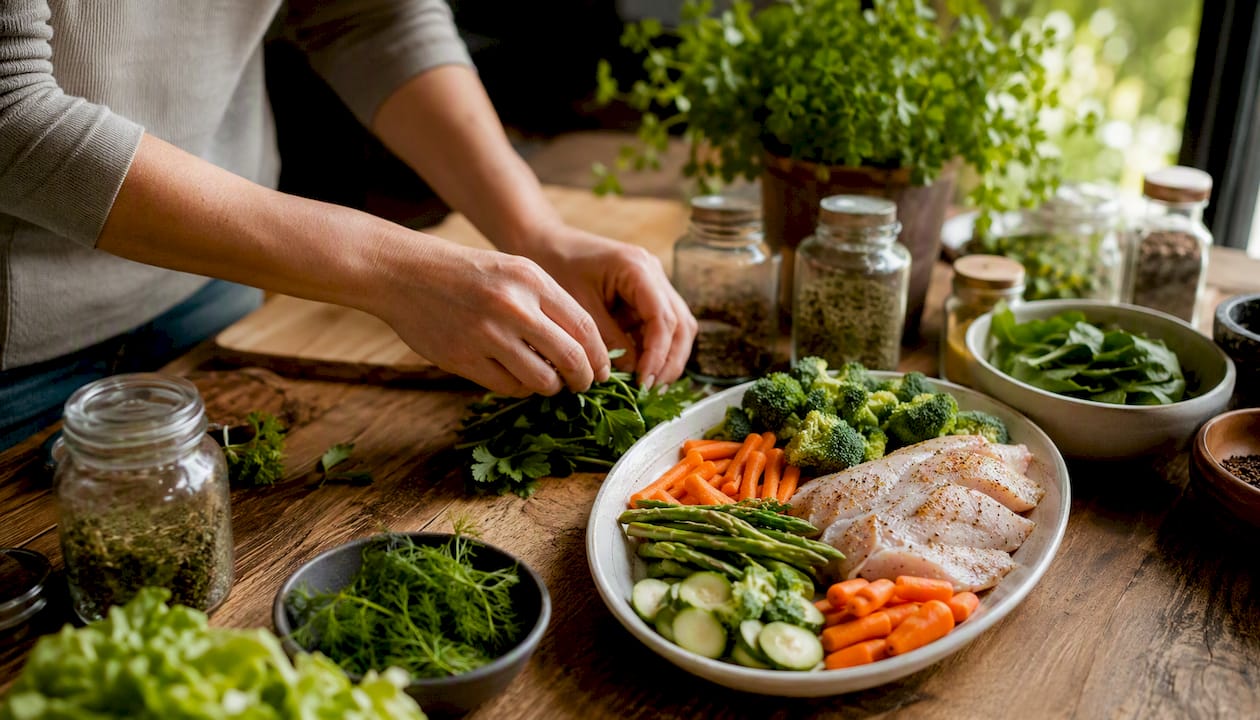
If you remove tomato for longer than a short trial, keep plenty of other colourful fruit and vegetables on your plate.
How do you test whether tomato is your trigger?
- Keep a baseline diary for a week. Our guide on how to keep a food and symptom diary includes a free template.
- Remove all tomato for two to three weeks, including the hidden sources above. Change nothing else if you can.
- Reintroduce fresh tomato first, in a small portion, and watch for 48 hours.
- Then try a concentrated form, such as a tomato pasta sauce, on a separate day.
- Read the pattern. Trouble only with concentrated sauces points towards acidity or portion size. Trouble with every form suggests tomato itself, or a wider histamine or salicylate pattern.
For context on how tomato compares with other everyday triggers, see the most common food intolerances in the UK.
Where hair sample testing fits
When tomato is one of several suspects, testing gives you a starting point for deciding what to remove first. The Core Intolerance Test tests 500 food items, including Tomato and its nightshade relatives Potatoes, Aubergine, Paprika and red, green and yellow Capsicum, plus frequent partners such as Onion, Garlic, Basil and Olive oil. That makes it easier to see whether tomato stands out on its own or sits within a wider group.
If you suspect a salicylate or additive pattern, the Ultimate Intolerance Test tests 1,100 items, adding nutritional items such as Salicylic acid, plus E-numbers and non-food items.
The method is bioresonance, a complementary approach outside mainstream medicine. It is a wellness test, not a medical diagnosis, and it does not test for allergies, coeliac disease or lactose intolerance. You order online, get sampling instructions by email straight away and post 4–5 strands of hair. Your report arrives within 3–5 working days of your sample arriving, or 48 working hours with priority, with high, medium and low response groups, a 6–8 week elimination plan and a printable food diary.
Frequently asked questions
Can you suddenly become intolerant to tomatoes?
Many people notice that a food they ate happily for years starts to disagree with them, often alongside changes in stress, routine or overall diet. A short, complete break from tomato followed by a reintroduction is the clearest way to see whether it is really the trigger.
Are cooked tomatoes easier to tolerate than raw?
It depends on the reason. People who get an itchy mouth from raw tomato often manage cooked tomato better, while people with reflux usually find concentrated cooked sauces worse. Testing fresh and cooked forms on separate days shows which applies to you.
Do tomatoes cause acid reflux?
Tomatoes are acidic and are a common reflux trigger, especially as passata, purée, ketchup or a large late-evening portion. Smaller servings earlier in the day often make a noticeable difference.
If I react to tomatoes, should I avoid all nightshades?
Not automatically. Potatoes, peppers, chillies and aubergine are related to tomato, but many people only react to one of them. Test each one separately rather than cutting out the whole group.
This guide is general wellness information, not medical advice. Our test uses bioresonance, a complementary (CAM) method; it does not diagnose allergies, coeliac disease or any medical condition. Speak to a GP if you have severe or ongoing symptoms.