

You eat a meal, feel fine, then hours later experience bloating, fatigue, or headaches without understanding why. About 20% of UK adults experience symptoms linked to food intolerance, often confusing these delayed reactions with allergies. This guide walks you through a structured method to identify triggers using reliable at-home testing, interpret results with professional support, and prevent reactions through informed dietary changes.
Table of Contents
- Understanding Food Intolerance And Symptoms To Track
- Preparing For Accurate At-Home Food Intolerance Testing
- Collecting And Submitting Your Hair Sample Correctly
- Interpreting Your Results And Professional Consultation
- Implementing Dietary Changes To Prevent Food Intolerance Reactions
- Common Mistakes And Troubleshooting Tips
- Expected Timelines And Outcomes After Testing
- Explore Trusted At-Home Food Intolerance Tests And Support
- Frequently Asked Questions
Key takeaways
| Point | Details |
|---|---|
| Track symptoms meticulously | Maintain a detailed food and symptom diary for at least two weeks before testing to identify patterns and improve test accuracy. |
| Choose accredited UK lab tests | Bio-resonance hair tests processed by ISO-certified laboratories provide reliable results and avoid false positives. |
| Collect samples correctly | Cut hair close to the scalp using clean scissors, avoid washing or styling products 24-48 hours prior, and package dry hair securely. |
| Seek professional interpretation | Consult a registered dietitian before making dietary changes to ensure nutritionally balanced elimination plans. |
| Expect gradual improvement | Symptom relief typically appears within 2-4 weeks of properly implemented elimination diets based on test results. |
Understanding food intolerance and symptoms to track
Food intolerance differs fundamentally from allergies. Symptoms appear hours or even days after eating, not immediately. This delayed onset makes pinpointing triggers challenging without systematic tracking.
Common symptoms include persistent bloating, unexplained fatigue, recurring headaches, skin rashes, and digestive discomfort. Unlike allergies, these reactions do not involve the immune system’s immediate histamine response. Instead, your body struggles to digest specific foods, causing inflammation and diverse symptoms.
Tracking intolerance symptoms requires discipline. Keep a detailed daily diary recording every food consumed, portion sizes, meal times, and any symptoms with their severity and timing. Track for at least two weeks before testing. This baseline data helps correlate test results with real experiences and enhances accuracy.
Recognising delayed symptom onset is crucial. If you experience bloating six hours after lunch or fatigue the morning after dinner, food intolerance may be responsible. Document these patterns precisely. Note environmental factors too, such as stress levels or sleep quality, which can influence symptom intensity.
Key symptoms to monitor include:
- Digestive issues: bloating, gas, diarrhoea, constipation, stomach cramps
- Energy changes: persistent fatigue, brain fog, difficulty concentrating
- Skin reactions: eczema flare-ups, rashes, itching, acne worsening
- Headaches: migraines, tension headaches occurring hours after eating
- Joint pain: unexplained inflammation, stiffness, aching
Preparing for accurate at-home food intolerance testing
Proper preparation determines test reliability. Only accredited UK laboratories using bio-resonance methods provide reliable test results and avoid false positives or unnecessary dietary restrictions. Verify the laboratory holds ISO certification before ordering.
Your symptom diary becomes essential context. Maintain detailed records for at least two weeks prior to testing. This documentation allows you to cross-reference test findings with actual symptom patterns, validating results and identifying the most problematic triggers.
Create a contamination-free workspace for sample collection. Choose a clean, well-lit area away from food preparation zones. Gather all necessary materials beforehand: clean scissors dedicated to this purpose, provided sample envelopes or containers, and clear labelling materials.
Pro Tip: Avoid washing your hair or using styling products, conditioners, or treatments for 24-48 hours before collecting your sample. Chemical residues can interfere with analysis accuracy, potentially causing false readings.
Prepare mentally for the process. Understand that testing identifies sensitivities, not definitive medical diagnoses. Results guide dietary experimentation under professional supervision, not immediate self-prescribed elimination. Set realistic expectations about timelines and outcomes.
Consider your current medications and supplements. Some substances may influence test accuracy. Consult your GP if you take regular medications, though most do not interfere with bio-resonance hair analysis. Document all medications and supplements in your diary for reference during result interpretation.
Essential preparation steps:
- Verify laboratory ISO certification and UK accreditation status
- Complete at least two weeks of detailed symptom and food diary entries
- Designate a clean workspace free from food particles and chemicals
- Gather clean scissors, sample packaging, and labelling materials
- Avoid hair washing and styling products 24-48 hours before sampling
- Document current medications, supplements, and health conditions
Collecting and submitting your hair sample correctly
Proper hair sample collection prevents contamination that can cause inaccurate or inconclusive results. Follow these precise steps to ensure valid analysis.
- Wash and thoroughly dry your hands before beginning. Any food residue or chemicals on your hands can transfer to the sample.
- Use clean, sharp scissors designated solely for this purpose. Avoid scissors used for cutting food, tape, or other materials.
- Cut hair close to the scalp from multiple areas of your head. Collect approximately one tablespoon of hair, cutting small amounts from different spots rather than one large section.
- Place cut hair immediately into the provided envelope or container. Handle hair minimally and avoid touching the cut ends.
- Seal the container securely and label clearly with your name, date of collection, and any reference number provided.
- Complete all required paperwork accurately, including symptom descriptions and medical history information.
- Post via tracked Royal Mail service to the laboratory address within 24 hours of collection for optimal freshness.
Pro Tip: Label your sample envelope with the collection date and your full name immediately after cutting. This prevents mix-ups if multiple household members are testing simultaneously and ensures the laboratory can contact you if queries arise.
Timing matters for posting. Hair samples remain stable for analysis, but prompt submission reduces handling time and accelerates your results. Most UK laboratories deliver results within 48-72 hours of receiving samples. Use first-class or tracked post to avoid delays.

Avoid common collection errors. Never use hair from brushes or shower drains, as these contain environmental contamination. Do not collect samples if you have recently dyed, bleached, or chemically treated your hair within two weeks. Natural, unwashed hair provides the most accurate results.
Store the sealed sample at room temperature away from direct sunlight if you cannot post immediately. Refrigeration is unnecessary and may introduce moisture. Keep samples away from strong-smelling substances like perfumes or cleaning products.
Interpreting your results and professional consultation
Test reports reveal sensitivity levels to over 1,100 food and environmental items. Results typically categorise sensitivities as low, moderate, or high. These categories indicate reaction likelihood and severity, guiding elimination priorities.
Avoid self-prescribing elimination diets based solely on raw results. Test findings require professional interpretation within your broader health context. Consulting a registered dietitian before dietary elimination avoids nutritional imbalances and ensures a balanced approach.
Registered dietitians analyse results against your symptom diary, medical history, and nutritional needs. They identify which sensitivities correlate with your actual symptoms and which may be incidental findings. Not every detected sensitivity requires elimination, especially for essential food groups.
Professional guidance prevents dangerous over-restriction. Eliminating entire food groups without proper planning risks vitamin deficiencies, mineral imbalances, and inadequate protein or fibre intake. Dietitians design nutritionally complete elimination plans with suitable substitutes.
Your consultation should address several key areas. First, correlate test findings with documented symptoms to confirm relevance. Second, prioritise which foods to eliminate based on sensitivity levels and symptom severity. Third, plan nutritionally adequate substitutes for eliminated foods. Fourth, establish a timeline for elimination and structured reintroduction.
Learn to interpret intolerance results using detailed guides that explain sensitivity levels, common trigger patterns, and safe dietary adjustments. Understanding your results empowers informed discussions with healthcare professionals.
Key interpretation considerations:
- High sensitivity items correlate most strongly with symptoms and warrant priority elimination
- Moderate sensitivities may contribute to symptoms and require careful monitoring during elimination
- Low sensitivities often do not require elimination unless symptoms clearly correlate
- Multiple sensitivities within one food family suggest broader intolerance patterns
- Environmental sensitivities may explain symptoms unrelated to diet alone
Implementing dietary changes to prevent food intolerance reactions
Managing symptoms of food intolerance begins with careful elimination. Start by removing identified intolerant foods completely from your diet under dietitian supervision.
- Begin elimination with high-sensitivity items first, removing them completely for the initial trial period.
- Maintain your detailed symptom diary throughout elimination, noting any changes in symptom frequency, severity, or type.
- Continue elimination for at least 2-4 weeks before assessing improvement, as some symptoms take time to resolve.
- After symptom improvement, begin structured reintroduction of one food at a time, waiting 3-4 days between reintroductions.
- Monitor carefully for symptom return during reintroduction, documenting reactions to confirm true intolerances.
- Establish a long-term maintenance diet avoiding confirmed trigger foods while maintaining nutritional balance.
Monitor symptoms closely during the elimination period. Most people notice improvements within 2-4 weeks, though some symptoms resolve faster. Digestive symptoms often improve within days, while skin conditions or headaches may require several weeks.
Gradually reintroduce foods one at a time to confirm tolerance. This systematic approach identifies which foods genuinely trigger symptoms versus incidental test findings. If symptoms return upon reintroduction, that food is likely a true trigger requiring long-term avoidance or moderation.
Avoid overly restrictive approaches. Eliminating too many foods simultaneously risks malnutrition and makes identifying specific triggers impossible. Your dietitian ensures adequate intake of essential nutrients throughout the process.
Maintain dietary balance with these priorities:
- Ensure adequate protein from tolerated sources like fish, poultry, legumes, or eggs
- Include diverse fruits and vegetables to provide essential vitamins and minerals
- Select alternative grains if wheat intolerant, such as rice, quinoa, or gluten-free oats
- Choose calcium sources if dairy intolerant, including fortified plant milks or leafy greens
- Monitor energy levels and adjust portions to maintain healthy weight
Common mistakes and troubleshooting tips
Many people undermine testing accuracy through avoidable errors. Non-accredited kits result in false positives leading to unnecessary restrictions; misinterpretation causes nutritional risks.
Washing hair or using styling products before sampling introduces chemical contamination. These substances interfere with bio-resonance analysis, producing inaccurate sensitivity readings. Always collect unwashed hair 24-48 hours after your last hair care routine.
Incomplete symptom diaries prevent meaningful result interpretation. Without detailed records correlating foods with symptoms, you cannot validate test findings against real experiences. Maintain rigorous daily documentation throughout the entire testing and elimination process.
Self-prescribing elimination diets without professional guidance causes frequent problems. People eliminate essential food groups unnecessarily, develop nutritional deficiencies, or fail to identify true triggers among multiple sensitivities. Professional support ensures safe, effective dietary changes.
Overly restrictive diets worsen outcomes. Eliminating too many foods simultaneously stresses your body, potentially worsening symptoms through inadequate nutrition. Follow structured elimination plans that maintain nutritional adequacy while identifying triggers.
Common mistakes to avoid:
- Choosing non-accredited test providers offering unrealistic promises or unusually cheap prices
- Collecting hair samples from brushes, drains, or areas with environmental contamination
- Washing or treating hair with products immediately before sample collection
- Failing to maintain detailed symptom and food diaries throughout testing and elimination
- Eliminating multiple food groups simultaneously without professional nutritional guidance
- Ignoring symptoms that persist despite elimination, which may indicate other health conditions
“Test accuracy depends entirely on proper sample collection and professional result interpretation. Shortcuts compromise outcomes and waste your time and money.”
Review your food intolerance checklist regularly to ensure you follow all critical steps correctly and avoid common pitfalls that undermine testing effectiveness.
Expected timelines and outcomes after testing
Understanding realistic timelines helps maintain motivation throughout the process. Results typically arrive within 48-72 hours of the laboratory receiving your sample. Some providers offer express services delivering results within 24 hours for urgent cases.
Symptom improvements become noticeable within 2-4 weeks of starting properly designed elimination diets. Digestive symptoms often improve fastest, sometimes within days. Skin conditions, headaches, and fatigue may require several weeks to show significant improvement.
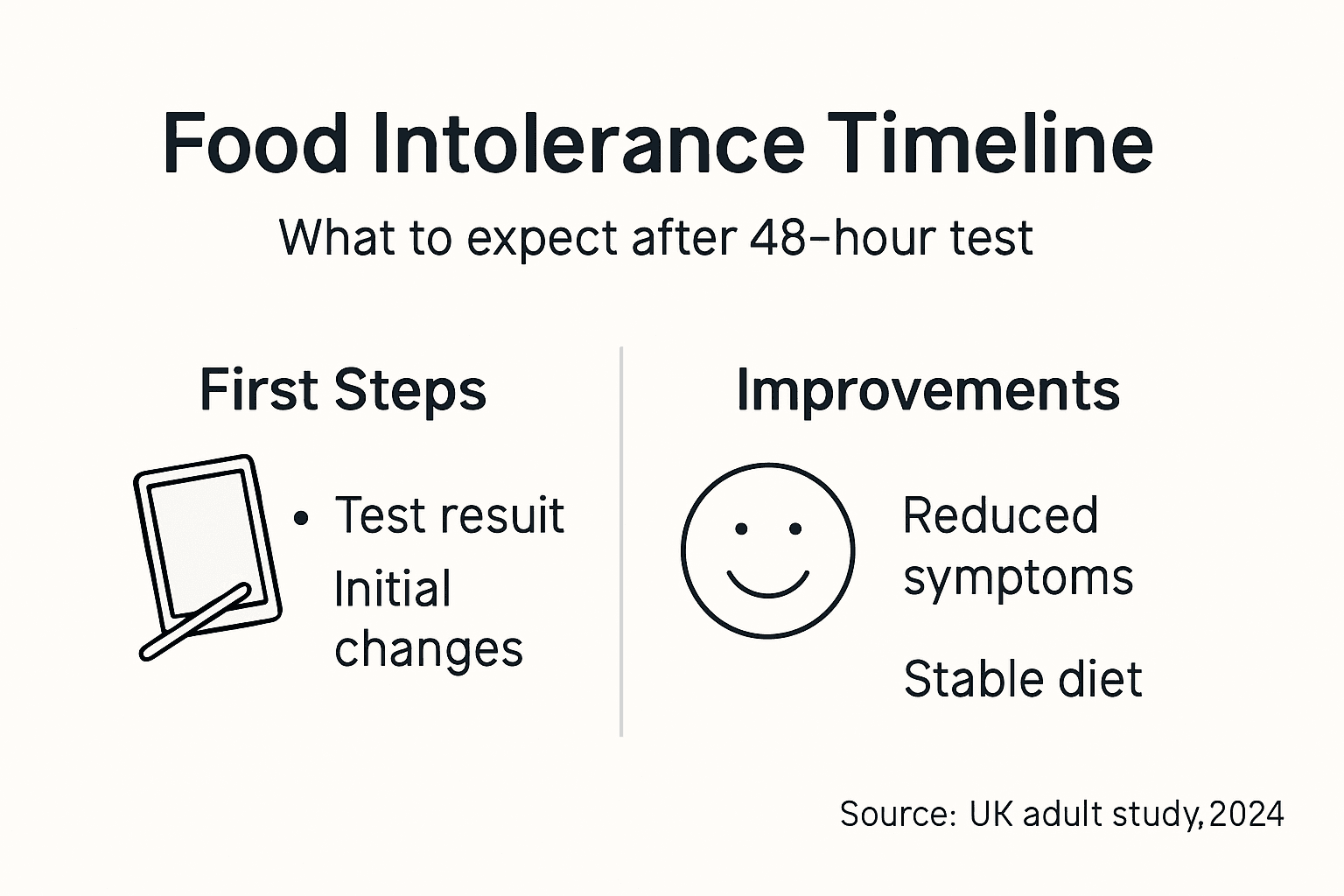
Successful elimination followed by structured reintroduction confirms specific intolerances. This validation phase typically spans 6-8 weeks total, allowing adequate elimination time plus systematic reintroduction of each food group with monitoring periods.
Sustained dietary balance following confirmed elimination enhances overall wellbeing. Most people report reduced inflammation, improved energy levels, better digestion, and clearer skin within three months of identifying and avoiding trigger foods.
| Timeline Stage | Duration | Expected Outcomes |
|---|---|---|
| Sample submission to results | 48-72 hours | Detailed sensitivity report identifying food and environmental triggers |
| Initial elimination phase | 2-4 weeks | Noticeable symptom reduction, improved digestive comfort, increased energy |
| Reintroduction phase | 4-6 weeks | Confirmation of true triggers through systematic food challenges |
| Long-term maintenance | Ongoing | Sustained symptom control, enhanced wellbeing, reduced inflammation |
| Overall process | 8-12 weeks | Complete identification and management of food intolerances |
Some people experience symptom worsening during initial elimination as the body adjusts. This temporary reaction typically resolves within a few days. Consult your dietitian if symptoms persist or worsen significantly.
Long-term success requires ongoing dietary mindfulness. Most intolerances remain stable, though some people develop new sensitivities or find existing ones diminish over time. Periodic retesting every 12-24 months helps adjust your diet as your body changes.
Explore trusted at-home food intolerance tests and support
Taking control of unexplained symptoms starts with reliable testing. Discover comprehensive food intolerance tests processed by accredited UK laboratories, delivering detailed results within 48-72 hours. These bio-resonance hair tests analyse over 1,100 food and environmental items, providing the insights you need to make informed dietary decisions.

Browse the complete range of intolerance testing options designed for various needs and budgets. Whether you choose the comprehensive Ultimate test or the focused Core test, you receive professional laboratory analysis with clear, actionable reports. Convenient home sample collection eliminates clinic visits while maintaining testing accuracy and reliability.
Access detailed guidance to interpret your intolerance results effectively, understanding what sensitivity levels mean and how to prioritise dietary changes safely. These resources complement your professional consultations, ensuring you maximise the value of your test investment and achieve lasting symptom relief.
Frequently asked questions
What makes bio-resonance hair sample tests reliable?
Bio-resonance technology analyses electromagnetic frequencies in hair samples to identify substances your body reacts to negatively. When processed by ISO-certified UK laboratories following standardised protocols, these tests provide consistent, reproducible results. Hair samples contain stable biological information reflecting your body’s recent responses to foods and environmental substances, making them ideal for non-invasive intolerance testing.
How quickly will I see improvements after starting an elimination diet?
Most people notice symptom improvements within 2-4 weeks of properly eliminating trigger foods. Digestive symptoms like bloating and discomfort often improve within days, while skin conditions, headaches, and fatigue may take several weeks to show significant change. Individual timelines vary based on symptom severity, the number of intolerances, and how strictly you follow elimination guidelines under professional supervision.
Can I test if I have both food intolerance and allergy?
Food intolerance tests identify delayed sensitivity reactions but do not diagnose IgE-mediated allergies requiring separate testing. If you experience immediate reactions like throat swelling, breathing difficulty, or rapid hives, consult your GP for allergy testing before intolerance testing. Many people have both conditions simultaneously, requiring different management approaches for each type of reaction.
What should I do if I get unclear test results?
Unclear results often indicate borderline sensitivities requiring careful monitoring rather than immediate elimination. Consult a registered dietitian to interpret ambiguous findings within your symptom context. Continue maintaining detailed symptom diaries while trialling selective elimination of suspected triggers. Some people benefit from retesting after several months to clarify unclear results as their body chemistry changes.
Are hair samples suitable for children and adults alike?
Hair sample testing works effectively for both children and adults, though parental supervision ensures proper collection for younger children. The non-invasive nature makes it ideal for children who might find blood tests distressing. However, always consult your child’s GP or paediatrician before making dietary changes based on test results, as growing children have specific nutritional requirements that must be carefully maintained during elimination diets.










Leave a Reply
Want to join the discussion?Feel free to contribute!