

Everyday meals can become a source of worry when digestive discomfort strikes without warning. Many health-conscious adults across the United Kingdom find themselves searching for ways to pinpoint elusive food intolerances without resorting to costly or invasive options. Understanding the difference between food intolerances and allergies is crucial, as well as recognising the common myths and misconceptions. This guide sheds light on reliable, accessible testing methods and explores practical steps to help you make informed choices for your digestive health.
Table of Contents
- Food Intolerance Testing: Core Concepts And Myths
- Comparing Intolerance Testing Methods In The UK
- How Bio-Resonance Hair Analysis Works
- Practical Benefits For Elimination Diets
- Risks, Limitations, And NHS Guidance
- Alternatives To Intolerance Testing For Dietary Triggers
Key Takeaways
| Point | Details |
|---|---|
| Understanding Intolerances | Food intolerances differ from allergies, requiring accurate diagnostic methods to identify triggers effectively. |
| Elimination Diets | Elimination diets can significantly reduce symptoms and inflammation but need professional guidance for successful implementation. |
| Testing Method Limitations | Many food intolerance tests lack scientific validation, making it crucial to consult healthcare professionals before relying on them. |
| Practical Tracking Alternatives | Keeping a detailed food diary can help identify triggers and is a reliable alternative to testing methods when managed professionally. |
Food intolerance testing: core concepts and myths
Food intolerance testing represents a complex and often misunderstood area of nutritional health, particularly within the United Kingdom. Unlike food allergies, which trigger immediate immune responses, intolerances involve more subtle physiological reactions that can significantly impact an individual’s daily wellbeing. Emerging clinical research highlights the intricate nature of these conditions, emphasising the importance of accurate diagnostic approaches.
Common myths about food intolerances persist, creating confusion among individuals seeking clarity about their digestive health. Here are some critical misconceptions:
- Food intolerance and food allergy are the same thing: They are fundamentally different physiological responses
- All intolerance tests are equally reliable: Many testing methods lack scientific validation
- Symptoms are always immediate and dramatic: Reactions can be delayed and subtle
- Elimination diets are simple: Proper management requires professional guidance
The Food Standards Agency provides crucial insights into this complex field, noting that accurate diagnosis requires comprehensive understanding of an individual’s specific symptoms and potential triggers. Their research underscores the need for evidence-based testing methods that go beyond simplistic, one-size-fits-all approaches.
Professional testing protocols typically involve systematic assessment of potential trigger foods, comprehensive medical history review, and carefully monitored elimination diets. These approaches help distinguish between genuine intolerances and perceived sensitivities, ensuring individuals receive targeted nutritional advice.
Pro tip: Consult a registered nutritionist or healthcare professional before undertaking any comprehensive food intolerance testing to ensure personalised, accurate guidance.
Comparing intolerance testing methods in the UK
Food intolerance testing in the United Kingdom encompasses various methodological approaches, each with unique strengths and limitations. Comprehensive allergen testing methodologies reveal the complexity of identifying potential dietary triggers and sensitivities.
The primary intolerance testing methods currently available in the UK include:
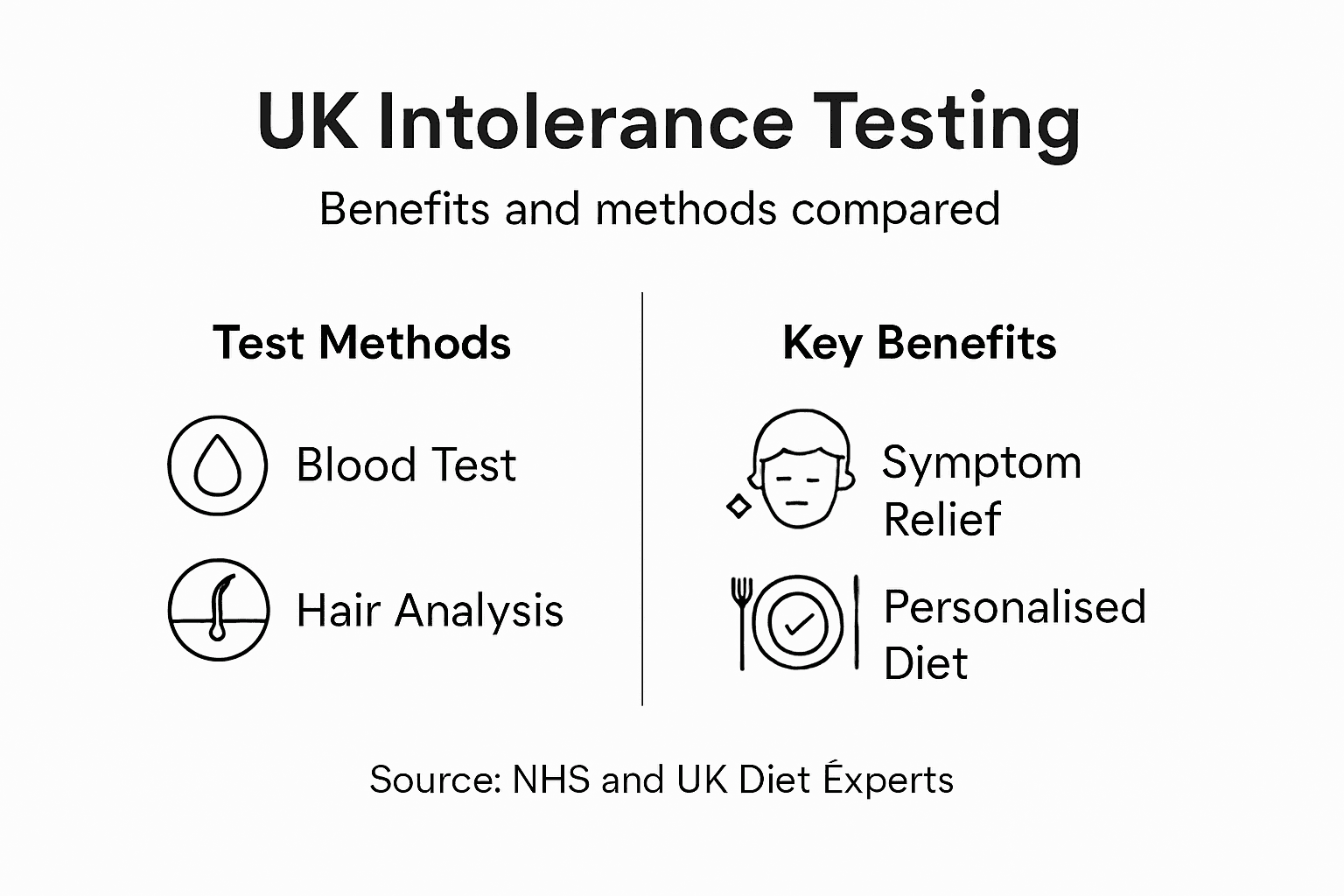
- Blood Tests: Measure immunoglobulin responses
- Hair Follicle Analysis: Non-invasive screening technique
- Elimination Diets: Systematic food removal and reintroduction
- Breath Tests: Specifically used for lactose and fructose intolerances
- Skin Prick Tests: Primarily used for immediate allergic reactions
Each testing method offers distinct advantages and potential drawbacks. Blood tests provide quantitative insights into potential immune responses, while elimination diets offer a comprehensive understanding of individual physiological reactions. The selection of an appropriate testing method depends on an individual’s specific symptoms, medical history, and suspected trigger foods.
Professional healthcare practitioners typically recommend a multifaceted approach, combining different testing techniques to develop a comprehensive understanding of an individual’s potential food intolerances. This approach ensures more accurate diagnosis and personalised nutritional guidance.
Here’s a concise comparison of popular food intolerance testing methods in the UK:
| Method | Key Strength | Notable Limitation | Typical Use Case |
|---|---|---|---|
| Blood Test | Objective data | Can miss non-immune issues | Suspected immune involvement |
| Hair Analysis | Non-invasive | Questionable validity | Broad screening for sensitivities |
| Elimination Diet | Personalised impact | Time-consuming | Chronic digestive symptoms |
| Breath Test | Targeted assessment | Limited to specific sugars | Lactose/fructose intolerance |
| Skin Prick Test | Quick results | Best for allergies | Distinguishing allergy vs intolerance |
Pro tip: Always consult a registered nutritionist or healthcare professional to determine the most suitable intolerance testing method for your specific health needs.
How bio-resonance hair analysis works
Bio-resonance hair analysis represents an innovative, non-invasive approach to understanding individual food intolerances and potential health sensitivities. Understanding bio-resonance testing methods provides insight into a sophisticated diagnostic technique that examines the body’s electromagnetic frequencies through hair sample evaluation.
The key principles of bio-resonance hair analysis involve several critical steps:
- Sample Collection: Obtaining a small hair sample from the client
- Frequency Scanning: Analysing the hair’s electromagnetic signature
- Comparative Analysis: Matching frequencies against known intolerance markers
- Detailed Reporting: Generating comprehensive sensitivity insights
- Personalised Recommendations: Developing targeted dietary guidance
During the analysis process, practitioners use specialised equipment to detect subtle energetic imbalances within the hair sample. This technique operates on the fundamental premise that every substance emits a unique electromagnetic frequency, and variations in these frequencies can indicate potential physiological disruptions or sensitivities.

The methodology differs significantly from traditional medical testing by focusing on the body’s energetic responses rather than direct immunological measurements. While some medical professionals remain sceptical, many individuals report valuable insights from bio-resonance testing that have helped them modify their dietary habits and improve overall wellbeing.
Pro tip: Combine bio-resonance hair analysis results with professional medical advice to develop a comprehensive understanding of your nutritional health.
Practical benefits for elimination diets
Elimination diets have emerged as a powerful strategy for managing various health conditions and identifying potential dietary triggers. Personalized dietary modification strategies offer remarkable potential for reducing inflammation and improving overall digestive health.
The key benefits of elimination diets include:
- Symptom Reduction: Identifying and removing specific food triggers
- Inflammation Management: Decreasing systemic inflammatory responses
- Microbiome Support: Promoting gut health and bacterial balance
- Personalised Nutrition: Developing targeted dietary approaches
- Long-term Wellness: Creating sustainable health improvements
Specifically, elimination diets can provide significant relief for individuals struggling with complex digestive conditions. Research demonstrates their effectiveness in managing multiple gastrointestinal disorders, including irritable bowel syndrome (IBS), Crohn’s disease, and eosinophilic esophagitis. The systematic approach allows individuals to systematically identify and eliminate potential dietary irritants while monitoring their body’s response.
Successful implementation requires careful planning and professional guidance. Functional medicine coaching can help individuals navigate the complexities of food reintroduction, ensuring a structured and supportive approach to identifying potential dietary sensitivities.
For clarity, here’s how elimination diets support gastrointestinal health conditions:
| Condition | Role of Elimination Diet | Expected Benefit |
|---|---|---|
| Irritable Bowel Syndrome | Remove aggravating foods | Reduce pain and bloating |
| Crohn’s Disease | Identify inflammation triggers | Support remission |
| Eosinophilic Esophagitis | Limit immune activation | Improve swallowing, reduce symptoms |
Pro tip: Work closely with a nutritionist to design a personalised elimination diet that addresses your specific health concerns and dietary needs.
Risks, limitations, and NHS guidance
Food intolerance testing presents a complex landscape with potential risks and important considerations for individuals seeking answers about their dietary health. NHS diagnostic guidelines provide crucial insights into the nuanced approach required for responsible testing and management.
Key risks and limitations associated with food intolerance testing include:
- Nutritional Deficiency: Unnecessary dietary restrictions can lead to nutrient imbalances
- Misdiagnosis: Unverified testing methods may produce inaccurate results
- Psychological Impact: Anxiety and stress related to perceived food sensitivities
- Financial Burden: Expensive testing without guaranteed accuracy
- False Positives: Potential identification of non-existent intolerances
The National Health Service emphasises the importance of professional medical guidance when investigating potential food intolerances. Many home testing kits and alternative methods lack scientific validation, potentially leading to unnecessary dietary modifications that could compromise nutritional intake and overall health.
Professional medical practitioners recommend a structured approach to identifying food intolerances, which typically involves:
- Comprehensive medical history assessment
- Systematic symptom tracking
- Carefully monitored elimination diets
- Professional interpretation of test results
- Personalised dietary recommendations
Pro tip: Always consult a registered healthcare professional before making significant dietary changes based on home testing results.
Alternatives to intolerance testing for dietary triggers
Identifying dietary triggers requires a nuanced and carefully structured approach beyond traditional testing methods. Comprehensive diagnostic strategies emphasise the importance of systematic symptom tracking and professional medical guidance.
Effective alternative approaches to identifying dietary triggers include:
- Food Diary Tracking: Detailed documentation of meals and subsequent symptoms
- Elimination Diet Protocols: Systematic removal and reintroduction of potential trigger foods
- Symptom Correlation Analysis: Identifying patterns between dietary intake and physiological responses
- Professional Nutritional Consultation: Expert-guided dietary investigation
- Digital Health Monitoring: Using technology to track dietary interactions
The most reliable alternative method remains the carefully monitored elimination diet, which involves removing suspected trigger foods from one’s diet for a predetermined period and systematically reintroducing them under professional supervision. This approach allows individuals to observe direct correlations between specific foods and their bodily responses without relying solely on clinical testing.
Healthcare professionals recommend a multifaceted approach that combines meticulous symptom tracking, professional guidance, and personalised dietary investigation. This method provides a more holistic understanding of potential dietary sensitivities compared to standalone testing techniques.
Pro tip: Maintain a detailed food and symptom journal for at least four weeks before consulting a nutritionist to provide comprehensive insights into your dietary interactions.
Discover Your True Food Intolerances to Improve UK Wellbeing
Are unexplained digestive issues or persistent inflammation affecting your quality of life? The article highlights the challenges of inaccurate testing methods and the confusion caused by unverified intolerance results. If you are seeking clear, personalised insights into your sensitivities and want to avoid nutritional pitfalls, understanding your body’s unique reactions is essential. Terms like elimination diets and bio-resonance hair analysis show that effective intolerance identification requires reliable and non-invasive approaches.

Take control of your wellbeing today with UK Food Intolerance’s at-home bio-resonance testing services. Choose from our Ultimate Single Intolerance Test or the Core Single Intolerance Test to uncover hidden food and environmental triggers affecting your health. Our simple hair sample collection and UK laboratory analysis deliver fast, detailed digital reports within 48 to 72 hours. Start your journey towards better digestive health by exploring Digestive Health Archives – UK Food Intolerance and unlock personalised nutritional guidance.
Visit UK Food Intolerance now to get tested with confidence and begin your path to lasting symptom relief. For related insights, explore Food Sensitivities Archives – UK Food Intolerance to learn more about managing your diet effectively.
Frequently Asked Questions
What is the difference between food intolerance and food allergy?
Food intolerance involves subtle physiological reactions that can affect well-being, while food allergies trigger immediate immune responses. Understanding this distinction is crucial for accurate diagnosis and treatment.
How reliable are food intolerance tests?
Not all food intolerance tests are equally reliable. Many testing methods lack scientific validation, so it’s important to consult a healthcare professional for accurate assessments and recommendations.
What are the benefits of elimination diets?
Elimination diets help identify and remove specific food triggers, reduce inflammation, support gut health, and provide personalised nutrition, ultimately leading to long-term wellness improvements.
What should I consider before undertaking food intolerance testing?
Consider consulting a registered healthcare professional for guidance, as improper testing can lead to nutritional deficiencies, misdiagnosis, and unnecessary dietary restrictions.










Leave a Reply
Want to join the discussion?Feel free to contribute!