

Around 30% of UK children experience food intolerances, yet many parents mistake chronic symptoms for allergies or dismiss them as phases. These hidden triggers cause digestive distress, fatigue, and skin issues that disrupt daily life. Testing reveals the foods causing harm, enabling dietary changes that restore wellbeing. This guide explains how food intolerance differs from allergies, outlines testing options, and provides actionable strategies to help your child thrive.
Table of Contents
- Understanding Food Intolerance in Children
- Symptoms and Signs of Food Intolerance
- Prevalence and Impact of Intolerances vs Allergies
- Testing Options and Procedures
- Common Misconceptions about Food Intolerance
- Benefits of At-Home Testing
- Practical Strategies for Managing Intolerances
- Implementing Dietary Changes Post-Testing
- Explore Reliable Food Intolerance Testing Solutions
- Frequently Asked Questions
Key Takeaways
| Point | Details |
|---|---|
| Intolerances differ from allergies | Food intolerances stem from digestive enzyme deficiencies, not immune responses, causing delayed symptoms. |
| High prevalence in UK children | Up to 30% of UK children suffer food intolerances compared to just 6% with food allergies. |
| At-home testing offers convenience | Bio-resonance hair sample tests provide non-invasive, rapid results covering over 1,100 food and environmental triggers. |
| Dietary changes improve wellbeing | Over 70% of children experience symptom relief through elimination diets guided by test results. |
| Professional guidance is essential | Combining test insights with healthcare advice ensures safe, balanced nutrition during dietary adjustments. |
Understanding Food Intolerance in Children
Food intolerance occurs when your child’s digestive system struggles to break down certain foods. Unlike allergies, which trigger immune system reactions, intolerances result from enzyme deficiencies or sensitivities in the gut. Symptoms appear hours after eating, making the connection between food and discomfort difficult to spot.
The delayed onset distinguishes intolerances from allergies. When a child with a peanut allergy eats a peanut, symptoms appear within minutes. With lactose intolerance, drinking milk might cause bloating and diarrhoea three hours later. This timing makes parents overlook the food trigger entirely.
Common intolerances include:
- Lactose: inability to digest milk sugar due to lactase enzyme deficiency
- Gluten: sensitivity to wheat protein causing digestive inflammation
- Histamine: difficulty processing this compound in aged cheeses, fermented foods
- Additives: reactions to preservatives, artificial colours, or flavour enhancers
Understanding this digestive basis helps you recognize symptoms and seek appropriate testing. Our guide to food sensitivity walks you through identifying patterns in your child’s reactions. The NHS explains how enzyme deficiencies create these chronic symptoms without involving the immune system.
Symptoms and Signs of Food Intolerance
Food intolerance symptoms range from obvious digestive issues to subtle systemic problems. Recognizing this spectrum helps you connect seemingly unrelated complaints to dietary triggers.
Digestive symptoms appear most frequently:
- Bloating and gas after meals
- Diarrhoea or constipation
- Abdominal cramping and pain
- Nausea without vomiting
Systemic symptoms extend beyond the gut. Allergy UK reports that children may experience fatigue, headaches, skin flare-ups, and even mood changes hours after eating trigger foods. These delayed reactions make identification challenging.

The overlap with other childhood conditions complicates diagnosis. Fatigue could signal poor sleep or anaemia. Skin rashes might seem like eczema. Stomach pain resembles common viruses. Parents often pursue multiple specialist appointments before considering food as the culprit.
Chronic symptoms impact quality of life significantly. Your child might miss school, avoid social activities, or struggle with concentration. Recognizing common intolerance symptoms empowers you to seek testing rather than accepting these issues as normal.
Prevalence and Impact of Intolerances vs Allergies
Food intolerances affect far more children than allergies, yet receive less attention in healthcare settings. Research shows up to 30% of UK children experience food intolerances, while only 6% have diagnosed food allergies.
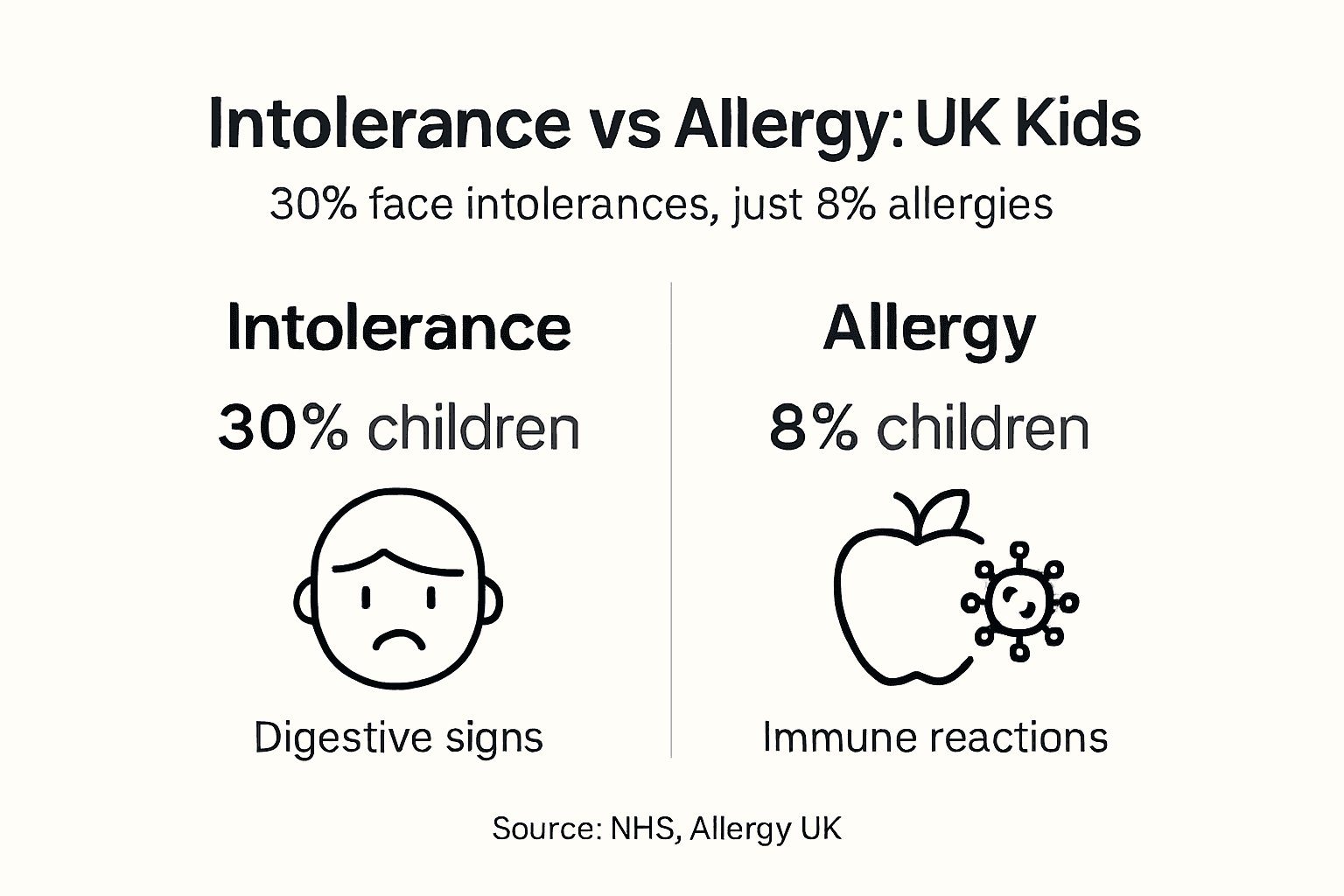
| Condition | Prevalence | Symptom Onset | Primary Impact |
|---|---|---|---|
| Food Intolerance | 20-30% of children | Hours after eating | Chronic digestive issues, fatigue, reduced quality of life |
| Food Allergy | ~6% of children | Minutes after eating | Acute immune reactions, anaphylaxis risk |
This prevalence gap reveals a hidden health burden. While allergies command immediate medical attention due to anaphylaxis risk, intolerances cause recurring symptoms that parents dismiss or tolerate. Children suffer weeks or months of discomfort before anyone considers dietary triggers.
“The chronic nature of intolerance symptoms means children endure ongoing pain, fatigue, and social limitations that significantly impact their development and happiness.”
The cumulative effect matters more than individual episodes. Missing school repeatedly, avoiding birthday parties due to stomach pain, or experiencing constant fatigue shapes childhood negatively. Understanding this intolerance prevalence and impact validates your concerns and justifies pursuing testing.
Testing Options and Procedures
Several testing methods help identify food intolerances, each with distinct procedures, costs, and suitability for different situations. Understanding these options enables informed decisions about your child’s care.
Hospital-based food challenges remain the gold standard for diagnosing food allergies. Clinicians administer small amounts of suspected allergens under medical supervision, monitoring for immediate reactions. However, these challenges focus on immune-mediated allergies, not digestive intolerances.
Bio-resonance hair sample testing offers a non-invasive alternative for intolerances. You collect a small hair sample at home, mail it to a laboratory, and receive digital results within 48-72 hours. These tests analyse responses to over 1,100 food and environmental items, providing comprehensive insights unavailable through clinical testing.
| Method | Procedure | Duration | Cost Range | Best For |
|---|---|---|---|---|
| Hospital Food Challenge | Supervised ingestion of allergens | 4-6 hours per food | NHS-funded or £200-500 private | Suspected allergies with immediate reactions |
| Bio-Resonance Hair Test | Mail hair sample for analysis | 48-72 hours | £60-120 | Non-invasive intolerance screening |
| Elimination Diet | Remove suspected foods, reintroduce systematically | 4-8 weeks | Free (food costs only) | Confirming specific triggers after testing |
You should pursue professional allergy testing if your child experiences immediate reactions like swelling, breathing difficulties, or hives. These symptoms indicate allergies requiring medical management.
Pro Tip: Combine at-home testing results with detailed symptom diaries. Track what your child eats and how they feel throughout the day. This combination provides the clearest picture of food triggers and helps healthcare professionals tailor elimination diets effectively.
Understanding how intolerance tests work demystifies the process and builds confidence in the results. No single test offers perfect accuracy, but combining methods creates a reliable pathway to symptom relief.
Common Misconceptions about Food Intolerance
Several misunderstandings prevent parents from seeking appropriate testing and managing intolerances effectively. Clarifying these myths ensures you make informed decisions about your child’s health.
Many parents confuse intolerances with allergies. Allergies involve IgE antibodies and immediate immune responses that can cause anaphylaxis. Intolerances stem from digestive enzyme deficiencies or sensitivities, producing delayed symptoms without immune involvement. The BDA clarifies that intolerance tests cannot diagnose allergies or predict severe allergic reactions.
Common misconceptions include:
- “My child would know immediately if a food caused problems”: Intolerance symptoms appear hours later, obscuring the connection between food and discomfort.
- “At-home tests are unreliable”: When combined with professional guidance and symptom tracking, bio-resonance tests provide valuable screening insights.
- “Intolerances are just digestive issues”: Systemic symptoms like fatigue, headaches, and skin problems often result from food triggers.
- “If tests show an intolerance, my child can never eat that food again”: Many children tolerate small amounts or regain tolerance after gut healing.
- “Only severe symptoms warrant testing”: Chronic mild symptoms significantly impact quality of life and deserve investigation.
Understanding these distinctions prevents harmful self-management. Never eliminate major food groups without professional support, as this risks nutritional deficiencies. Interpreting test results properly requires considering symptoms, dietary patterns, and nutritional needs together.
Benefits of At-Home Testing
At-home bio-resonance testing offers practical advantages that make intolerance identification accessible for busy families. These benefits address common barriers to seeking professional diagnosis.
Non-invasive sample collection eliminates stress for children. You simply snip a small hair sample at home, avoiding needles, blood draws, or clinical appointments. This comfort factor particularly helps anxious children or those with needle phobias.
Rapid turnaround delivers answers when you need them. Traditional testing requires scheduling appointments, waiting for referrals, and attending multiple visits over weeks or months. Hair sample tests provide comprehensive results within 48-72 hours, enabling faster dietary interventions.
Key advantages include:
- Comprehensive coverage: Tests analyse responses to over 1,100 food and environmental items simultaneously
- Cost effectiveness: Prices range from £60-120 compared to £200-500 for private clinical testing
- Convenience: No travel, parking, or time off work required for appointments
- Privacy: Results arrive digitally, allowing you to review and discuss them privately
- Baseline screening: Identifies patterns for targeted elimination diets before committing to extensive clinical testing
At-home tests serve as valuable screening tools when combined with medical advice. They help narrow down trigger foods before pursuing expensive or invasive clinical procedures.
Pro Tip: Start a food and symptom diary one week before testing. Continue it after receiving results to track improvements during elimination phases. This documentation validates the test findings and helps healthcare professionals tailor recommendations to your child’s specific patterns.
Practical Strategies for Managing Intolerances
Effective intolerance management requires systematic tracking, careful dietary changes, and professional support. These strategies help you translate test results into meaningful symptom relief.
-
Track symptoms and food intake daily: Record everything your child eats, portion sizes, and any symptoms with timing. Use a notebook or smartphone app. Patterns emerge within 2-3 weeks, revealing connections between foods and discomfort.
-
Implement phased elimination diets: Remove identified trigger foods gradually, not all at once. Start with the highest-scoring items from test results. Allow 2-3 weeks per food to assess symptom changes. This phased approach prevents overwhelming dietary restrictions.
-
Consult registered dietitians: Professional guidance ensures your child receives adequate nutrition during elimination phases. Dietitians suggest suitable replacements, preventing calcium, protein, or vitamin deficiencies when removing major food groups.
-
Support your child emotionally: Dietary changes feel isolating, especially during social events. Involve your child in meal planning, teach them to advocate for their needs, and prepare safe alternatives for parties and school lunches.
-
Monitor ongoing responses: Reassess symptoms monthly. Some intolerances improve with gut healing, allowing reintroduction of previously problematic foods in small amounts. Keep communication open with healthcare providers about progress.
The practical parental guide provides detailed worksheets for tracking symptoms and planning eliminations. Research confirms that keeping detailed food and symptom records improves management outcomes and helps healthcare professionals tailor interventions effectively.
Implementing Dietary Changes Post-Testing
Applying test insights through targeted dietary modifications produces measurable improvements in symptoms and overall quality of life. Understanding expected outcomes helps you maintain consistency through the adjustment period.
Dietary modifications based on intolerance results reduce primary symptoms significantly. Parents report decreased bloating, normalized bowel movements, reduced abdominal pain, and improved energy levels within 2-4 weeks of eliminating trigger foods.
Studies indicate over 70% of children experience symptom improvement following elimination diets guided by intolerance testing. This success rate exceeds trial-and-error approaches that randomly remove foods without testing guidance.
Expected benefits include:
- Reduced digestive symptoms: Less bloating, pain, diarrhoea, and constipation
- Increased energy: Improved sleep quality and daytime alertness
- Clearer skin: Reduction in eczema flare-ups, rashes, or acne
- Better mood: Decreased irritability and improved concentration
- Fewer sick days: Reduced school absences and healthcare visits
Ongoing symptom monitoring remains essential. Your child’s tolerance may change as their digestive system matures. Some foods cause problems temporarily due to gut inflammation but become tolerable after healing occurs. Regular reassessment prevents unnecessarily restrictive diets.
Successful implementation requires balancing restriction with nutrition. Never eliminate major food groups without professional support. Removing dairy requires calcium alternatives. Avoiding gluten demands adequate fibre sources. A registered dietitian helps navigate these nutritional considerations while maximizing symptom relief.
The post-test dietary changes guide walks you through safe elimination phases, reintroduction protocols, and troubleshooting persistent symptoms despite dietary modifications.
Explore Reliable Food Intolerance Testing Solutions
Taking action starts with accessing trusted testing options designed for families seeking answers. Our specialized food intolerance tests provide the insights you need to begin your child’s journey toward better wellbeing.

Order convenient at-home test kits that deliver comprehensive results within 48-72 hours. Our laboratory analyses hair samples against over 1,100 food and environmental items, identifying the specific triggers affecting your child. Detailed digital reports explain findings clearly, enabling confident dietary decisions.
Explore our comprehensive intolerance tests to find the right option for your family’s needs and budget. Each test includes expert guidance on interpreting results and implementing elimination diets safely. Discover how ordering at-home intolerance tests provides the convenient, reliable screening UK families trust.
Frequently Asked Questions
How is food intolerance testing different from allergy testing?
Allergy testing identifies immediate immune reactions involving IgE antibodies and measures responses through blood tests or skin pricks. Intolerance testing screens for delayed digestive sensitivities caused by enzyme deficiencies, not immune responses. The methods, timeframes, and symptom patterns differ completely between these two conditions.
Can I rely solely on at-home tests to diagnose my child’s intolerance?
At-home tests provide valuable screening insights but work best when combined with symptom tracking and professional guidance. Use results to guide elimination diets, then work with a dietitian or GP to ensure nutritional balance and confirm symptom improvement. Tests identify potential triggers, but clinical observation validates the connections.
How soon will my child feel better after dietary changes?
Most children notice digestive improvements within 2-3 weeks of eliminating trigger foods. Systemic symptoms like fatigue or skin issues may take 4-6 weeks to resolve as inflammation decreases. Individual responses vary based on sensitivity severity and how strictly you maintain elimination.
What should I do if my child has severe reactions after eating?
Seek immediate medical attention for breathing difficulties, facial swelling, hives, or loss of consciousness, as these indicate allergic reactions requiring emergency care. Keep prescribed adrenaline auto-injectors accessible if your child has diagnosed allergies. Intolerances cause delayed discomfort, not acute emergencies.
Are all food intolerance symptoms reversible with diet?
Most symptoms improve significantly or resolve completely with proper elimination diets and gut healing. Some children regain tolerance to previously problematic foods over time. However, certain enzyme deficiencies like lactase deficiency may remain lifelong, requiring ongoing dietary management. Regular reassessment determines whether foods can be safely reintroduced.










Leave a Reply
Want to join the discussion?Feel free to contribute!