

TL;DR:
- Hair sample analysis provides a retrospective view of long-term mineral and toxin exposure over several months but cannot diagnose immediate deficiencies or sensitivities. While useful for monitoring environmental heavy metals and mineral trends, it carries risks of false positives and external contamination, requiring careful interpretation alongside clinical advice. Using it as part of a broader health plan, including GP consultation and guided elimination diets, ensures more reliable and balanced health management.
Thousands of people across the UK are living with bloating, fatigue, skin complaints, and other unexplained symptoms, cycling through appointments and elimination diets with little clarity. Hair sample analysis has grown quietly popular as a non-invasive first step, promising insights into food sensitivities and environmental intolerances without needles or clinic visits. But the reality is more nuanced than many expect. This article cuts through the noise, explaining exactly what hair sample analysis can and cannot do, so you can make a genuinely informed decision about whether it belongs in your health toolkit.
Table of Contents
- What is hair sample analysis and how does it work?
- The strengths and limitations of hair sample analysis
- Hair sample analysis for food and environmental intolerances: evidence, risks and expert opinions
- Deciding if hair sample analysis is right for you: making an informed choice
- A realistic perspective: what most guides don’t tell you about hair sample analysis
- How UK Food Intolerance supports your wellbeing journey
- Frequently asked questions
Key Takeaways
| Point | Details |
|---|---|
| Long-term exposure insight | Hair sample analysis reveals months-long trends in mineral and heavy metal exposure. |
| Useful but not diagnostic | Hair tests show chronic patterns but are not reliable for spotting deficiencies or acute food intolerances. |
| GP guidance crucial | Always consult a healthcare professional before acting on hair test results or changing your diet. |
| Check scientific support | Be wary of bioresonance and claims lacking peer-reviewed evidence when interpreting hair analysis for intolerances. |
What is hair sample analysis and how does it work?
Hair sample analysis, often called HMA or HTMA (hair tissue mineral analysis), is a testing method that examines a small sample of your hair to identify what substances your body has been exposed to over time. It is non-invasive, which makes it particularly appealing if you are already exhausted by the idea of blood draws or repeat GP appointments.
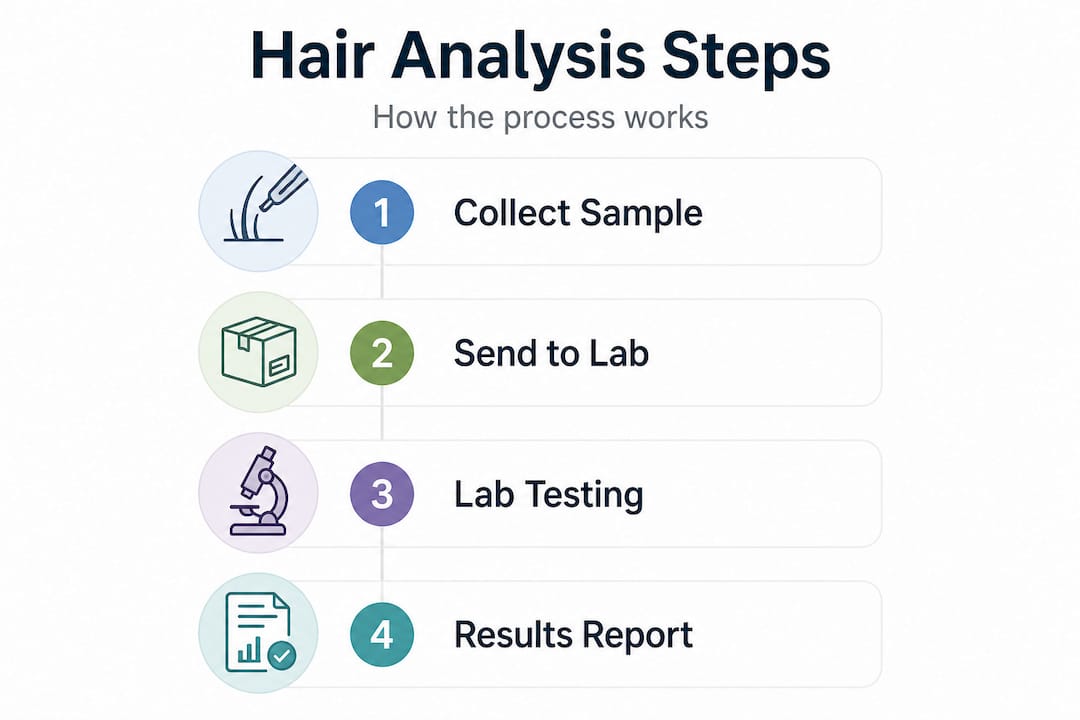
The laboratory process is more involved than simply looking at a strand under a microscope. According to current methods, hair mineral analysis uses highly sensitive techniques called ICP-MS (inductively coupled plasma mass spectrometry) or ICP-OES (inductively coupled plasma optical emission spectrometry) after microwave digestion and washing. These processes break down the hair sample to measure both essential minerals, such as calcium, magnesium, and zinc, and toxic heavy metals, including lead, mercury, and arsenic.
One key thing to understand about this process: the results reflect approximately 3 to 4 months of exposure, not what is happening in your body right now. Hair grows slowly, and the minerals and metals deposited in each section of a strand represent a cumulative picture of that period. Think of it less like a photograph and more like a short film of your body’s recent history.
Here is a quick overview of what HMA typically measures:
| Category | Examples |
|---|---|
| Essential minerals | Calcium, magnesium, zinc, iron, selenium |
| Electrolytes | Sodium, potassium |
| Toxic heavy metals | Lead, mercury, arsenic, cadmium |
| Ratios | Calcium to magnesium, zinc to copper |
What hair analysis measures:
- Long-term mineral status and balance
- Chronic exposure to environmental toxins
- Potential heavy metal accumulation
- Mineral ratios that may indicate metabolic patterns
“Hair mineral analysis provides a retrospective window into your body’s mineral and toxin exposure. It is most useful when interpreted alongside other clinical data, not as a standalone diagnosis.”
If you are curious about how this compares to other non-invasive approaches, our at-home sensitivity guide walks through what different home testing methods actually involve.
The strengths and limitations of hair sample analysis
Understanding the scientific strengths and weaknesses of hair sample analysis is crucial before making any health decisions based on results.
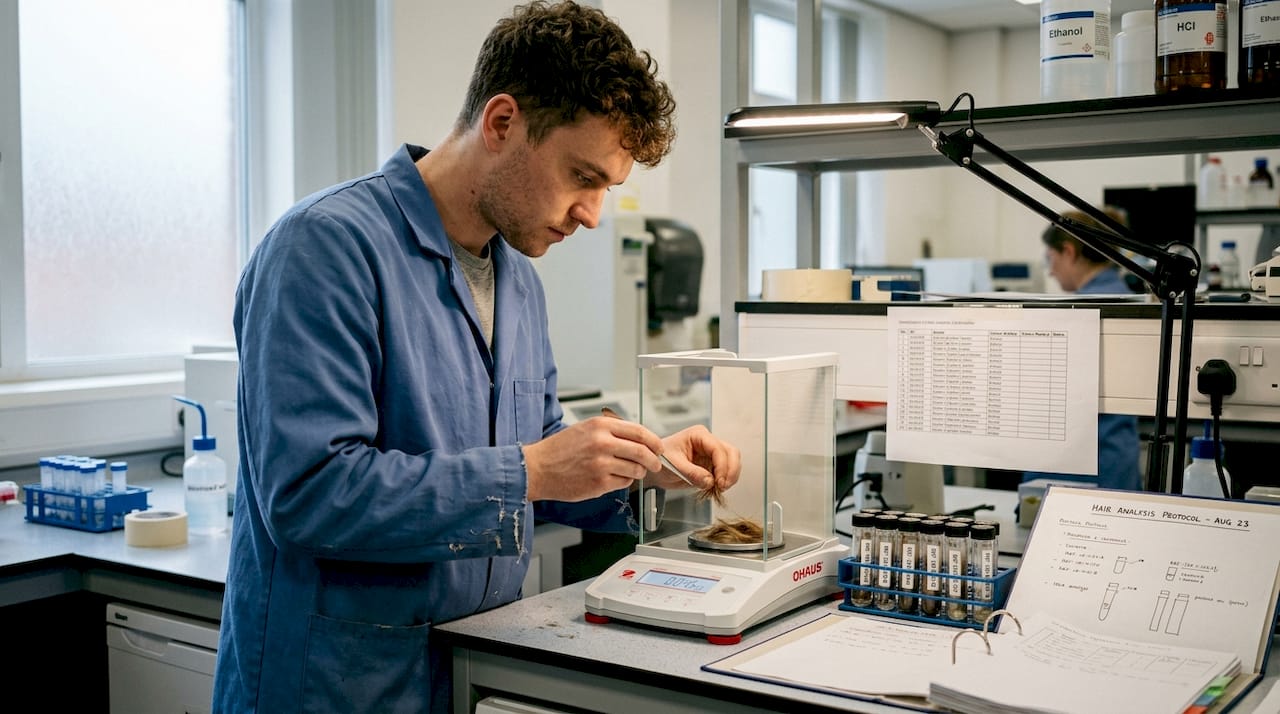
Research confirms that HMA shows poor correlation with blood mineral levels but does provide reliable long-term exposure trends. This means it is genuinely useful for tracking heavy metal exposure over time, but you should not rely on it alone to diagnose a mineral deficiency. A low zinc reading in your hair does not automatically mean your blood zinc is low today.
Separate research confirms that HMA may identify environmental heavy metal exposure contributing to health issues, making it a valuable complement to blood tests for chronic monitoring, without the need for an invasive procedure. This is a meaningful distinction. The two methods work differently and measure different things.
Where HMA performs well:
- Chronic heavy metal exposure: If you have had long-term exposure to environmental toxins through work, location, or diet, HMA captures that pattern over months rather than a single moment.
- Mineral trend monitoring: Tracking how mineral levels shift over time, particularly during dietary changes, is something HMA is well suited for.
- Non-invasive convenience: For people who struggle with clinical settings or needle anxiety, collecting a hair sample at home is genuinely less stressful.
- Complementary data: When used alongside GP consultations and blood tests, HMA adds a useful layer of information.
Where HMA falls short:
- It cannot reliably measure what your blood or tissue levels look like right now.
- It is not designed to diagnose specific nutrient deficiencies in isolation.
- External contamination from shampoos, hair treatments, and environmental dust can affect results.
- It does not offer a snapshot view, which is what some acute health concerns require.
| Test type | Best for | Timeframe measured | Invasiveness |
|---|---|---|---|
| Hair mineral analysis (HMA) | Chronic exposure, toxin tracking | 3 to 4 months | None |
| Blood test | Immediate deficiency, acute issues | Present moment | Moderate |
| Urine test | Kidney function, short-term exposure | Hours to days | Low |
Pro Tip: If your GP has already run blood tests that came back normal but you are still experiencing symptoms, HMA can be a sensible next step to look at a longer timeline. Bring your HMA results to your next GP appointment for context.
Understanding why hair samples matter for intolerance testing provides more context on this, especially if you are weighing up your options. You can also explore food intolerance insights to see how hair testing fits within a broader picture of sensitivity identification.
Hair sample analysis for food and environmental intolerances: evidence, risks and expert opinions
After discussing the science, it is worth focusing specifically on claims and risks around using hair tests for intolerances in the UK, because this is where the evidence becomes more contested.
Many hair intolerance tests available online claim to detect reactions to hundreds of foods and environmental triggers, from gluten and dairy through to pet dander and grass pollen. The appeal is clear: no needles, results from home, and a long list of potential triggers to work with. For someone who has been unwell for months without a clear answer, this feels like progress.
However, experts urge genuine caution here. Evidence shows that hair intolerance tests offer non-invasive convenience but carry the risk of false positives, which can lead to unnecessary dietary restrictions. Removing multiple food groups from your diet without proper guidance is not without consequences: it can lead to nutritional gaps, social difficulty around eating, and an unhelpful relationship with food.
What you need to know about these tests:
- Many home intolerance tests for food sensitivities use technology called bioresonance, rather than the ICP-MS lab process described above.
- Bioresonance claims to detect metabolic information in a hair sample by analysing frequencies.
- Critics and researchers note there is no peer-reviewed evidence supporting these claims, and the underlying quantum physics arguments are widely considered pseudoscientific.
- A positive result for a food sensitivity on a bioresonance test does not confirm a true physiological intolerance.
This does not mean these tests are without value for all users. Many people find that having a structured list of potential triggers gives them a practical framework to begin an elimination diet, which means systematically removing and reintroducing suspect foods to observe symptoms. Used this way, as a starting point rather than a final answer, a sensitivity test can be genuinely useful.
The risks to watch for:
- Acting on results without GP consultation
- Removing entire food groups based on a single test
- Using results as a substitute for clinical investigation of serious symptoms
- Spending money repeatedly on tests without implementing guided dietary changes
Pro Tip: Treat a food sensitivity test result the way you would treat a weather forecast. It gives you useful information to plan around, but you would not cancel your holiday based on a forecast alone. Use it as one input among several.
Understanding what sensitivity tests detect helps clarify the distinction between intolerance tests and allergy diagnosis. For context on how these tests fit within the broader UK health landscape, the role in UK healthcare guide is worth reading.
Deciding if hair sample analysis is right for you: making an informed choice
Now that you are informed about opportunities and limitations, here is how you can decide if and when hair sample analysis fits your personal health journey.
Hair analysis works best for people who:
- Have experienced chronic, unexplained symptoms such as fatigue, brain fog, digestive discomfort, or persistent skin issues for months or longer
- Have already had standard blood tests with no clear outcome
- Want a non-invasive way to gather additional health data from home
- Are looking for a starting framework to guide an elimination diet
Steps to take before and after your test:
- Speak to your GP first. Experts are clear that GP consultation before acting on hair intolerance results is the responsible approach. Rule out any conditions that require immediate medical attention.
- Choose a reputable provider. Look for tests that clearly describe their methodology, laboratory processes, and what the results represent.
- Receive your results and review them carefully. A detailed digital report is more useful than a simple list of red flags.
- Do not make drastic dietary changes immediately. An elimination diet is most effective when guided by a nutritionist or dietitian alongside your test results.
- Follow up with your GP. Share the results as part of an ongoing conversation rather than treating them as a standalone diagnosis.
“Hair sample analysis is a tool, not a verdict. Its value comes from how it is used within a wider plan, not from the results alone.”
Common pitfalls to avoid:
- Treating a hair test result as definitive without further investigation
- Eliminating multiple foods simultaneously without tracking changes
- Assuming a negative result means there are no intolerances present
- Skipping GP consultation because the test seems straightforward
If you are considering a home test, preparing properly makes a real difference. Our preparing for home intolerance test guide walks through the practical steps before and after testing to help you get the most from the process.
A realistic perspective: what most guides don’t tell you about hair sample analysis
With the facts and guidance laid out, a dose of real-world experience may help you make more balanced choices. And this is where we want to be honest with you, even if it means saying things that go against popular marketing messages.
Hair sample analysis is not a magic answer. We see many people arrive at testing having tried everything else, hoping for a definitive list of foods to avoid. But health rarely works that way. A test result, however detailed, is the beginning of a process, not the end of one.
The most common mistake people make is acting too rigidly on test results. Someone sees a sensitivity flagged for wheat, dairy, and soya, eliminates all three simultaneously, feels slightly better, and concludes all three were the problem. But they have no way of knowing which item, if any, actually made the difference. This is why a proper elimination diet, reintroducing one food at a time, matters so much.
We also want to address the people who feel dismissed by their GP before they even get to testing. Unexplained symptoms are genuinely frustrating, and it is understandable to seek answers wherever they seem available. But persistent, respectful engagement with your GP remains the most reliable route to ruling out serious underlying conditions. Hair analysis works as part of a multi-step plan, not as a shortcut around medical care.
The most empowering thing you can do is take an evidence-first approach. Use a sensitivity test to generate useful questions. Take those questions to your GP. Work with a dietitian to implement changes methodically. This combination, curiosity plus clinical input plus structured dietary change, tends to produce far better outcomes than any single test can achieve alone. Our comprehensive testing and wellbeing approach reflects exactly this philosophy.
How UK Food Intolerance supports your wellbeing journey
Practical support is crucial for those considering next steps after learning about hair sample analysis.
If you are ready to take action, UK Food Intolerance offers two clear at-home options. The Core Single Intolerance Test screens 500 items, giving you a solid foundation to begin guided dietary changes. The Ultimate Single Intolerance Test covers over 1,100 food and environmental items for the most thorough picture available from a hair sample. Both deliver detailed digital reports within 48 to 72 hours.
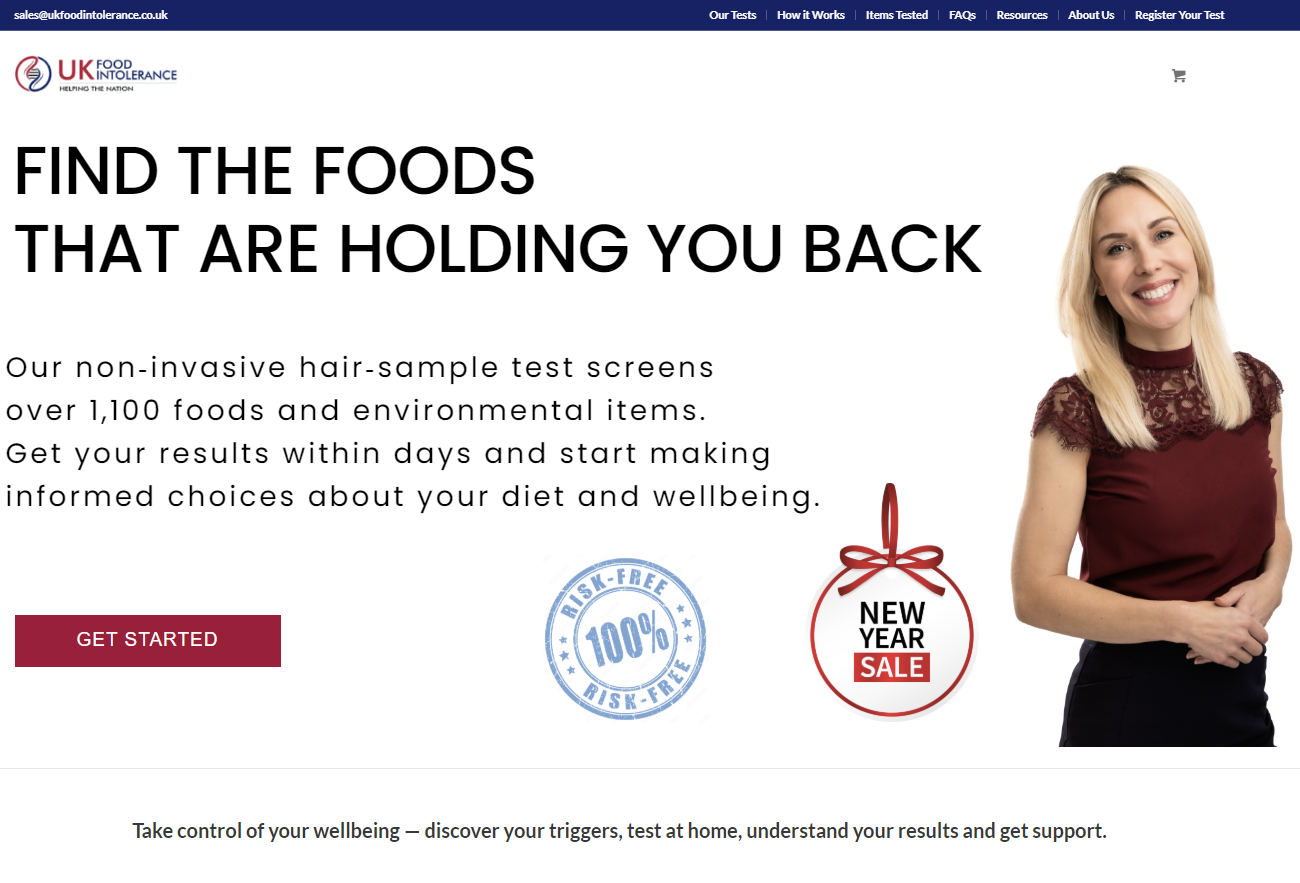
Explore our full range of intolerance tests to find the option that suits your situation. Not sure which test fits your needs? Our our tests page clearly outlines what each product covers. For those who want to understand the science behind our approach, the bioresonance research section provides detailed background. Whatever your starting point, we are here to support you every step of the way.
Frequently asked questions
What can a hair sample actually tell you about your health?
A hair sample can show long-term exposure to minerals and heavy metals over approximately 3 to 4 months, but research confirms it shows poor correlation with blood mineral levels and is not a direct diagnostic tool for nutrient deficiencies or immediate food intolerances.
Are hair sample intolerance tests accurate?
They are convenient and can serve as a useful starting point, but hair intolerance tests risk false positives that may lead to unnecessary dietary restrictions, which is why GP consultation before acting on results is strongly advised.
What is bioresonance in hair analysis?
Bioresonance testing claims to detect metabolic information from hair using frequencies, but critics note no peer-reviewed evidence supports these claims and the underlying scientific arguments are widely considered pseudoscientific.
Should I see my GP before or after a hair sample test?
Experts clearly advise that GP consultation before acting on any hair sample results is essential, particularly before making significant dietary changes based solely on test findings.










Leave a Reply
Want to join the discussion?Feel free to contribute!