

When your child keeps complaining of a sore tummy, seems constantly tired, or misses school more than their classmates, it is easy to assume they are just picking up bugs. But for many families across the UK, the real culprit is something far more everyday: the food on their plate. This guide walks you through everything you need to know about food intolerance in children, from spotting the earliest signs to building a diet that keeps your child healthy, happy, and thriving.
Table of Contents
- What is food intolerance and how does it affect children?
- How to spot the signs of food intolerance in your child
- Which foods are common triggers?
- How is food intolerance diagnosed in children?
- Managing food intolerance: How to keep your child healthy
- What to expect: Tracking progress and troubleshooting
- Get expert help and tailored solutions for your child’s needs
- Frequently asked questions
Key Takeaways
| Point | Details |
|---|---|
| Not all symptoms are allergies | Food intolerances often show up as delayed digestive or wellbeing problems rather than life-threatening reactions. |
| Diagnosis needs a professional touch | Properly identifying food intolerance should involve your GP, a dietitian, and medically supported tools—not just home tests. |
| Most triggers are common foods | Dairy, gluten, and other everyday foods are typical causes, so always check labels and be aware of less obvious sources. |
| Safe diets support healthy growth | With expert advice and the right swaps, your child can thrive even with food intolerance. |
| Keep checking and adjusting | Track your child’s progress and seek fresh advice if symptoms persist or you’re unsure. |
What is food intolerance and how does it affect children?
Food intolerance is not the same as a food allergy, and that distinction matters enormously. Food intolerance is caused by the body’s inability to digest certain foods, primarily due to enzyme deficiencies, leading to digestive symptoms. The most well-known example is lactose intolerance, where the body lacks enough of the enzyme lactase to break down the sugar found in dairy products.
Unlike allergies, food intolerances do not involve the immune system and are not life-threatening. There is no risk of anaphylaxis. However, that does not mean they are trivial. Persistent symptoms can affect your child’s mood, concentration, school attendance, and ability to take part in sports or social activities.
The symptoms of food intolerance in children typically include:
- Diarrhoea or loose stools
- Bloating and tummy pain
- Excessive wind
- Nausea
- Headaches
- Persistent tiredness
One of the trickiest aspects is timing. Symptoms can appear several hours after eating the trigger food, making it genuinely difficult to connect the dots. A child who eats pasta at lunch might not feel unwell until bedtime, which is why so many cases go unrecognised for months or even years. Understanding food intolerance and wellbeing in children is the first step towards getting real answers.
| Feature | Food intolerance | Food allergy |
|---|---|---|
| Immune system involved | No | Yes |
| Onset of symptoms | Delayed (hours) | Rapid (minutes) |
| Life-threatening | No | Potentially yes |
| Symptoms | Mainly digestive | Digestive, skin, respiratory |
| Severity | Mild to moderate | Mild to severe |
How to spot the signs of food intolerance in your child
Recognising food intolerance in children is harder than it sounds. Symptoms are delayed and can mimic other common childhood illnesses, from irritable bowel complaints to recurring headaches. This is why careful observation over time is so much more useful than a single visit to the GP.
Here are the five most telling signs to watch for:
- Recurring tummy aches that have no clear medical cause
- Loose stools or diarrhoea that comes and goes without an obvious infection
- Bloating after meals, particularly after bread, dairy, or fruit
- Unexplained tiredness or low energy, especially in the afternoon
- Irritability or mood changes that seem linked to mealtimes
Emotional and behavioural clues are often overlooked. A child who becomes grumpy after lunch or struggles to sleep might be reacting to something they ate, not simply being difficult. Sleep disruption caused by digestive discomfort is more common than most parents realise.
“Because intolerance symptoms so closely resemble other childhood conditions, early identification via symptom tracking significantly improves a child’s wellbeing and quality of life.”
The most practical tool you have is a food and symptom diary. Spend two weeks tracking intolerances by writing down everything your child eats, the time they eat it, and any symptoms that follow. Note mood changes, sleep quality, and energy levels too, not just digestive complaints.

Pro Tip: Record symptoms even when they seem unrelated to food. Headaches, skin flare-ups, and poor concentration can all be part of the picture, and patterns only emerge when you capture the full story.
That said, do not jump to conclusions based on a diary alone. Supporting your child through this process means staying observant without unnecessarily restricting their diet before you have proper guidance.
Which foods are common triggers?
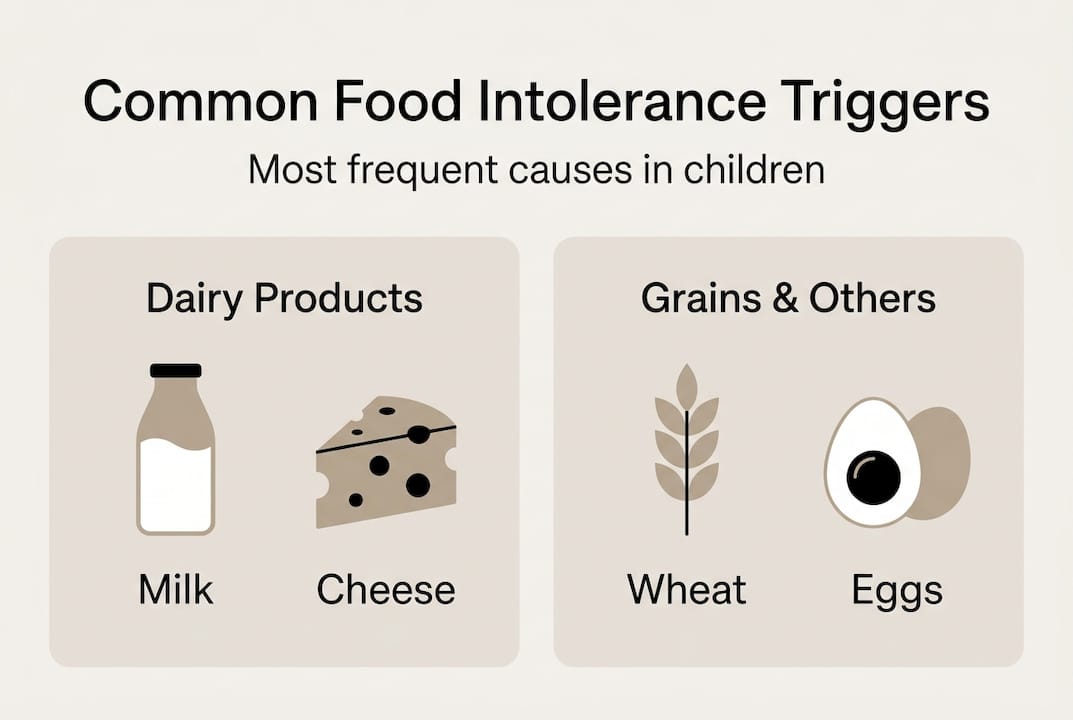
Once you know what to look for, it helps to understand which foods are most likely to be causing problems. Common triggers include lactose, gluten, histamine, and caffeine, and managing them requires avoiding or reducing these foods to prevent nutritional deficiencies.
| Trigger food | Common sources | Typical symptoms | Possible substitutes |
|---|---|---|---|
| Lactose (dairy) | Milk, cheese, yoghurt | Bloating, diarrhoea, cramps | Oat milk, lactose-free dairy |
| Gluten | Bread, pasta, cereals | Tummy pain, fatigue, loose stools | Rice, quinoa, gluten-free bread |
| Histamine | Tomatoes, strawberries, wine | Headaches, skin flushing, nausea | Fresh low-histamine fruits |
| Caffeine | Cola, chocolate, energy drinks | Headaches, restlessness, poor sleep | Herbal drinks, carob |
What surprises many parents is how well these triggers hide in processed foods. Gluten appears in soy sauce, stock cubes, and many ready meals. Lactose turns up in crisps, biscuits, and some medications. Hidden sources to watch out for include:
- Lactose: Processed meats, margarine, salad dressings
- Gluten: Soups, sauces, flavoured crisps
- Histamine: Tinned fish, fermented foods, aged cheeses
- Caffeine: Chocolate-flavoured cereals, some herbal teas
Always read ingredient labels carefully, and consider checking the nutrient checklist to make sure your child is not missing key vitamins and minerals when you cut out a food group. For children with suspected gluten intolerance, nutritional support for gluten intolerance can help fill any gaps. Avoid cutting out entire food groups without professional guidance, as this can create new nutritional problems. Follow the food sensitivity steps to approach this carefully.
How is food intolerance diagnosed in children?
If your diary and observations point strongly towards a food intolerance, the next step is to see your GP. Do not attempt to diagnose your child yourself based on symptoms alone. Diagnosis involves GP referral to a dietitian, elimination diets, symptom diaries, and sometimes breath or blood tests. Home tests are not recommended by the NHS.
Here is what the formal process typically looks like:
- Visit your GP and describe your child’s symptoms, including the diary you have kept
- Referral to a paediatric dietitian who specialises in childhood food issues
- Elimination diet under supervision, removing suspected triggers for a set period
- Reintroduction phase, adding foods back one at a time to confirm reactions
- Medical tests such as a hydrogen breath test for lactose intolerance, if appropriate
It is worth knowing that non-IgE mediated allergies (a type of delayed allergic reaction that does not show up on standard allergy tests) can look very similar to food intolerance. This is why professional assessment matters so much.
Pro Tip: Before your GP appointment, use your food diary to note the exact timing between eating and symptoms. A gap of two to six hours strongly suggests intolerance rather than allergy, and this detail helps your doctor enormously.
If you want to understand your options before that appointment, reviewing testing options and preparing for testing can help you feel more confident going in. You might also find it useful to read about how testing can guide your diet before making any changes.
Managing food intolerance: How to keep your child healthy
Once you have a clear picture of your child’s triggers, the focus shifts to building a diet that works for them without compromising their growth or enjoyment of food. Management requires avoiding triggers under GP and dietitian guidance to prevent nutritional deficiencies, which is crucial for child growth.
Here are the key practical steps:
- Swap trigger foods thoughtfully. Replace dairy with fortified oat or soy alternatives to maintain calcium intake.
- Read every label. Ingredients change, so check even familiar products regularly.
- Plan school meals in advance. Speak to the school kitchen team and provide a written list of your child’s intolerances.
- Create safe treat options. There are excellent dairy-free and gluten-free snacks available in most UK supermarkets.
- Include the whole family. Cooking intolerance-friendly meals for everyone reduces the sense of being singled out.
Processed foods are the biggest hidden risk. Even products labelled as healthy can contain lactose, gluten, or histamine-rich ingredients. Get into the habit of checking the allergen information panel on packaging, as manufacturers are legally required to highlight the 14 major allergens in bold.
Pro Tip: Rather than focusing purely on what your child cannot eat, build their meals around naturally free foods: rice, potatoes, fresh meat, fish, eggs, and most fresh vegetables. Variety protects nutrition far better than simply swapping one product for another.
For ongoing support, the child support guide and nutrient checklist are practical resources to revisit regularly. Supporting gut health for wellbeing through a varied, whole-food diet also helps the digestive system recover and function better over time.
What to expect: Tracking progress and troubleshooting
Making dietary changes is only the beginning. Monitoring how your child responds over the following weeks is just as important as the initial adjustments.
Here is what to track after removing trigger foods:
- Digestive symptoms: Bloating, tummy pain, and loose stools should reduce within one to two weeks
- Energy levels: Most children feel noticeably more alert within a fortnight
- Mood and behaviour: Irritability linked to discomfort often settles as digestion improves
- School attendance and concentration: These tend to improve more gradually over four to six weeks
If symptoms do not improve after a thorough elimination period, go back to your GP. It is possible the trigger has not yet been identified, or that another condition is involved. Empirical data is sparse for intolerances, and symptoms can be confused with other diagnoses, which is why professional reassessment is so valuable.
“Gut microbiota differences may also contribute to sensitivities, and edge cases can confuse intolerance with non-IgE allergies, making specialist input essential for complex presentations.”
Never allow dietary restrictions to continue indefinitely without review. Growth and nutritional wellbeing must always take priority. Regular check-ins with your dietitian, ideally every three to six months, ensure your child’s diet evolves as they grow. Keep tracking food intolerances even after the initial changes, as tolerances can shift with age.
Get expert help and tailored solutions for your child’s needs
Navigating food intolerance as a parent can feel overwhelming, but you do not have to do it alone. Whether you are at the very beginning of your journey or looking for more clarity after months of trial and error, having the right tools makes all the difference.

At UK Food Intolerance, our professional intolerance tests offer a simple, non-invasive way to identify potential food and environmental triggers using a small hair sample sent to our UK laboratory. Results arrive within 48 to 72 hours, giving you a detailed report to share with your GP or dietitian. Our support for children resources are designed specifically for parents, helping you interpret results and take confident, informed next steps. Pair testing with professional medical guidance for the best possible outcomes for your child.
Frequently asked questions
What symptoms might suggest my child has a food intolerance?
Digestive symptoms such as tummy pain, diarrhoea, bloating, and wind, along with headaches or tiredness, are typical signs of intolerance in children and usually appear hours after eating the trigger food.
What foods are most likely to cause symptoms in children?
Common triggers are lactose in dairy products, gluten in bread and pasta, histamine in certain fruits and fermented foods, and caffeine found in cola and chocolate.
How can I get my child properly diagnosed?
See your GP, who can refer you to a paediatric dietitian. Diagnosis involves an elimination diet, a food and symptom diary, and sometimes breath or blood tests, depending on the suspected trigger.
Will avoiding certain foods harm my child’s growth?
Not if a healthcare professional helps plan their diet. Management needs professional guidance to prevent nutritional deficiencies, which is particularly important during childhood growth phases.
Is there a difference between food intolerance and food allergy?
Yes. Allergies cause immune reactions that can be immediate and severe, while intolerances cause delayed, non-life-threatening digestive symptoms with no immune system involvement.
Recommended
- Prepare your child for intolerance testing: a parent’s guide 2026
- Parental Guide to Food Sensitivity: Easy Steps for Families
- Support Children with Food Intolerance: 70% Improvement UK
- Nutrient checklist for intolerant kids: UK parent guide 2026
- 7 Top Nutritional Supplements for Gluten Intolerance in the UK










Leave a Reply
Want to join the discussion?Feel free to contribute!