
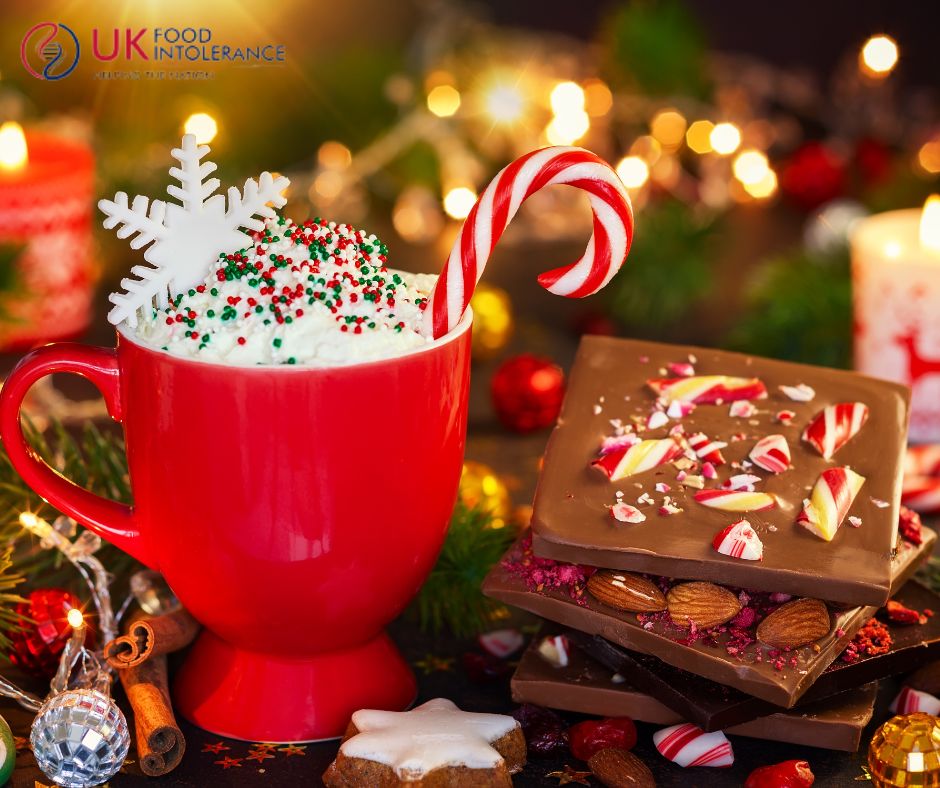
There are few who can turn down the sweet treats on offer at Christmas time. From warming mulled wine sipped at Christmas markets to the chocolate advent calendars that are traditionally part of December breakfasts, it takes a lot of willpower to turn down the goodies that many of us look forward to eating as part of the celebrations. Although there’s no denying that a lot of these are high in sugar, many also come with an impressive CV of health benefits that could boost your well-being this winter. And whether you’re vegetarian, vegan or have a food intolerance to certain ingredients, there’s something to suit everyone. So what food are there, and are there many health benefits of traditional Christmas treats? We’ve gone through the data and made a list.
Mulled wine
Nothing gets you in the festive spirit like a glass of mulled wine. And the good news is that it’s full of health-boosting qualities when drunk in moderate amounts. The resveratrol it contains has been linked to improving memory and protecting against Alzheimer’s disease while simultaneously slowing down the ageing process. It’s also a good source of antioxidants that are linked to improving cardiovascular health, supporting the immune system and keeping infections at bay. If you enjoy traditional mulled wine, it will likely include spices such as cinnamon and ginger. As well as being delicious, they’re known to have thermogenic properties, so they will increase blood flow and raise your body temperature, making it the perfect winter warmer.
Chocolate
Many of us will have purchased an advent calendar this year, meaning many of our children (and us on occasion!) have had chocolate as part of our breakfast. While this is perfectly acceptable as part of the Christmas build-up, if you’re going to increase your chocolate intake in December, it’s worth noting that dark chocolate is the healthiest kind to munch on. Thanks to the plant sterols it contains, dark chocolate can reduce the risk of coronary heart disease while also helping to lower cholesterol. It’s also a really good source of iron (so good news if you’re vegetarian or not a fan of red meat), contains antioxidants to protect the body from damaging free radicals and has been known to help lower blood pressure when eaten daily in small amounts.
Gingerbread
From tea and biscuits to stir-fries and curries, ginger adds a kick to whatever food it’s added to. While gingerbread might not be the healthiest way to reap the benefits of this warming spice, you might be surprised to know that a traditional recipe is sweetened with blackstrap molasses, which is a source of calcium, iron, copper, magnesium and potassium. The ginger itself is a known wonder-ingredient, thanks to its medicinal properties and ability to lower blood sugar and reduce pain associated with arthritis. It’s also known to settle stomachs and support gut health, so it’s worth keeping some in if you need some relief from overdoing the mulled wine the night before!
Christmas pudding
Perhaps the most traditional of festive desserts, Christmas pudding has more than a few unexpected health benefits to its name. The raisins it contains are a good source of potassium, which is known to lower blood pressure, and iron to help keep anaemia at bay. In fact, an ounce of raisins provides around the same amount of iron as an ounce of steak, making it a good option for vegetarians. Thanks to the currents it contains, Christmas puddings are also a good source of vitamin C, which helps ward off winter sniffles and strengthen the immune system. If you don’t have anyone with a food intolerance to nuts, it’s also worth including them in your recipe, as they can positively affect blood cholesterol. Nuts are also high in vitamin E, essential for healthy skin and hair and have anti-inflammatory properties that help reduce the risk of disease. Not bad for a pudding!
If you’d like information about food intolerance tests and how they can help improve your health and welling this winter, please email [email protected] or fill out the contact form on our website. We’d be happy to hear any questions you have on the health benefits of traditional Christmas treats.








Leave a Reply
Want to join the discussion?Feel free to contribute!