

Preparing your child for food intolerance testing can feel overwhelming, especially when you’re unsure about testing methods, dietary restrictions, or how to support your child through the process. Many UK parents worry about their child’s comfort during testing and how to manage potential dietary changes afterwards. This guide walks you through practical testing methods, preparation steps, and strategies to ensure accurate results whilst maintaining your child’s nutritional wellbeing and emotional comfort throughout the journey.
Table of Contents
- Understanding Food Intolerance Testing Methods For Children
- Preparing Your Child For Intolerance Testing: What You Need To Know
- Managing Dietary Changes After Intolerance Test Results
- Common Challenges And Expert Advice For Parents During Testing
- Explore Trusted Food Intolerance Testing Options At UK Food Intolerance
Key takeaways
| Point | Details |
|---|---|
| Testing options | Non-invasive methods including at-home blood sampling and breath tests are available for children alongside traditional clinical allergy tests. |
| Preparation matters | Following pre-test dietary guidelines and fasting requirements ensures accurate results and reduces the need for repeat testing. |
| Dietary management | Balanced nutrition with alternative calcium and vitamin D sources prevents deficiencies when eliminating trigger foods. |
| Expert guidance | Healthcare professionals and dietitians help interpret results safely and avoid unnecessary food restrictions. |
Understanding food intolerance testing methods for children
Navigating the landscape of food intolerance and allergy testing requires understanding the fundamental differences between test types. Allergies are broadly divided into immediate IgE-mediated and delayed non-IgE-mediated types, each requiring different diagnostic approaches.
For IgE-mediated allergies, healthcare professionals rely on validated methods. IgE tests measure immediate allergic reactions through blood tests or skin prick tests, providing reliable evidence of true allergic responses. These tests are particularly useful when children experience rapid reactions like hives, swelling, or breathing difficulties after consuming specific foods.
Food intolerance testing differs significantly from allergy testing. Most commercial tests measure IgG antibodies using small blood samples collected at home or in labs. However, parents should approach these with caution, as IgG presence indicates normal immune exposure rather than problematic reactions.
Exploring child food intolerance testing options reveals several methods:
- Skin prick tests for immediate allergic reactions
- Specific IgE blood tests for identifying allergic antibodies
- Hydrogen breath tests for lactose or fructose malabsorption
- At-home blood sampling kits for convenience
- Elimination diets supervised by healthcare professionals
Understanding why test children for allergies becomes crucial when symptoms persist. Testing provides clarity when children experience digestive issues, skin problems, or behavioural changes potentially linked to food. The allergy testing guidelines emphasise working with qualified professionals who can interpret results accurately and recommend appropriate management strategies.
Pro Tip: Request testing through your GP or paediatrician first, as they can assess symptoms properly and refer you to allergy specialists when necessary, ensuring you receive evidence-based testing appropriate for your child’s specific situation.
Preparing your child for intolerance testing: what you need to know
Proper preparation directly influences test accuracy and your child’s experience during the procedure. Each testing method requires specific preparations to ensure reliable results.

For hydrogen breath tests, dietary restrictions ensure accurate results by preventing interference from gut bacteria. Parents must help children avoid high-fibre foods, certain fruits, dairy products, and sugar substitutes for 24 hours before testing. Additionally, a 12-hour fast before the test is essential, though water remains permitted.
Practical preparation steps include:
- Planning the test appointment for early morning to minimise fasting discomfort
- Preparing simple, allowed foods for the day before testing
- Explaining the procedure in age-appropriate language
- Bringing entertainment like books or quiet toys for waiting periods
- Packing comfort items such as a favourite blanket or stuffed animal
Mental preparation matters as much as physical readiness. Children benefit from honest, simple explanations about what to expect. Describe sensations they’ll experience, such as a small finger prick feeling like a quick pinch, or blowing into a tube for breath tests being similar to blowing bubbles.
Visual aids help younger children understand the process. Drawing pictures together or watching age-appropriate videos about medical procedures reduces anxiety. Role-playing the test with toys lets children process their feelings and ask questions in a safe environment.
Consider how to prepare for intolerance testing naturally by maintaining normal routines as much as possible. Keeping bedtime schedules consistent and avoiding mention of the test repeatedly prevents building excessive anticipation.
Following food sensitivity preparation steps carefully prevents the frustration of inconclusive results. Missing even one dietary restriction can compromise accuracy, necessitating a repeat test.
Pro Tip: Create a reward chart where children place stickers for each preparation step they complete successfully, building positive associations with the testing process and giving them a sense of control and achievement.
Managing dietary changes after intolerance test results
Receiving test results marks the beginning of careful dietary management rather than the end of the process. Understanding how to interpret findings and implement changes safely protects your child’s health and development.
Test result interpretation requires professional guidance. IgG antibody presence doesn’t automatically indicate food intolerance, as these antibodies represent normal immune responses to foods previously consumed. Parents should focus on validated tests and clinical symptoms rather than making dramatic dietary changes based solely on unvalidated results.
Implementing dietary modifications involves these steps:
- Consult a registered dietitian before eliminating multiple foods
- Remove suspected trigger foods systematically rather than all at once
- Monitor symptoms carefully using a food and symptom diary
- Maintain nutritional balance with appropriate substitutes
- Plan reintroduction phases after 4 to 6 weeks of elimination
- Assess tolerance levels through gradual reintroduction
Nutritional considerations become paramount when restricting foods. Dietary changes focus on reducing trigger foods whilst maintaining essential nutrients. This challenge becomes particularly important for calcium and vitamin D when dairy products are eliminated.
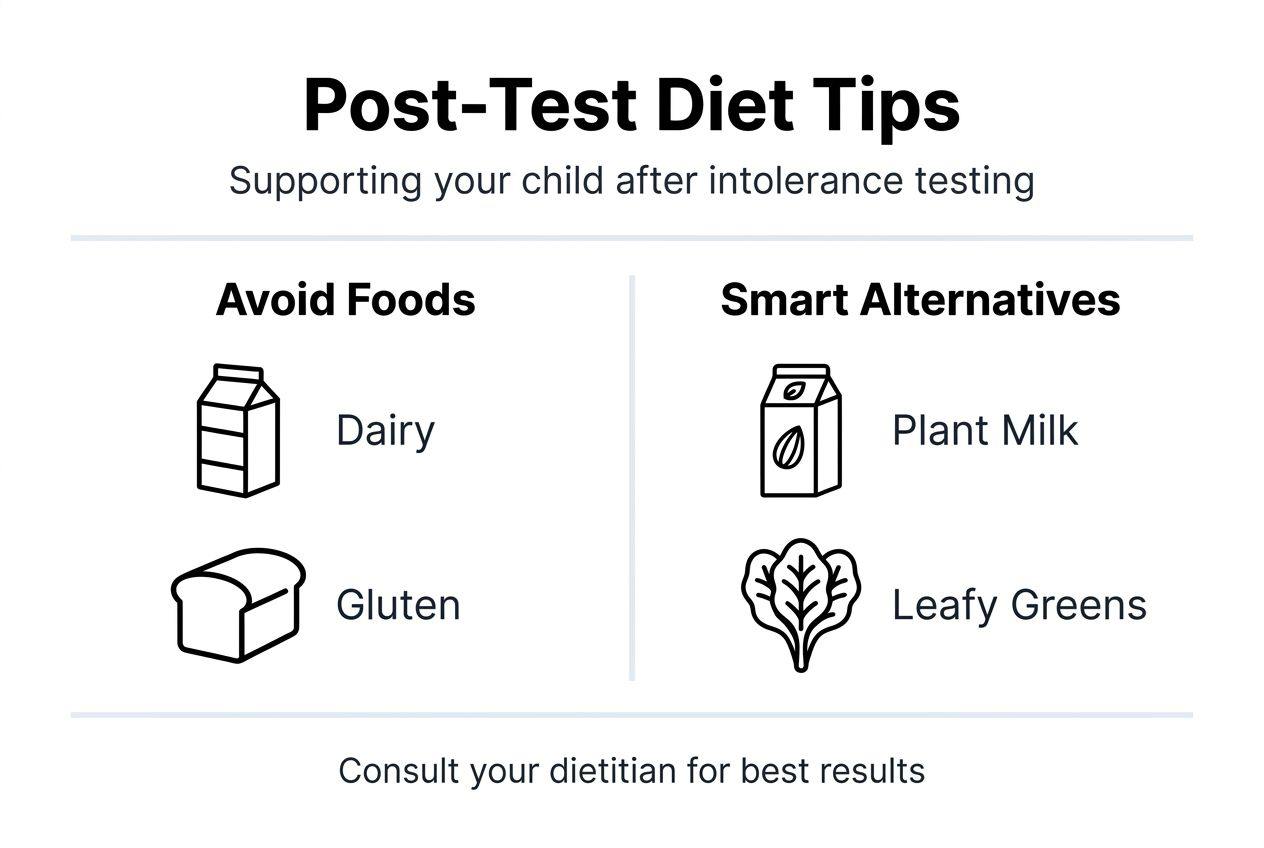
Calcium and Vitamin D intake must be maintained through alternative sources. Fortified plant milks, leafy green vegetables, tinned fish with bones, and fortified cereals provide calcium. Vitamin D comes from eggs, fortified foods, and sensible sun exposure, with supplements recommended during winter months.
Understanding lactose content helps parents make informed choices:
| Food Item | Lactose Content | Tolerance Level |
|---|---|---|
| Milk (250ml) | 12-13g | Often problematic |
| Yoghurt (125g) | 4-6g | Better tolerated |
| Cheddar cheese (30g) | 0.1g | Usually tolerated |
| Ice cream (100g) | 6g | Moderately problematic |
| Butter (10g) | 0.1g | Usually tolerated |
Reintroduction requires patience and systematic approach. Start with small portions of one food at a time, monitoring for 2 to 3 days before trying another. This method identifies true intolerances versus coincidental reactions.
Reading intolerance test reports effectively means looking beyond numbers to understand practical implications. Reports showing multiple sensitivities warrant particular caution, as eliminating numerous foods risks nutritional deficiencies and disordered eating patterns.
Pro Tip: Keep a detailed food reintroduction journal noting portion sizes, preparation methods, and symptoms over 72 hours, as delayed reactions sometimes occur and patterns emerge more clearly with written records than memory alone.
Common challenges and expert advice for parents during testing
Real-world testing presents obstacles that preparation alone cannot always prevent. Understanding common challenges helps parents respond effectively and maintain testing accuracy.
Frequent difficulties parents encounter include:
- Children’s fear of needles or medical procedures
- Refusal to fast, especially in younger children
- Difficulty maintaining dietary restrictions before tests
- Anxiety about test results and potential dietary changes
- Confusion about conflicting information from different sources
- Managing siblings’ food consumption around restricted children
Expert strategies minimise stress whilst ensuring cooperation. Distraction techniques work remarkably well during procedures. Singing favourite songs, counting games, or watching videos on tablets redirect attention from discomfort. Some clinics allow children to squeeze stress balls or hold a parent’s hand during blood collection.
Timing appointments strategically reduces fasting challenges. Early morning slots mean children sleep through most of the fasting period and can eat soon after testing. For hydrogen breath tests requiring extended time in clinic, bringing approved quiet activities prevents boredom and restlessness.
Medication management requires particular attention. Accurate test results depend on strict adherence to dietary guidelines and avoiding medications that could affect tests. Antibiotics, laxatives, and certain other medications interfere with breath tests, requiring delays of several weeks after completing courses.
“Following pre-test instructions precisely isn’t optional; it’s essential for obtaining reliable results. Even well-meaning deviations like giving children a small snack during fasting or allowing restricted foods can invalidate results, requiring families to repeat the entire process.”
Managing family dynamics during preparation creates additional complexity. Siblings naturally want the same foods, making restrictions more challenging. Consider preparing separate meals, explaining the temporary nature of restrictions, or involving siblings in supporting their brother or sister through the process.
Exploring resources for support children food intolerance guidance connects families with others navigating similar challenges. Support networks provide practical tips, emotional encouragement, and recipe ideas that make dietary management more manageable.
Expert hydrogen breath test advice emphasises clear communication with testing facilities about concerns or questions. Clinics experienced in paediatric testing offer child-friendly environments and staff trained in reducing anxiety, making the experience significantly easier for both children and parents.
Explore trusted food intolerance testing options at UK Food Intolerance
Finding reliable testing that fits your family’s needs doesn’t have to be complicated. UK Food Intolerance offers comprehensive solutions designed specifically for families seeking answers about food sensitivities.

Our testing approach prioritises convenience and accuracy. Simple home collection means no stressful clinic visits, just a small hair sample collected in the comfort of your home. Results arrive within 48 to 72 hours, providing quick answers when you need them most. The comprehensive analysis covers over 1,100 potential triggers, offering thorough insights into foods and environmental factors that might be affecting your child’s wellbeing.
Explore our complete range of intolerance tests designed for different needs and budgets. Whether you’re investigating specific concerns or seeking comprehensive screening, our tests options provide flexible solutions. Learn how a food intolerance test can matchmake your body with the right diet, helping your child feel their best through informed dietary choices.
FAQ
What is the best testing method for children’s food intolerances?
Healthcare professionals use tests like skin prick tests and specific IgE blood tests for IgE-mediated allergies, which provide reliable diagnostic evidence. For suspected food intolerances rather than true allergies, elimination diets supervised by dietitians often prove most effective.
How should I prepare my child before a hydrogen breath test?
Preparation involves dietary restrictions including avoiding high-fibre foods, certain fruits, dairy, and sugar substitutes for 24 hours beforehand. Children must fast for 12 hours before the test, though water remains allowed throughout.
Are IgG food intolerance tests reliable for diagnosing my child?
IgG antibodies indicate normal immune responses rather than intolerance or sensitivity. The British Society states alternative tests lack proven benefit and risk misdiagnosis, so rely on tests recommended by qualified allergy specialists instead.
How can I ensure my child maintains good nutrition if they need to avoid certain foods?
Alternative calcium sources like fortified plant milks, leafy greens, and tinned fish with bones replace dairy calcium. Ensure vitamin D through eggs, fortified foods, sunlight exposure, and supplements during winter months to maintain bone health.
When should I consult a dietitian about my child’s test results?
Consult a registered dietitian before eliminating multiple foods or if results suggest removing major food groups. Professional guidance ensures your child receives adequate nutrition whilst managing intolerances, preventing deficiencies and supporting healthy growth and development.










Leave a Reply
Want to join the discussion?Feel free to contribute!