

TL;DR:
- Hidden allergies involve reactions to substances not clearly labeled or expected in everyday foods and products. Identifying these allergens requires detailed symptom tracking, label literacy, and professional testing, as reactions can be delayed or caused by cross-contamination and disguised ingredients. Managing hidden allergens is an ongoing process involving careful label reading, safe eating practices, and working with allergists to confirm triggers and prevent serious reactions.
Hidden allergies are allergic reactions triggered by substances not clearly labelled or expected in everyday foods and products. The term “hidden allergy” is widely used, but clinically, these reactions fall under categories like cross-reactive allergy, idiopathic anaphylaxis, or delayed hypersensitivity. Understanding hidden allergies matters because the Big 9 allergens — milk, eggs, fish, shellfish, tree nuts, peanuts, wheat, soybeans, and sesame — account for roughly 90% of serious food allergic reactions, yet many people encounter them without realising it. Symptoms can appear hours after eating, making the trigger almost impossible to spot without structured tracking. Tools like food diaries, skin prick tests, and at-home sensitivity tests all play a role in identifying allergy triggers and reclaiming your health.
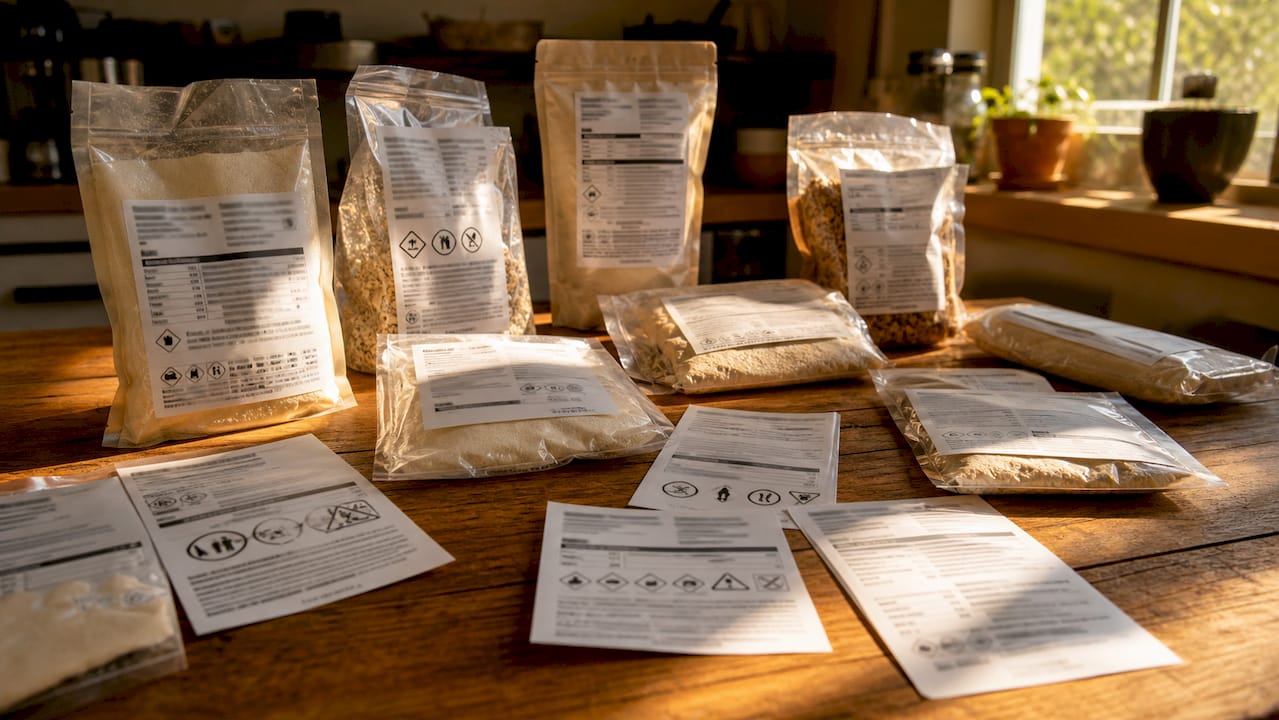
What are common examples of hidden allergens?
Hidden allergens are ingredients that appear under unfamiliar names, travel through cross-contamination, or hide inside processed and restaurant foods. Knowing where they lurk is the first step toward protecting yourself.
Disguised names on ingredient labels
Manufacturers are not always required to use plain language. Dairy proteins appear as casein, whey, lactalbumin, or ghee. Egg proteins show up as albumin, globulin, or lysozyme. Wheat hides behind terms like spelt, kamut, farro, durum, semolina, and triticale. Soy appears as textured vegetable protein, edamame, miso, or tofu. If you are not reading labels with this level of detail, you may be consuming allergens you believe you are avoiding.
| Hidden Allergen | Common Covert Sources | Alternative Names on Labels |
|---|---|---|
| Dairy | Processed meats, crisps, medications | Casein, whey, lactalbumin, ghee |
| Egg | Pasta, wine, salad dressings | Albumin, globulin, lysozyme |
| Wheat | Soy sauce, stock cubes, sweets | Spelt, semolina, durum, kamut |
| Soy | Vegetable broth, baked goods | TVP, edamame, miso, tofu |
| Sesame | Hummus, bread, Asian sauces | Tahini, benne, gingelly oil |
Cross-contamination and global cuisine risks
Cross-contamination occurs when an allergen-free food contacts surfaces, utensils, or oils previously used with allergens. This is especially common in restaurant kitchens. 19% of food allergy reactions occur in Asian restaurant settings, largely because fermented pastes and sauces contain shrimp, wheat, or soy that are not declared on menus. Thai green curry paste routinely contains shrimp paste. Traditional soy sauce contains wheat. Worcestershire sauce contains anchovies. These are not obscure edge cases. They are everyday ingredients in popular dishes.
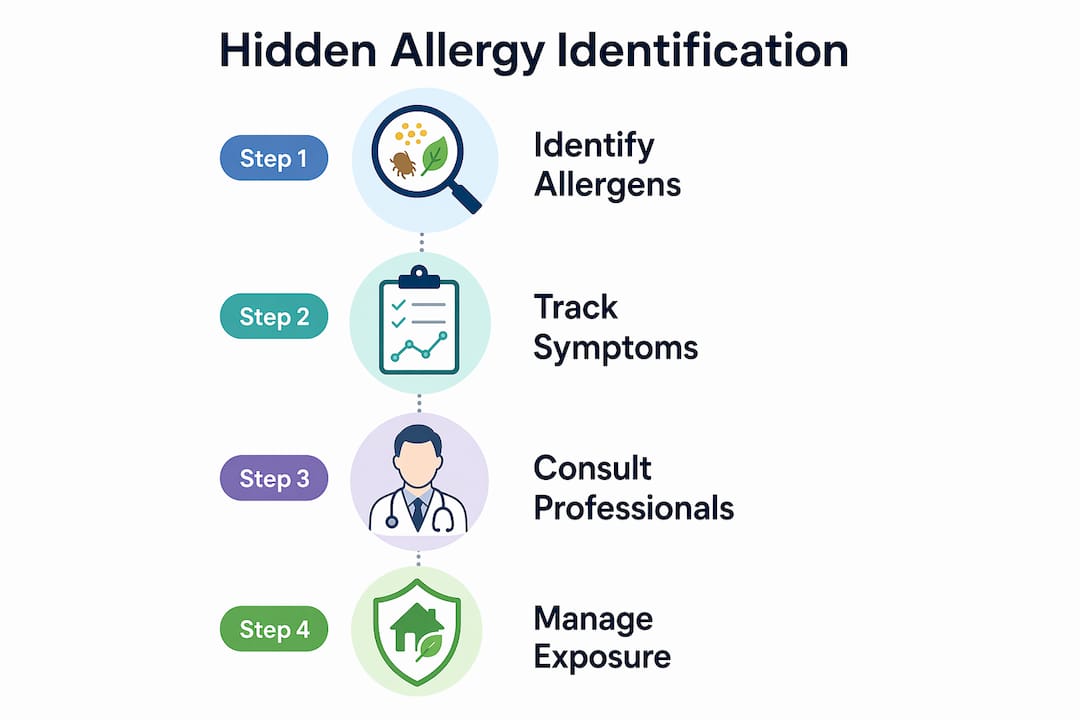
Up to 40–50% of FDA food recalls in recent periods have been due to undeclared allergens. That figure reflects how frequently allergens slip through labelling systems. It also explains why reactions can occur even when you believe you have checked every ingredient.
Pro Tip: When eating out, ask specifically about fermented sauces, stocks, and marinades. These are the most common sources of hidden allergens in restaurant cooking, not the main protein on your plate.
How do hidden allergies cause unexplained symptoms?
Hidden allergy symptoms are often delayed, mild, or mistaken for other conditions. That delay is precisely what makes them so difficult to connect to a specific food or trigger.
Delayed and atypical reactions
A classic IgE-mediated allergy produces immediate symptoms: hives, swelling, or anaphylaxis within minutes. Hidden or delayed reactions often involve the digestive system, skin, or respiratory tract, appearing two to 72 hours after exposure. Common hidden allergy symptoms include:
- Bloating, cramping, or loose stools after meals
- Persistent skin rashes, eczema flares, or unexplained itching
- Chronic nasal congestion or post-nasal drip
- Fatigue, brain fog, or low mood following certain foods
- Recurring headaches or migraines without an obvious cause
These symptoms overlap with irritable bowel syndrome, chronic fatigue, and anxiety, which is why many people spend years without a clear diagnosis.
Cumulative load and external stressors
One of the least understood aspects of chronic allergy causes is the concept of cumulative allergen load. Small tolerated amounts of an allergen can combine with other minor exposures or external stressors to trigger a reaction that would not occur from any single exposure alone. Poor sleep, high stress, or illness can lower your threshold, making you react to foods you normally tolerate. This is why symptoms seem inconsistent and why tracking them in isolation rarely gives the full picture.
Idiopathic anaphylaxis affects approximately 1.6% of the population, with food implicated in 5% of those cases and no clear allergen identified. That statistic shows how frequently reactions occur without an obvious cause, reinforcing the need for thorough investigation rather than dismissal.
Pro Tip: Track your sleep quality, stress levels, and exercise alongside your food diary. Reactions that seem random often follow a pattern of high stress combined with a borderline allergen exposure.
What diagnostic methods identify hidden allergies?
Diagnosing hidden allergies requires a structured approach. No single test gives you the complete answer, and understanding the role of each method helps you use them effectively.
Clinical testing: what works and what does not
Professional allergists use a combination of detailed patient history, skin prick tests, and specific IgE blood tests to confirm suspected allergens. Allergy testing confirms clinical suspicion derived from a thorough symptom review. It does not replace that review. A positive skin prick test to a food you have never reacted to is not a diagnosis. Context matters.
The standard diagnostic process for suspected hidden allergies typically follows these steps:
- Detailed history: Your doctor records every symptom, its timing, severity, and any foods or environments associated with it.
- Skin prick test: A small amount of allergen extract is placed on the skin and pricked through. A raised weal indicates sensitisation.
- Specific IgE blood test: Measures antibodies to individual allergens. Useful for confirming sensitisation identified in history.
- Oral food challenge: The gold standard for food allergy diagnosis. Conducted under medical supervision to confirm or rule out a reaction.
- Elimination diet: Removes suspected foods for two to six weeks, then reintroduces them one at a time to observe reactions.
The problem with IgG testing
IgG testing is widely marketed as a method for identifying allergy triggers, but professional allergists do not recommend it for diagnosing food allergies. Elevated IgG antibodies to a food indicate exposure, not allergy. Eating a food regularly will produce IgG antibodies to it. That is a normal immune response, not evidence of intolerance or allergy. Relying on IgG panels can lead to unnecessary food restriction and nutritional deficiencies.
Cross-reactivity adds further complexity to diagnosing hidden allergies. Someone allergic to birch pollen may react to apples, peaches, or hazelnuts due to shared protein structures. This is oral allergy syndrome, and it is frequently misidentified as a primary food allergy.
Pro Tip: Before booking any private allergy test, ask your GP for a referral to an NHS allergy clinic. A validated skin prick test and clinical history from a qualified allergist will give you far more reliable information than an unvalidated postal panel.
How to manage and reduce exposure to hidden allergens
Managing hidden allergens is an ongoing process, not a one-time fix. The strategies below are practical and grounded in how allergens actually behave in real food systems.
Reading labels every single time
Ingredient labels change frequently due to supply chain shifts. A product that was safe last month may now contain a new allergen. This is not hypothetical. Manufacturers reformulate recipes, switch suppliers, and update production lines without prominent consumer notice. Reading the label on every purchase is the only reliable safeguard.
Key label-reading habits to build:
- Check the allergen summary box AND the full ingredients list. These can differ.
- Look for “may contain” warnings, which indicate shared production lines.
- Be aware that “wheat-free” does not mean gluten-free. Wheat-free products may contain barley, rye, or oats, all of which contain gluten.
- Note that up to 20% of prescription medications use lactose as a filler, posing a risk for those with dairy allergy.
Eating out and travelling safely
Eating out with hidden allergens requires direct communication, not assumptions. Tell your server about your allergy before ordering, not after. Ask about shared fryers, marinades, and sauces. For global cuisines, research common hidden ingredients in advance. Resources like the hidden allergen traps guide for world cuisines provide cuisine-specific detail that generic allergy cards cannot cover.
When travelling abroad, carry a translated allergy card in the local language. Apps like AllergyEats and SelectWisely provide restaurant-specific allergy information and translated cards for international travel.
Pro Tip: Keep a photo on your phone of every ingredient label for foods you eat regularly. If you have a reaction, you can review recent labels quickly without relying on memory.
Key takeaways
Identifying hidden allergens requires combining label literacy, structured symptom tracking, and validated clinical testing rather than relying on any single approach.
| Point | Details |
|---|---|
| Know allergen aliases | Dairy, egg, wheat, and soy appear under many alternative names on ingredient labels. |
| Track cumulative load | Small exposures combined with stress or poor sleep can trigger reactions that single doses would not. |
| Use validated tests | Skin prick and specific IgE blood tests confirm clinical suspicion; IgG panels do not diagnose allergy. |
| Read labels every time | Supply chain changes mean a previously safe product can contain a new allergen without obvious notice. |
| Seek specialist input | A qualified allergist provides the clinical context that no at-home test can replace. |
What i have learned from years of watching people chase hidden triggers
The most common mistake I see is people treating hidden allergy investigation as a shopping exercise. They buy a postal test, get a long list of flagged foods, cut them all out, and feel briefly better, then worse again. The list was not wrong, exactly. It just was not the right question.
The real work in diagnosing hidden allergies is building a timeline. Reactions do not exist in isolation. They exist in the context of what you ate, how you slept, how stressed you were, and what else your immune system was dealing with that week. A food diary that captures only food misses most of that picture.
I have also seen people confuse food intolerance with food allergy for years. These are different mechanisms. Intolerance is typically dose-dependent and non-immune-mediated. Allergy involves an immune response and can escalate unpredictably. Conflating the two leads to under-treatment of genuine allergy and over-restriction in cases of simple intolerance.
The other thing worth saying plainly: patience is not optional here. Getting to the bottom of hidden triggers can take months of careful tracking, clinical appointments, and elimination diets. That is not a failure of the process. That is the process. The people who get clear answers are the ones who stay consistent, work with a qualified allergist, and resist the urge to cut corners with unvalidated tests.
If you are reading this because something feels wrong and you cannot pin it down, that instinct is worth following. Start with your GP, keep a detailed diary, and do not accept “we cannot find anything” as a final answer.
— Rob
How Ukfoodintolerance can help you take the next step
If you have been experiencing unexplained symptoms and want a clearer picture of your potential sensitivities, Ukfoodintolerance offers a practical starting point. Their at-home testing service uses bio-resonance technology to screen hair samples against over 1,100 food and environmental items, with detailed digital reports delivered within 48–72 hours.

This is not a replacement for clinical allergy testing, but it can help you identify patterns and narrow down potential triggers before or alongside a GP referral. Browse the full range of intolerance test kits to find the option that suits your needs and budget. For a broader overview of what is covered, the full items tested list shows the complete scope of each test. Taking that first step toward clarity is simpler than you might expect.
FAQ
What is the difference between a hidden allergy and a food intolerance?
A hidden allergy involves an immune response, typically IgE-mediated, to an allergen not obviously present in a food. Food intolerance is a non-immune reaction, usually dose-dependent, and does not carry the same risk of anaphylaxis.
Can hidden allergens cause anaphylaxis?
Yes. Idiopathic anaphylaxis, where no clear trigger is identified, affects approximately 1.6% of the population, with food implicated in 5% of those cases. Hidden allergens in restaurant meals and processed foods are a recognised cause.
Are IgG food sensitivity tests reliable for finding hidden allergies?
No. Professional allergists do not recommend IgG panels for diagnosing food allergy. Elevated IgG antibodies indicate exposure to a food, not an allergic reaction. Validated skin prick and specific IgE blood tests remain the clinical standard.
How do i start identifying my hidden food triggers at home?
Begin with a detailed food and symptom diary that records meals, stress levels, sleep quality, and any reactions. Combine this with a GP referral for clinical testing. At-home sensitivity screening can complement this process by highlighting patterns worth investigating further.
Does “wheat-free” mean a product is safe for wheat allergy sufferers?
Not necessarily. Wheat-free products may still contain other gluten-containing grains such as barley, rye, or oats. Always check the full ingredients list and allergen declaration, not just the front-of-pack claim.










Leave a Reply
Want to join the discussion?Feel free to contribute!