

Bloating, tummy pain, and unpredictable digestive discomfort are daily struggles for many health-conscious adults across the United Kingdom searching for answers. Persistent symptoms after eating can make meals stressful and affect overall wellbeing. Understanding the difference between food intolerance and allergy is key to managing these challenges. This guide explains how non-invasive food intolerance testing and careful symptom tracking can help you identify specific dietary triggers and regain control of your health.
Table of Contents
- Food Intolerance Defined And UK Prevalence
- Major Types And Symptoms To Recognise
- How Intolerance Testing Identifies Triggers
- Role Of Food Diaries And Elimination Diets
- Practical Risks From Undiagnosed Intolerances
- Comparing Alternatives To Intolerance Tracking
Key Takeaways
| Point | Details |
|---|---|
| Food Intolerance Definition | A food intolerance is a non-immune digestive response that can cause significant discomfort, impacting daily wellbeing. |
| Common UK Intolerances | The most prevalent food intolerances in the UK are lactose and gluten, with various symptoms affecting the digestive and skin systems. |
| Testing Methods | Food intolerance testing often involves elimination diets, symptom tracking, and professional consultations to identify triggers effectively. |
| Risks of Undiagnosed Intolerances | Unmanaged food intolerances can lead to chronic discomfort, nutritional deficiencies, and overall reduced quality of life. |
Food intolerance defined and UK prevalence
A food intolerance is a complex digestive response where the body struggles to process certain food ingredients, resulting in uncomfortable physical symptoms. Unlike food allergies, intolerances do not trigger an immune system reaction and are generally less severe but still significantly impact an individual’s daily wellbeing.
According to the NHS definition of food intolerance, these reactions can manifest through various symptoms including:
- Digestive discomfort like bloating and diarrhoea
- Tummy pain and cramping
- Skin-related issues such as rashes
- Occasional headaches
Food intolerances are remarkably common in the United Kingdom, with thousands of individuals experiencing digestive challenges related to specific food ingredients. Lactose intolerance remains the most prevalent form, affecting a substantial portion of the population who struggle to digest milk and dairy products.
Scientific research indicates that food intolerances more frequently impact people compared to food allergies. The most common intolerances involve complex food ingredient reactions, including:
- Lactose in dairy products
- Gluten in wheat-based foods
- Food additives and chemical compounds
- Specific protein structures in various ingredients
Understanding these intolerances requires professional medical guidance, as symptoms can vary significantly between individuals and may affect multiple bodily systems, including digestive, skin, and respiratory functions.
Here’s how the most common UK food intolerances differ in their prevalence and impact:
| Intolerance Type | Estimated UK Prevalence | Typical Severity | Daily Life Impact |
|---|---|---|---|
| Lactose intolerance | Very common | Mild to moderate | Limits dairy consumption |
| Gluten intolerance | Increasingly reported | Moderate | Restricts most wheat foods |
| Histamine intolerance | Less common | Varies | Avoids aged/fermented foods |
| Chemical sensitivities | Sporadic occurrences | Mild to severe | Vigilant ingredient checks |
Pro tip: Keep a detailed food diary to help identify potential intolerance triggers and discuss your observations with a healthcare professional.
Major types and symptoms to recognise
Food intolerances manifest through diverse symptoms and impact different individuals uniquely. Major types of food intolerances include several specific ingredient sensitivities that can trigger complex bodily responses.
The most prevalent food intolerances typically involve:
- Lactose intolerance: Difficulty digesting dairy products
- Gluten intolerance: Sensitivity to wheat and grain proteins
- Histamine intolerance: Challenges processing histamine-rich foods
- Chemical sensitivities: Reactions to additives, sulphites, and flavour enhancers
Symptoms can vary widely but often include distinctive physiological responses across multiple bodily systems:
- Digestive symptoms:
- Abdominal pain
- Bloating
- Diarrhoea
- Constipation
- Skin-related symptoms:
- Rashes
- Eczema flares
- Skin flushing
- Neurological symptoms:
- Headaches
- Fatigue
- Respiratory symptoms:
- Wheezing
- Breathing difficulties
These symptoms typically emerge several hours after consuming trigger foods and can persist for extended periods. Understanding your body’s unique responses helps distinguish between food intolerances and more severe allergic reactions.

Pro tip: Consider documenting your dietary intake and symptom patterns in a dedicated journal to help healthcare professionals accurately diagnose potential food intolerances.
How intolerance testing identifies triggers
Food intolerance testing is a nuanced process designed to help individuals understand their unique dietary challenges. Diagnostic approaches focus on systematic symptom tracking rather than relying on definitive medical tests, making the identification of trigger foods a personalised journey.
The primary methods for identifying food intolerances include:
- Elimination diets: Carefully removing suspected trigger foods
- Food diaries: Documenting dietary intake and subsequent symptoms
- Supervised food challenges: Methodical reintroduction of foods under professional guidance
- Symptom monitoring: Tracking physiological responses to specific ingredients
Food sensitivity investigations typically involve a comprehensive approach that goes beyond simple blood tests. Healthcare professionals recommend a strategic method that helps patients understand their body’s unique reactions:
- Initial consultation with a dietitian
- Detailed medical history review
- Systematic food elimination
- Careful symptom tracking
- Controlled food reintroduction
This methodical approach allows individuals to identify specific food triggers that may be causing digestive discomfort, skin issues, or other physiological responses. By working closely with healthcare professionals, patients can develop a personalised understanding of their body’s specific sensitivities.
Below is a summary of primary food intolerance testing methods and their guidance level:
| Method | Personalisation Level | Guidance Required | Reliability for Diagnosis |
|---|---|---|---|
| Elimination diet | High | Essential | Strong with supervision |
| Food diaries | Medium | Helpful | Effective with detailed records |
| Professional consultation | High | Mandatory | Best for holistic assessment |
| Home testing kits | Low | Not recommended | Limited, often inaccurate |
Pro tip: Create a detailed digital or physical journal documenting everything you eat and any subsequent symptoms to help healthcare professionals accurately pinpoint potential food intolerances.
Role of food diaries and elimination diets
Food diaries and elimination diets are powerful diagnostic tools that help individuals uncover potential dietary triggers affecting their health. Systematic food tracking methods provide a structured approach to understanding individual food sensitivities.
A comprehensive food diary typically involves:
- Recording all food and drink consumed
- Documenting specific symptoms experienced
- Noting time of consumption and symptom onset
- Tracking portion sizes and ingredients
- Capturing emotional and physical responses
The elimination diet process follows a strategic approach:
- Consultation with a healthcare professional
- Identifying potential trigger foods
- Completely removing suspected ingredients
- Monitoring symptom changes
- Gradual, controlled reintroduction of foods
Low FODMAP diet strategies demonstrate how targeted dietary modifications can significantly improve digestive health. This personalised approach allows individuals to develop a nuanced understanding of their body’s unique dietary requirements while minimising potential nutritional deficiencies.
Professional guidance is crucial throughout this process, ensuring a safe and systematic approach to identifying food intolerances. Detailed record-keeping helps healthcare professionals make accurate assessments and develop personalised dietary recommendations.
Pro tip: Use a digital app or dedicated notebook to track your food intake and symptoms consistently, creating a comprehensive record that can help healthcare professionals pinpoint potential food intolerances more effectively.
Practical risks from undiagnosed intolerances
Undiagnosed food intolerances can significantly undermine an individual’s overall health and quality of life. Long-term health complications arise from persistent, unmanaged dietary sensitivities that gradually erode physical and mental wellbeing.
The primary risks associated with unidentified food intolerances include:
- Chronic digestive discomfort
- Persistent nutritional deficiencies
- Increased emotional stress
- Reduced energy levels
- Compromised immune system functioning
- Potential metabolic disruptions
Physiological symptoms that may emerge from untreated intolerances encompass:
- Recurring abdominal pain and bloating
- Unexplained fatigue and weakness
- Intermittent headaches
- Skin-related issues like rashes and eczema
- Inconsistent bowel movements
Unrecognised dietary sensitivities can dramatically increase patient distress and healthcare utilisation. Individuals might unnecessarily restrict their diets or continue consuming trigger foods, leading to prolonged physical and psychological challenges.
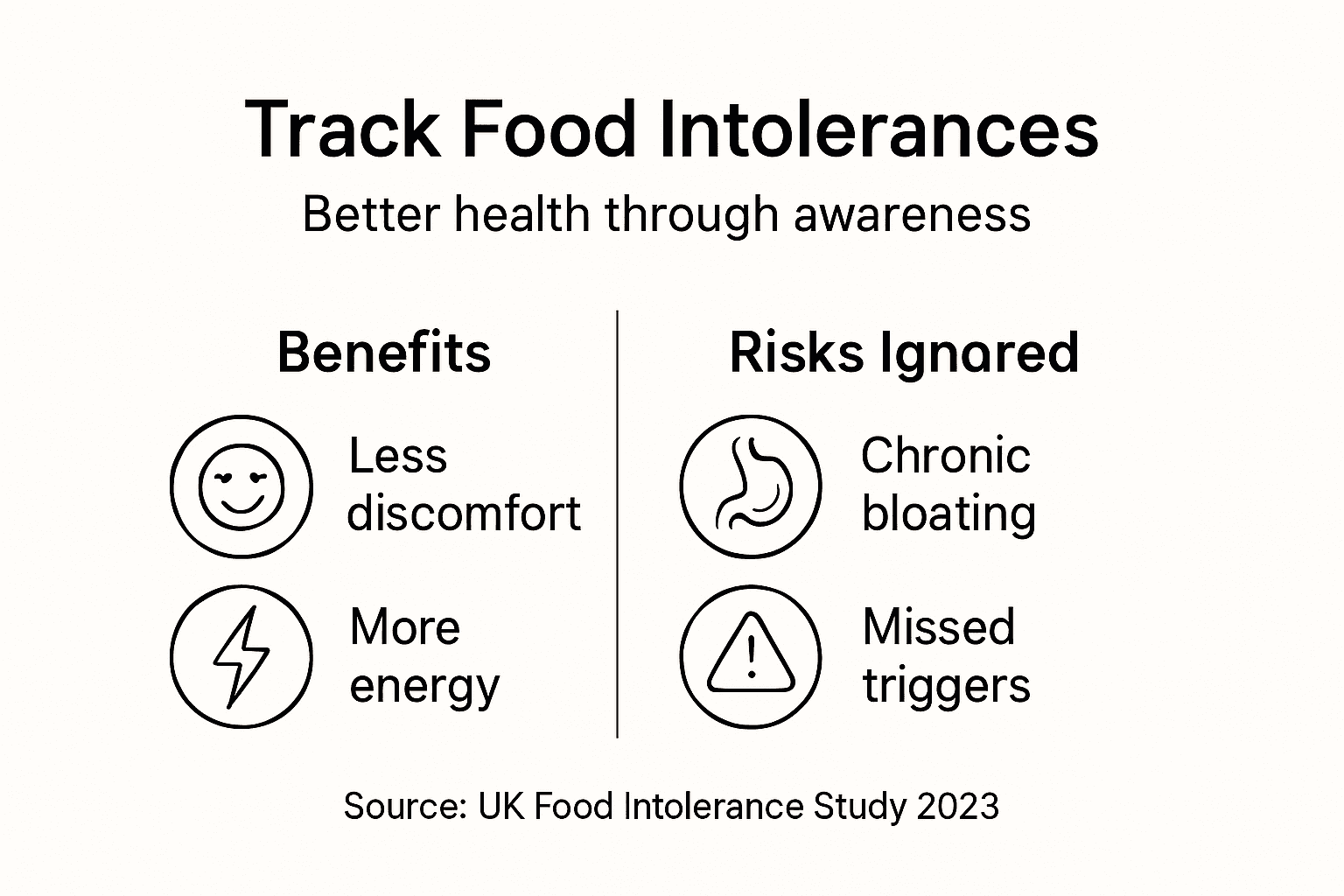
Healthcare professionals emphasise the importance of systematic diagnosis and personalised dietary management to mitigate these potential risks and restore overall health and wellbeing.
Pro tip: Consult a registered dietitian or nutritionist who can help you systematically identify and manage potential food intolerances through comprehensive testing and personalised dietary strategies.
Comparing alternatives to intolerance tracking
Alternative approaches to food intolerance tracking offer varying levels of effectiveness and precision for individuals seeking to understand their dietary sensitivities. Food sensitivity management strategies range from general dietary guidelines to more targeted diagnostic methods.
The primary alternatives to comprehensive intolerance tracking include:
- Symptom-based awareness tracking
- General dietary guideline following
- Basic food allergy testing
- Nutrient profiling approaches
- Consultation with healthcare professionals
- Eatwell Guide nutrition principles
Comparative effectiveness of these alternative methods varies significantly:
- Symptom awareness: Low precision, relies on individual perception
- Dietary guidelines: General nutritional advice, limited personalisation
- Food allergy tests: Immune response focused, not intolerance specific
- Professional consultation: More targeted, but potentially less comprehensive
- Elimination diets: Precise, but time-consuming and challenging
Dietary management approaches demonstrate that while alternatives exist, systematic tracking remains the most reliable method for identifying individual food sensitivities.
Healthcare professionals consistently emphasise that personalised tracking provides the most accurate insights into an individual’s unique dietary requirements and potential trigger foods.
Pro tip: Combine multiple alternative tracking methods and maintain a detailed food and symptom journal to create a more comprehensive understanding of your body’s specific dietary needs.
Take Control of Your Wellbeing by Tracking Food Intolerances
If you have experienced persistent digestive discomfort, unexplained fatigue, or skin issues as described in the article, it is essential to identify the underlying food intolerances impacting your health. Challenges like managing elimination diets or keeping detailed food diaries can be overwhelming without clear guidance. Our specialised Digestive Health Archives – UK Food Intolerance offers insights to support your journey towards relief.

Discover an easy and reliable way to uncover your unique food sensitivities with our at-home testing services at UK Food Intolerance. Choose from the comprehensive Ultimate Single Intolerance Test or the affordable Core Single Intolerance Test. Simply collect a hair sample, send it to a UK laboratory, and receive detailed personalised reports within 72 hours. Start restoring your wellbeing today by understanding what truly affects your body and how to manage your diet effectively. Visit us now to begin your journey towards better health.
Frequently Asked Questions
What are the common symptoms of food intolerances?
Common symptoms of food intolerances include digestive discomfort, such as bloating, diarrhoea, and abdominal pain, as well as skin issues like rashes. Some individuals may also experience headaches and fatigue.
How can I identify potential food intolerances?
Identifying food intolerances typically involves keeping a detailed food diary to track what you eat and any symptoms you experience. Other methods include elimination diets and symptom monitoring under professional guidance.
Why is it important to track food intolerances?
Tracking food intolerances can help individuals understand their unique dietary needs, manage symptoms, and prevent long-term health complications like nutritional deficiencies and chronic digestive issues.
Can food intolerances lead to long-term health problems?
Yes, undiagnosed food intolerances can result in chronic digestive discomfort, nutritional deficiencies, increased emotional stress, and a compromised immune system, affecting overall wellbeing.










Leave a Reply
Want to join the discussion?Feel free to contribute!