

Unexplained symptoms like bloating, fatigue, or skin irritation can leave you searching for answers without wanting to endure needles or invasive clinical tests. Non-invasive allergy testing has emerged as a practical solution for UK consumers, offering broad allergen screening from the comfort of home. This article evaluates key benefits, explains available methods, and guides you through choosing the right test to identify potential triggers and improve your wellbeing in 2026.
Table of Contents
- Selection Criteria For Choosing Allergy Tests
- Non-Invasive Allergy Testing Approaches In The UK
- Key Advantages Of Non-Invasive Allergy Testing
- Comparison With Traditional Allergy Testing Methods
- Use Cases And Limitations Of Non-Invasive Allergy Testing
- Summary Comparison Table Of Allergy Testing Methods
- Situational Recommendations For Choosing Allergy Testing
- Explore Reliable Non-Invasive Allergy Tests With UK Food Intolerance
- Frequently Asked Questions
Key takeaways
| Point | Details |
|---|---|
| Painless home sampling | Non-invasive tests use hair samples collected at home, avoiding needles and clinic visits entirely. |
| Rapid turnaround | Results typically arrive within 48-72 hours, enabling prompt dietary and lifestyle adjustments. |
| Extensive allergen coverage | Tests screen over 1,100 food and environmental items, providing comprehensive sensitivity insights. |
| Affordable accessibility | Generally more cost-effective than clinical tests, making screening available to broader audiences. |
| Professional guidance recommended | While useful for screening, results should be interpreted alongside healthcare professional consultation. |
Selection criteria for choosing allergy tests
When evaluating non-invasive allergy tests in the UK, several critical factors determine whether a test delivers genuine value. Accuracy and reliability form the foundation of any worthwhile screening service. Clinical guidelines published in 2025 emphasise that allergy testing should be targeted and interpreted by qualified professionals to avoid misdiagnosis. Look for providers who use established UK laboratories and transparent methodologies.
Comprehensive allergen panels distinguish superior tests from basic offerings. Tests covering 500 to 1,100+ items provide broader insights than limited panels focusing on common allergens alone. This extensive coverage helps identify unexpected triggers that narrow testing might miss entirely.
Turnaround speed matters when symptoms impact daily life. Services delivering results within 48-72 hours support timely elimination diet planning and faster symptom relief compared to weeks-long NHS waiting times. Fast reporting demonstrates operational efficiency and customer focus.
Affordability ensures testing remains accessible to people across income levels. Many non-invasive services offer affordable intolerance testing at price points below clinical alternatives, removing financial barriers to health insights. Compare pricing transparently across providers before committing.
Sample collection convenience defines the user experience. Non-invasive methods using hair samples eliminate pain, anxiety, and travel requirements associated with clinical appointments. This accessibility particularly benefits individuals with mobility limitations, needle phobia, or busy schedules. Understanding the role of at home intolerance tests clarifies how remote sampling maintains quality whilst maximising convenience.
Post-test support and guidance separate helpful services from those leaving customers confused. Quality providers offer detailed reports with clear explanations, dietary recommendations, and access to expert advice for interpreting findings. This support proves essential when translating results into actionable lifestyle changes.
Non-invasive allergy testing approaches in the UK
Non-invasive allergy testing in the UK primarily relies on hair sample analysis rather than blood draws or skin pricks. You collect a small hair sample at home using provided instructions and sterile materials, then mail it to a UK-based laboratory for analysis. This painless process takes minutes and requires no medical supervision.
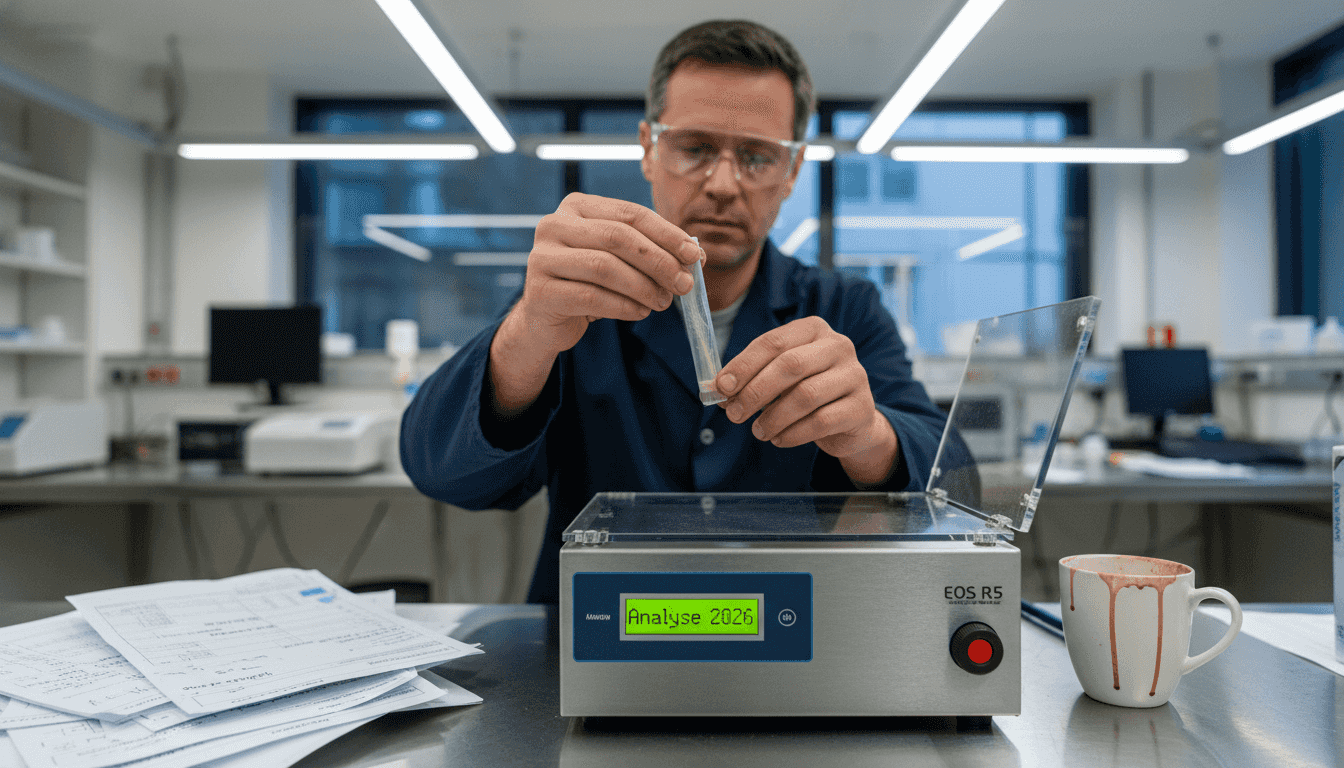
Laboratories analyse samples using bioresonance technology, which measures electromagnetic frequency signatures associated with different substances. The method evaluates how your sample responds to frequencies representing various allergens, identifying potential sensitivities based on reactivity patterns. Whilst bioresonance research and methodology continues evolving, many UK consumers report valuable insights from this approach.
Comprehensive panels test reactions to over 1,100 allergens spanning multiple categories. These typically include dairy products, gluten-containing grains, nuts, seafood, fruits, vegetables, food additives, environmental triggers like pollen and pet dander, plus household chemicals. This extensive coverage provides broader screening than traditional tests focusing on limited allergen sets.
Non-invasive methods differ fundamentally from clinical skin prick and blood tests. Skin prick tests introduce tiny allergen amounts under skin surface to observe immediate reactions. Blood tests measure specific IgE antibodies indicating immune system responses to allergens. Both require healthcare settings and trained practitioners.
The UK National Allergy Strategy emphasises improving allergy service accessibility, aligning with growth of accessible non-invasive testing options. These services complement traditional methods by offering convenient preliminary screening before pursuing clinical diagnosis if needed.
Non-invasive tests provide valuable screening insights but don’t replace clinical allergy diagnosis. They help identify potential triggers worth investigating further rather than confirming definitive IgE-mediated allergies. Understanding this distinction ensures appropriate expectations and usage.
Pro Tip: Compare top UK allergy testing kits side-by-side before purchasing to ensure you select comprehensive coverage matching your symptom patterns and budget.
Key advantages of non-invasive allergy testing
Non-invasive allergy testing delivers compelling benefits making it increasingly popular amongst UK consumers seeking health insights without clinical hassles. The absence of needles or skin pricks removes pain and anxiety entirely, replacing invasive procedures with simple hair sample collection at home. This gentle approach suits everyone from children to needle-phobic adults.
Rapid result delivery within 48-72 hours enables prompt action on findings. Unlike NHS allergy services with multi-month waiting lists, private non-invasive tests provide quick answers when symptoms demand immediate attention. This speed proves crucial for people experiencing daily discomfort or planning dietary changes.
Extensive allergen coverage screening 1,100+ items delivers comprehensive insights unavailable from basic clinical panels. You discover reactions to obscure additives, environmental triggers, and food combinations often overlooked by standard testing. This breadth helps identify unexpected culprits behind persistent symptoms.
Cost-effectiveness makes testing accessible to broader audiences. Non-invasive allergy tests are ideal for consumers wanting broad screening without pain and should be supplemented with professional advice. Prices typically range £99-£199 compared to £200-£400+ for comparable clinical testing, removing financial barriers to health knowledge.
Home-based convenience suits busy lifestyles and mobility limitations. You avoid clinic appointments, travel costs, and scheduling conflicts entirely. Simply collect your sample during a few spare minutes and post it for analysis. This accessibility particularly benefits rural residents distant from specialist allergy clinics.
Actionable reports with dietary guidance support immediate lifestyle adjustments. Quality providers include elimination diet frameworks, recipe suggestions, and reintroduction protocols alongside sensitivity results. This practical support translates raw data into meaningful health improvements.
Shorter waiting times compared to NHS services address urgent symptom management needs. Whilst NHS allergy care remains excellent for severe cases, many people cannot wait months for initial consultations when symptoms impact daily functioning now.
Improved UK allergy awareness stems from increased testing accessibility. As more people identify triggers through convenient screening, public understanding of food sensitivities and environmental reactions grows, reducing stigma and improving support networks.
Comprehensive resources and customer support assist with result interpretation. Reputable providers offer email guidance, phone consultations, and online educational materials helping you understand findings and implement changes confidently.
Ideal preliminary screening before specialist referral provides valuable context for clinical consultations. Arriving at specialist appointments with preliminary test results helps focus investigations efficiently, potentially reducing diagnostic timelines and costs.
Pro Tip: Explore at home food intolerance testing options thoroughly, reading customer reviews and checking laboratory credentials before committing to ensure quality and reliability.
Comparison with traditional allergy testing methods
Understanding how non-invasive testing compares against established clinical methods helps you choose appropriately for your situation. Each approach offers distinct trade-offs across invasiveness, accuracy, cost, and practical accessibility.
Non-invasive hair sample tests eliminate physical discomfort entirely, requiring only hair clippings collected at home. Traditional skin prick tests involve introducing allergen extracts beneath skin surface using tiny needles, causing mild discomfort and requiring clinic visits. Blood tests demand venepuncture drawing several millilitres, creating moderate pain and anxiety for needle-averse individuals.
Skin prick testing provides immediate results within 15 minutes as clinicians observe skin reactions directly. Non-invasive hair analysis requires 48-72 hours for laboratory processing and reporting. Blood tests typically take 3-7 days depending on laboratory workload and test complexity.
Allergen coverage varies significantly across methods. Non-invasive panels test 1,100+ items spanning foods, additives, and environmental triggers comprehensively. Clinical skin prick tests usually focus on 20-40 common allergens due to practical application limits. Blood tests offer flexible panels but rarely exceed 100-200 allergens without prohibitive costs.
Clinical tests cost considerably more and involve additional expenses. NHS provision remains free but involves long waiting times. Private skin prick testing costs £150-£300 whilst blood allergy panels range £200-£500+. Non-invasive tests typically cost £99-£199, offering better value for broad preliminary screening.
Accessibility differences impact testing feasibility. Clinical tests require appointments at specialist clinics or GP surgeries, involving travel, time off work, and scheduling coordination. Non-invasive home testing removes these barriers entirely, suiting people with mobility issues, remote locations, or demanding schedules.
Diagnostic certainty distinguishes clinical from screening tests. Traditional methods remain gold standards for confirming IgE-mediated allergies requiring medical management. Non-invasive tests provide valuable screening insights but lack diagnostic certainty for severe allergic conditions. Compare top allergy testing services to understand which method suits your specific needs.
| Testing Method | Sample Type | Result Time | Allergen Coverage | Average UK Cost | Invasiveness | Clinical Validity |
|---|---|---|---|---|---|---|
| Non-invasive Hair | Hair clipping | 48-72 hours | 1,100+ items | £99-£199 | None | Screening tool |
| Skin Prick | Skin surface | 15 minutes | 20-40 allergens | £150-£300 | Mild | Diagnostic |
| Blood IgE | Blood draw | 3-7 days | 100-200 items | £200-£500+ | Moderate | Diagnostic |
Use cases and limitations of non-invasive allergy testing
Non-invasive testing suits specific scenarios whilst remaining inappropriate for others. Understanding appropriate usage ensures you benefit from screening without compromising health management for serious conditions.
Best applications involve initial broad screening when experiencing mild to moderate unexplained symptoms like bloating, fatigue, skin irritation, or headaches. These tests help identify multiple potential food and environmental sensitivities simultaneously, providing starting points for elimination diet experiments.
Useful for people seeking comprehensive allergen insights before pursuing expensive clinical testing. Results guide focused investigations by highlighting patterns worth exploring with healthcare professionals. This preliminary approach saves time and money by narrowing diagnostic focus.
Non-invasive tests are suitable for broad screening but not definitive for severe IgE allergies and should be followed by professional advice. Never rely on non-invasive results alone when managing life-threatening allergic reactions, anaphylaxis risk, or severe symptoms requiring medical intervention.
Critical limitations include lack of diagnostic certainty for IgE-mediated allergies. These tests cannot replace clinical evaluation when confirming conditions like coeliac disease, severe nut allergies, or anaphylactic responses requiring epinephrine auto-injectors. Always consult healthcare professionals for suspected severe allergies.
Avoid using non-invasive results as sole basis for major dietary restrictions, especially for children or vulnerable individuals. Eliminating entire food groups without professional guidance risks nutritional deficiencies and disordered eating patterns. Balance test insights with qualified dietary advice.
Ideal for people wanting quick insights before specialist referral or those exploring wellness optimisation rather than medical diagnosis. If you experience severe reactions, breathing difficulties, or rapidly worsening symptoms, seek immediate medical attention rather than starting with home testing.
Pro Tip: After receiving results, learn to interpret intolerance results clearly using structured frameworks that help prioritise findings and plan systematic elimination protocols safely.
Summary comparison table of allergy testing methods
This decisive comparison table summarises core differences across testing approaches, helping you evaluate options quickly before making informed decisions matching your needs.
| Feature | Non-invasive Hair Test | Skin Prick Test | Blood IgE Test |
|---|---|---|---|
| Sample collection | Hair clipping at home | Skin surface prick | Blood draw (venepuncture) |
| Pain level | None | Mild discomfort | Moderate discomfort |
| Number of allergens | 1,100+ items | 20-40 allergens | 100-200 items |
| Result turnaround | 48-72 hours | 15 minutes | 3-7 days |
| Average UK cost | £99-£199 | £150-£300 | £200-£500+ |
| Location | Home sampling | Clinical setting | Clinical setting |
| Invasiveness | Non-invasive | Minimally invasive | Invasive |
| Clinical validity | Screening tool | Diagnostic standard | Diagnostic standard |
| Post-test guidance | Detailed reports with dietary advice | Clinical interpretation | Clinical interpretation |
| Appointment needed | No | Yes | Yes |
| Suitable for severe allergies | No (screening only) | Yes | Yes |
Situational recommendations for choosing allergy testing
Tailored guidance helps match testing methods to your specific situation, symptoms, budget, and health goals. These practical recommendations consider real-world factors affecting UK consumers in 2026.
Choose non-invasive hair sample tests when experiencing mild unexplained symptoms like occasional bloating, low energy, or minor skin irritation without severe reactions. These tests provide affordable, comprehensive screening identifying potential triggers worth investigating through elimination diets. They suit people wanting broad insights before committing to clinical testing costs.
Use traditional skin prick or blood tests when clinical diagnosis becomes necessary. Clinical guidelines recommend targeted testing and professional interpretation for accurate allergy diagnosis. Severe symptoms like breathing difficulties, anaphylaxis risk, or rapidly worsening reactions require medical evaluation with diagnostic testing, not home screening kits.
Select affordable non-invasive options for budget-conscious preliminary screening before investing in comprehensive clinical evaluation. Spending £99-£149 on home testing provides valuable direction for subsequent healthcare consultations, potentially reducing overall diagnostic costs by focusing investigations efficiently.
Seek professional allergy specialist advice if severe reactions occur or results remain unclear after home testing. Specialists interpret findings within broader clinical context, ordering appropriate follow-up tests and providing evidence-based management plans. Never self-diagnose serious allergic conditions based solely on non-invasive screening.
Regular testing may suit preventive health monitoring but discuss frequency with clinicians. Annual or biannual screening helps track sensitivity changes over time, particularly after dietary modifications or environmental exposure shifts. However, excessive testing without symptom changes wastes resources without adding value.
Understanding how intolerance testing impacts diets helps set realistic expectations about elimination protocols and reintroduction timelines. Consider starting with core tests covering essential allergen categories if comprehensive panels exceed your budget initially.
Pro Tip: Combine non-invasive screening with food symptom diaries tracking reactions alongside test results. This integrated approach identifies patterns more reliably than testing alone, improving elimination diet success rates.
Explore reliable non-invasive allergy tests with UK Food Intolerance
Having assessed your options thoroughly, consider trusted UK Food Intolerance services offering accessible, reliable non-invasive allergy testing tailored for UK consumers in 2026. Their at-home testing delivers comprehensive insights without needles or clinic visits, making health screening genuinely convenient.
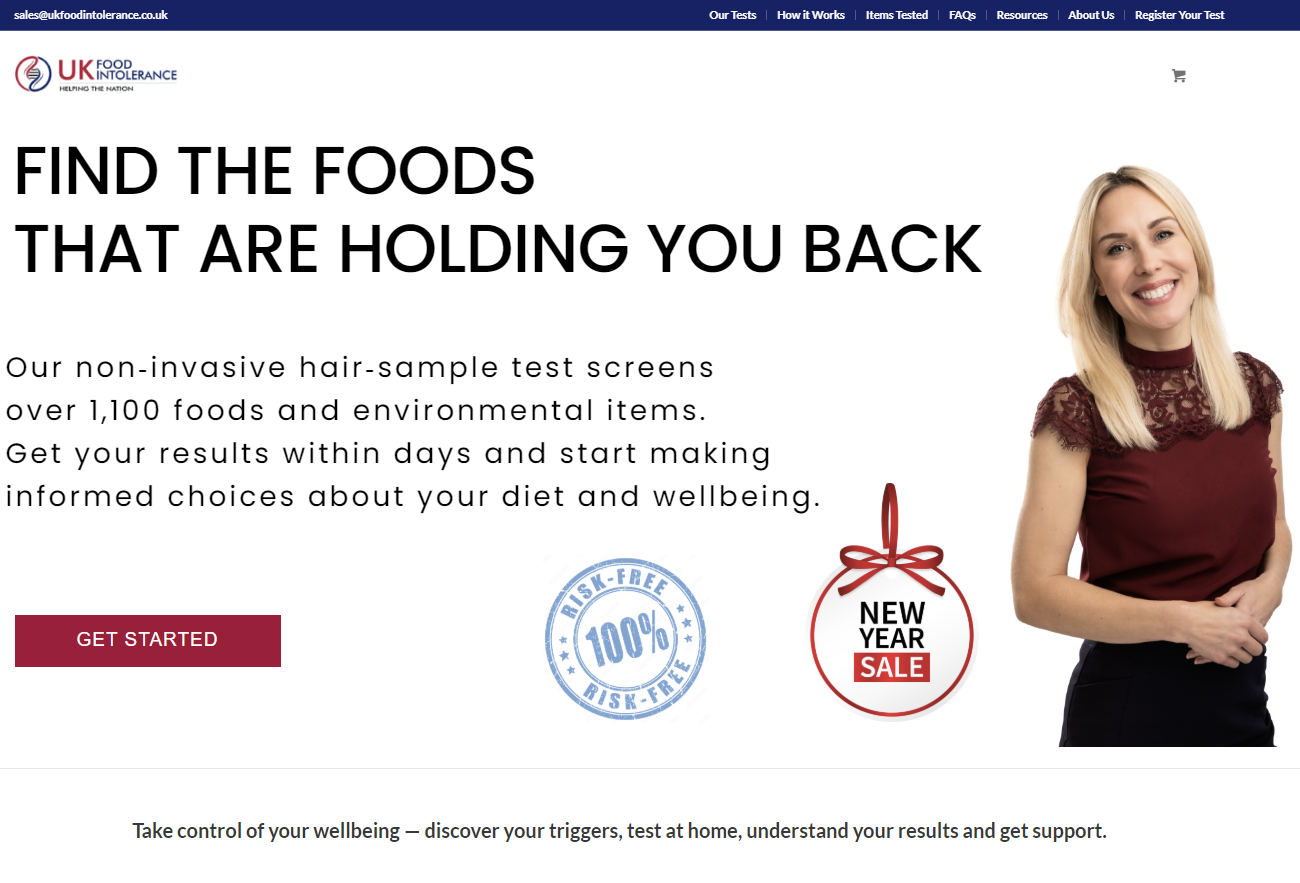
UK Food Intolerance provides expansive allergen panels testing over 1,100 food and environmental items through simple hair sample collection. Results arrive quickly with comprehensive digital reports explaining findings clearly and offering practical dietary guidance. Their UK-based laboratory analysis ensures quality standards whilst supporting timely result delivery within 48-72 hours.
Support resources help you understand and act on results confidently. Access detailed guides for interpreting intolerance results clearly, implementing elimination diets safely, and tracking symptom improvements systematically. This ongoing support transforms raw test data into meaningful health improvements.
Convenient home sampling eliminates travel, appointments, and clinical anxiety entirely. Simply collect your hair sample following provided instructions, mail it securely to their laboratory, and await detailed results. This streamlined process suits busy schedules, mobility limitations, and needle-averse individuals perfectly. Explore their comprehensive food intolerance tests covering 900+ items or browse their full home test kits collection to find the right screening solution matching your needs and budget.
Frequently asked questions
What is non-invasive allergy testing and how does it work?
Non-invasive allergy testing typically involves collecting hair samples at home following simple instructions provided by the testing service. Samples are analysed in UK laboratories using bioresonance technology measuring electromagnetic frequency responses to various allergens. This painless method avoids needles, skin pricks, or clinical appointments entirely whilst screening for food and environmental sensitivities.
How accurate and reliable are non-invasive allergy tests compared to traditional ones?
Non-invasive tests provide helpful screening insights identifying potential sensitivities worth investigating further but are not definitive clinical diagnoses. Traditional skin prick and blood tests remain the gold standard for diagnostic accuracy when confirming IgE-mediated allergies requiring medical management. Professional healthcare advice is recommended to interpret non-invasive results properly and determine whether clinical testing becomes necessary for your situation.
Who should consider using non-invasive allergy testing in the UK?
Non-invasive testing suits people experiencing mild to moderate unexplained symptoms like bloating, fatigue, or skin irritation seeking convenient preliminary screening. It’s ideal for those wanting quick, affordable home-based insights before pursuing clinical evaluation. However, it’s not recommended as sole testing for severe allergic reactions, anaphylaxis risk, or symptoms requiring immediate medical attention.
What are the next steps after receiving my non-invasive allergy test results?
Review your detailed report carefully, focusing on highlighted sensitivities ranked by severity levels. Use provided online resources or expert guidance to plan systematic elimination diets removing identified triggers for 4-6 weeks. Learn to interpret intolerance results clearly using structured frameworks. Consult healthcare professionals for confirmation and ongoing management, particularly if symptoms persist or worsen despite dietary modifications.










Leave a Reply
Want to join the discussion?Feel free to contribute!