

Many UK adults struggle with unexplained health symptoms that seem connected to food but can’t pinpoint the culprits. Traditional testing methods often prove confusing, expensive, or unreliable, leaving you frustrated and no closer to answers. Non-invasive intolerance testing has emerged as a convenient alternative, promising quick results without needles or complex procedures. This article explores what makes these tests appealing in 2026, their limitations, and how to use them responsibly alongside professional guidance to identify potential food triggers affecting your wellbeing.
Table of Contents
- Understanding Food Intolerances And Testing Challenges
- How Non-Invasive Intolerance Testing Works And Its Benefits
- Limitations And Misconceptions About Common Intolerance Tests
- How To Responsibly Choose And Use Non-Invasive Intolerance Testing
- Explore Trusted Non-Invasive Intolerance Testing Options
- FAQ
Key takeaways
| Point | Details |
|---|---|
| Convenience matters | Non-invasive tests avoid needles and clinical visits, making them accessible for busy adults and anxious testers |
| Scientific validation varies | Many commercial tests lack clinical evidence, whilst dietitian-led elimination remains the gold standard |
| IgG tests mislead | These detect past food exposure, not intolerance, and can lead to unnecessary dietary restrictions |
| Professional guidance essential | Always combine test results with qualified health advice to avoid nutritional deficiencies |
| Responsible use brings value | When integrated with symptom tracking and expert support, non-invasive tests can guide helpful dietary adjustments |
Understanding food intolerances and testing challenges
Food intolerances affect a substantial portion of the UK population, with approximately 30% of UK adults experiencing food hypersensitivity symptoms annually. These reactions differ fundamentally from food allergies because they don’t involve IgE antibodies and typically produce delayed, dose-dependent symptoms rather than immediate, life-threatening responses. You might experience digestive discomfort, bloating, fatigue, headaches, skin irritation, or brain fog hours or even days after consuming trigger foods, making connections difficult to identify.
The challenge intensifies when you turn to commercial testing options. Most commercial food intolerance tests, including IgG blood tests and hair sample tests, are not scientifically reliable, creating confusion rather than clarity. These tests proliferate across high street chemists and online marketplaces, promising comprehensive answers but often delivering conflicting or misleading results. The gap between marketing claims and scientific validation leaves many people eliminating foods unnecessarily or missing genuine triggers entirely.
Recognising common intolerance symptoms helps you assess whether testing might benefit your situation:
- Persistent digestive issues like bloating, gas, diarrhoea, or constipation
- Chronic fatigue unrelated to sleep quality
- Recurring headaches or migraines
- Skin problems including eczema, rashes, or unexplained itching
- Joint pain or muscle aches
- Brain fog and difficulty concentrating
Understanding why you might need a food intolerance test begins with recognising these patterns in your daily life. Food intolerance operates differently from allergy because symptoms emerge gradually and severity often depends on quantity consumed. This dose-dependent nature means you might tolerate small amounts of a trigger food but experience symptoms after larger portions, adding another layer of complexity to identification.
The confusion surrounding testing methods stems partly from the scientific community’s ongoing debate about measurement approaches. Whilst IgE testing for allergies has clear clinical validation, intolerance testing lacks standardised, evidence-based protocols. This vacuum allows unproven methods to flourish, leaving you vulnerable to expensive tests that provide little actionable insight.
How non-invasive intolerance testing works and its benefits
Non-invasive testing encompasses several methods that don’t require blood draws, skin pricks, or other invasive procedures. Bio-resonance testing, hair sample analysis, and certain home kits fall into this category, offering accessibility for people uncomfortable with needles or clinical environments. Bio-resonance testing is categorised as a Complementary and Alternative Medicine (CAM) method and not currently recognised as a diagnostic tool by conventional UK medicine, positioning it as indicative rather than definitive.
These tests typically work by collecting a small hair sample you send to a laboratory for analysis. The process takes minutes at home, eliminates appointment scheduling, and delivers digital results within 48 to 72 hours. This convenience factor proves particularly valuable for busy professionals, parents managing children’s health concerns, or individuals in remote areas with limited access to specialist clinics.
The practical benefits extend beyond convenience:
- No needles or blood draws, reducing anxiety and making testing accessible for needle-phobic individuals
- Simple home collection requiring only scissors and an envelope
- Fast turnaround times compared to NHS referral pathways
- Comprehensive panels testing hundreds or thousands of potential triggers simultaneously
- Lower cost compared to private allergy clinic consultations
However, understanding limitations remains crucial. Home food allergy and intolerance testing kits are not accurate and often look for IgG antibodies rather than clinically validated IgE antibodies. This distinction matters because IgG presence indicates past exposure to foods, not intolerance or sensitivity. The role of at-home intolerance tests lies in providing initial guidance rather than medical diagnosis.
Pro Tip: Treat non-invasive test results as conversation starters with qualified health professionals rather than definitive answers. Combine findings with symptom diaries and clinical assessment for the most reliable approach to identifying food triggers.
The appeal of non-invasive testing also includes psychological comfort. Many people delay investigating symptoms because they dread medical procedures or feel dismissed by healthcare providers. Home testing removes these barriers, empowering you to take initial steps towards understanding your body’s responses. This empowerment can motivate broader lifestyle improvements and encourage professional consultation when results suggest patterns worth exploring.

Children particularly benefit from non-invasive approaches. Parents often struggle with the distress of blood draws for young ones, making hair sample testing an attractive alternative for preliminary investigation. The painless process reduces trauma whilst still providing information to guide discussions with paediatricians or dietitians about potential dietary adjustments.
Limitations and misconceptions about common intolerance tests
The scientific community maintains serious reservations about many commercial intolerance tests. IgG food antibody testing is scientifically flawed and not recommended for diagnosing food intolerance because IgG antibodies represent a normal immune response to food consumption. Elevated IgG levels simply confirm you’ve eaten specific foods recently, not that those foods cause symptoms or harm.
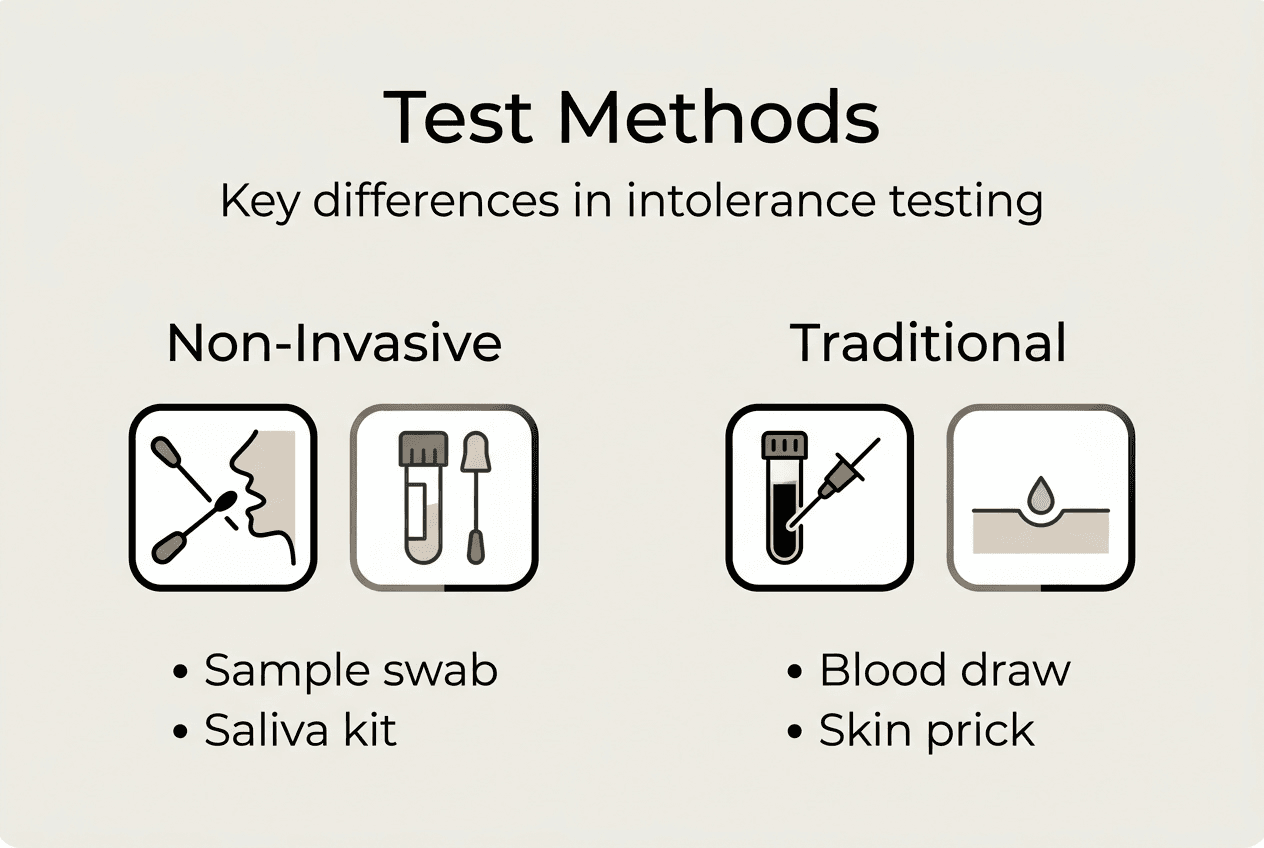
The British Society of Allergy and Clinical Immunology takes a firm stance on this issue. Alternative tests, including IgG, have no proven benefit and may endanger patients via misdiagnosis. This warning highlights real risks beyond wasted money, as inappropriate dietary restrictions based on unreliable results can lead to nutritional deficiencies, disordered eating patterns, and delayed diagnosis of serious underlying conditions.
The harm potential becomes particularly concerning when considering vulnerable populations. Unnecessary food restriction due to unreliable tests can lead to nutritional deficiencies, especially problematic for children, pregnant women, and elderly individuals whose nutritional needs require careful balance. Eliminating entire food groups without proper guidance risks calcium, iron, B vitamin, and fibre deficiencies that impact bone health, energy levels, and digestive function.
| Test Type | What It Measures | Clinical Validity | Best Used For |
| — | — | — |
| IgE allergy test | Immediate allergic antibodies | High, medically recognised | Diagnosing true food allergies with rapid onset |
| IgG intolerance test | Past food exposure antibodies | None, not clinically validated | No recommended use for diagnosis |
| Elimination diet | Symptom response to food removal | Gold standard when supervised | Identifying genuine food triggers safely |
| Bio-resonance test | Electromagnetic frequencies (claimed) | Unproven, not medically recognised | Indicative guidance only, requires professional interpretation |
Pro Tip: Before eliminating foods based on test results, maintain a detailed symptom diary for two weeks. Track what you eat, when symptoms occur, and their severity. This objective data proves more reliable than many commercial tests and helps healthcare providers identify genuine patterns.
Misinformation about testing spreads rapidly through social media and wellness influencers who lack scientific training. You might see dramatic before-and-after stories attributing health transformations to eliminating foods identified by questionable tests. Whilst some people genuinely benefit from dietary changes, correlation doesn’t prove causation. Many factors influence wellbeing simultaneously, making it impossible to attribute improvements solely to test-guided eliminations.
The commercial testing industry also lacks regulation compared to medical diagnostics. Companies can market products with minimal evidence requirements, using testimonials and persuasive language rather than peer-reviewed research. This regulatory gap means you must approach marketing claims sceptically and prioritise tests offering transparency about methodology, limitations, and appropriate use cases.
Understanding these limitations doesn’t mean non-invasive tests offer zero value. When used appropriately as part of a broader investigative approach, they can highlight potential areas worth exploring with professional guidance. The key lies in managing expectations and avoiding the trap of treating results as medical diagnoses requiring immediate, unsupervised dietary overhauls.
Exploring food intolerance tests from reputable providers who acknowledge limitations and encourage professional consultation represents a more balanced approach than dismissing all non-invasive options or accepting results uncritically.
How to responsibly choose and use non-invasive intolerance testing
Selecting a credible test requires research beyond marketing promises. Look for providers offering transparency about their methodology, acknowledging scientific limitations, and encouraging professional consultation. Check independent reviews from verified customers, focusing on feedback about result accuracy, customer service quality, and whether findings aligned with subsequent professional assessments.
Before purchasing any test, prepare properly:
- Maintain a comprehensive symptom diary for at least two weeks, recording foods consumed, portion sizes, timing, and symptom occurrence
- Research the specific testing methodology used and its scientific basis
- Read provider terms carefully, understanding what the test measures and doesn’t measure
- Identify qualified health professionals you can consult for result interpretation
- Set realistic expectations about what results can and cannot tell you
- Budget for potential follow-up consultations with dietitians or nutritionists
A dietitian-led elimination and reintroduction process remains the gold standard for identifying food-related triggers safely. This supervised approach involves systematically removing suspected foods, monitoring symptoms during elimination, then carefully reintroducing items whilst tracking responses. Professional guidance ensures nutritional adequacy throughout and helps distinguish genuine intolerances from coincidental symptom fluctuations.
After receiving test results, follow these guidelines:
- Don’t eliminate foods immediately without professional input
- Schedule a consultation with a registered dietitian to review findings
- Continue your symptom diary, adding flagged foods as focus areas
- Research nutritional implications of any suggested eliminations
- Plan gradual, controlled reintroduction trials for removed foods
- Monitor not just symptom reduction but overall wellbeing and energy levels
- Avoid sharing results on social media before professional verification
- Reassess dietary changes every three months to prevent unnecessary long-term restrictions
Learning how to interpret intolerance results properly prevents common mistakes like eliminating entire food groups based on mild sensitivity indicators. Results typically show sensitivity levels ranging from low to high, but these classifications lack standardised meaning across providers. A high sensitivity reading doesn’t necessarily mean severe symptoms or permanent avoidance requirements.
Parents considering testing for children should review guidance specifically tailored to younger populations. Understanding how to prepare your child for intolerance testing ensures the process remains stress-free whilst maximising the value of results through proper preparation and follow-up.
Responsible testing also means recognising when professional medical investigation takes priority. Persistent symptoms warrant GP consultation to rule out coeliac disease, inflammatory bowel conditions, infections, or other medical issues requiring specific treatment. Non-invasive intolerance tests shouldn’t delay or replace appropriate medical care for potentially serious underlying conditions.
The integration approach works best: use non-invasive tests as one data point alongside symptom tracking, professional assessment, and gradual dietary experimentation. This comprehensive strategy respects both the convenience of home testing and the irreplaceable value of qualified health expertise.
Explore trusted non-invasive intolerance testing options
If you’re ready to investigate potential food triggers affecting your wellbeing, choosing a reputable UK-based provider ensures quality and relevant guidance. UK Food Intolerance offers comprehensive intolerance tests analysing over 900 items to help identify possible sensitivities through convenient hair sample collection. Their service provides detailed digital reports within 48 to 72 hours, giving you actionable insights quickly.
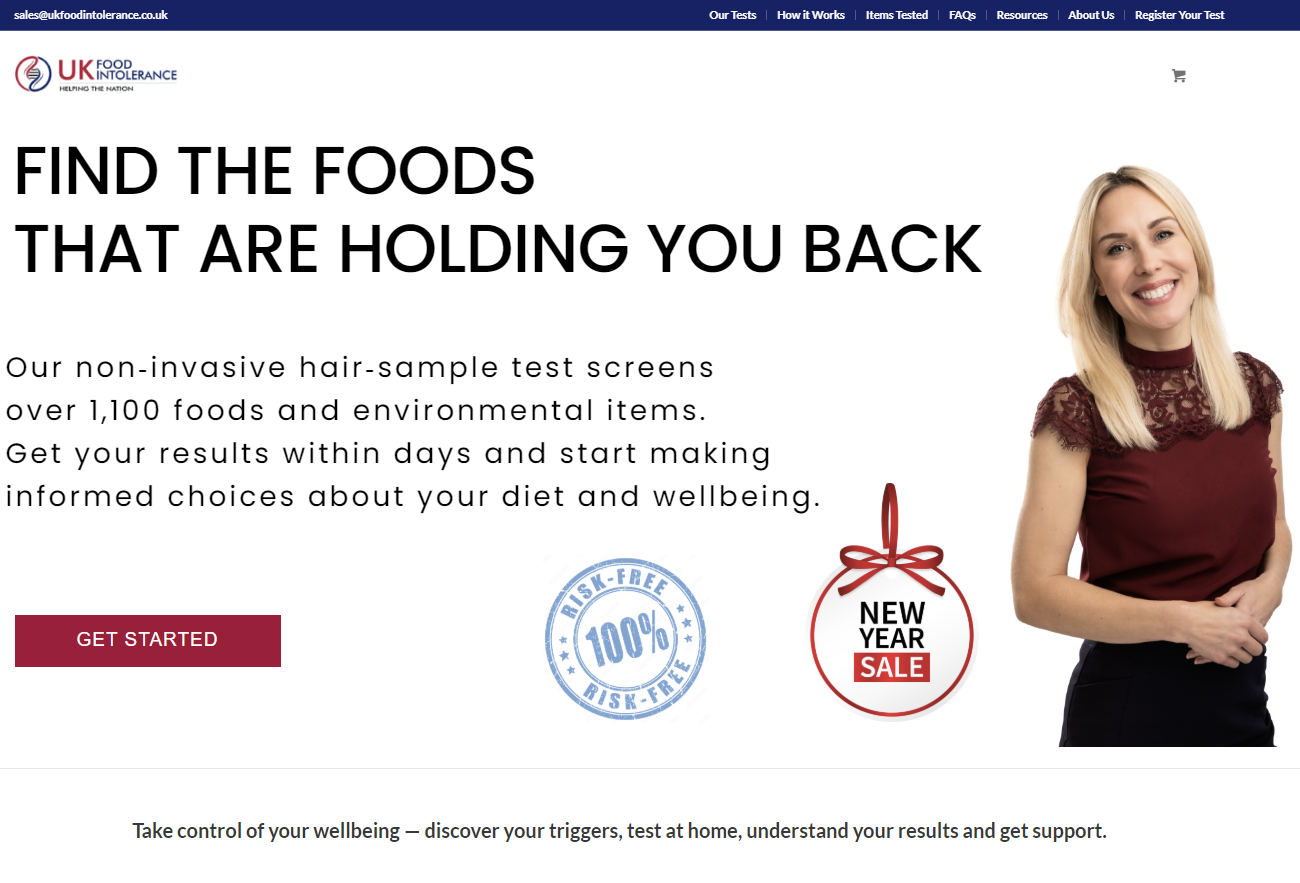
Understanding the benefits of at-home intolerance tests helps you make informed decisions about whether testing suits your situation. The convenience of home collection combined with fast turnaround times makes investigation accessible even with busy schedules. Their resources guide you through interpreting test results and integrating findings into your health journey responsibly, emphasising the importance of professional consultation for dietary changes.
FAQ
Is non-invasive intolerance testing reliable?
Non-invasive tests provide indicative guidance rather than conclusive medical diagnoses and should complement professional health advice. Their reliability varies significantly by methodology, with many lacking scientific validation from conventional medicine. When used as part of a broader investigative approach including symptom tracking and dietitian consultation, they can offer useful starting points for identifying potential triggers.
How does non-invasive testing differ from allergy testing?
Allergy tests measure IgE antibodies responsible for immediate, potentially severe reactions like anaphylaxis. Intolerance tests often detect IgG antibodies or use alternative methods indicating sensitivity rather than true allergy. Allergy testing has clear clinical validation and medical recognition, whilst most intolerance tests lack this scientific backing and serve exploratory rather than diagnostic purposes.
Can I rely solely on home food intolerance kits?
Home kits lack the accuracy and clinical validation necessary for sole reliance on results. They should complement rather than replace symptom tracking, professional evaluation, and supervised elimination protocols. Unsupervised use risks misdiagnosis, unnecessary dietary restrictions, and nutritional deficiencies, particularly concerning for children and vulnerable adults requiring balanced nutrition.
What should I do after receiving my intolerance test results?
Review results with a qualified dietitian or health professional before making dietary changes. Implement any eliminations cautiously under supervision, maintaining nutritional balance throughout. Reintroduce foods gradually whilst monitoring symptoms carefully, and avoid drastic restrictions that could cause deficiencies in essential nutrients like calcium, iron, or B vitamins.
Are bio-resonance tests scientifically proven?
Bio-resonance testing currently lacks recognition as a diagnostic tool by conventional UK medicine and falls under Complementary and Alternative Medicine. Scientific evidence supporting its effectiveness remains limited, with mainstream medical bodies not endorsing it for intolerance diagnosis. Approach results as exploratory information requiring professional interpretation rather than definitive medical findings.
How long should I eliminate foods identified in test results?
Elimination duration depends on individual circumstances and should follow professional guidance rather than arbitrary timelines. Typical supervised elimination trials last four to six weeks, followed by systematic reintroduction to assess genuine sensitivity. Permanent elimination requires strong evidence of consistent symptom improvement and professional nutritional planning to prevent deficiencies.










Leave a Reply
Want to join the discussion?Feel free to contribute!