

TL;DR:
- A digital intolerance report identifies food and environmental sensitivities through bioresonance analysis of a hair sample. It offers quick, non-invasive insights that help guide dietary changes but is not a medical diagnosis. Proper interpretation involves focusing on high-reaction items and consulting professionals for safe, effective adjustments.
A digital intolerance report is a health assessment that identifies how your body reacts to specific foods, drinks, or environmental substances using digital or bioresonance technology. The term “digital intolerance” can cause confusion online, since it also appears in discussions about online hate speech and workplace misconduct. This guide focuses entirely on the health context: understanding what these reports contain, how they work, and whether one could help you identify the food sensitivities behind your unexplained symptoms. If you have been struggling with bloating, fatigue, skin issues, or digestive discomfort, a digital intolerance report may be the starting point you need.
What is a digital intolerance report in health testing?
A digital intolerance report, more formally known as a food sensitivity or bioresonance intolerance assessment, is a detailed document produced after your biological sample is analysed against a database of food and environmental items. The report flags substances your body may be reacting to and grades the severity of each reaction. It is not a medical diagnosis. It is a practical tool for guiding dietary changes and identifying potential triggers.
The term “digital” refers to the technology used in the analysis process, not to an online survey or questionnaire. Bioresonance technology measures the energetic frequencies associated with your sample and compares them to known frequency patterns of foods and substances. Ukfoodintolerance, for example, tests over 900 items including foods, additives, environmental triggers, and non-food substances using this method.
It is worth clarifying one point early. A 2025 Fama Technologies study recorded a 34% rise in online misconduct detection, which sits under a completely different use of the phrase “digital intolerance.” That context relates to workplace behaviour and social media conduct. If you searched for a health report and landed in that territory, you were not alone. Precise search terms like “food intolerance test” or “bioresonance sensitivity report” will always return more relevant results.
How do digital intolerance reports work?
The technology behind the testing
Bioresonance testing is the most common method used in digital intolerance reports. It works by analysing the energetic or electromagnetic frequencies emitted by a biological sample, typically a hair sample, and comparing them to the frequency signatures of hundreds of food and non-food substances. You can read a fuller breakdown of the intolerance testing technology to understand the science in more detail.
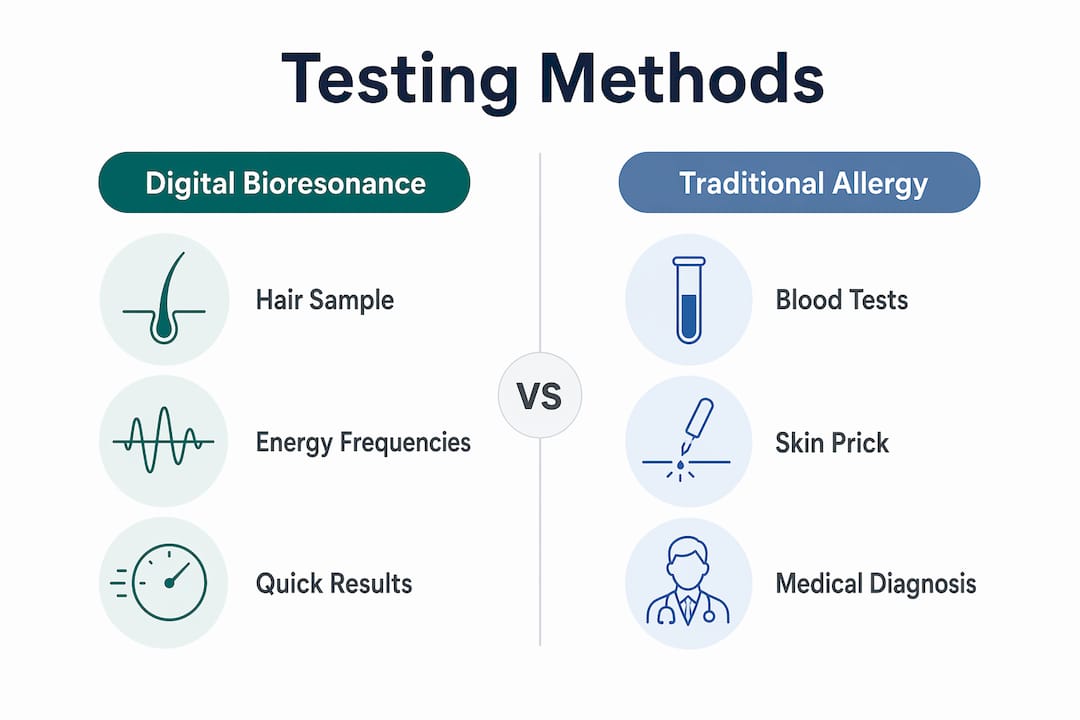
This approach differs significantly from traditional allergy testing, such as skin prick tests or IgE blood tests conducted by the NHS. Traditional allergy tests measure immune system antibodies. Bioresonance assessments measure energetic responses. The two methods answer different questions, which is why they are not interchangeable.
| Feature | Digital bioresonance report | Traditional allergy test |
|---|---|---|
| Sample type | Hair sample | Blood or skin |
| Items tested | 500–1,100+ | Typically 20–40 |
| Turnaround time | 48–72 hours | Days to weeks |
| Invasiveness | Non-invasive | Mildly invasive |
| Medical diagnosis | No | Yes (via clinician) |
| Cost | Affordable, at-home | NHS referral or private clinic |
The sample collection and analysis process
The process is straightforward. You collect a small hair sample at home, place it in the provided envelope, and post it to a UK laboratory. The lab analyses the sample using bioresonance equipment and generates your personalised report. Ukfoodintolerance provides a clear at-home testing workflow so you know exactly what to expect at each stage.
Results are typically delivered digitally within 48–72 hours of the lab receiving your sample. The report arrives as a clear, readable document rather than a raw data file. You do not need a medical background to understand it.
Pro Tip: Collect your hair sample from the root end, not the tip. Root hair contains more biological information and produces more accurate results in bioresonance analysis.
How do you read and interpret your results?
What a typical report contains
A digital intolerance report is structured around a graded list of flagged items. Each substance tested receives a reaction level, often categorised as high, moderate, low, or no reaction. Foods appearing in the high or moderate categories are the ones most worth examining first through an elimination diet.
Reports from Ukfoodintolerance include expert guidance on interpreting results so you are not left guessing. The document will typically cover:
- Flagged foods and substances with individual reaction scores
- Intolerance severity levels graded from low to high
- Dietary recommendations based on your specific results
- Guidance on elimination diets and reintroduction timelines
- Environmental triggers such as dust, pollen, or pet dander where relevant
Common mistakes when reading reports
The most frequent error is treating a high-reaction flag as a confirmed allergy. A sensitivity shown in a bioresonance report is not the same as an IgE-mediated allergic reaction. Confusing the two can lead to unnecessary food restriction or, more seriously, underestimating a genuine allergy that requires medical management.
A second mistake is acting on every flagged item at once. Removing 30 foods from your diet simultaneously makes it impossible to identify which one was actually causing your symptoms. Start with the highest-rated items and work through them methodically.
Pro Tip: If your report flags more than 10 items at a high level, consider sharing the results with a registered dietitian before making major dietary changes. A professional can help you prioritise safely.
What are the benefits and limitations of these reports?
Where digital intolerance reports genuinely help
The clearest benefit is speed and accessibility. 48-hour test results help around 20% of UK adults reduce food intolerance reactions through targeted dietary adjustments. That figure reflects real people making real changes based on their report findings, not a theoretical outcome.
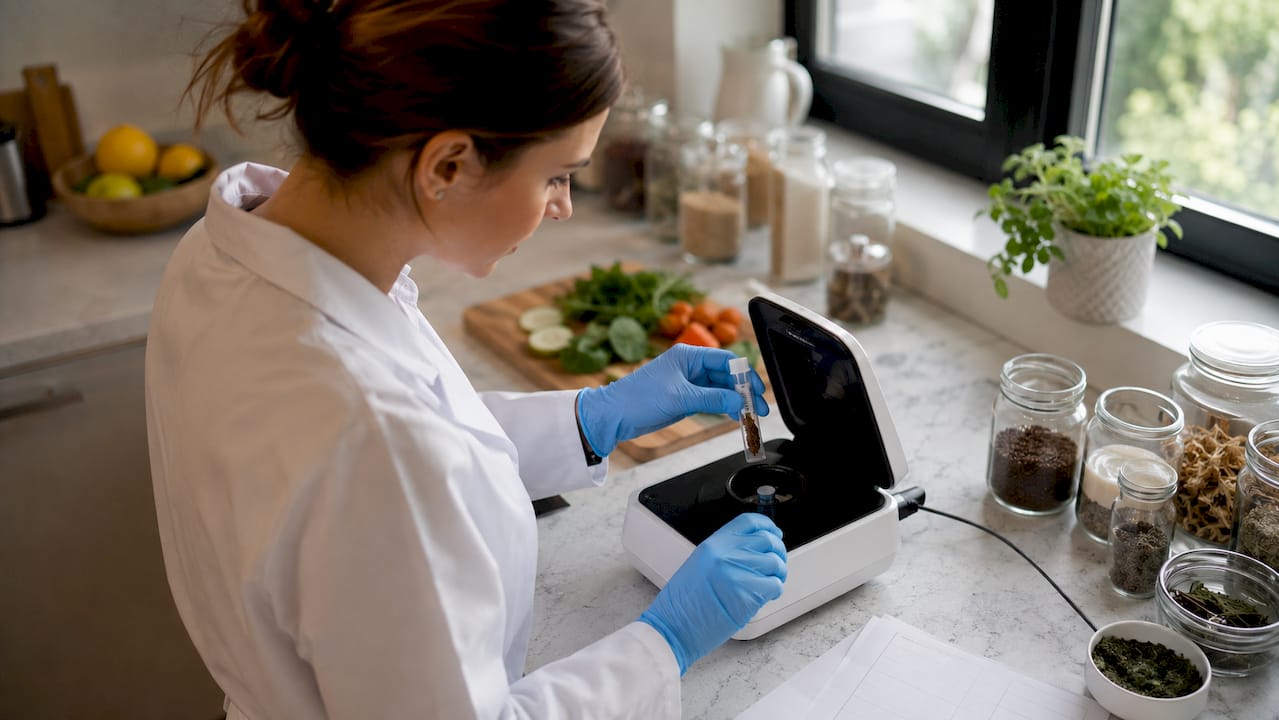
The non-invasive nature of hair sample testing also makes these reports accessible to people who cannot tolerate blood draws, including children and those with needle anxiety. The breadth of items tested is another advantage. A single Ukfoodintolerance Ultimate test covers over 1,100 food and non-food items, far beyond what a standard NHS allergy panel would assess.
Digital reports also pair well with personalised diet planning. After receiving results, many users use the findings to match their diet to their body’s needs, reducing trial-and-error guesswork around food choices.
Honest limitations to consider
Scientific consensus on bioresonance technology is not uniform. Some clinical researchers question its diagnostic accuracy compared to gold-standard medical tests. This does not mean the reports are without value. It means you should treat them as a starting point for investigation, not a final verdict.
Digital intolerance reports are also not regulated in the same way as medical diagnostics in the UK. Choosing a reputable provider matters. Look for UK-based laboratories, clear data protection policies, and transparent methodology. Ukfoodintolerance operates within UK health and privacy compliance standards, which is a baseline you should expect from any provider you consider.
| Benefit | Limitation |
|---|---|
| Fast results (48–72 hours) | Not a medical diagnosis |
| Tests 500–1,100+ items | Scientific debate on accuracy |
| Non-invasive hair sample | No NHS regulatory oversight |
| Accessible and affordable | Requires professional follow-up |
| Personalised dietary guidance | Results need careful interpretation |
How to order a digital intolerance report in the UK
Getting your report is a simple, five-step process:
- Choose your test. Ukfoodintolerance offers two main options: the Core Single Intolerance Test covering 500 items, and the Ultimate Single Intolerance Test covering over 1,100 items. Select based on your budget and the breadth of analysis you want.
- Place your order online. The entire process starts at the Ukfoodintolerance website. No clinic visit or GP referral is needed.
- Collect your hair sample at home. You need a small amount of hair from the root. Full instructions come with your kit. The process takes under five minutes.
- Post your sample to the UK laboratory. Use the prepaid envelope provided. The lab is based in the UK, so your sample does not leave the country.
- Receive your digital report within 48–72 hours. Results arrive by email as a clear, structured document. You can begin reviewing your flagged items immediately.
Costs vary by test type, but both options are priced to be accessible without a private clinic referral. If you need a food intolerance test but are unsure which level of testing suits you, the Ukfoodintolerance website includes guidance to help you decide.
Key takeaways
A digital intolerance report is a bioresonance-based health assessment that flags food and environmental sensitivities through hair sample analysis, giving you a clear starting point for dietary change.
| Point | Details |
|---|---|
| Definition is health-specific | “Digital intolerance report” refers to food sensitivity testing, not online behaviour or tech issues. |
| Bioresonance drives the method | Hair samples are analysed against 500–1,100+ food and non-food frequency signatures. |
| Results need careful reading | Flagged items indicate sensitivities, not confirmed allergies; start with highest-rated foods first. |
| Benefits are real but bounded | Around 20% of UK adults reduce reactions using rapid digital tests, though reports are not medical diagnoses. |
| Provider choice matters | Select UK-based labs with clear data protection and transparent methodology for reliable results. |
My honest view on what these reports can and cannot do
People often arrive at digital intolerance testing after years of unexplained symptoms and inconclusive GP appointments. That frustration is real, and I understand why a clear, fast report feels like a relief. But I have seen people make two opposite mistakes with their results.
The first is dismissing the report entirely because it lacks NHS validation. That is throwing away useful information. If your report consistently flags wheat, dairy, and eggs at a high level, and you have been bloated for three years, that correlation deserves attention. The second mistake is treating the report as gospel and cutting out 20 foods overnight without professional input. That path leads to nutritional gaps and more confusion, not less.
The most sensible approach is to use your digital intolerance assessment as a structured hypothesis. It tells you where to look. An elimination diet, guided by a dietitian, tells you what is actually happening. Used together, the two are genuinely powerful. Used in isolation, either one has limits.
One thing I am confident about: the accessibility of at-home bioresonance testing has changed the conversation around food sensitivities in the UK. People who could never afford private allergy clinics now have a practical first step. That matters, as long as expectations stay grounded.
— Rob
Start your digital intolerance assessment with Ukfoodintolerance
If you have been dealing with unexplained digestive issues, skin flare-ups, or persistent fatigue, a digital intolerance report could give you the clarity you have been looking for.
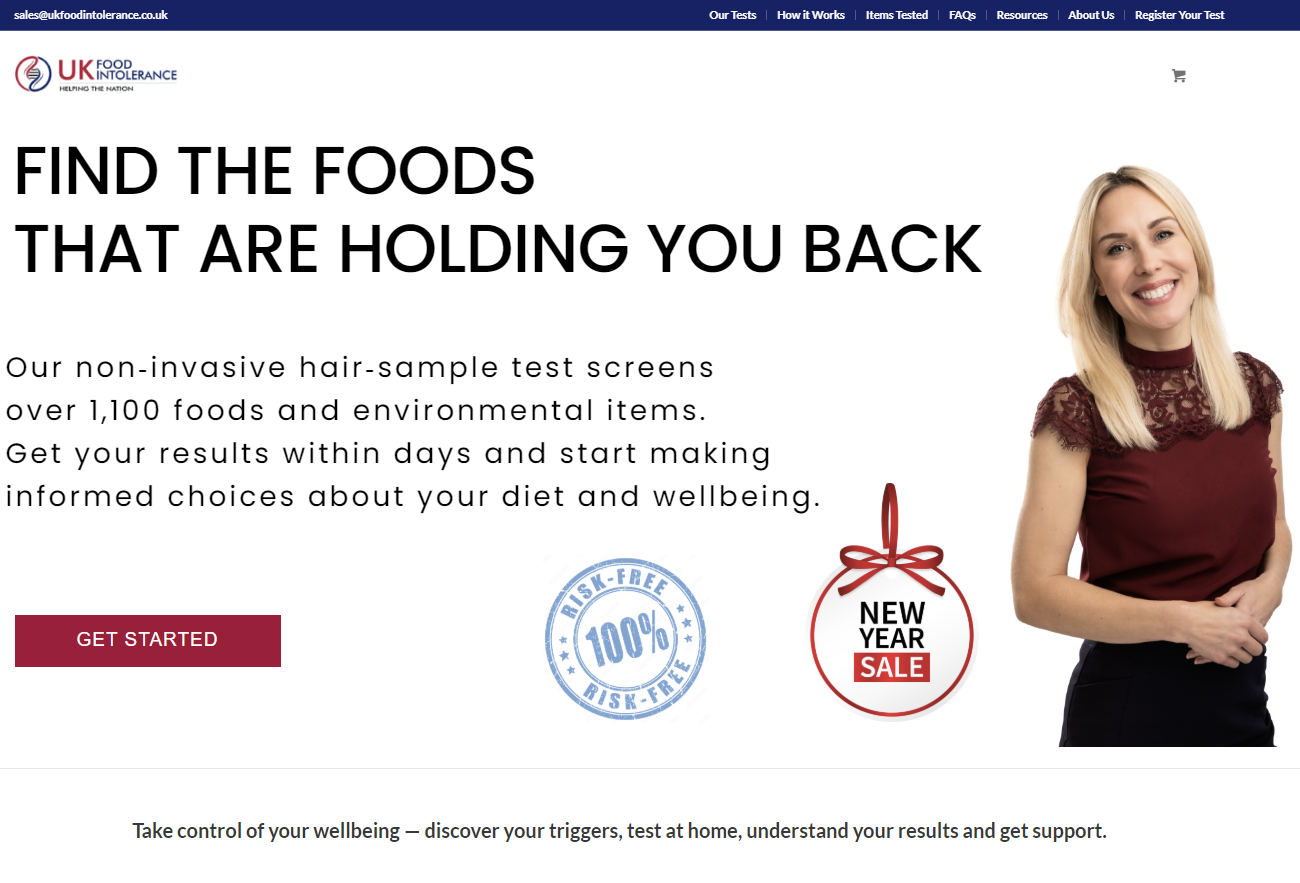
Ukfoodintolerance offers two at-home testing options covering between 500 and 1,100 food and non-food items, with results delivered digitally within 48–72 hours of your sample arriving at the UK laboratory. Both tests are non-invasive, affordable, and come with clear guidance for reading your results. Browse the full range of food intolerance tests to find the right option for you, or explore the step-by-step results guide to understand exactly what your report will show before you order.
FAQ
What does a digital intolerance report actually test?
A digital intolerance report analyses a hair sample against a database of food and non-food substances using bioresonance technology. Ukfoodintolerance tests cover 900+ items, including common foods, additives, and environmental triggers.
Is a digital intolerance report the same as an allergy test?
No. A digital intolerance report identifies sensitivities through bioresonance frequency analysis, while a medical allergy test measures IgE antibody responses in the blood. The two methods are not interchangeable and answer different questions.
How long does it take to receive results?
Most UK providers, including Ukfoodintolerance, deliver digital reports within 48–72 hours of receiving your hair sample at their laboratory. You receive results by email as a clear, structured document.
Can I use my report results without seeing a doctor?
You can begin reviewing your results independently, but consulting a registered dietitian before making significant dietary changes is advisable. Expert guidance helps you act on findings safely and avoid unnecessary food restriction.
Who benefits most from a digital intolerance report?
People experiencing unexplained bloating, fatigue, skin issues, or digestive discomfort with no clear diagnosis are the most likely to benefit. The non-invasive nature of hair sample testing also makes it suitable for children and those who cannot tolerate blood tests.










Leave a Reply
Want to join the discussion?Feel free to contribute!