

Inflammation is your immune system’s response to threat, damage, or disruption. The main trigger categories are biological (infections, tissue injury, autoimmune activity), lifestyle (diet, weight, inactivity, smoking, alcohol, stress, poor sleep), environmental (air pollution, allergens, occupational toxins), and personal susceptibility (genetics, epigenetics, gut microbiome). Understanding triggers of inflammation matters because the timing and duration of the response, whether short-lived and protective or persistent and damaging, determines both the symptoms you experience and the steps that can help.
Two broad patterns exist:
- Biological triggers: pathogens, wounds, cell death, autoimmune dysregulation
- Lifestyle triggers: pro-inflammatory diet, excess weight, sedentary behaviour, tobacco, alcohol, chronic stress, disrupted sleep
- Environmental triggers: air pollution, allergens, occupational chemical exposures
- Personal factors: genetic variants, epigenetic changes, gut microbiome composition
Key takeaways
Inflammation is driven by a combination of biological, lifestyle, environmental, and genetic factors, and understanding your personal triggers is the most direct route to managing it effectively.
| Point | Details |
|---|---|
| Main trigger categories | Biological (infections, autoimmune), lifestyle (diet, weight, smoking, stress, sleep), environmental (pollution), and genetic/microbiome factors all contribute. |
| Acute vs chronic distinction | Acute inflammation resolves in days; chronic inflammation persists for months or years and can damage healthy tissue. |
| UK clinical testing | CRP below 5 mg/L is the standard reference range; NHS guidance recommends CRP alone over ESR in most primary care settings. |
| Diet and biomarkers | A study of 66,978 UK Biobank participants found pro-inflammatory diets raised 16 of 30 measured biomarkers versus anti-inflammatory patterns. |
| Ukfoodintolerance testing | At-home bioresonance hair-sample tests covering 1,450+ items can help identify personal food and environmental sensitivities as an adjunct to clinical care. |
Table of Contents
- What is inflammation, and how do acute and chronic types differ?
- Understanding the biological triggers of inflammation
- How lifestyle and environment raise your inflammatory burden
- Why diet, your gut, and your genes shape your personal response
- How do you identify inflammation and your specific triggers?
- Evidence-based ways to reduce inflammation
- Common myths and the limits of one-size-fits-all advice
- When should you see your GP about inflammation?
- Sources
What is inflammation, and how do acute and chronic types differ?
Inflammation is the immune system’s controlled response to a perceived threat, whether that is a bacterial infection, a sprained ankle, or a damaged cell. The response mobilises white blood cells, chemical signals, and increased blood flow to the affected site, with the goal of containing damage and starting repair.
Acute inflammation is short, localised, and protective. A cut finger swells, reddens, and feels warm for a few days, then heals. The response switches off once the threat is resolved. Chronic inflammation is a different matter entirely. Research published on NCBI Bookshelf confirms that when the immune system stays in a persistent state of alert, the inflammatory process can last months or years and begin damaging healthy tissue rather than protecting it.
A particularly relevant form is metaflammation, a low-grade, systemic, metabolic inflammation that carries no obvious local signs. You will not see redness or swelling. Instead, it tends to surface as persistent fatigue, low mood, or unexplained aches that do not resolve with rest. This pattern is increasingly linked to inflammatory responses associated with chronic disease such as type 2 diabetes and cardiovascular conditions.
Pro Tip: If you have been tired for weeks without a clear reason, or notice low mood alongside non-specific aches, ask your GP whether inflammatory markers are worth checking. Chronic low-grade inflammation rarely announces itself loudly.
Understanding the biological triggers of inflammation
Four principal biological triggers drive an inflammatory response directly:
- Pathogens: Bacteria, viruses, and fungi activate pattern-recognition receptors on immune cells, triggering an immediate response. Most resolve with the infection, but some, such as persistent Helicobacter pylori or Epstein-Barr virus, can sustain chronic inflammation long after the initial illness.
- Tissue injury: Physical trauma, surgery, or repetitive mechanical stress causes cell damage that releases alarm signals (damage-associated molecular patterns, or DAMPs), prompting local inflammation. Unresolved tissue damage, such as in chronic tendinopathy, can keep this signal running.
- Cell death (necrosis): When cells die in a disorganised way rather than through controlled apoptosis, they release intracellular contents that the immune system reads as danger signals.
- Autoimmune dysregulation: In conditions such as rheumatoid arthritis, lupus, or inflammatory bowel disease, the immune system misidentifies healthy tissue as a threat and mounts a sustained inflammatory attack. This is among the most clinically significant causes of chronic inflammation.
Medications interact with these triggers in both directions. NSAIDs (such as ibuprofen) and corticosteroids suppress the inflammatory cascade and are widely used for acute management. Immunosuppressants, used in autoimmune disease, reduce the immune system’s overall activity to limit ongoing tissue damage. None of these address the underlying trigger, which is why identifying the root cause matters alongside symptom management.
How lifestyle and environment raise your inflammatory burden
Poor diet, excess weight, inactivity, smoking, alcohol, chronic stress, disrupted sleep, and air pollution are the most modifiable drivers of raised inflammatory markers, and complementary product context on lifestyle and supplement support can help manage inflammatory health (PRYM Wellness Shop). Expert commentary from Which? links this cluster of modern lifestyle factors to rising inflammatory profiles and warns that poor diet, obesity, and sedentary behaviour can create what researchers describe as “accelerated ageing” of inflammatory markers, even in younger people.
Here is how each factor works:
- Pro-inflammatory diet: Ultra-processed foods, refined carbohydrates, and high intakes of saturated fat promote the production of pro-inflammatory cytokines. The effect is cumulative across weeks and months, not a single meal.
- Excess adipose tissue: Fat cells, particularly visceral fat around the abdomen, are metabolically active and secrete inflammatory cytokines including TNF-alpha and IL-6. This is the biological basis of metaflammation in people with obesity.
- Sedentary behaviour: Regular movement suppresses inflammatory signalling. Prolonged sitting, by contrast, is independently associated with raised CRP levels even after controlling for overall fitness.
- Tobacco: Cigarette smoke contains hundreds of oxidative compounds that directly activate inflammatory pathways in the airways and systemically. Smoking is one of the strongest modifiable drivers of chronic systemic inflammation.
- Alcohol: Heavy or regular alcohol consumption disrupts gut barrier integrity, allowing bacterial products to enter the bloodstream and trigger a systemic immune response.
- Chronic stress: Sustained psychological stress elevates cortisol, which initially suppresses inflammation but, over time, causes immune cells to become resistant to cortisol’s anti-inflammatory signals, raising baseline inflammation.
- Poor sleep: Sleep is when the body regulates inflammatory cytokines. Consistently sleeping fewer than six hours is associated with raised IL-6 and CRP levels.
- Air pollution and occupational exposures: Particulate matter (PM2.5) and nitrogen dioxide trigger airway and systemic inflammation. Occupational exposures to silica dust, asbestos, or chemical solvents can sustain localised and systemic inflammatory responses over years.
Measurable changes to inflammatory markers from lifestyle modification typically appear within eight to twelve weeks of consistent change, which makes these factors both the most damaging and the most responsive to intervention.
Why diet, your gut, and your genes shape your personal response
Diet and the gut microbiome are major modulators of inflammatory risk, but the same food or exposure can trigger a measurable response in one person and none in another. UK Biobank research confirms that genetic and epigenetic variation explains a significant part of this individual difference, which is why one-size-fits-all dietary advice so often falls short.
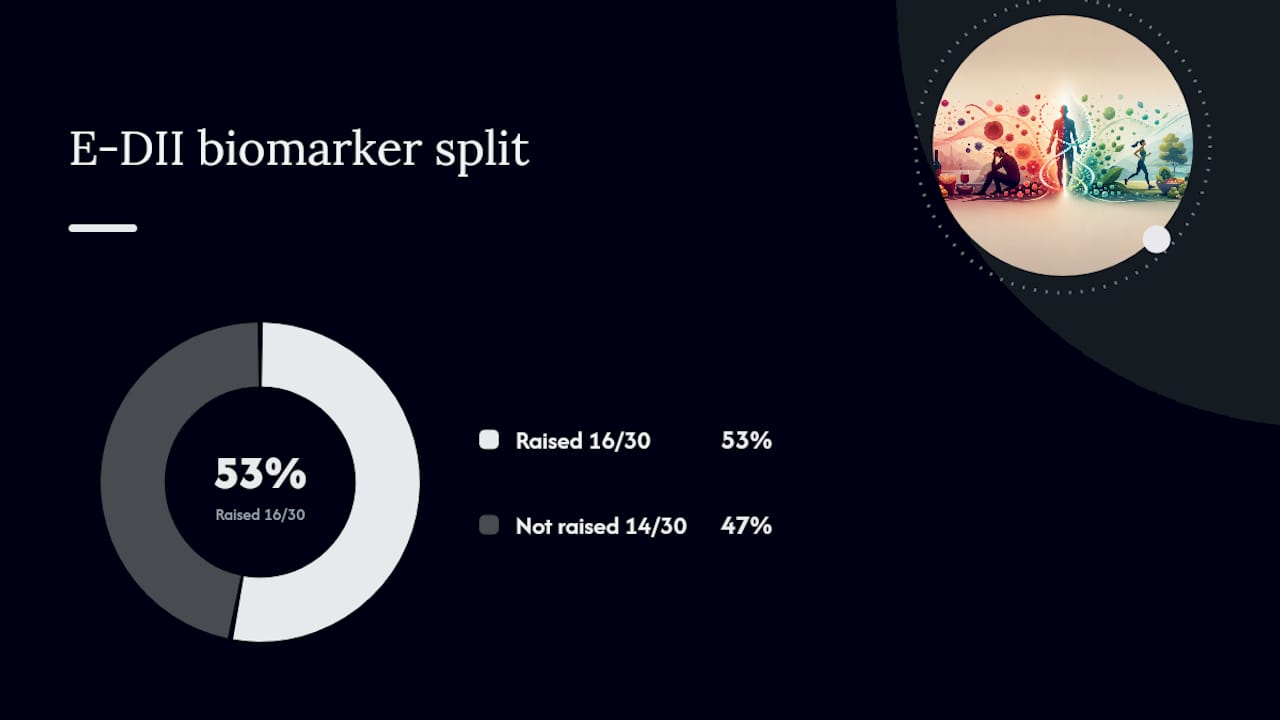
One useful research tool is the Energy-Adjusted Dietary Inflammatory Index (E-DII), which scores overall dietary patterns by their likely effect on inflammatory biomarkers rather than focusing on single foods. A large cross-sectional analysis using 66,978 healthy UK Biobank participants found that pro-inflammatory diets, scored by E-DII, were associated with an adverse profile across 30 biomarkers, with raised levels in 16 of those biomarkers compared with anti-inflammatory dietary patterns. The biomarkers spanned cardiometabolic, liver, and renal health, illustrating how far-reaching dietary inflammation effects can be.
| Finding | Detail |
|---|---|
| Study population | 66,978 healthy UK Biobank participants |
| Dietary tool used | Energy-Adjusted Dietary Inflammatory Index (E-DII) |
| Biomarkers assessed | 30 biomarkers across cardiometabolic, liver, and renal health |
| Biomarkers raised on pro-inflammatory diet | 16 of 30 biomarkers showed adverse associations |
| Implication | Dietary pattern, not single foods, drives measurable biomarker change |
The gut microbiome adds another layer. A diverse, balanced microbiome helps regulate immune signalling and keeps the gut barrier intact. Dysbiosis, an imbalance in microbial populations caused by antibiotics, poor diet, or stress, can increase gut permeability and allow bacterial fragments to enter the bloodstream, triggering a systemic immune response. UK Biobank projects investigating plant-based diets and multimorbidity are actively exploring how plant-rich dietary patterns may support microbiome diversity and reduce inflammatory burden.
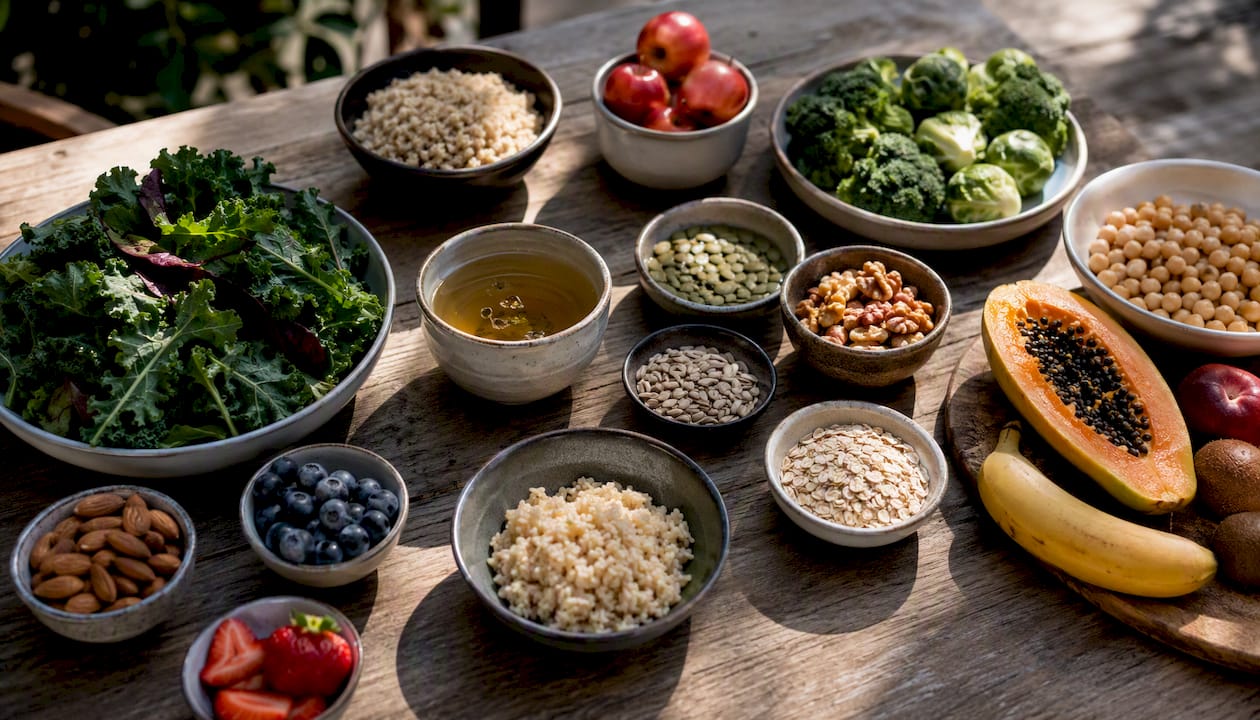
The practical consequence: a Mediterranean-style or plant-forward dietary pattern, sustained over months, tends to produce more consistent reductions in inflammatory markers than eliminating a single food. Personalised testing, whether clinical or at-home, can help you identify which specific foods or environmental items your body responds to, making targeted adjustments far more efficient than broad guesswork. You can read more about matching your diet to your body’s responses on the Ukfoodintolerance site.
How do you identify inflammation and your specific triggers?
The most common clinical tests for inflammation in the UK are C-reactive protein (CRP), erythrocyte sedimentation rate (ESR), and a full blood count (FBC). UK pathology guidance states that the typical adult CRP reference range is below approximately 5 mg/L, and that CRP is the preferred first-line marker. Critically, neither CRP nor ESR can reliably rule out inflammation as a cause of non-specific symptoms; they are most useful when a result will directly change clinical management.
NHS England guidance on optimising blood testing is clear: ESR adds no new information over CRP in most primary care settings and should not be requested routinely alongside it. CRP alone is preferable outside specific rheumatology indications.
| Test type | Purpose | Timeframe | What it can show | Key limitation |
|---|---|---|---|---|
| Clinical lab CRP/ESR | Detect active systemic inflammation | Days (GP referral) | Raised inflammatory burden; monitors known conditions | Cannot identify specific trigger; not diagnostic for all chronic conditions |
| Point-of-care CRP (GP surgery) | Rapid triage in acute settings | Minutes | Whether acute inflammation is present | Same interpretive limits as lab CRP |
| At-home sensitivity testing (bioresonance) | Identify candidate food/environmental triggers | 48–72 hours for report | Items your body may be responding to; guides elimination trials | Not a clinical diagnostic test; results should be discussed with a clinician |
A practical workflow for identifying your triggers:
- Note your symptoms with dates, severity, and any patterns linked to food, environment, or activity.
- See your GP if symptoms are persistent, severe, or include any red flags (see below).
- Request targeted blood tests where clinically indicated: CRP, FBC, and any condition-specific markers your GP recommends.
- Consider at-home sensitivity testing as an adjunct, particularly for non-urgent, exploratory identification of food or environmental triggers. Learn how intolerance tests work before ordering.
- Discuss results with your clinician before making major dietary changes, especially if you have an existing health condition.
On retesting: NHS guidance suggests retesting inflammatory markers only when the result will change management, not on a fixed calendar. For lifestyle-driven inflammation, retesting CRP after eight to twelve weeks of consistent dietary or exercise change gives a meaningful signal.
Evidence-based ways to reduce inflammation
The most effective levers for lowering inflammatory burden are dietary pattern improvement, weight management, regular exercise, adequate sleep, stress reduction, stopping smoking, and limiting alcohol. These are not separate interventions; they work synergistically, and Harvard Health’s inflammation resource consistently highlights dietary patterns over single “superfoods” as the preferred strategy.
Practical steps with realistic targets:
- Adopt a Mediterranean-style or plant-forward diet. Prioritise vegetables, legumes, wholegrains, oily fish, olive oil, and nuts. Reduce ultra-processed foods, refined sugars, and red meat. This pattern consistently reduces CRP in clinical trials over eight to twelve weeks.
- Aim for 150 minutes of moderate exercise weekly. Brisk walking, cycling, or swimming at this level suppresses pro-inflammatory cytokines and raises anti-inflammatory IL-10. Even breaking up prolonged sitting with short walks produces measurable effects.
- Reach or maintain a healthy weight. Reducing visceral fat directly lowers the cytokine output that drives metaflammation. Even a modest 5–10% reduction in body weight produces measurable improvements in inflammatory markers.
- Sleep 7 or more hours per night. Prioritise consistent sleep and wake times; irregular schedules disrupt cytokine regulation even when total hours are adequate.
- Manage chronic stress. Mindfulness-based stress reduction (MBSR), cognitive behavioural therapy (CBT), and regular physical activity all have evidence for lowering stress-driven inflammatory markers.
- Stop smoking. Inflammatory markers begin to fall within weeks of stopping. The NHS Stop Smoking Service provides free, structured support.
- Limit alcohol. Keeping within the UK Chief Medical Officers’ low-risk guideline of no more than 14 units per week reduces gut-barrier disruption and systemic immune activation.
Where inflammation is driven by autoimmune disease or systemic pathology, medication, including NSAIDs, disease-modifying antirheumatic drugs (DMARDs), or biologics, is often necessary alongside lifestyle changes. Your GP or specialist should lead those decisions.
Pro Tip: Before overhauling your entire diet, consider using at-home sensitivity testing to identify which specific foods or environmental items your body may be reacting to. Targeted dietary adjustments for food sensitivity are often more sustainable than broad elimination.
Common myths and the limits of one-size-fits-all advice
Many popular claims about inflammation overstate certainty. Personalisation and clinical oversight matter far more than any single dietary rule.
A few important clarifications:
A single food rarely causes systemic chronic inflammation by itself. Dietary inflammation reflects long-term patterns, not individual meals. Blaming one ingredient, whether gluten, dairy, or nightshades, without evidence from a structured elimination and reintroduction protocol is rarely productive.
CRP and ESR are not diagnostic for every symptom. Raised markers confirm that inflammation is present somewhere; they do not identify the cause. Normal markers do not rule out low-grade or localised inflammation, particularly in early autoimmune disease.
“Anti-inflammatory” food labelling is a simplification. No single food switches off inflammation. The term describes a dietary pattern effect measured across populations, not a guaranteed individual outcome.
Generic advice fails because individual genetic variants, microbiome composition, medication interactions, and multimorbidity all shape how your body responds. Royal Berkshire NHS Trust patient information on reducing chronic inflammation notes that low-grade systemic inflammation often presents with non-specific symptoms, such as fatigue and low mood, that are easy to attribute to other causes. An iterative, measured approach, tracking symptoms, testing markers, adjusting one variable at a time, consistently outperforms sweeping changes made without a baseline.
When should you see your GP about inflammation?
See your GP promptly if you experience any of the following:
- Unexplained high fever (above 38°C) lasting more than a few days
- Severe or rapidly progressive joint swelling, particularly if affecting multiple joints
- Significant unintentional weight loss over weeks or months
- Persistent severe fatigue that does not improve with rest
- Unexplained bleeding or bruising
- Rapidly progressive neurological symptoms, such as weakness, numbness, or vision changes
- Chest pain or breathlessness that could indicate cardiac or pulmonary inflammation
When you attend, bring a written summary of your symptoms: when they started, how they have changed, any patterns you have noticed, and any relevant family history of autoimmune or inflammatory conditions. Ask specifically whether CRP and a full blood count are appropriate given your symptoms. Your GP may also arrange imaging or refer you to a specialist such as a rheumatologist, gastroenterologist, or neurologist depending on the clinical picture.
Routine, non-urgent symptoms such as mild bloating, low energy, or skin reactions that fluctuate with diet do not typically require urgent assessment, but are worth raising at a planned GP appointment, particularly if they have persisted for more than four to six weeks.
Why a measured, evidence-led approach is the one worth taking
The volume of information about inflammation online can feel confusing, and much of it oversimplifies. What the evidence actually shows is that inflammation is a spectrum, not a binary state, and that the triggers are almost always multiple and interacting. A single blood test or a single dietary change rarely tells the whole story.
What does work is building a clear picture: understanding your symptoms, getting appropriate clinical tests where indicated, and then using additional tools, including at-home sensitivity testing, to fill in the gaps that standard blood panels cannot address. At-home testing is not a replacement for clinical assessment. It is a practical, non-invasive way to generate hypotheses about personal food and environmental triggers, which you can then test through structured elimination and, ideally, discuss with your GP or a registered dietitian.
If you have symptoms that concern you, please see your GP first. If you have already had a clinical assessment and want to explore personal dietary triggers more specifically, that is exactly where tools like the ones Ukfoodintolerance offers can add genuine value.
How Ukfoodintolerance can help you identify your personal triggers
Ukfoodintolerance offers at-home bioresonance-based sensitivity testing using a simple hair sample, with detailed digital reports delivered within 48–72 hours. For people who have already had clinical inflammation markers checked and want to explore which specific foods or environmental items may be contributing to their symptoms, this kind of personalised testing provides a practical next step.

Key details about the service:
- Tests cover over 1,450 items, including foods, environmental factors, nutritional indicators, and gut biome markers
- Results are delivered as a clear digital report with guidance on how to use findings in an elimination diet
- The process is non-invasive: collect a small hair sample at home and post it to a UK-based laboratory
- Reports should be used alongside, not instead of, clinical advice, particularly for significant or persistent symptoms
Ukfoodintolerance is clear that bioresonance testing is not a medical diagnostic tool and does not replace GP assessment. It is designed as an adjunct for people who want to understand their personal sensitivities more specifically. Browse the full range of at-home intolerance tests to find the option that fits your needs, or read more about the methodology behind the testing approach before you order.
Sources
The following sources were used in preparing this article and are worth consulting directly for original guidance and research:
- Inflammation and innate immunity (NCBI Bookshelf)
- Inflammatory marker testing (BNSSG/Regional pathology guidance)
- Life-style factors and their interactions with genes in the context of inflammation (UK Biobank project)
- Optimising blood testing in primary care (NHS England guidance)
This article is general information, not a substitute for advice from a qualified doctor. Consult a qualified healthcare professional about your own circumstances before acting on anything here.










Leave a Reply
Want to join the discussion?Feel free to contribute!