
TL;DR:
- Bioresonance testing provides a painless, non-invasive way to screen for food and environmental sensitivities.
- However, scientific evidence backing its diagnostic validity is limited, and it should be used alongside traditional medical tests.
Bioresonance testing offers a non-invasive, painless way to screen for food intolerances, environmental sensitivities, and a range of health imbalances, all without needles or skin pricks. For many people in the UK, that alone makes it worth exploring. The core advantages of bioresonance testing include:
- No needles or invasive procedures — testing uses hair samples or electrode contact, not blood draws
- Broad scope — a single test can screen hundreds or even over 1,100 food and non-food items
- Quick turnaround — digital reports are typically available within a few days
- At-home convenience — you collect your own sample and post it to a laboratory
- Complementary use — results can sit alongside, not replace, conventional medical advice
- Accessible starting point — useful for people with unexplained symptoms who want a first step before seeking clinical testing
That said, bioresonance is not a medically validated diagnostic tool, and understanding both its strengths and its limits helps you use it wisely.
How does bioresonance testing actually work?
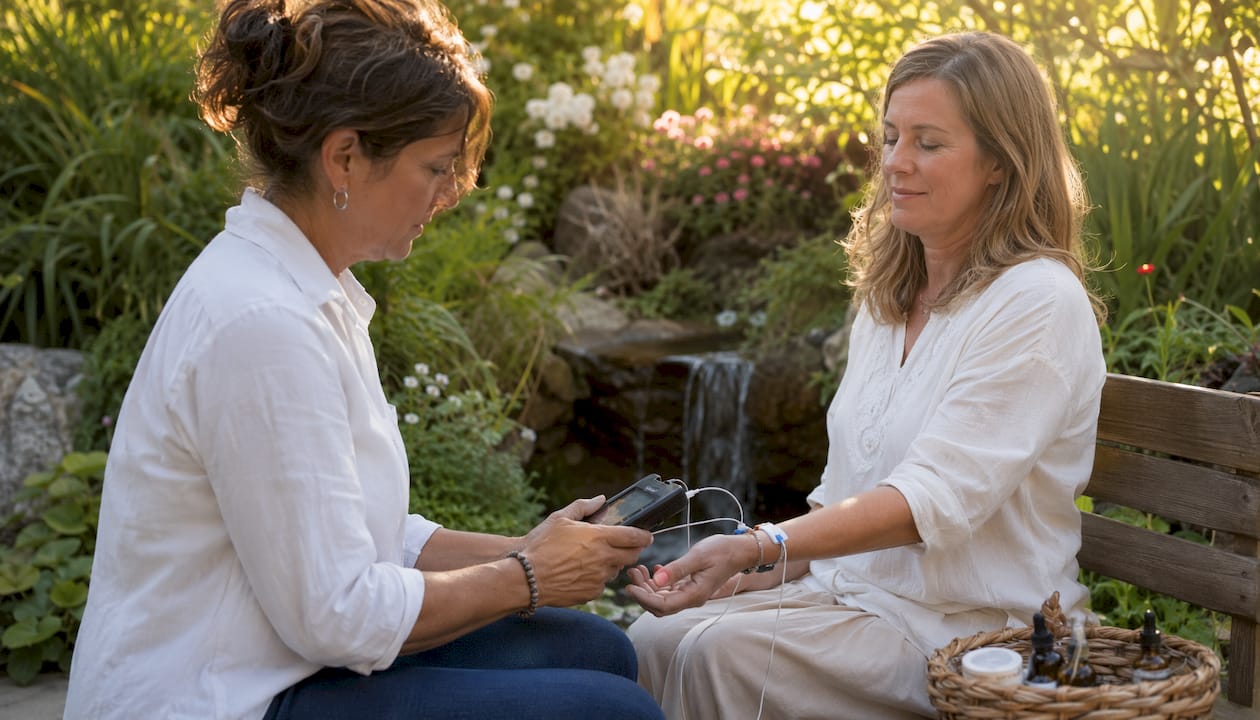
Bioresonance is based on the theory that every cell in the body emits electromagnetic oscillations, and that these frequencies shift when tissues are under stress or affected by intolerances. A bioresonance device reads these frequency patterns and flags where they deviate from a healthy baseline. In clinical settings, this typically involves electrodes placed on the skin; in at-home services, a hair sample carries the frequency data instead.
The hair sample is sent to a UK laboratory, where specialist equipment analyses the electromagnetic signals digitally. The process is quick and entirely painless. Results are compiled into a detailed digital report, usually delivered within 48–72 hours of the lab receiving your sample.
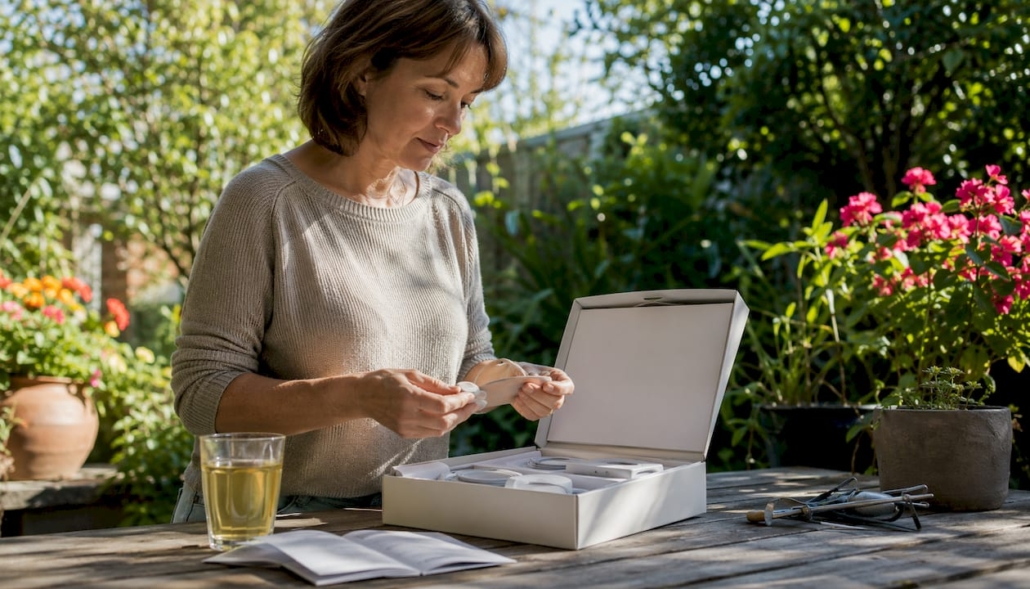
- Hair is collected at home using a simple kit
- The sample is posted to the laboratory
- Frequency analysis identifies potential sensitivities across food and environmental categories
- A digital report maps out flagged items clearly
- No appointment, no waiting room, no discomfort
Pro Tip: Collect your hair sample from the root where possible. Root hair carries stronger frequency signals and tends to produce more consistent results in laboratory analysis.
A typical at-home session takes just a few minutes to collect the sample. The laboratory processing time, not the collection itself, accounts for most of the 48–72 hour window. You can read more about the bio-resonance technology guide to understand the methodology in depth.
What health conditions can bioresonance testing assess?
Bioresonance testing is most commonly used to screen for food intolerances and environmental sensitivities, but its claimed scope extends further. Providers typically offer screening across the following areas:
- Food intolerances — dairy, gluten, wheat, eggs, nuts, and hundreds of other dietary items
- Environmental sensitivities — pollen, dust mites, pet dander, mould, and household chemicals
- Digestive concerns — bloating, IBS-type symptoms, and gut discomfort linked to dietary triggers
- Skin sensitivities — items that may contribute to eczema flare-ups or skin irritation
- Nutritional markers — some panels include vitamins, minerals, and gut bacteria indicators
- Stress and mood markers — a small number of providers include screening for stress-related frequency patterns
Ukfoodintolerance’s environmental sensitivity testing covers a wide range of non-food triggers alongside its food panels. The Ultimate Single Intolerance Test screens over 1,100 food and non-food items, while the Core Single Intolerance Test covers 500 items, giving you a choice based on how broad you want your screening to be.
What does the science say about bioresonance effectiveness?
This is where honest assessment matters most. The scientific evidence for bioresonance as a diagnostic or therapeutic tool is, at present, limited and contested.
Electrodermal testing, a method closely related to bioresonance, performed no better than chance at distinguishing allergic individuals in a double-blind study with a large number of observations. That is a significant finding. The Advertising Standards Authority has ruled that marketing claims for bioresonance therapy are misleading, citing a lack of clinical trial data to support them. Separately, test results can vary widely for the same sample on different occasions, which raises real questions about reproducibility.
Small studies have reported improvements in symptoms such as muscular pain and low mood, but researchers note that placebo effects are a major confounder and that larger, well-controlled trials are needed before firm conclusions can be drawn.
| Claim | Evidence status |
|---|---|
| Diagnosing food allergies | Not supported by clinical trials |
| Identifying food intolerances | Anecdotal; not validated by controlled studies |
| Treating eczema in children | Randomised trial showed no efficacy |
| Treating asthma | No scientific evidence |
| Symptom improvement (general) | Small studies show some benefit; placebo effect likely |
The NHS recommends validated clinical tests, such as skin prick tests and IgE blood tests, as the gold standard for allergy diagnosis. Bioresonance sits outside that framework.
Are there any risks or side effects to be aware of?
The physical safety profile of bioresonance testing is generally considered low risk. No significant side effects have been reported from the testing process itself. The procedure is painless, and at-home hair sample collection carries no physical risk whatsoever.
The more meaningful risks are indirect:
- Misleading results — tests may flag intolerances that do not exist, or miss genuine ones
- Unnecessary dietary restriction — acting on inaccurate results can lead to cutting out foods without cause
- Nutritional deficiencies — the British Dietetic Association warns that tests wrongly identifying multiple food exclusions can cause deficiencies, particularly in children without dietitian supervision
- Delayed conventional care — relying on bioresonance results instead of seeking medical advice can delay proper diagnosis
- Psychological stress — receiving a long list of flagged items can cause unnecessary anxiety
The sensible approach is to treat bioresonance results as a starting point for conversation with your GP or a registered dietitian, not as a definitive diagnosis. An elimination diet checklist can help you structure any dietary changes safely and systematically.
Bioresonance in the UK: benefits, limits, and the regulatory picture
Bioresonance testing holds genuine appeal for people who want a quick, non-invasive, and broad health screen. Its practical advantages are real: no clinical appointment needed, no needles, fast results, and a wide range of items covered in a single test. For someone experiencing unexplained bloating, skin reactions, or fatigue, it offers an accessible first step.
The MHRA sets the regulatory bar clearly: any device making medical claims must meet Medical Device Regulations, and many bioresonance products fall short. The British Association of Dermatologists and the British Dietetic Association both advise caution around unvalidated hair-based intolerance tests, citing the risk of misleading results. These are not fringe opinions; they reflect the current UK clinical consensus.
Where bioresonance works best is as a complementary tool, not a replacement for NHS-validated testing. Used alongside professional guidance, it can help you identify potential dietary triggers to explore further. The cost is generally accessible compared to private clinical allergy panels, and the at-home format removes barriers for people who struggle to access GP appointments quickly.
How Ukfoodintolerance makes bioresonance testing work for you
Ukfoodintolerance has built its service around making bioresonance testing as clear, convenient, and supportive as possible for people in the UK.
- At-home hair sample collection — no clinic visit required; the kit arrives by post
- UK laboratory processing — samples are analysed at a UK-based lab for fast, reliable turnaround
- Digital reports within 48–72 hours — results arrive clearly formatted and easy to read
- Two test options — the Core Single Intolerance Test covers 500 items, while the Ultimate Single Intolerance Test screens over 1,100 food and non-food items
- Educational resources — guides on interpreting results, elimination diets, and understanding bioresonance methodology
- Customer support — clear guidance is available throughout the process
Pro Tip: If you are new to intolerance testing, start with the Core Single Intolerance Test to get a clear picture of your most likely triggers before committing to a broader panel.
Ukfoodintolerance also provides bioresonance research and methodology resources so you can understand exactly how the technology works and what the results mean. Transparency about both the benefits and the limitations of the testing process is central to how the service is presented.
Ready to find out what might be affecting your wellbeing? Explore the full range of food intolerance tests from Ukfoodintolerance and get your results within 48–72 hours.
Key takeaways
Bioresonance testing offers genuine practical advantages as a non-invasive, broad-scope screening tool, but its clinical validity remains unproven and it should complement rather than replace NHS-validated diagnostics.
| Point | Details |
|---|---|
| Non-invasive and painless | Hair sample collection carries no physical risk and requires no clinical appointment. |
| Broad screening scope | Tests can cover 500 to over 1,100 food and non-food items in a single submission, depending on whether you choose the Core Single Intolerance Test (500 items) or the Ultimate Single Intolerance Test (over 1,100 items). |
| Fast digital results | Reports are typically delivered within 48–72 hours of the lab receiving your sample. |
| Limited clinical validation | Electrodermal testing performed no better than chance in a double-blind study with a large number of observations. |
| Use as a complementary tool | Bioresonance results work best as a starting point, reviewed alongside GP or dietitian advice. |










Leave a Reply
Want to join the discussion?Feel free to contribute!