

A digital intolerance report can help you identify candidate food and environmental triggers. It is not a clinical diagnosis, and acting on it without professional guidance carries real risks. The NHS advises that many home tests claiming to diagnose food intolerances are not recommended due to limited evidence, and both the NHS and the British Dietetic Association warn against self-restricting multiple food groups without professional supervision. Use your report as a starting point for structured investigation and not as a reason to overhaul your diet overnight.
Safety alert: If you are considering removing several foods at once, or if the report is for a child, speak to your GP or a registered dietitian first. Unnecessary exclusions carry a genuine risk of nutritional deficiency.
Key takeaways
A digital intolerance report is a prioritisation tool that works best when paired with a structured elimination plan, a symptom diary, and professional oversight for complex or high-risk cases.
| Point | Details |
|---|---|
| Reports are not diagnoses | Use flagged items as candidates to investigate, not confirmed intolerances to eliminate immediately. |
| Check ISO15189 accreditation | Verify the processing lab holds this standard before acting on any result. |
| Trial one food at a time | Remove a single flagged item for 2–4 weeks, then reintroduce and record any reproducible symptom change. |
| Seek professional help for red flags | Anaphylaxis symptoms, unexplained weight loss, or child nutrition concerns require a GP or dietitian, not self-management. |
| Ukfoodintolerance provides structured support | Core (500 items) and Ultimate (1,100+ items) panels come with UK lab analysis, 48–72 hour digital reports, and interpretation resources. |
Table of Contents
- What does a digital intolerance report actually show you?
- How do common test methods compare on evidence?
- What are the safety risks of acting on report results?
- How to use a digital intolerance report without harming your health
- How do you evaluate a test provider before you buy?
- What should you do next if your report flags items?
- Ukfoodintolerance: clear digital reports with UK lab analysis
- A note on responsible use of these reports
- Sources
What does a digital intolerance report actually show you?
Most electronic reports from at-home sensitivity tests share a recognisable structure. Understanding each element helps you read your own results clearly.
- Tested items panel: the full list of foods, drinks, and environmental items assessed, ranging from a few hundred to over 1,000 depending on the test tier.
- Flags or rankings: items are typically grouped as high, medium, or low sensitivity, sometimes shown as a numerical index or colour-coded band.
- Confidence score or normalised index: a relative measure of how strongly the test signal responded to each item, not a clinical certainty rating.
- Elimination suggestions: a prioritised list of items to consider removing, usually starting with the highest-flagged group.
- Reintroduction timeline: guidance on when and how to reintroduce items after a trial period, often 2–6 weeks.
- Nutrient, hormone, and gut indicators: some reports include sections on potential vitamin or mineral imbalances, hormone responses, and gut biome status.
- Sample and turnaround details: confirmation of the sample type (typically a hair sample), the UK laboratory used, and the expected delivery window.
For providers using hair-sample bio-resonance analysis, the typical journey runs from sample receipt at the UK lab through to a digital report delivered within 48–72 hours. You will usually receive a PDF or access to an online dashboard. Phrases like “validated breath test result” or “specific IgE confirmed” indicate a clinically recognised method. Phrases such as “sensitivity detected by bio-resonance” or “frequency imbalance identified” describe a commercial method whose mechanism is not accepted in mainstream clinical practice.
How do common test methods compare on evidence?
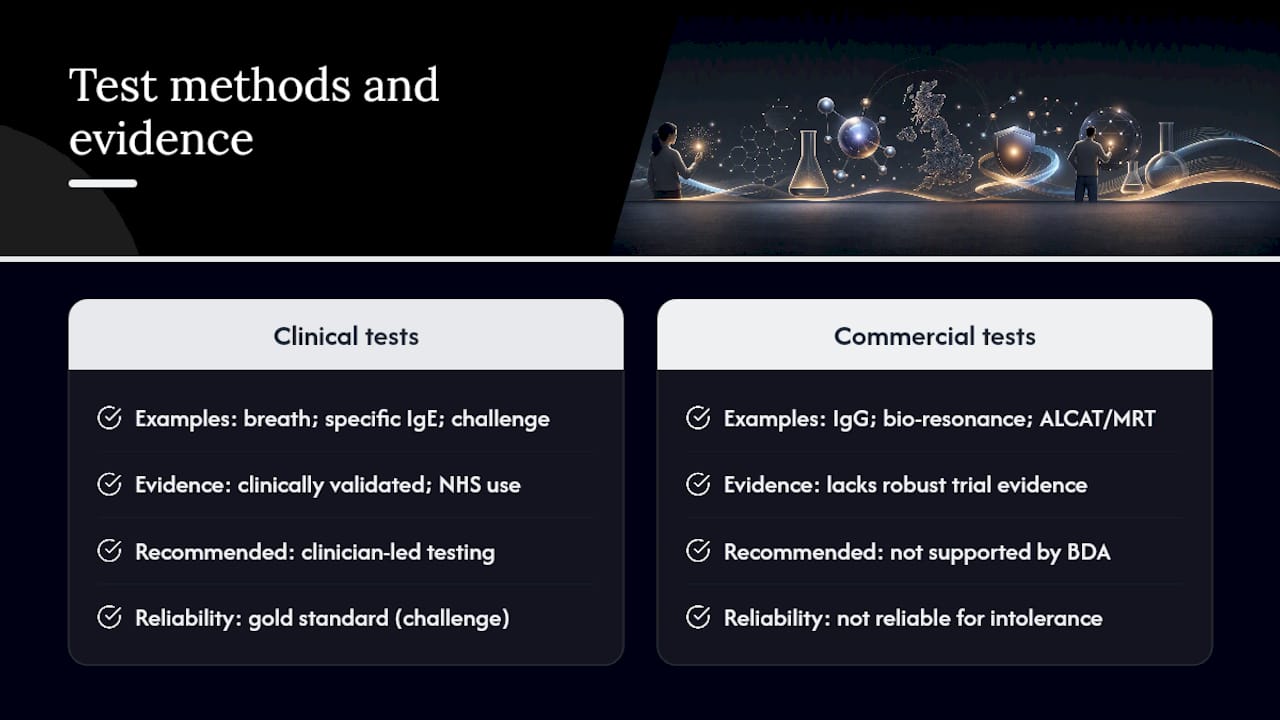
Knowing which methods sit behind a report is the single most useful thing you can do before acting on it.
Clinically validated methods used in NHS practice include hydrogen breath testing (for lactose and fructose malabsorption), specific IgE blood tests (for IgE-mediated food allergy), and supervised oral food challenges, which remain the gold standard for confirming or ruling out a food reaction. For many non-IgE intolerances, a dietitian-led elimination and reintroduction protocol combined with a symptom diary is the accepted diagnostic route.
Commercially marketed at-home methods work differently. IgG blood panels measure antibody levels that rise with normal food exposure and do not reliably indicate intolerance. Bio-resonance hair analysis claims to detect energetic frequencies in a hair sample; electrodermal testing uses skin conductance readings; kinesiology tests muscle responses; ALCAT and MRT measure changes in white blood cell volume after food exposure. A narrative review published in PMC found that all of these methods lack robust trial evidence and often lead to unwarranted dietary restrictions.
The British Dietetic Association states that IgG testing and many alternative tests are not supported by convincing evidence and recommends conventional, clinician-led testing instead. Relying on unvalidated results risks both unnecessary restriction and a missed underlying diagnosis.
Allergy UK confirms there are no definitive blood tests for many food intolerances, reinforcing that a supervised elimination and reintroduction plan with a symptom diary remains the most reliable non-clinical route.
What are the safety risks of acting on report results?
Acting on a digital sensitivity report without care can cause real harm. The risks are specific and worth knowing before you change anything.
Guts UK advises that many commercially marketed tests have no evidence to identify food intolerance and may simply flag foods you eat frequently. Consulting a GP before making dietary changes is strongly recommended.
- Nutritional deficiency: removing dairy, gluten, eggs, and other staple groups simultaneously can deplete calcium, B vitamins, iron, and fibre quickly.
- Missed allergy diagnosis: a sensitivity report does not test for IgE-mediated allergy. Treating an undetected allergy as an intolerance and self-managing at home carries an anaphylaxis risk.
- Delayed medical investigation: persistent symptoms attributed to “intolerances” may mask coeliac disease, inflammatory bowel disease, or other conditions requiring clinical assessment.
- Harm to children: Allergy UK and the BDA both caution that children should not follow unrestricted elimination diets without a paediatric dietitian. Growth, bone density, and development depend on consistent nutritional intake.
The British Association of Dermatologists has warned that many private online test providers use unaccredited laboratories and offer IgG testing with limited clinical oversight, raising direct concerns about consumer safety. For children specifically, always involve a paediatric dietitian before acting on any flagged items.
How to use a digital intolerance report without harming your health
A structured approach keeps the process safe and the findings useful. Follow these steps in order.
- Check trust signals first. Before acting on any result, confirm the lab holds ISO15189 accreditation, that a clinician or registered dietitian has reviewed the methodology, and that the provider clearly states what the test measures and what it does not.
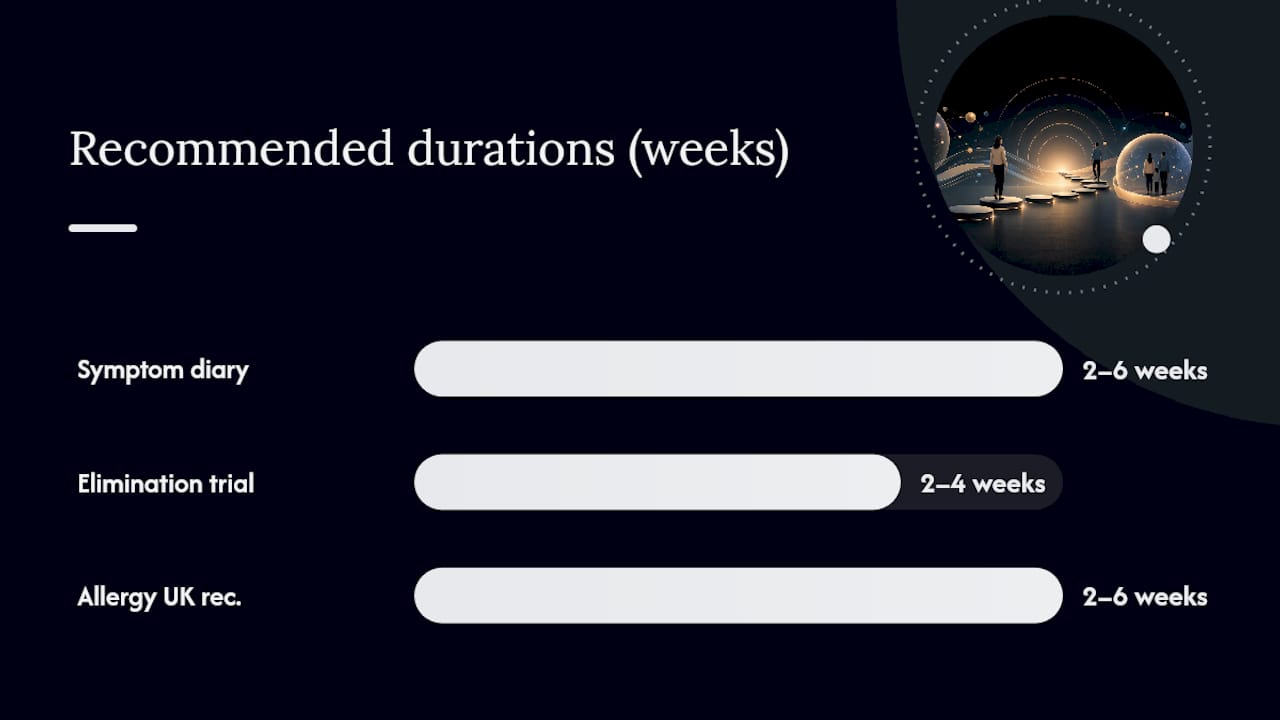
- Start a food and symptom diary. Keep a daily record for 2–6 weeks covering: meal and ingredients, time eaten, symptoms noticed, severity (1–10), and any medication taken. This baseline is what makes later comparisons meaningful.
- Trial one food at a time. Remove only the single highest-flagged item from your diet for 2–4 weeks. Monitor your diary for change. Do not remove multiple groups simultaneously.
- Follow a structured reintroduction. After the elimination period, reintroduce the food in a small amount on day one, a normal portion on day three, and a full serving on day five. Record any symptom change at each stage. A reproducible reaction on reintroduction is the signal that matters.
- Stop and seek help if red flags appear. Severe symptoms, significant unintended weight loss, or worsening of a pre-existing condition during any trial period require a GP appointment, not continued self-management.
Pro Tip: Pair your report with a registered dietitian from the start if you have more than two or three high-flagged items. The elimination diet checklist from Ukfoodintolerance gives you a practical framework to bring to that conversation.
The Allergy UK guidance on elimination diets recommends 2–6 weeks of elimination followed by supervised reintroduction, with a symptom diary as the core tracking tool throughout.
How do you evaluate a test provider before you buy?
Not all providers are equal. Use this checklist before purchasing or acting on any report.
- ISO15189 lab accreditation: the international standard for medical testing laboratories. Ask directly whether the processing lab holds this accreditation.
- Clinician or dietitian review: does a qualified health professional review results before they are issued, or is the report generated automatically?
- Transparent methodology: the provider should clearly state which biomarkers or signals the test measures, not just describe outcomes.
- Panel size and sample handling: how many items are tested, and how is the sample collected, stored, and tracked to the lab?
- Published validation: has the method been assessed in peer-reviewed studies? Ask for references, not just marketing claims.
- Turnaround time and cost: stated clearly upfront, with a re-testing or dispute policy available.
Watch for phrases like “detox your frequencies,” “balance your body’s energy field,” or accuracy claims with no referenced study. The allergy clinic analysis of hair testing notes that hair analysis is not endorsed by UK allergy authorities, and that validated laboratory biomarkers are the recommended alternative for clinical purposes. The BAD’s findings on unaccredited labs make ISO15189 verification a non-negotiable first question.
What should you do next if your report flags items?
Most flagged items can be trialled safely using the structured approach above. Some situations require professional care without delay.
Seek immediate medical attention if you notice:
- Swelling of the lips, tongue, or throat after eating a flagged food
- Difficulty breathing, hives, or a sudden drop in blood pressure
- Severe or persistent gastrointestinal bleeding
- Rapid, unexplained weight loss in a child
- Worsening of a diagnosed chronic condition during a self-managed trial
See your GP or request a dietitian referral if:
- Symptoms persist despite completing a safe, single-food elimination trial
- You have reactions to multiple foods and cannot identify a clear pattern
- The report is for a child or a person with an existing medical condition
- You suspect a true allergy and need IgE testing or a supervised food challenge
The referral pathway is straightforward: keep your symptom diary through self-trialling, then bring it to a GP appointment if there is no improvement or if red flags appear. Your GP can refer you to a registered dietitian or an NHS allergy clinic. NHS allergy testing, including specific IgE blood tests and supervised food challenges, typically requires a GP referral. Understanding the difference between food intolerance and allergy before that appointment will help you describe your symptoms accurately.
Ukfoodintolerance: clear digital reports with UK lab analysis
If you are ready to use an at-home sensitivity test, Ukfoodintolerance offers two hair-sample bio-resonance panels: the Core test (500 items) and the Ultimate test (over 1,100 items). Both are processed in a UK laboratory, with digital reports delivered within 48–72 hours.
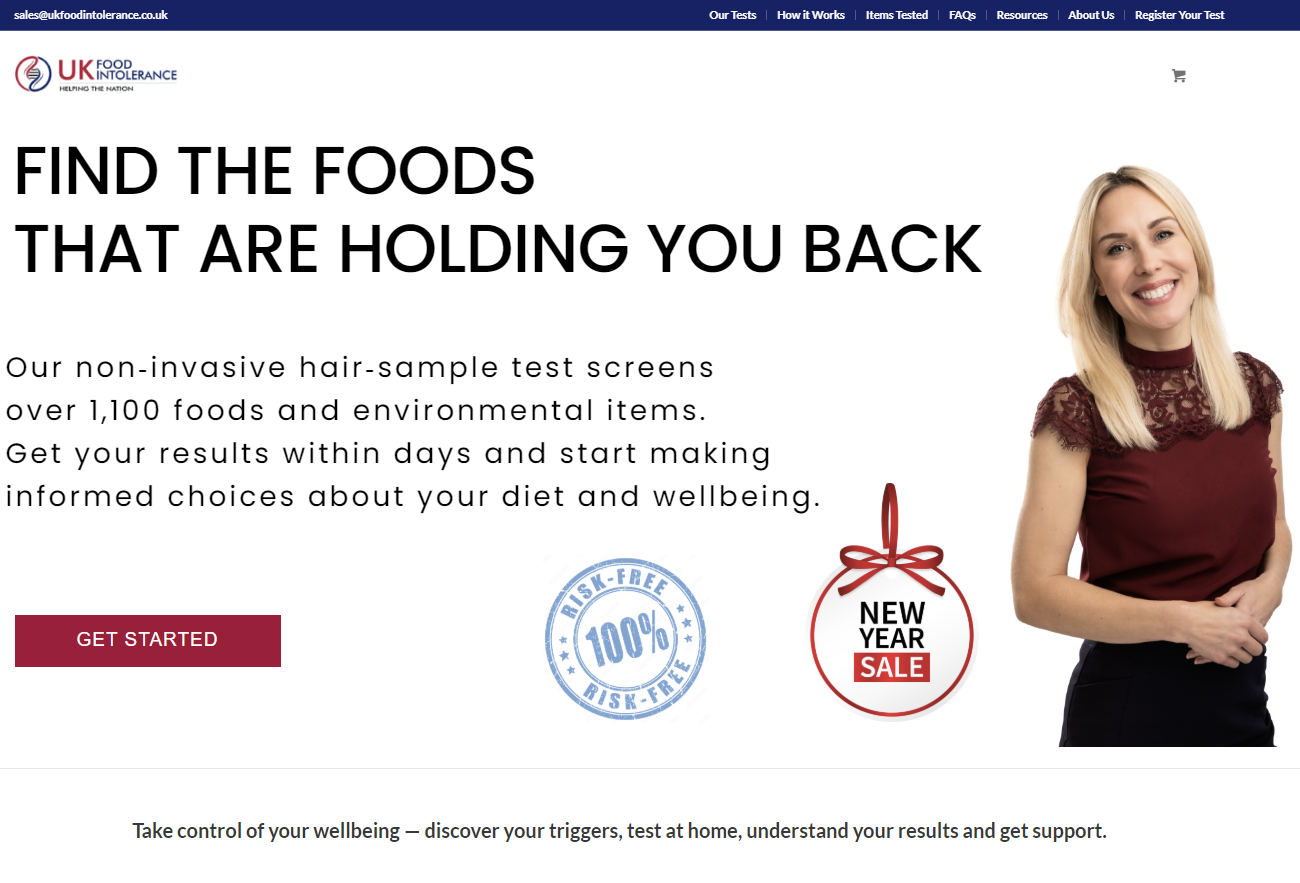
The reports cover food and environmental sensitivities, plus indicators for potential nutritional imbalances, hormone responses, and gut biome status. Ukfoodintolerance provides dedicated guidance pages for interpreting your intolerance results, an elimination diet checklist, and diet planning resources to support safe trialling. The reports are designed to be used as a prioritisation tool alongside professional guidance, not as a standalone diagnosis.
Browse the available intolerance test panels to choose the option that fits your needs, and use the site’s interpretation resources or contact the support team before making any significant dietary changes.
A note on responsible use of these reports
At Ukfoodintolerance, we believe a clear, fast digital report is most valuable when it is used as a structured starting point rather than a final answer. Our commitment is to give you detailed, accessible results quickly, backed by UK laboratory analysis and practical guidance for safe elimination trialling. The resources on this site, from report interpretation guides to diet planning tools, are there to support you at every step. If you have questions about your results or are unsure how to proceed, please use our support resources or speak to a registered dietitian before making changes to your diet.
Sources
- Food intolerance – NHS
- Food Intolerance | Allergy UK | National Charity
- Myths and Facts about Food Intolerance: A Narrative Review – PMC
- Food allergy & intolerance testing | British Dietetic Association
- Food intolerance testing | Guts UK
- Dermatologists warn against the use of private unvalidated food allergy tests | BAD
- The Truth About Hair Analysis for Food Allergies: Science or Pseudoscience? | Allergy Clinic









Leave a Reply
Want to join the discussion?Feel free to contribute!