

Many people experiencing digestive discomfort assume they have coeliac disease when gluten causes problems, but gluten intolerance differs significantly from this autoimmune condition. Understanding gluten intolerance helps you manage unexplained symptoms like bloating, fatigue, and headaches that disrupt daily life. This guide explains what gluten intolerance is, how to recognise its symptoms, which testing options are available in the UK, and practical strategies for managing your diet. You’ll discover how personalised food intolerance testing can transform your wellbeing by identifying triggers beyond gluten alone.
Table of Contents
- Key takeaways
- Understanding gluten intolerance and its symptoms
- Ways to test for gluten intolerance in the UK
- Managing gluten intolerance: diet and lifestyle strategies
- How food intolerance testing can personalise your diet
- Explore food intolerance tests and support at UK Food Intolerance
- Frequently asked questions
Key Takeaways
| Point | Details |
|---|---|
| Gluten intolerance vs coeliac disease | Gluten intolerance is a separate condition from coeliac disease and does not cause permanent intestinal damage. |
| Common gluten symptoms | Common signs include bloating, headaches, fatigue, mood changes and skin issues after eating gluten. |
| UK testing options | In the UK testing usually starts with coeliac blood tests and may include an intestinal biopsy to exclude coeliac disease, as there are no definitive biomarkers for gluten intolerance. |
| Dietary management | Practical strategies include identifying triggers, selecting gluten alternatives and keeping a diary to guide testing and adjustments. |
Understanding gluten intolerance and its symptoms
Gluten intolerance, also called non-coeliac gluten sensitivity, occurs when your body reacts negatively to gluten without triggering the autoimmune response characteristic of coeliac disease. Unlike coeliac disease, which damages the small intestine lining, gluten intolerance involves various symptoms but leaves no permanent intestinal damage. This distinction matters because treatment approaches differ significantly.
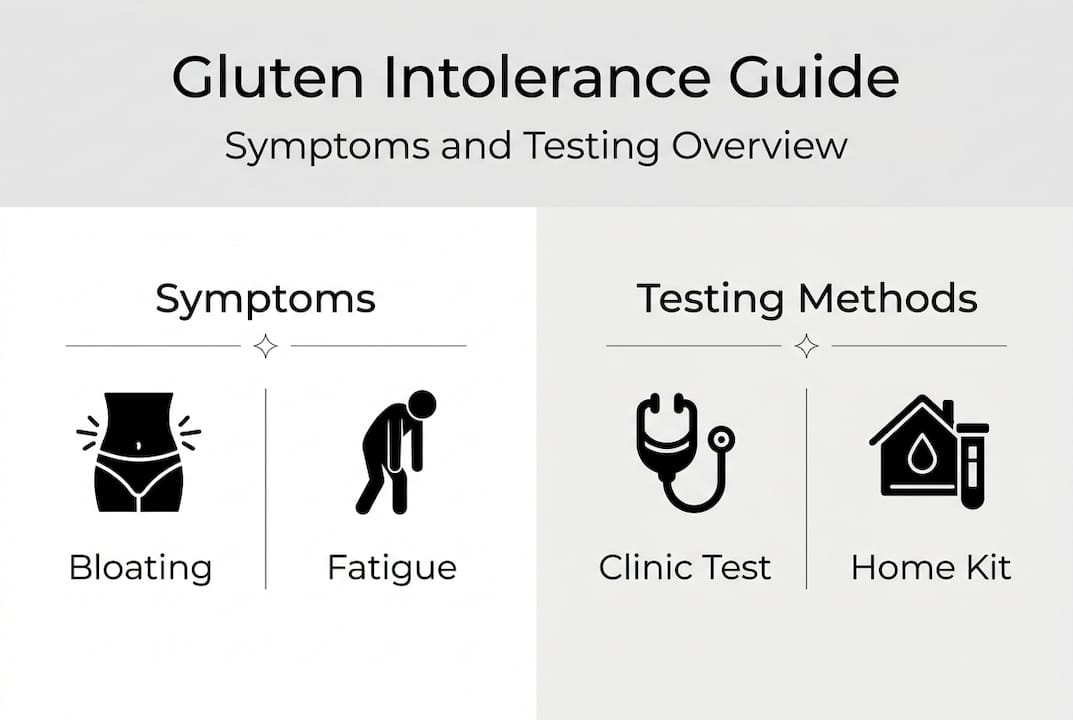
Typical symptoms appear within hours or days after consuming gluten-containing foods. You might experience bloating that makes clothing feel uncomfortably tight, diarrhoea or constipation that disrupts your routine, persistent headaches that resist standard pain relief, and fatigue that leaves you drained despite adequate sleep. Skin problems like eczema or unexplained rashes also frequently accompany gluten intolerance. Some individuals report brain fog, joint pain, or mood changes that improve dramatically when gluten disappears from their diet.
The difference between gluten intolerance and coeliac disease extends beyond symptom severity. Coeliac disease requires strict lifelong gluten avoidance to prevent serious complications, whilst gluten intolerance may allow occasional small exposures without permanent harm. Wheat allergy represents yet another distinct condition, triggering immediate immune responses that can cause breathing difficulties or anaphylaxis. Many UK individuals with genuine gluten issues remain undiagnosed because symptoms overlap with irritable bowel syndrome or stress-related digestive problems.
Recognising these patterns helps you distinguish between conditions:
- Gluten intolerance produces delayed symptoms without intestinal damage
- Coeliac disease causes autoimmune intestinal damage detectable through biopsy
- Wheat allergy triggers immediate immune reactions with potential respiratory symptoms
- Symptoms vary widely between individuals, making personalised testing valuable
Pro Tip: Keep a detailed food and symptom diary for two weeks before seeking testing. Record what you eat, when symptoms appear, and their severity to help identify patterns that guide accurate diagnosis.
Misdiagnosis happens frequently because standard medical tests for coeliac disease return negative results, leaving individuals without answers despite ongoing discomfort. Understanding that gluten intolerance exists as a separate condition empowers you to pursue appropriate testing and dietary adjustments that restore your quality of life.
Ways to test for gluten intolerance in the UK
Testing for gluten intolerance requires different approaches than coeliac disease diagnosis. Clinical testing typically begins with blood tests checking for specific antibodies associated with coeliac disease, followed by an intestinal biopsy if results suggest autoimmune activity. These tests effectively rule out coeliac disease but cannot confirm gluten intolerance, which lacks specific biomarkers detectable through conventional medical testing.

At-home testing offers convenient alternatives for identifying gluten intolerance and other food sensitivities. These kits analyse hair or blood samples to detect your body’s reactions to various foods, including gluten-containing grains. Bio-resonance testing represents one non-invasive method that measures electromagnetic responses to food substances, providing insights into potential intolerances without needles or invasive procedures.
Comparing testing options helps you make informed decisions:
| Testing method | Accuracy for gluten intolerance | Convenience | Typical cost | Results timeframe |
|---|---|---|---|---|
| Clinical blood test | Rules out coeliac disease only | Requires GP appointment | NHS-funded or £100-200 private | 1-2 weeks |
| Intestinal biopsy | Confirms coeliac disease | Invasive procedure | NHS-funded or £500+ private | 2-4 weeks |
| At-home intolerance kit | Identifies sensitivity patterns | Post sample from home | £60-150 | 48-72 hours |
| Bio-resonance testing | Detects food reactions | Non-invasive | £80-200 | 48-72 hours |
| Elimination diet | Gold standard for confirmation | Requires discipline | Free | 4-6 weeks |
Each testing approach offers distinct advantages. Clinical tests provide definitive coeliac disease diagnosis but miss non-coeliac gluten intolerance. At-home kits deliver rapid results covering multiple foods simultaneously, helping you identify unexpected sensitivities beyond gluten. Bio-resonance methods appeal to those seeking non-invasive options, though medical professionals debate their scientific validation.
Pro Tip: Avoid eliminating gluten before completing coeliac disease testing, as removing gluten can produce false negative results that mask genuine autoimmune conditions requiring medical monitoring.
Choosing the right test depends on your specific situation:
- Start with GP consultation if you suspect coeliac disease or have severe symptoms
- Consider at-home food intolerance testing for comprehensive sensitivity screening
- Use bio-resonance testing if you prefer non-invasive methods
- Combine testing with elimination diets for confirmation
Understanding how to choose intolerance tests requires weighing factors like cost, convenience, and the breadth of foods tested. Comprehensive tests examining hundreds of items reveal unexpected triggers that compound gluten-related symptoms, whilst targeted gluten-only tests provide focused answers. Professional guidance ensures you select testing appropriate for your symptom severity and health goals.
Managing gluten intolerance: diet and lifestyle strategies
Successfully managing gluten intolerance centres on eliminating gluten-containing foods whilst maintaining balanced nutrition. This process requires more than simply avoiding obvious sources like bread and pasta. Gluten hides in unexpected products including sauces, processed meats, and even some medications, making careful label reading essential.
Follow these steps for safe gluten elimination:
- Clear your pantry of wheat, barley, rye, and contaminated oats
- Read ingredient labels meticulously, watching for hidden gluten sources
- Replace gluten-containing staples with certified gluten-free alternatives
- Plan meals around naturally gluten-free whole foods
- Monitor symptoms weekly to track improvement and identify remaining triggers
Several gluten-free alternatives help maintain dietary variety and nutritional balance. Rice serves as a versatile base for meals, whilst quinoa provides complete protein and essential amino acids. Buckwheat, despite its misleading name, contains no wheat and offers robust flavour for pancakes and porridge. Other valuable substitutes include millet, amaranth, and certified gluten-free oats that avoid cross-contamination during processing.
Practical lifestyle adjustments ease the transition to gluten-free eating:
- Batch cook gluten-free meals on weekends to simplify busy weekdays
- Invest in separate cooking utensils to prevent cross-contamination at home
- Research restaurant menus online before dining out to identify safe options
- Carry gluten-free snacks when travelling to avoid limited choices
- Join online communities for recipe inspiration and practical support
Balancing nutrition whilst avoiding gluten requires attention to fibre, B vitamins, and iron that fortified wheat products typically provide. Incorporate legumes, nuts, seeds, and leafy greens to compensate for nutrients lost when eliminating conventional grains. Many gluten-free processed foods contain excess sugar and fat to improve texture, so prioritise whole foods over packaged alternatives whenever possible.
Pro Tip: Create a master list of your favourite gluten-free products and their stockists to streamline shopping and reduce the mental burden of constantly checking labels.
Monitoring food intolerance symptoms helps you assess whether gluten elimination adequately addresses your health concerns or if additional sensitivities require attention. Keep detailed records of remaining symptoms, their frequency, and potential triggers. Some individuals discover that dairy, eggs, or other foods compound their issues, making comprehensive testing valuable for complete symptom resolution.
Dining out requires communication and planning. Most UK restaurants now offer gluten-free options, but cross-contamination risks remain. Speak directly with kitchen staff about preparation methods, request separate cooking surfaces, and avoid fried foods cooked in shared oil. Chain restaurants often provide detailed allergen information online, whilst independent establishments may accommodate special requests with advance notice.
How food intolerance testing can personalise your diet
Comprehensive food intolerance testing extends beyond gluten to identify multiple sensitivities that collectively impact your wellbeing. Food intolerance tests can reveal unexpected reactions to common foods like dairy, eggs, soya, or specific fruits and vegetables that you consume regularly without suspecting problems. This broader perspective transforms generic dietary advice into personalised nutrition strategies tailored to your unique biochemistry.
Test results guide targeted dietary adjustments that address root causes rather than merely managing symptoms. When you eliminate foods triggering inflammatory responses, your digestive system recovers more effectively, energy levels stabilise, and chronic discomfort diminishes. Data from individuals using comprehensive intolerance testing shows significant improvement rates, with many reporting 60-80% symptom reduction within four to six weeks of implementing personalised dietary changes.
Advantages of comprehensive testing include:
- Identification of multiple sensitivities in one assessment
- Clear prioritisation of foods to eliminate versus those safe to continue
- Reduced guesswork compared to random elimination attempts
- Faster symptom improvement through targeted dietary changes
- Long-term cost savings by avoiding ineffective generic diets
Pro Tip: Retest annually if symptoms return or dietary habits change significantly, as food intolerances can develop or resolve over time based on gut health and exposure patterns.
Acting on test findings requires systematic implementation. Begin by eliminating high-priority triggers identified in your results for at least four weeks, allowing your body time to heal and inflammation to subside. Gradually reintroduce borderline foods one at a time, monitoring symptoms carefully to determine your personal tolerance levels. Some individuals tolerate small amounts of reactive foods occasionally, whilst others require complete avoidance for optimal health.
Typical improvement timelines based on intolerance severity:
| Intolerance level | Symptom improvement timeframe | Dietary strictness required | Reintroduction potential |
|---|---|---|---|
| Mild | 1-2 weeks | Moderate reduction | High after 3-6 months |
| Moderate | 3-4 weeks | Strict elimination | Possible after 6-12 months |
| Severe | 6-8 weeks | Complete avoidance | Low, may require permanent exclusion |
| Multiple sensitivities | 8-12 weeks | Phased elimination | Varies by individual food |
The connection between food intolerance testing and long-term wellbeing extends beyond immediate symptom relief. Chronic inflammation from ongoing exposure to trigger foods contributes to various health problems including skin conditions, joint pain, hormonal imbalances, and mood disorders. Addressing these underlying dietary factors supports your body’s natural healing processes and may reduce reliance on symptom-management medications.
Understanding how to interpret intolerance results ensures you maximise the value of testing. Results typically categorise foods by reaction severity, helping you prioritise which eliminations will deliver the greatest benefit. Professional guidance helps distinguish between true intolerances requiring elimination and minor sensitivities that may not warrant dietary restriction. This nuanced approach prevents unnecessarily restrictive diets whilst ensuring you address significant triggers.
Tracking food intolerance symptoms throughout your elimination and reintroduction phases provides objective evidence of progress. Document changes in energy levels, digestive comfort, skin clarity, sleep quality, and mood to build a complete picture of how dietary adjustments affect your overall health. These records prove invaluable when making decisions about long-term dietary patterns and communicating with healthcare providers.
Explore food intolerance tests and support at UK Food Intolerance
If you’re experiencing persistent symptoms despite dietary changes, comprehensive testing reveals the complete picture of your food sensitivities. UK Food Intolerance offers specialised food intolerance tests designed for UK residents seeking answers about gluten and other potential triggers. Their comprehensive intolerance tests analyse your reactions to hundreds of foods and environmental factors, providing detailed reports within 48 to 72 hours.

The testing process requires only a simple hair sample collected at home, eliminating needles and clinic visits. Their bio-resonance technology identifies sensitivities that standard medical tests miss, helping you understand why symptoms persist despite negative coeliac disease results. Professional support guides you through personalised diet matching based on your unique results, transforming raw data into actionable dietary strategies that restore your wellbeing and quality of life.
Frequently asked questions
What is gluten intolerance and how does it differ from coeliac disease?
Gluten intolerance produces digestive and systemic symptoms when consuming gluten but doesn’t trigger the autoimmune intestinal damage characteristic of coeliac disease. Whilst coeliac disease requires strict lifelong gluten avoidance and causes permanent intestinal harm if untreated, gluten intolerance involves sensitivity without autoimmune responses. Testing for coeliac disease uses blood tests and biopsies, whilst gluten intolerance relies on symptom assessment and food intolerance testing. Both conditions benefit from gluten elimination, but coeliac disease demands absolute avoidance to prevent serious complications.
What are the most common symptoms of gluten intolerance?
Digestive issues like bloating, diarrhoea, and constipation rank amongst the most frequently reported symptoms of gluten intolerance. Many individuals also experience fatigue that persists despite adequate rest, headaches unresponsive to standard pain relief, and skin problems including eczema or unexplained rashes. Brain fog, joint pain, and mood changes often accompany these primary symptoms, creating a constellation of issues that significantly impact daily functioning and quality of life.
Can I test for gluten intolerance at home in the UK?
Yes, at-home food intolerance testing provides convenient options for UK residents seeking to identify gluten intolerance and other food sensitivities. These kits typically require hair or blood samples you collect yourself and post to laboratories for analysis. Results arrive within 48 to 72 hours, offering comprehensive insights into your reactions to gluten and hundreds of other potential triggers without requiring GP appointments or invasive procedures.
What are the best dietary alternatives for those with gluten intolerance?
Rice, quinoa, and buckwheat serve as excellent gluten-free alternatives that maintain nutritional balance whilst avoiding gluten-containing grains. Several effective gluten-free alternatives include millet, amaranth, and certified gluten-free oats that provide variety and essential nutrients. These substitutes support balanced nutrition by offering fibre, protein, and vitamins that fortified wheat products typically supply, ensuring your diet remains nutritionally complete despite eliminating gluten sources.










Leave a Reply
Want to join the discussion?Feel free to contribute!