
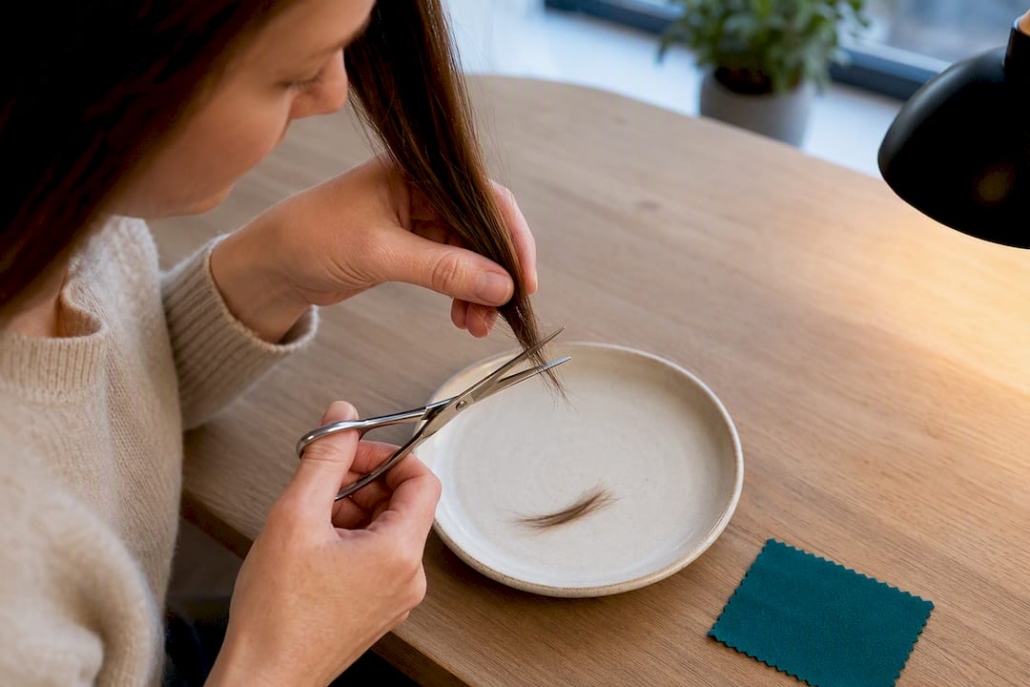
Antihistamines do not need to be stopped before an at-home hair bioresonance sensitivity test, because these tests do not measure the immune markers those medicines affect. That’s a sharp contrast with clinical allergy testing, where skin prick tests often require you to pause antihistamines beforehand. If you need a formal allergy diagnosis rather than a sensitivity screen, speak to your GP about the right test and timing.
TL;DR:
- Hair bioresonance testing does not require stopping antihistamines because it does not measure immune markers affected by these medications.
- The test screens hair samples against a large panel of foods and environmental items, providing flags that suggest potential sensitivities but do not diagnose allergies.
- Results are typically delivered within 2 to 3 days, with the highest-flagged items recommending a cautious, stepwise elimination diet.
- The test is best suited for initial exploration, especially for children or pets, but should not replace clinical allergy testing or emergency medical care for severe reactions.
- Proper sample collection, including avoiding recent chemical treatments and labeling correctly, is essential to prevent rejection and ensure accurate results.
Table of Contents
- What does a hair bioresonance test actually measure?
- Why do antihistamines matter for some allergy tests but not this one?
- Who benefits from hair sensitivity screening, and what are the limits?
- How do you order a test and collect your sample?
- How should you interpret your report and what comes next?
- Why we built this test around clarity, not certainty
- Ready to start your own hair sensitivity test?
- Sources
- FAQ
What does a hair bioresonance test actually measure?
A hair bioresonance test works from a small sample of your hair, which is sent to a UK laboratory and screened against a panel of foods, drinks, and environmental substances. The premise is that hair carries a kind of energetic signature the lab equipment can read against a reference library, flagging items your body may respond to.
Your digital report translates that scan into something you can actually use. Most reports include:
- An itemised list of everything tested, often running into the hundreds or over a thousand items depending on the panel
- Colour-coded or percentage-based flags showing which items scored highest for a possible reaction
- Suggested priorities for an elimination diet, usually ranking the strongest flags first
- Optional add-ons covering nutrient balance or other wellbeing markers, depending on the test you choose
Pro Tip: Treat the flagged list as a starting point for investigation, not a diagnosis. Cross-reference it against a food and symptom diary before you cut anything from your diet.
This is where the distinction with clinical allergy testing matters most. Hair bioresonance screening does not detect IgE antibodies, the immune markers a skin prick or blood test measures, and mainstream health bodies are clear that it is not a diagnostic tool for allergies. It’s a screening method for possible sensitivities, built on a different measurement basis entirely. If you’re weighing up what a sensitivity test aims to detect, that difference is worth understanding before you order.
Why do antihistamines matter for some allergy tests but not this one?
The reason antihistamines dominate allergy testing advice comes down to how skin prick tests work. They rely on your skin’s histamine response, so antihistamines can dampen that reaction and produce a false negative. NHS guidance on allergy investigations confirms medication can interfere with skin testing results, which is why clinics typically ask patients to stop antihistamines for several days beforehand. Blood tests measuring IgE levels are less affected by antihistamines, though your GP or allergy clinic will advise on your specific case.
Hair bioresonance screening sits outside that mechanism altogether. It doesn’t rely on skin reactivity or circulating antibody levels, so there’s no medication window to plan around.
- No skin reaction is involved, so antihistamines cannot suppress or mask a result
- No blood-based antibody measurement is used, so circulating drug levels aren’t a factor
- Hair itself can incorporate substances from sweat or sebum on the skin’s surface, which means segmental interpretation of hair samples needs care, particularly when trying to link a flag to a specific time period
That last point is a genuine limitation, just not one that antihistamines create. It’s about how hair absorbs substances generally, not about any specific medicine you’re taking.
Who benefits from hair sensitivity screening, and what are the limits?
Hair bioresonance testing tends to suit people looking for a starting point, not a final answer. It works well for:
- Screening for potential dietary or environmental triggers before committing to a full clinical workup
- Parents wanting a non-invasive option for children who find blood draws or skin pricks distressing
- Pet owners curious whether their dog or cat’s itching or digestive upset links to specific foods
- Anyone planning an early-stage elimination diet who wants a structured list to work from rather than guessing
The limits deserve equal attention. This is not a diagnostic allergy test, and the evidence base behind bioresonance and hair analysis remains contested among clinical allergy bodies. ASCIA’s position on non-evidence-based tests warns that relying on these methods for diagnosis can lead to misdiagnosis and unnecessary dietary restriction, particularly risky for children or anyone already managing a limited diet. Long flagged lists can also tempt people to cut more foods than genuinely necessary.
The trust signals worth looking for in any provider include UK-based laboratory processing, a fast turnaround measured in days rather than weeks, and honest guidance pointing you towards a GP for anything resembling a severe or acute reaction. A test that’s upfront about what it can’t tell you is more useful than one that oversells its reach.
How do you order a test and collect your sample?
Ordering starts with choosing a panel size to match your budget and how broad you want the screening to be. Larger panels test more items; smaller ones cost less and focus on common triggers. Once you order, a kit arrives containing collection instructions, packaging, and a return envelope.
- Select your test panel and complete your details at checkout
- Wait for your kit to arrive, usually within a few working days
- Collect a small sample of hair, typically clipped close to the scalp from an area you’d hide easily if it’s slightly uneven
- Seal the sample in the provided packaging and label it clearly with your reference details
- Post it back to the laboratory using the pre-paid materials included
A few mistakes crop up repeatedly and cause samples to be rejected:
- Submitting too little hair for the lab to process
- Using hair that’s been recently treated with strong chemical dye or bleach
- Forgetting to label the sample, which delays processing while the lab tries to match it to your order
Full photo guidance is available in the step-by-step hair sample collection guide if you want a visual walkthrough before you clip anything. Once your sample reaches the lab, expect your digital report within 48 to 72 hours. If a sample is rejected, the lab will usually contact you to arrange a replacement rather than cancelling the order outright.
How should you interpret your report and what comes next?
Start with the highest-flagged items rather than trying to act on everything at once. Most reports use a threshold system, so anything above the strongest cut-off deserves attention first, while borderline flags are worth noting but not necessarily acting on immediately.
A sensible elimination approach follows a simple rhythm:
- Remove the top flagged items for two to four weeks, keeping a symptom diary throughout
- Reintroduce one item at a time, spacing reintroductions by a few days
- Watch for symptoms returning before moving on to the next item
- Avoid cutting more than a handful of items simultaneously, since over-restriction makes it harder to isolate what’s actually responsible
Pro Tip: Photograph your meals alongside your symptom diary. It sounds fussy, but a visual record makes patterns easier to spot than notes alone, especially weeks later when you’re reviewing the whole trial.
None of this replaces medical care when symptoms are serious. Clinical evidence summaries on food allergy are clear that severe reactions, including swelling of the face or throat, difficulty breathing, or any sign of anaphylaxis, require emergency treatment with adrenaline, not dietary trial and error. If you or your child experience those symptoms, call 999 or go to A&E immediately. For anything persistent or unexplained that falls short of an emergency, your GP can refer you to an NHS allergy clinic for proper clinical diagnosis. A detailed walkthrough of report reading sits in our guide to interpreting intolerance reports.

Why we built this test around clarity, not certainty
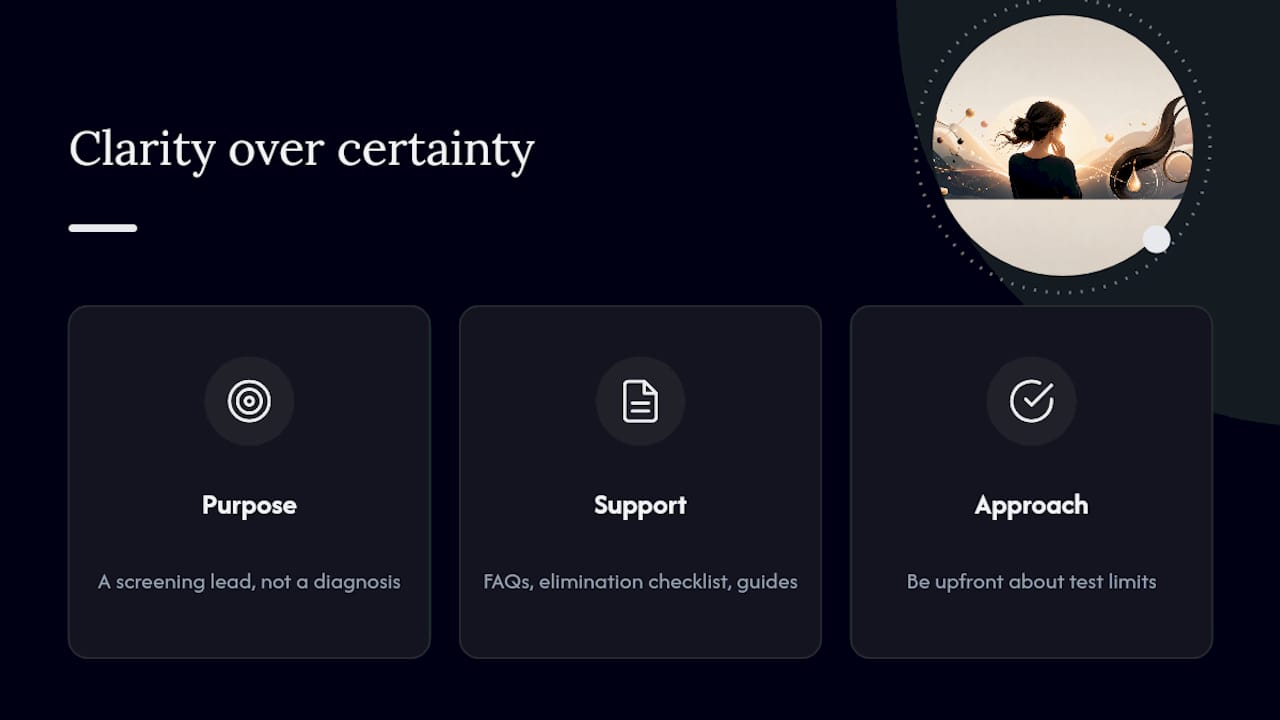
Most people who order a hair sensitivity test have already spent months guessing what’s behind their bloating, skin flare-ups, or their dog’s constant scratching, without much to show for it. What they usually want isn’t a medical verdict. It’s a structured place to start looking.
That’s the purpose behind the FAQs, elimination diet checklists, and interpretation guides we provide alongside every report. Customers get more value from a test when they understand what it’s screening for and what it deliberately doesn’t claim to do. A sensitivity screen is a lead, not a diagnosis, and we’d rather be upfront about that than let anyone assume otherwise.
— Rob
Ready to start your own hair sensitivity test?
If you’ve read this far, you already understand the appeal: no skin pricks, no antihistamine timing to plan around, and no clinic waiting list. This testing route sits apart from clinical allergy diagnosis entirely. It’s a non-invasive screening step you can take from home, with results typically available within a few days from a UK laboratory.
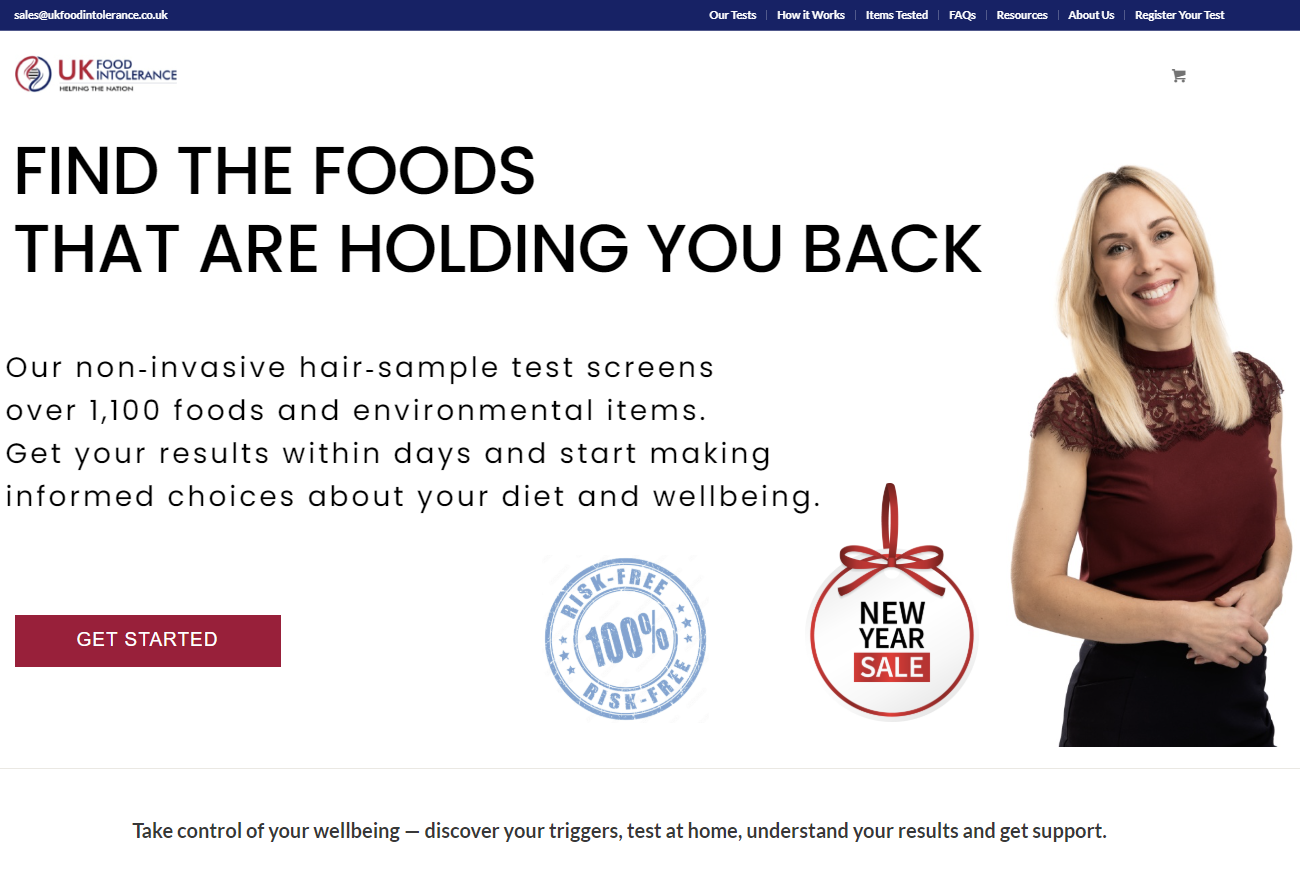
Choosing between panels depends on how broad a screen you want. Browse the full range on our tests page, including the Core Test for a focused first look and the Ultimate Plus Intolerance Test at £140.99 one-off per person for the widest coverage. Got a pet with unexplained itching or digestive trouble? The pet testing range covers dogs and cats with the same hair sample approach. Whichever test you choose, if you or a family member experience severe or urgent symptoms at any point, contact your GP or emergency services rather than waiting on a report. Order your kit today and you’ll have a digital report, and a clearer starting point, within days.
Sources
- Allergy investigations and procedures – MFT (NHS trust)
- Allergies – NHS
- Segmental hair analysis—interpretation of the time of drug intake in two patients
FAQ
Do I need to stop taking antihistamines before a hair test?
No. Hair bioresonance screening doesn’t measure the immune markers antihistamines affect, so there’s no need to pause your medication beforehand.
Why do clinical allergy tests require stopping antihistamines?
Skin prick tests rely on a histamine skin reaction, which antihistamines can suppress and cause a false negative result; blood-based IgE tests are generally less affected.
Is a hair sensitivity test the same as an allergy test?
No. It’s a screening tool for possible sensitivities, not a diagnostic test for IgE-mediated allergies, and it should never replace clinical diagnosis for suspected allergies.
How long does it take to get results from UK Food Intolerance?
Digital reports are typically ready within a few days of your sample reaching the UK laboratory.
What should I do if I have severe allergy symptoms?
Seek emergency care immediately for swelling, breathing difficulty, or any sign of anaphylaxis; a sensitivity test is not appropriate for urgent symptoms, and your GP should manage anything serious.









Leave a Reply
Want to join the discussion?Feel free to contribute!