

TL;DR:
- Food intolerance causes digestive and behavioral symptoms in children without triggering the immune system. It can affect mood, sleep, and social confidence, often going unnoticed or misdiagnosed. Supervised elimination diets are the safest way to identify true trigger foods and support children’s overall wellbeing.
Food intolerance in children is a digestive difficulty that causes symptoms like bloating, tummy pain, and behavioural changes without involving the immune system. This distinguishes it clearly from a food allergy, which triggers an immune response and can be life-threatening. Understanding how intolerances affect child wellbeing matters because the effects reach far beyond the gut. They touch mood, sleep, concentration, and social confidence. This guide explains the physical and emotional impact of food sensitivities on children, how to identify them accurately, and how to manage them safely with the right support.
How do intolerances affect child wellbeing physically and emotionally?
Food intolerance is defined as the body’s inability to properly digest certain foods, leading to a range of symptoms that can disrupt a child’s daily life. Unlike a food allergy, it does not involve IgE antibodies or anaphylaxis risk. The NHS recognises lactose intolerance as one of the most common forms in children, with symptoms including diarrhoea, bloating, wind, abdominal pain, and non-digestive effects like skin rashes and fatigue.

The effects of dietary intolerances extend well beyond the stomach. Fatigue and poor sleep caused by gut discomfort directly reduce a child’s ability to concentrate at school. Persistent tummy pain can make a child irritable, withdrawn, or anxious, and parents often mistake these behavioural signs for emotional or developmental problems rather than a physical trigger.
One of the most important facts for parents to understand is that symptoms can appear up to 72 hours after eating a trigger food. That delay makes it genuinely difficult to connect what a child ate on Monday with how they feel on Wednesday. Digestive symptoms typically improve within one to two weeks of removing the trigger food, while behavioural changes may take four to six weeks to resolve.
The impact of intolerances on children is therefore cumulative and often invisible. A child who is regularly exposed to a trigger food may seem chronically tired, moody, or disengaged, with no obvious cause. Recognising this pattern is the first step towards getting the right help.
What physical and behavioural signs suggest a food intolerance in children?
Parents are often the first to notice that something is not right, but the symptoms of food intolerance in children are easy to misread. Knowing what to look for makes a real difference.
Digestive symptoms to watch for:
- Bloating or a visibly swollen tummy after meals
- Loose stools, diarrhoea, or constipation
- Stomach cramps or abdominal pain
- Excessive wind or nausea
Non-digestive symptoms that are often overlooked:
- Skin rashes, eczema flares, or persistent itching
- Headaches or migraines
- Fatigue that does not improve with rest
- Frequent colds or a generally low energy level
Behavioural and cognitive signs:
- Irritability or mood swings, particularly after meals
- Difficulty concentrating or sitting still at school
- Anxiety or social withdrawal
- Disrupted sleep patterns
These digestive and behavioural symptoms often appear together, which is why the impact on a child’s daily functioning can feel so broad. A child struggling with all of these at once is not simply “being difficult.” Their body is sending clear signals.
Pro Tip: Keep a simple food and symptom diary for two to three weeks before speaking to your GP. Note what your child eats, when symptoms appear, and how severe they are. This record is far more useful to a clinician than a general description.
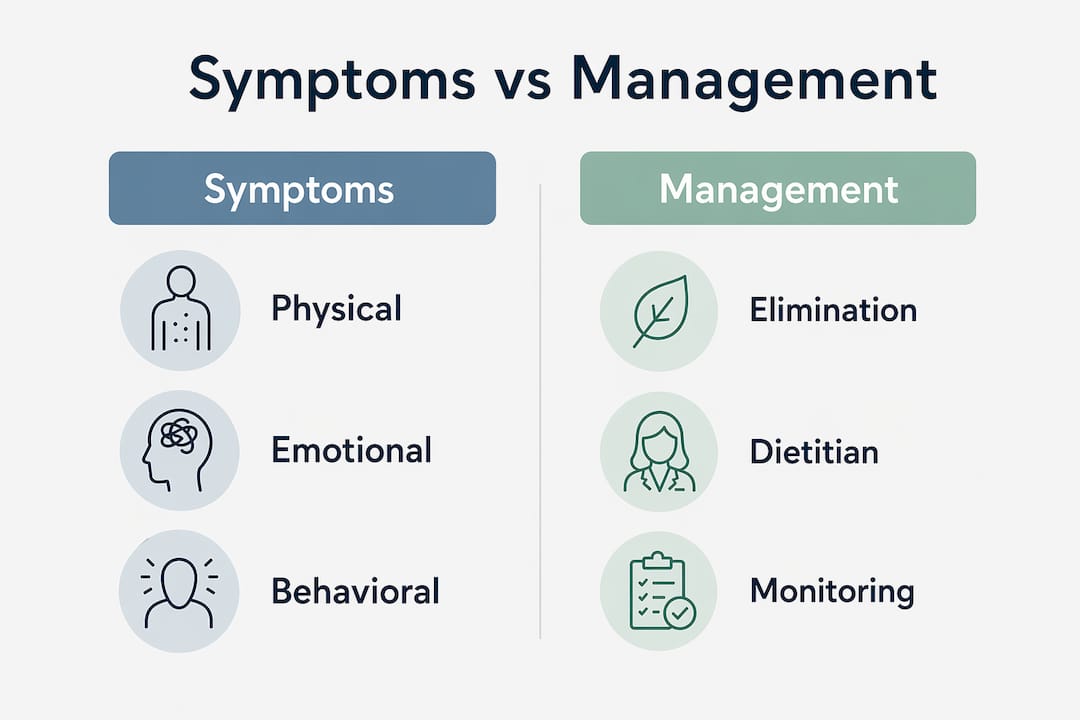
The timeline of symptom onset matters too. Because reactions can be delayed by up to 72 hours, a diary is often the only reliable way to spot patterns. You can find more guidance on recognising intolerance symptoms at home to help you build that picture confidently.
Why is diagnosing food intolerances in children so challenging?
Accurate diagnosis of food intolerance in children is genuinely difficult, and the risks of getting it wrong are significant. Many parents understandably want fast answers, which makes commercial testing products appealing. The problem is that many of those tests do not deliver reliable results.
Paediatric dietitian Bahee Van de Bor has observed that many commercial IgG blood tests lack scientific validity and frequently lead to unnecessary restrictive diets and malnutrition in children. IgG antibodies simply indicate food exposure, not intolerance. Acting on those results can mean cutting out entire food groups without clinical justification.
The gold standard for identifying true trigger foods is a supervised elimination and reintroduction diet. This process works as follows:
- Baseline assessment. A GP or paediatric dietitian reviews your child’s symptoms, growth, and nutritional status before any foods are removed.
- Elimination phase. Suspected trigger foods are removed for a set period, typically two to six weeks, under professional guidance.
- Symptom monitoring. Parents track changes in digestion, behaviour, sleep, and energy throughout the elimination phase.
- Reintroduction phase. Foods are reintroduced one at a time, in controlled amounts, to confirm which ones cause symptoms.
- Dietary planning. A dietitian builds a long-term eating plan that removes confirmed triggers while protecting nutritional balance.
Unsupervised exclusion diets carry real risks for growing children. Cutting out dairy, wheat, or other food groups without professional support can lead to deficiencies in calcium, iron, and B vitamins, all of which are critical for growth and development. Medical supervision is not optional. It is the safest path to an accurate answer.
The distinction between a food intolerance and a food allergy also matters here. Allergies require allergy testing under medical supervision, often including skin prick tests or supervised food challenges. Intolerances do not involve the immune system in the same way, but they still require careful, structured investigation. Mixing up the two can lead to either under-treatment or unnecessary alarm.
How do food intolerances affect a child’s emotional health and development?
The psychosocial impact of food intolerances on children is frequently underestimated. Physical discomfort does not stay physical. It shapes how a child feels about themselves, their friendships, and their place at school.
Research shows that food intolerance affects children’s mood, sleep, school attendance, and social interactions, contributing to anxiety and behavioural challenges. A child who regularly misses school due to stomach pain, or who cannot eat the same food as their classmates, faces real social pressure. That pressure compounds the physical symptoms and can create a cycle of anxiety that is hard to break.
Key emotional and developmental effects include:
- Anxiety around mealtimes. Children who associate eating with pain or discomfort may develop food-related anxiety, becoming reluctant to try new foods or eat in social settings.
- Reduced school performance. Fatigue, headaches, and poor concentration caused by ongoing gut symptoms directly affect learning and attainment.
- Sleep disruption. Abdominal pain and bloating at night interrupt sleep quality, leaving children tired and less emotionally resilient the next day.
- Social isolation. Dietary restrictions, whether confirmed or precautionary, can make birthday parties, school trips, and family meals feel stressful rather than enjoyable.
One reassuring fact for parents is that not all intolerances are permanent. Secondary intolerances triggered by gut infections or inflammation are often temporary and resolve as the gut heals. A child who develops lactose intolerance after a bout of gastroenteritis, for example, may tolerate dairy again within a few months. This means that a diagnosis of food intolerance does not always mean lifelong restriction.
Balancing appropriate dietary management with a normal, enjoyable childhood is the goal. Overly restrictive approaches, driven by unverified test results or parental anxiety, can cause more harm than the intolerance itself. You can read more about food sensitivities in children and the steps that genuinely help.
What are safe approaches for managing food intolerances in children?
Managing food intolerances in children safely requires structure, patience, and professional input. The aim is to reduce symptoms while protecting growth, nutrition, and quality of life.
| Approach | What it involves | Key benefit |
|---|---|---|
| Supervised elimination diet | Remove suspected triggers under dietitian guidance | Confirms true triggers without nutritional risk |
| Food and symptom diary | Daily log of meals, symptoms, and timing | Builds evidence for clinical assessment |
| Nutritional monitoring | Regular checks on growth, weight, and nutrient intake | Prevents deficiencies during restriction phases |
| Gradual reintroduction | Reintroduce foods one at a time in small amounts | Identifies tolerance thresholds accurately |
| GP and dietitian partnership | Regular reviews with healthcare professionals | Keeps management evidence-based and safe |
Working closely with a paediatric dietitian is the single most effective step a parent can take. A well-managed elimination and reintroduction diet is the gold standard for identifying trigger foods safely while protecting a child’s nutritional status. Attempting this process without professional support risks both missing the real trigger and creating new nutritional problems.
At home, there are practical steps that support the process. Keep meals simple and varied during the elimination phase. Use a nutrient checklist for intolerant children to make sure your child is still getting calcium, iron, and B vitamins from alternative sources. Avoid cutting out entire food groups based on online advice or unverified test results.
Pro Tip: When reintroducing foods, start with the smallest possible portion and wait 72 hours before drawing any conclusions. This matches the maximum delay window for intolerance symptoms and gives you a clear, reliable result.
The NHS notes that lactase drops or lactose-free formulas can ease symptoms temporarily in infants, but these should be used under supervision to avoid longer-term dental or nutritional issues. Symptom relief products are a short-term bridge, not a long-term solution.
The goal is always a balanced diet that your child enjoys. Restriction should be the minimum necessary to manage confirmed symptoms, not a precautionary blanket removal of foods. An elimination diet checklist can help you follow the process step by step with confidence.
Key takeaways
Food intolerances affect child wellbeing across physical, emotional, and cognitive dimensions, and accurate diagnosis through supervised elimination diets is the only safe and reliable path to managing them.
| Point | Details |
|---|---|
| Symptoms are often delayed | Reactions can appear up to 72 hours after eating a trigger food, making a food diary essential. |
| Emotional impact is real | Intolerances contribute to anxiety, poor sleep, and reduced school performance in children. |
| Commercial tests lack reliability | IgG and hair-based tests lack scientific validity and can lead to unnecessary dietary restriction. |
| Supervised diets are the gold standard | A medically guided elimination and reintroduction diet is the safest and most accurate diagnostic method. |
| Some intolerances are temporary | Secondary intolerances caused by gut infections often resolve as the gut heals, so lifelong restriction is not always necessary. |
What I have learned from watching parents navigate this
The most common mistake I see is parents acting on commercial intolerance test results without any clinical support. The appeal is understandable. You want answers quickly, and a long list of “reactive” foods feels like clarity. The problem is that those lists are often scientifically meaningless, and cutting out ten foods at once from a child’s diet can cause real nutritional harm.
The parents who get the best outcomes are the ones who slow down. They keep a diary, they speak to their GP, and they work with a paediatric dietitian through a proper elimination process. It takes longer, but it gives you real answers rather than expensive guesswork.
The other thing worth saying clearly: not every intolerance is permanent. I have seen parents restrict their child’s diet for years based on a secondary intolerance that would have resolved on its own within months. Secondary intolerances, often triggered by a gut infection, are frequently temporary. Knowing that should take some of the weight off your shoulders.
The goal is not a perfectly restricted diet. The goal is a happy, well-nourished child who can eat as broadly as possible while feeling well. That balance is achievable, but it requires patience and the right professional support alongside it.
— Rob
How Ukfoodintolerance supports parents taking the next step
If you suspect your child has a food intolerance, having a clear starting point makes the whole process less stressful. Ukfoodintolerance offers at-home testing services that use bio-resonance technology to screen for sensitivities across a wide range of food and environmental items, giving you a structured picture to bring to your GP or dietitian.

The process is simple. You collect a small hair sample at home, send it to a UK-based laboratory, and receive a detailed digital report within 48–72 hours. That report can support the elimination diet process by helping you and your healthcare team prioritise which foods to investigate first. You can view the full range of intolerance tests available and choose the option that fits your child’s needs and your budget. Ukfoodintolerance also provides clear guidance on interpreting your results so you know exactly what to do next.
FAQ
What is the difference between a food intolerance and a food allergy in children?
A food allergy triggers an immune response and can cause severe, rapid reactions including anaphylaxis. A food intolerance does not involve the immune system in the same way and causes digestive and behavioural symptoms that are typically delayed and less immediately dangerous.
How long does it take for symptoms to improve after removing a trigger food?
Digestive symptoms typically improve within one to two weeks of removing a trigger food. Behavioural and cognitive symptoms, such as irritability and poor concentration, may take four to six weeks to resolve fully.
Are commercial food intolerance tests reliable for children?
Many commercial tests, including IgG blood tests and hair analysis kits, lack scientific validity for diagnosing food intolerance. A supervised elimination and reintroduction diet, guided by a GP or paediatric dietitian, remains the most reliable diagnostic method.
Can a child grow out of a food intolerance?
Secondary intolerances caused by gut infections or inflammation are often temporary and resolve as the gut heals. Primary intolerances, such as lactose intolerance, may persist but can often be managed with dietary adjustments rather than complete exclusion.
How can I tell if my child’s behaviour is linked to a food intolerance?
Keep a detailed food and symptom diary for two to three weeks, noting meals, symptom timing, and severity. Because reactions can be delayed by up to 72 hours, a diary is the most practical way to identify patterns before consulting a healthcare professional.










Leave a Reply
Want to join the discussion?Feel free to contribute!