

Wrestling with persistent bloating or stomach pain can leave anyone feeling frustrated and confused. Many health-conscious adults across the United Kingdom struggle to decipher whether their symptoms signal a food allergy, a milder intolerance, or something else entirely. With so many misconceptions and overlapping signs, sorting fact from fiction is vital. This guide breaks down the critical differences between allergies, intolerances, and the spectrum of food sensitivities, helping you take the first step towards better digestive health and informed home testing.
Table of Contents
- Defining Food Sensitivity Terms And Misconceptions
- Types Of Food Sensitivity Explained
- Food Sensitivity Versus Allergy And Intolerance
- Diagnostic Approaches And Testing Methods
- Practical Impacts On Health And Lifestyle
Key Takeaways
| Point | Details |
|---|---|
| Understanding Food Sensitivity | Food sensitivity encompasses a spectrum of reactions, including allergies, intolerances, and conditions like coeliac disease, requiring accurate diagnosis and management. |
| Diagnostic Approaches | Effective diagnosis involves elimination diets, immunological tests, and advanced techniques like supervised food challenges to identify sensitivities accurately. |
| Nutritional and Psychological Impact | Managing food sensitivities can lead to nutritional deficiencies and psychological stress, highlighting the need for careful meal planning and support systems. |
| Holistic Management | Collaborating with healthcare professionals, including nutritionists, is essential for developing personalised and balanced dietary plans that accommodate food sensitivities. |
Defining Food Sensitivity Terms and Misconceptions
Food sensitivity represents a complex spectrum of bodily reactions that extend far beyond traditional allergy definitions. Unlike straightforward immune responses, these reactions involve nuanced physiological interactions between consumed foods and an individual’s digestive system. The UK Food Standards Agency guidelines highlight that food hypersensitivity encompasses multiple categories, including allergies, intolerances, and specific medical conditions like coeliac disease.
Precisely understanding these distinctions matters significantly. Food allergies involve immediate immune system responses where the body perceives certain proteins as threats, triggering reactions ranging from mild skin irritations to potentially life-threatening anaphylaxis. Food intolerances, conversely, represent slower, less dramatic digestive system challenges where the body struggles to process specific food components. According to the NHS medical guidance, these reactions typically manifest through symptoms like bloating, digestive discomfort, and persistent low-energy states.
Common misconceptions further complicate public understanding. Many individuals mistakenly believe all adverse food reactions constitute allergies, when in reality, most are non-immune digestive sensitivities. Lactose intolerance, for instance, stems from enzymatic deficiencies rather than immune system overreactions. Gluten sensitivity represents another nuanced condition where individuals experience inflammatory responses without meeting full coeliac disease diagnostic criteria. These subtle distinctions require careful professional assessment and personalised dietary strategies.
Pro tip: Keep a detailed food and symptom diary to help healthcare professionals accurately diagnose your specific food sensitivity patterns.
Types of Food Sensitivity Explained
Food sensitivity encompasses a broad spectrum of physiological reactions that manifest differently across various individuals. Clinical classifications of food reactions reveal multiple distinct categories, each with unique characteristics and diagnostic approaches. These reactions range from immediate immune-mediated responses to complex digestive system interactions that develop gradually over time.

The primary categories of food sensitivity include IgE-mediated allergies, which produce rapid and potentially severe immune system reactions. These allergies trigger immediate responses like swelling, hives, or anaphylaxis when specific food proteins are consumed. In contrast, non-IgE food allergies involve slower immune responses, often causing symptoms like chronic digestive inflammation, skin conditions, or delayed systemic reactions. These more subtle responses can be challenging to diagnose and require comprehensive medical investigation.
Beyond allergic responses, food intolerances represent another critical category of food sensitivity. These non-immune reactions typically stem from enzymatic deficiencies or metabolic challenges. Lactose intolerance exemplifies this category, where individuals lack sufficient enzymatic capability to digest milk sugars. Similarly, gluten sensitivity represents a complex condition where individuals experience inflammatory responses without meeting full coeliac disease diagnostic criteria. Pharmacological sensitivities, such as reactions to food chemicals like histamine, further complicate the landscape of food sensitivity.
Pro tip: Consider documenting your dietary intake and subsequent physical responses in a structured journal to help healthcare professionals identify potential food sensitivity patterns more effectively.
Food Sensitivity Versus Allergy and Intolerance
Understanding the critical differences between food sensitivity, allergies, and intolerances requires careful examination of physiological responses. Clinical diagnostic approaches reveal distinct mechanisms that separate these related but fundamentally different bodily reactions. While they might appear similar on the surface, each condition involves unique immune system and digestive processes that significantly impact an individual’s health and wellbeing.
Food allergies represent the most immediate and potentially dangerous reaction, involving a direct immune system response. When an allergic individual encounters a specific protein, their immune system generates antibodies that trigger rapid and sometimes life-threatening symptoms like anaphylaxis, swelling, or respiratory distress. These reactions typically occur within minutes of consuming the trigger food and can involve multiple body systems. In contrast, food intolerances manifest more subtly, primarily affecting the digestive system through symptoms such as bloating, gas, and digestive discomfort. These responses do not engage the immune system directly but instead relate to metabolic challenges like enzyme deficiencies or difficulty processing certain food components.
The complexity of food sensitivity extends beyond simple classification. Some individuals experience non-IgE mediated allergic responses, which develop more slowly and can cause chronic inflammation, skin conditions, or persistent digestive issues. These reactions differ from classic immediate allergic responses and traditional intolerances, creating a nuanced spectrum of physiological reactions. Factors like genetic predisposition, gut microbiome composition, and overall health can influence an individual’s likelihood of developing these sensitivity responses.
The following table compares the key characteristics separating allergies, intolerances, and sensitivities:
| Type | Main Mechanism | Typical Symptoms | Diagnostic Challenge |
|---|---|---|---|
| Food Allergy | Immune system response | Rapid swelling, anaphylaxis | Immediate, sometimes severe |
| Food Intolerance | Digestive enzyme issue | Bloating, discomfort, low energy | Often gradual, less obvious |
| Non-IgE Sensitivity | Delayed immune reaction | Chronic inflammation, skin issues | Requires in-depth testing |
Pro tip: Maintain a detailed food diary documenting what you eat, when you eat it, and any subsequent physical symptoms to help healthcare professionals accurately diagnose your specific food-related reactions.
Diagnostic Approaches and Testing Methods
Navigating the complex landscape of food sensitivity diagnosis requires a multifaceted approach combining clinical expertise and comprehensive patient assessment. NHS diagnostic guidelines emphasise that identifying food sensitivities is not a straightforward process, but rather an intricate investigation involving multiple investigative techniques.
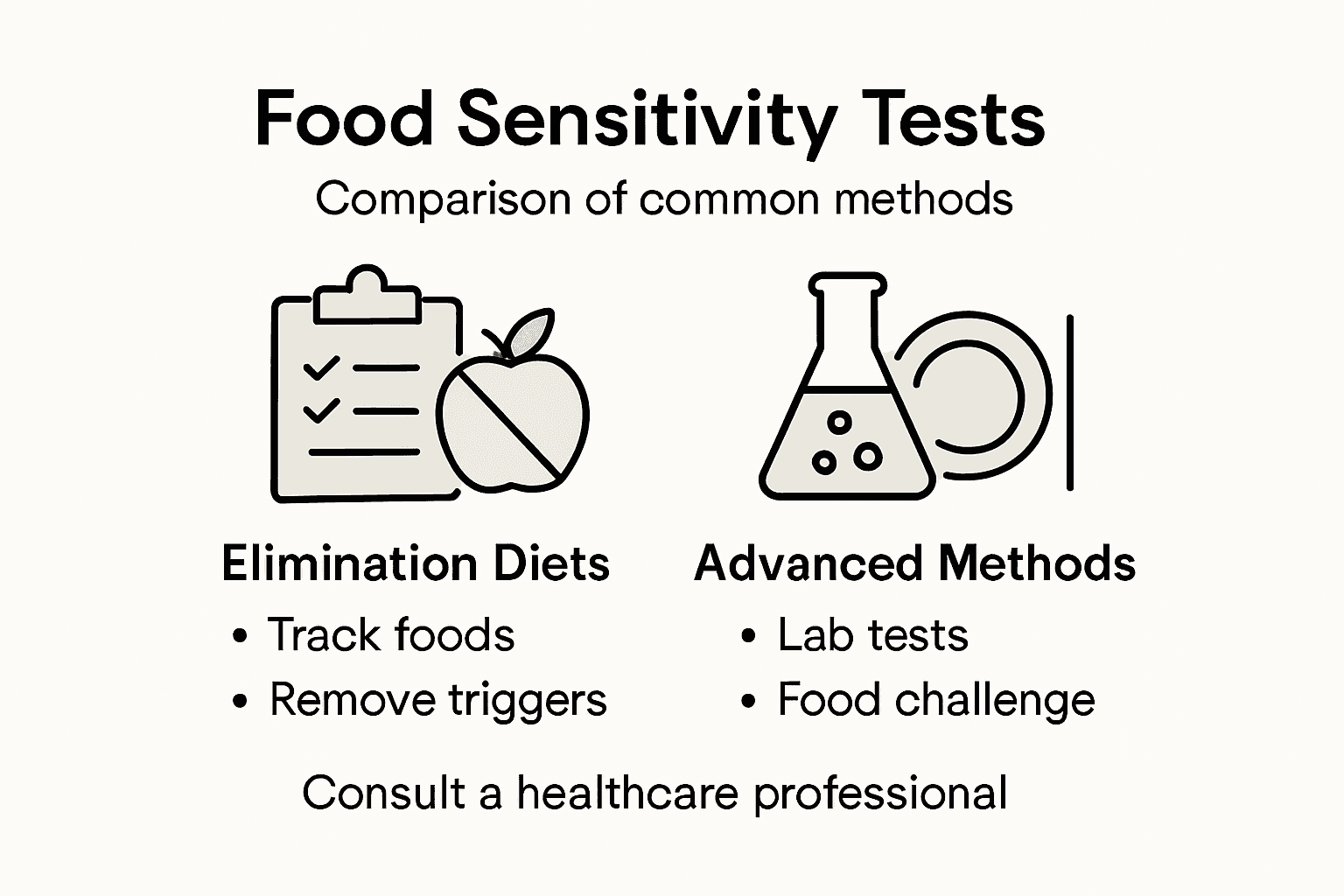
Elimination diets represent the primary diagnostic strategy for most food sensitivities. This methodical approach involves systematically removing suspected trigger foods from an individual’s diet and carefully monitoring physical responses. Typically, foods are eliminated for several weeks before being reintroduced one at a time, allowing healthcare professionals to observe specific bodily reactions. Immunological tests provide another critical diagnostic pathway, particularly for IgE-mediated food allergies. These tests measure specific antibody responses, helping clinicians determine whether an individual’s immune system is generating defensive reactions against particular food proteins. Blood tests can detect immunoglobulin markers that indicate potential allergic responses, though they are not infallible and often require complementary diagnostic methods.
Advanced diagnostic techniques have emerged to address the nuanced nature of food sensitivities. Supervised food challenges conducted under medical supervision represent a gold standard for precise identification. During these controlled assessments, patients consume small, incrementally increasing quantities of suspected trigger foods while healthcare professionals monitor potential reactions. Genetic testing and comprehensive gut microbiome analyses are also becoming increasingly sophisticated, offering deeper insights into an individual’s predisposition to specific food sensitivities. These advanced methodologies consider genetic markers, inflammatory indicators, and individual metabolic variations that traditional testing might overlook.
Pro tip: Prepare a detailed food and symptom diary before diagnostic consultations to provide healthcare professionals with comprehensive insights into your potential food sensitivity patterns.
Practical Impacts on Health and Lifestyle
Food sensitivities extend far beyond mere dietary inconvenience, profoundly influencing an individual’s overall quality of life and daily functioning. NHS dietary management guidelines underscore the critical importance of understanding how food interactions can dramatically impact physical and mental wellbeing.
Nutritional challenges arise significantly for individuals managing food sensitivities. Restricted dietary options can lead to potential nutrient deficiencies, requiring meticulous meal planning and potential supplementation. The psychological burden is equally substantial, with many experiencing social anxiety around dining, reduced spontaneity in eating experiences, and increased stress related to food selection. This emotional toll can manifest through reduced social interactions, heightened meal preparation complexity, and potential feelings of isolation when navigating dietary restrictions.
Beyond immediate digestive responses, untreated food sensitivities can trigger systemic health complications. Chronic inflammation triggered by repeated exposure to problematic foods can contribute to broader health issues, including compromised immune function, persistent fatigue, unexplained weight fluctuations, and potential long-term metabolic disruptions. Athletes and fitness enthusiasts may experience particularly pronounced performance impacts, with food sensitivities potentially reducing energy levels, recovery rates, and overall physical resilience. These interconnected physiological responses demonstrate that food sensitivities are not merely digestive inconveniences but complex health management challenges requiring holistic, personalised approaches.
This summary table highlights practical challenges for those managing food sensitivities:
| Impact Area | Key Challenge | Recommended Support |
|---|---|---|
| Nutrition | Risk of deficiencies | Meal planning, supplementation |
| Social Dynamics | Anxiety at meals | Support networks, preparation |
| Overall Health | Chronic inflammation effects | Regular medical monitoring |
Pro tip: Work collaboratively with a registered nutritionist to develop a balanced, nutritionally complete diet plan that accommodates your specific food sensitivity requirements.
Understand Your Food Sensitivities to Improve Daily Wellbeing
Navigating the complex world of food sensitivities can feel overwhelming especially when symptoms like digestive discomfort or unexplained inflammation interfere with your day-to-day life. This article highlights key terms such as food allergies, non-IgE sensitivities, and intolerances that often cause confusion but are essential to recognise when seeking relief and better health management. If you find yourself lost in the details or unsure which foods might be triggering your symptoms, expert guidance and accurate testing can make all the difference.
Discover how simple at-home testing through UK Food Intolerance empowers you to identify potential food triggers quickly and effectively. Our Digestive Health Archives – UK Food Intolerance offers helpful resources to support your journey.

Take control of your wellbeing now by choosing from our tailored tests like the Ultimate Single Intolerance Test or the Core Single Intolerance Test. With an easy hair sample collection at home, fast turnaround, and clear digital reports, you gain a personalised understanding of your unique sensitivities. Visit UK Food Intolerance today to begin your path to relief and renewed vitality.
Frequently Asked Questions
What is the difference between food sensitivity, allergy, and intolerance?
Food sensitivity involves a complex spectrum of bodily reactions, while food allergies are immediate immune responses to certain proteins, and food intolerances are slower digestive difficulties. Understanding these distinctions is essential for proper management and diagnosis.
How can I identify if I have a food sensitivity?
Identifying food sensitivities often involves elimination diets to systematically remove and then reintroduce suspected trigger foods, monitoring your body’s reactions. Professional testing methods, like immunological tests and supervised food challenges, may also be used for accurate diagnosis.
What are common symptoms of food sensitivity?
Common symptoms include digestive issues like bloating and discomfort, chronic inflammation, fatigue, and skin conditions. These symptoms can vary widely between individuals, making personal assessments important.
How do food sensitivities affect daily life and nutrition?
Food sensitivities can lead to nutritional challenges and potential deficiencies due to restricted diets. They may also cause social anxiety around meals and trigger systemic health complications if left unmanaged. Collaborating with healthcare professionals for meal planning and support can help mitigate these impacts.










Leave a Reply
Want to join the discussion?Feel free to contribute!