

Dairy, wheat and gluten components, eggs, yeast, corn, citrus, certain nuts and nightshade vegetables sit among the food items most frequently flagged on at-home sensitivity reports. On the environmental side, moulds, household cleaning chemicals, synthetic fragrances, detergents and dust-associated compounds appear again and again.
These are not the classic IgE food allergens you’ll find on clinical allergy panels. This list refers specifically to non-IgE sensitivities and intolerances reported by at-home bioresonance testing, of the kind Ukfoodintolerance offers. If you’re building a picture of your own triggers, here’s what tends to show up most often:
- Dairy – milk proteins and lactose components
- Wheat and gluten-related grains – often alongside other cereals
- Eggs – both whites and yolks can be flagged separately
- Yeast – found in bread, alcohol and some processed foods
- Citrus fruits – oranges, lemons and limes
- Nightshades – tomatoes, peppers, aubergine, potatoes
- Moulds and damp-related compounds – common in older or poorly ventilated homes
- Household chemicals and fragrances – cleaning products, detergents, scented candles
Testing methods vary in how they detect these triggers, and the evidence behind them is genuinely mixed. Before you act on any report, it’s worth reading through the sections on testing limitations and safe next steps further down this guide.
Key takeaways
Non-IgE food and environmental sensitivities cover a wide range of everyday items, and the most reliable way to act on a flagged result is to treat it as a hypothesis to test through structured elimination and reintroduction, not a final diagnosis.
| Point | Details |
|---|---|
| Common food triggers | Dairy, wheat and gluten components, eggs, yeast, citrus, and nightshades appear most often on reports. |
| Common environmental triggers | Moulds, household chemicals, fragrances, and dust-associated compounds frequently join food items. |
| Treat results as hypotheses | Use a structured elimination period, then reintroduce one item at a time while logging symptoms. |
| Evidence remains mixed | Clinical bodies caution that many at-home methods, including IgG and bioresonance testing, lack strong validation. |
| Ukfoodintolerance’s role | Offers the Ultimate Single Intolerance Test (1,100+ items) and Core Single Intolerance Test (500 items) with a 48–72 hour turnaround and elimination guidance. |
Table of Contents
- What do “sensitivities” and “intolerances” actually mean here?
- Which foods most commonly appear on sensitivity reports?
- What environmental triggers show up alongside food sensitivities?
- What symptoms do people link to these sensitivities?
- How does at-home bioresonance testing actually work?
- How do you safely use an at-home sensitivity report?
- Why is the evidence on at-home testing still mixed?
- How does Ukfoodintolerance approach non-IgE sensitivity testing?
- Ready to find out what’s behind your symptoms?
- Where can you read more on this topic?
- Sources
What do “sensitivities” and “intolerances” actually mean here?
When Ukfoodintolerance talks about sensitivities and intolerances, it means non-IgE reactions: responses that don’t involve the immune system’s antibody pathway in the way a classic allergy does. This is a different category to IgE-mediated food allergy, and the distinction matters more than most people realise.
IgE-mediated allergy is what causes a swollen throat after eating peanuts, or hives within minutes of drinking milk. It’s diagnosed through validated methods including skin prick testing, specific IgE blood tests, and supervised oral food challenges. Non-IgE sensitivity is different territory entirely: slower to appear, harder to pin down, and often tangled up with digestion, gut bacteria, or simple overconsumption of a single food group.
This guide is for information only and does not replace clinical diagnosis. If you experience a severe reaction, such as swelling, breathing difficulty, or fainting, seek emergency medical care immediately.
Adverse reactions to food are far more common than confirmed allergies. Around 20% of people in Western countries report some form of adverse food reaction, while confirmed IgE food allergy affects only about 1 to 2% of adults and under 10% of children. That gap between “I react to this” and “I’m clinically allergic to this” is exactly where non-IgE sensitivity testing tries to add value, and where Ukfoodintolerance focuses its work. For a clearer breakdown of how the two categories differ, our guide on intolerance versus allergy unpacks the distinction in more depth.
Which foods most commonly appear on sensitivity reports?
At-home tests tend to flag items that people eat often, in large quantities, or in heavily processed forms. Frequency of exposure plays a bigger role here than most people expect. Here’s how the usual suspects break down by category:
- Dairy products – milk, cheese, and yogurt are among the most consumed foods in the UK diet, which raises the odds of a flagged reaction simply through repeated exposure.
- Cereals and grains – wheat components appear often, sometimes alongside oats or barley, reflecting how frequently these grains overlap in a typical weekly diet.
- Eggs – commonly reported, partly because eggs appear as a hidden ingredient in baked goods, sauces, and processed meals.
- Yeast and baking agents – bread, beer, and stock cubes all contain yeast derivatives, so a single sensitivity can touch multiple food categories at once.
- Citrus fruits – oranges and lemons show up regularly, often linked to the natural acids and compounds they share with other fruits.
- Nightshade vegetables – tomatoes, peppers, and potatoes sometimes cluster together on a single report.
- Seeds and pulses – sesame, lentils, and chickpeas appear less often but do surface, particularly for people eating plant-forward diets.
- Processed food ingredients – yeast extract, flavour enhancers, and preservatives frequently show up because they’re present in so many packaged products.
This clustering is what’s known as cross-reactivity: when several related items appear on the same report because they share biological compounds or simply turn up together in the same meals. It’s a reason to read your report as a pattern, not a checklist of unconnected items.
What environmental triggers show up alongside food sensitivities?
Household and environmental exposures are just as prominent as food items on many at-home reports, and they’re easy to overlook because they’re not something you eat. Moulds, particularly species linked to damp and poor ventilation, appear frequently. So do household cleaning chemicals, laundry detergents, and synthetic fragrances used in candles, air fresheners, and cosmetics.
Pet-associated residues and dust-linked compounds also feature regularly, alongside pollen fragments and outdoor mould spores picked up during certain seasons. Bathrooms with limited airflow, freshly laundered clothing treated with strong-scented detergent, and rooms lit with scented candles are all common points of contact.

None of these exposures need to be dramatic to matter. Cumulative exposure is often the real issue. A small amount of mould in the bathroom, a scented detergent in the wash, and a fragranced candle in the living room might each seem trivial alone, but combined they can add up to a symptom pattern that’s genuinely hard to trace back to any single cause.
What symptoms do people link to these sensitivities?
Symptoms attributed to non-IgE sensitivities tend to cluster into a handful of recognisable groups, though they rarely announce themselves clearly:
- Digestive – bloating, abdominal pain, and diarrhoea
- Skin – eczema flare-ups, rashes, and hives
- Energy and mood – fatigue, brain fog, and low mood
- Headaches and migraines – often linked to specific food or chemical triggers
- Sleep disturbance – difficulty settling or staying asleep
One of the trickiest parts of self-attribution is timing. Symptoms from non-IgE sensitivity can appear hours or even a day after exposure, which makes it genuinely difficult to connect cause and effect without a structured approach.
Pro Tip: Keep a simple daily log of what you eat, what products you use around the house, and how you feel that evening and the next morning. Patterns that seem invisible day to day often become obvious after two or three weeks of consistent notes.
If you ever experience breathing difficulty, throat tightness, or fainting after eating or exposure to a substance, this is a medical emergency. Call for immediate help. That’s a different category entirely from the sensitivities discussed in this guide.
How does at-home bioresonance testing actually work?
The process is deliberately simple. You order a kit, collect a small hair sample at home, and post it to a UK laboratory for analysis. Ukfoodintolerance turns reports around within a few days, and each digital report typically lists the items tested, which ones were flagged, suggested items to eliminate, and nutritional notes to help you maintain a balanced diet while adjusting your intake.
| What you’re comparing | Typical detail |
|---|---|
| Turnaround time | 48–72 hours from sample receipt to digital report |
| Items tested (Ultimate Single Intolerance Test) | Over 1,100 food and non-food items |
| Items tested (Core Single Intolerance Test) | many items |
| Adults reporting adverse food reactions | Around 20% in Western countries |
| Confirmed IgE food allergy in adults | Around 1–2% |
It’s worth being clear-eyed about the evidence base here. Clinical and journalistic reviews note that many at-home food sensitivity tests, including hair-based bioresonance and IgG blood panels, lack the kind of rigorous validation that skin prick tests or supervised food challenges have. IgG antibodies, specifically, tend to reflect that you’ve been exposed to a food, not that the food is actually causing your symptoms. That distinction is worth sitting with before you overhaul your diet based on a single flagged item. Our piece on fast food intolerance detection methods goes into more detail on how different testing approaches compare.
How do you safely use an at-home sensitivity report?
Turning a report into a genuinely useful plan means treating flagged items as a starting hypothesis, not a verdict. Here’s a practical sequence:
- Prepare first. Read your full report and identify the three or four most strongly flagged items before changing anything.
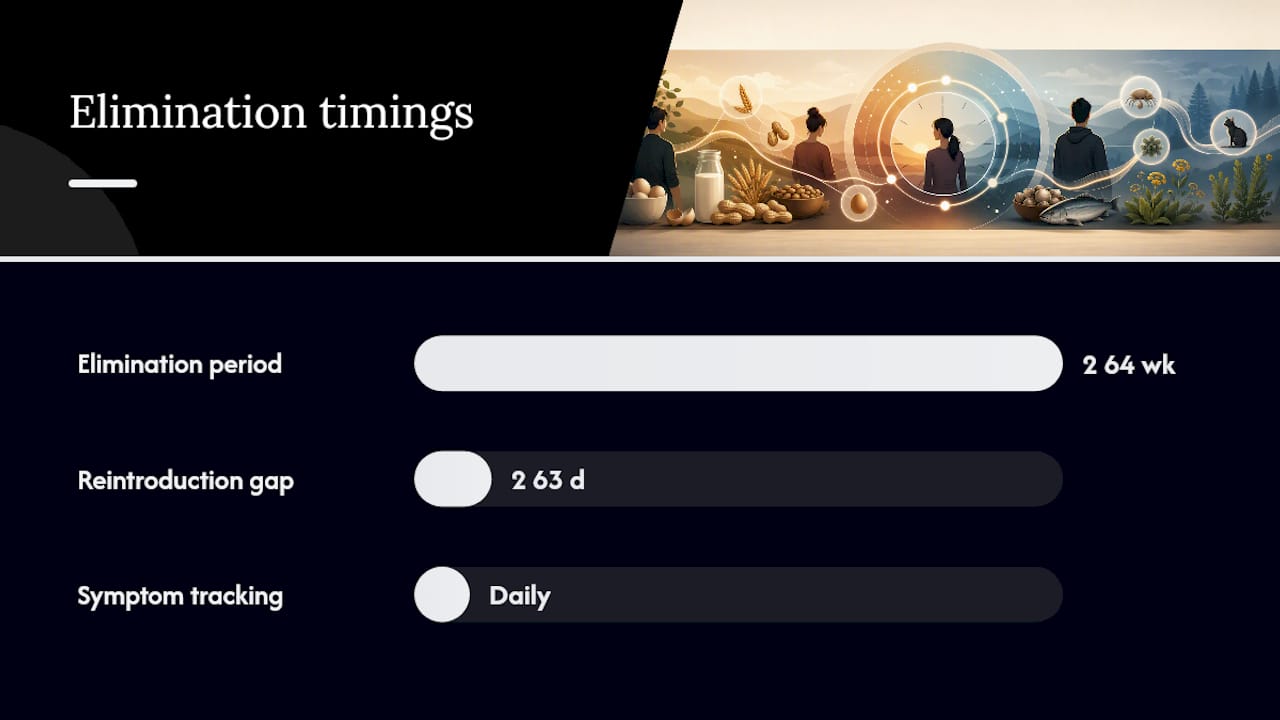
- Remove flagged items for a defined period, typically two to four weeks, rather than cutting them indefinitely.
- Track symptoms daily using a food and exposure diary, noting energy, digestion, skin, and sleep.
- Maintain nutrient balance while eliminating; don’t let removing dairy or grains leave gaps in calcium or fibre intake.
- Reintroduce one item at a time, waiting two to three days between each, and log any reaction clearly for future reference.
This structured approach is far more informative than removing everything at once, which makes it almost impossible to know which item was actually the problem. Our step-by-step guide to the food elimination process and elimination diet checklist both walk through this in more detail, including reintroduction timing.
Pro Tip: If you’re removing multiple food groups at once, consider working with a registered dietitian to check you’re still meeting your nutritional needs, particularly if you’re testing on behalf of a child.
See a GP or registered dietitian if symptoms persist despite elimination, if you’re losing weight unintentionally, if you have a history suggestive of anaphylaxis, or if you’re managing several medications alongside dietary changes. Stop any self-directed restrictive diet immediately if your health worsens rather than improves.
Why is the evidence on at-home testing still mixed?
The honest answer is that clinical bodies and at-home test providers are often looking at different questions. Professional guidance lists several unproven diagnostic methods, including IgG/IgG4 testing, hair analysis, and electrodermal testing, and warns these aren’t recommended as standalone tools for diagnosing food allergy. Misused or over-interpreted, they carry a real risk: unnecessary dietary restriction, or worse, false reassurance for someone with a genuine, serious allergy.
Adverse food reactions split broadly into immune-mediated conditions like food allergy and coeliac disease, and non-immune intolerances. The rise of unorthodox testing methods without a scientifically sound basis is a real concern flagged by researchers at Monash University.
The practical takeaway isn’t to dismiss at-home testing outright. It’s to treat results as a hypothesis worth investigating through structured elimination and reintroduction, ideally with professional oversight for anything complex. Given that roughly a fifth of people experience adverse food reactions of some kind, a flagged item is plausible far more often than it’s coincidental. Our article on the real risks and benefits of at-home testing goes deeper into weighing this trade-off for your own situation.
How does Ukfoodintolerance approach non-IgE sensitivity testing?
Ukfoodintolerance was built around a simple idea: give people a starting point for understanding their own triggers without needing a GP referral first. The at-home model uses non-invasive hair samples, analysed at a UK laboratory, with digital reports delivered within a few days.
The two core products reflect different levels of depth. The Ultimate Single Intolerance Test covers over 1,100 food and non-food items for a fuller picture, while the Core Single Intolerance Test covers 500 items and suits people who want a more affordable starting point. Both come with guidance materials for planning an elimination diet, and customer support is available if you’re unsure how to read your results.
None of this replaces a GP or allergy specialist, particularly if you’ve had a severe reaction in the past or suspect a genuine IgE allergy. Where symptoms are persistent, unexplained, or affecting your quality of life day to day, a testing report works best as one input alongside professional advice, not a substitute for it.
Ready to find out what’s behind your symptoms?
If the examples above sound familiar, the next step doesn’t need to be complicated. Ukfoodintolerance’s at-home kits let you collect a hair sample from your own kitchen table and get a digital report back within a few days, without waiting weeks for a GP referral or a specialist appointment.

Choosing between the two main options is straightforward. The Ultimate Single Intolerance Test covers over 1,100 items for the most complete picture, while the Core Single Intolerance Test tests 500 items at a more accessible price point if you’d rather start smaller. Either way, your report arrives with suggested eliminations and nutritional notes, so you’re not left guessing what to do with the results.
One reminder before you order: these reports are for information and self-management, not clinical diagnosis. If you have a history of severe reactions, or your symptoms are getting worse rather than better, speak to your GP or a registered dietitian before making major changes to your diet. Ready to see what your own report reveals? Browse the full range of intolerance tests and choose the option that fits where you’re starting from.
Where can you read more on this topic?
For readers who want to dig further into the evidence and practical guidance behind this article, these sources cover different angles worth understanding before you act on a sensitivity report.
- Monash Lens’ review of food allergy and intolerance testing explains the difference between validated clinical diagnosis and unorthodox testing methods, and sets out the population figures used throughout this guide.
- The Advisory Board’s reporting on food sensitivity tests covers why IgG-based panels are popular but not clinically validated, and what that means for interpreting your own results.
- FoodAllergy.org’s list of unproven diagnostic tests names the specific methods professional bodies caution against relying on alone, including hair analysis and IgG testing.
- Ukfoodintolerance’s own guide to the food elimination process walks through the practical steps of turning a report into a safe, structured plan.
Always confirm any significant dietary change with a GP or registered dietitian, particularly if you have existing health conditions, are testing on behalf of a child, or have a history of severe allergic reactions.
Sources
- The science and pseudoscience of food allergy and intolerance testing – Monash Lens
- Food sensitivity tests are all the rage. But do they really work?
- Foodallergy










Leave a Reply
Want to join the discussion?Feel free to contribute!