

TL;DR:
- Effective allergy management involves identifying triggers, reducing allergen exposure, and using medications properly. Immunotherapy can offer long-term relief by desensitizing the immune system, especially when combined with environmental controls and medication. Carrying emergency auto-injectors and following a written plan are essential for severe allergy safety.
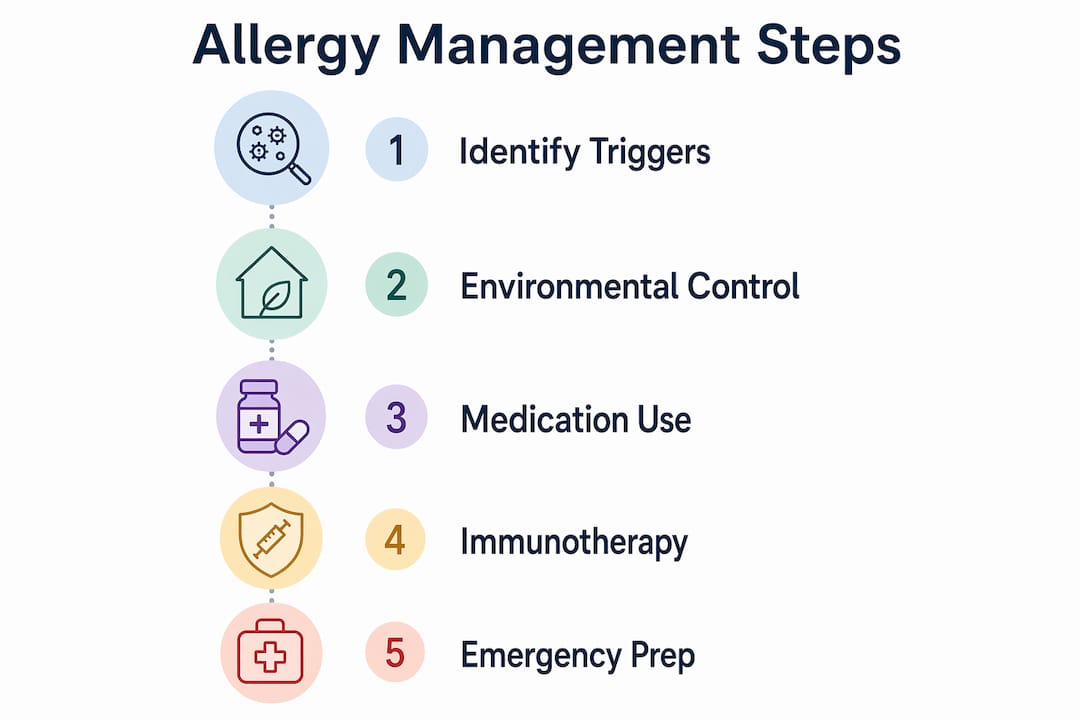
Step by step allergy management is a structured approach that combines trigger identification, environmental controls, medication, and long-term treatment to reduce symptoms and improve your quality of life. The clinical term for this is stepwise allergy control, and it reflects how modern allergy care works in layers rather than as a single fix. A personalised allergy management plan, which may include an Emergency Allergy Action Plan with an epinephrine auto-injector, is now considered best practice for anyone with moderate to severe allergies. Starting early matters too. Combination intranasal sprays should begin at least 2 to 3 weeks before your allergy season starts for maximum effect.
How do you identify and understand your allergy triggers effectively?
Knowing your triggers is the foundation of any allergy management guide. Without this step, every other measure is guesswork.
Common allergens fall into several categories:
- Pollen: Tree, grass, and weed pollen are the leading causes of seasonal allergic rhinitis in the UK.
- Food allergens: Peanuts, tree nuts, milk, eggs, wheat, and shellfish account for the majority of food allergy reactions.
- Dust mites: A year-round indoor trigger found in bedding, carpets, and soft furnishings.
- Pet dander: Proteins from cat and dog skin cells, saliva, and urine trigger reactions in many people.
- Mould: Spores released indoors and outdoors, particularly in damp conditions.
Testing options range from skin prick tests and blood tests (specific IgE) carried out by a GP or allergy clinic, to non-invasive at-home test kits. Skin prick tests deliver fast results and are considered the gold standard for identifying IgE-mediated reactions. Blood tests are useful when skin testing is not possible. At-home kits, such as those reviewed in the top at-home allergy test kits guide, offer a convenient first step for people who want to identify potential sensitivities before seeing a specialist.
Tracking your symptoms alongside environmental data gives you a clearer picture. Apps like Pollen UK and Metcheck provide daily pollen counts. A simple symptom diary noting what you ate, where you were, and how you felt each day can reveal patterns that a single test might miss.
Pro Tip: Keep your symptom diary for at least four weeks before your first GP appointment. Patterns across multiple weeks are far more useful than a single day’s notes.
What environmental controls and lifestyle changes reduce allergen exposure?
Avoidance alone is insufficient for effective allergy management. The goal is to reduce your total allergen load so your immune system is less overwhelmed.
Outdoor exposure tips:
- Check pollen forecasts daily and limit time outside when counts are high, typically between 5am and 10am.
- Wear wraparound sunglasses to reduce eye contact with airborne pollen.
- Dry clothes indoors during high pollen season rather than on an outdoor line.
Indoor environment measures:
- Use HEPA air purifiers in bedrooms and living areas to filter airborne particles.
- Keep indoor humidity below 50% to discourage dust mite and mould growth.
- Vacuum carpets and soft furnishings at least twice weekly using a vacuum with a HEPA filter.
- Wash bedding at 60°C weekly to kill dust mites.
Pet management is often underestimated. If you are allergic to pet dander, keeping pets out of the bedroom makes a measurable difference even if they remain in the home.
Showering and washing your hair before bed removes pollen from your skin and hair. Pollen is sticky and transfers to your pillow and bedding overnight, prolonging your exposure well beyond the time you spent outdoors.

Pro Tip: Change your clothes as soon as you come indoors on high pollen days. This single habit can cut your indoor pollen exposure significantly.
What medications should you use for allergy symptom control and when?
Medication is the second pillar of effective allergy treatment. The right choice depends on your symptom severity and the type of allergen involved.
- Second-generation antihistamines (cetirizine, loratadine, fexofenadine) are the first choice for mild to moderate symptoms. They cause less drowsiness than older antihistamines and are taken daily, not just when symptoms flare.
- Nasal corticosteroid sprays (fluticasone, mometasone, beclometasone) treat the underlying nasal inflammation. Daily use of corticosteroid nasal sprays is necessary for effective control. Taking them only when symptoms appear does not work because they need time to build up anti-inflammatory effect.
- Combination intranasal sprays containing both an antihistamine and a corticosteroid are now recommended as first-line therapy for moderate to severe allergic rhinitis. Start these 2 to 3 weeks before your season begins.
- Decongestants (pseudoephedrine, xylometazoline) relieve nasal congestion quickly but should not be used for more than a few days at a time. Separating the decongestant from your antihistamine helps avoid side effects such as sleep disruption.
- Eye drops (sodium cromoglicate, olopatadine) address allergic conjunctivitis directly and work well alongside nasal sprays.
Nasal spray technique matters more than most people realise. Direct the nozzle away from the septum and aim it towards the ear on the same side as the nostril you are spraying into. A slight forward head tilt and shallow insertion improve absorption and reduce the risk of nosebleeds.
Pro Tip: Set a daily phone reminder to take your nasal spray at the same time each morning. Consistency matters far more than the exact time of day.
Patients often misuse OTC medicines, taking them only when symptoms flare instead of daily. This reactive approach leaves nasal inflammation unchecked and makes breakthrough symptoms more likely. If your symptoms break through despite daily medication, speak to your GP about escalating to a combination spray or adding a leukotriene receptor antagonist such as montelukast.
How does immunotherapy fit into long-term allergy management?
Allergen immunotherapy is the only treatment that modifies the underlying allergic disease rather than simply controlling symptoms. It works by gradually desensitising your immune system to specific allergens through repeated, controlled exposure.
There are two main delivery methods:
| Feature | SCIT (allergy shots) | SLIT (sublingual tablets or drops) |
|---|---|---|
| How it works | Injections given in a clinic | Tablets or drops taken under the tongue at home |
| Build-up phase | Weekly injections for 6–12 months | Daily doses for several weeks to months |
| Maintenance phase | Injections every 2–6 weeks | Daily doses continued at home |
| Total duration | 3–5 years | 3–5 years |
| Supervision needed | Clinic attendance required | Mostly self-administered at home |
| Best suited for | Multiple allergens, severe cases | Single allergen (e.g. grass pollen, house dust mite) |
Allergen immunotherapy involves a build-up phase over 6 to 12 months followed by maintenance every 2 to 6 weeks for 3 to 5 years. The long-term benefits are significant. Immunotherapy benefits often persist for years after treatment completion, reducing the need for ongoing medication and preventing new allergies from developing.
Not everyone is a candidate. Immunotherapy suits people with confirmed IgE-mediated allergies who have not achieved adequate control through environmental measures and medication alone. A shared decision-making conversation with an allergy specialist, covering your lifestyle, symptom severity, and commitment to a multi-year programme, is the right starting point. For a detailed overview of identifying allergens before pursuing immunotherapy, the Ukfoodintolerance resource covers testing methods clearly.
What emergency precautions should allergy sufferers have in place?
Every person at risk of anaphylaxis needs a written Emergency Allergy Action Plan. This is not optional. The plan should list your known triggers, your symptoms at each stage of a reaction, and the exact steps to take.
- Carry two epinephrine auto-injectors at all times. Patients with severe allergies must carry two because a second dose may be needed 5 to 15 minutes after the first, due to epinephrine’s short half-life.
- Recognise anaphylaxis signs early. These include throat tightening, difficulty breathing, a sudden drop in blood pressure, pale or blotchy skin, and collapse.
- Administer epinephrine into the outer thigh immediately at the first sign of anaphylaxis. Do not wait to see if symptoms worsen.
- Call 999 straight away after administering the injection. Emergency transport is critical even if symptoms improve after the first dose.
- Train people around you. Family members, colleagues, and school staff should know where your auto-injectors are kept and how to use them.
“Proper training on epinephrine auto-injector use and emergency plan rehearsals significantly improve outcomes during anaphylactic emergencies.” — Allergy Medical Management Plan: UK Guide
Regular follow-up and updating of your allergy action plan are crucial as seasons and treatments change. Review your plan at least once a year with your GP or allergy nurse.
Key takeaways
Effective step by step allergy management requires identifying your triggers accurately, reducing your allergen load through environmental controls, using medications correctly and consistently, and considering immunotherapy for long-term disease modification.
| Point | Details |
|---|---|
| Identify triggers first | Use skin tests, blood tests, or at-home kits before building your management plan. |
| Start medications early | Begin combination nasal sprays 2 to 3 weeks before your allergy season for best results. |
| Use medications daily | Nasal corticosteroids require consistent daily use to control inflammation, not just reactive doses. |
| Consider immunotherapy | SCIT or SLIT over 3 to 5 years can produce lasting symptom reduction after treatment ends. |
| Carry two auto-injectors | Anyone at risk of anaphylaxis must carry two epinephrine auto-injectors and have a written action plan. |
Why I think most people are managing their allergies backwards
Most people I speak to treat their allergies the wrong way round. They wait for symptoms to arrive, reach for an antihistamine, and wonder why they still feel awful by lunchtime. The problem is not the medication. The problem is the timing and the mindset.
The shift I find most underappreciated in modern allergy care is the move away from symptom chasing toward personalised treatment plans that address underlying inflammation before it takes hold. A nasal corticosteroid spray taken daily from the start of march does far more work than the same spray taken reactively in june when your nose is already streaming.
The other misconception I see constantly is the belief that avoiding triggers is enough. It rarely is. A symptom load reduction approach combining environmental controls, medication, and immunotherapy is what actually moves the dial. Avoidance reduces your load. It does not reset your immune response.
What genuinely changes outcomes is education and a written plan. People who understand why they are taking each medication, and when to escalate, make far better decisions in the moment. That is not complicated. It just requires someone to explain it clearly once.
— Rob
How Ukfoodintolerance can support your allergy management plan
Understanding your triggers is the first and most important step in any allergy management plan. Ukfoodintolerance offers non-invasive, at-home testing using bio-resonance technology, covering over 1,100 food and environmental items with the Ultimate Single Intolerance Test. Results arrive as a detailed digital report within 48 to 72 hours, giving you a clear starting point for an elimination diet or a conversation with your GP.

Whether you are dealing with unexplained digestive symptoms, skin reactions, or persistent fatigue, knowing what your body is reacting to puts you back in control. Browse the full range of intolerance test kits to find the right option for your needs, and use your results to build a personalised plan that actually works.
FAQ
What is the first step in managing allergies?
The first step is identifying your specific triggers through allergy testing, whether via a GP-referred skin prick test, a blood test, or an at-home test kit. Without knowing your allergens, no management plan can be tailored to you.
How long before allergy season should I start my medication?
Start combination intranasal antihistamine and corticosteroid sprays at least 2 to 3 weeks before your anticipated allergy season begins. This build-up period allows the medication to establish anti-inflammatory control before pollen counts rise.
What is the difference between SCIT and SLIT immunotherapy?
SCIT (subcutaneous immunotherapy) involves injections given in a clinic, while SLIT (sublingual immunotherapy) uses tablets or drops taken at home under the tongue. Both run for 3 to 5 years and produce long-term symptom reduction, but SLIT is generally more convenient for single-allergen cases.
Why do I need two epinephrine auto-injectors?
Epinephrine has a short half-life, so a second dose may be needed 5 to 15 minutes after the first if symptoms return or do not fully resolve. Always call 999 immediately after administering the first injection.
Can I manage allergies without medication?
Environmental controls such as HEPA air purifiers, regular bedding washing, and showering before bed reduce your allergen load meaningfully. However, for moderate to severe allergies, environmental measures alone are rarely sufficient and work best alongside appropriate medication.










Leave a Reply
Want to join the discussion?Feel free to contribute!