

TL;DR:
- Environmental sensitivity testing helps identify allergens like pollen and dust mites affecting health through clinical or at-home methods. Proper preparation, including symptom diaries and medication review, improves test accuracy, while targeted allergen testing provides clearer results. Interpreting sensitisation correctly and retesting periodically enhances long-term management and reduces exposure-related symptoms.
Environmental sensitivity testing is the process of systematically identifying allergens and environmental triggers that affect your health, using a structured combination of history evaluation, clinical tests, and validated at-home kits. The recognised clinical term for this process is allergen sensitisation assessment, though “environmental sensitivity testing” is widely used by individuals seeking practical guidance. Common triggers include pollen, dust mites, mould, and pet dander. Step by step environmental sensitivity testing works because it removes guesswork, replacing vague symptom management with targeted, evidence-based answers. This guide walks you through every stage, from preparation to interpreting results, so you can take real control of your wellbeing.
What preparatory steps are essential before starting environmental sensitivity testing?
Preparation is the most overlooked stage of any sensitivity testing guide, yet it directly determines how useful your results will be. Doctors diagnose allergies using a combination of patient history, physical examination, and allergy tests interpreted alongside symptoms and exposure context. Testing without this groundwork produces results that are difficult to act on.

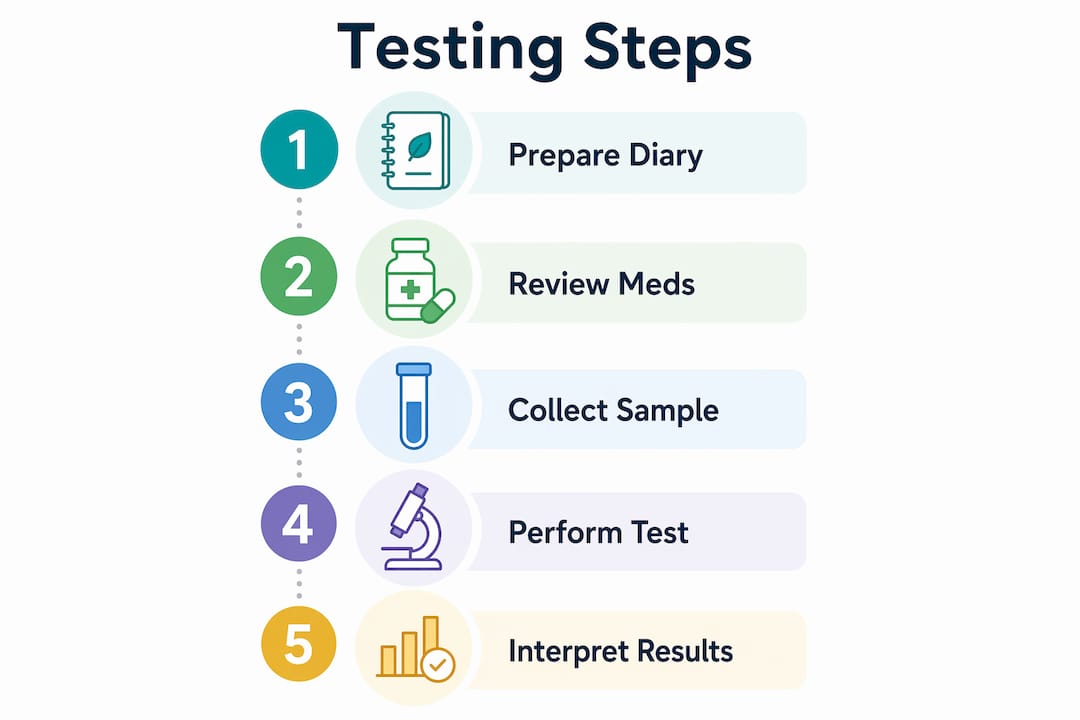
Start by keeping a detailed symptom diary for at least two weeks before any testing. Record when symptoms appear, their severity, and what you were doing or where you were at the time. This diary becomes your most valuable document during any clinical or at-home assessment.
Next, review your current medications. Antihistamines, corticosteroids, and immunosuppressants can all affect test accuracy. Your GP or testing provider needs a full medication list before you begin. Gathering details about your home and work environments, including seasonal patterns, pets, and damp areas, also helps narrow down which allergens are worth testing.
| Preparation Step | Rationale |
|---|---|
| Symptom diary (2+ weeks) | Identifies patterns and links symptoms to specific environments or times |
| Medication review | Prevents suppressed or false results from drugs like corticosteroids |
| Environmental exposure notes | Focuses testing on relevant allergens rather than broad screening |
| Family and lifestyle history | Reveals genetic predisposition and lifestyle factors affecting sensitivity |
| Structured history sheet | Organises information for clinician or at-home kit provider review |
Pro Tip: Use a free symptom tracker app such as Cara Care or a simple spreadsheet to log symptoms daily. Consistent records over two weeks give a clinician far more to work with than a verbal summary.
The STAR principles (symptom consistency, timing, likely allergen, reproducibility) are used by GPs to decide whether IgE-mediated allergy testing is appropriate. Applying this framework yourself before your appointment helps you arrive with focused, relevant information rather than a vague list of complaints.
How to perform environmental sensitivity testing step by step
Both clinical and at-home methods follow a logical sequence. Understanding each stage helps you choose the right approach and get the most from your results.
Clinical testing: the standard pathway
- Detailed history and physical examination. At your first allergy specialist visit, a clinician takes a thorough history and examines your skin, lungs, and nasal passages before any test is ordered. This stage alone often narrows the allergen list significantly.
- Skin prick test. Allergens are placed on the forearm or back, pricked into the skin, and results appear within 15–20 minutes. Multiple allergens can be tested in a single session, making this the most time-efficient clinical method.
- Blood IgE testing. A blood sample measures specific IgE antibodies to identified allergens. This method suits patients who cannot stop antihistamines or who have skin conditions that make prick testing impractical.
- Environmental sampling. For mould or dust allergen screening at home, structured settle plate placement at breathing height, tested in separate rooms with one-hour exposure duration, provides a reliable environmental picture.
At-home testing: a practical alternative
At-home finger-prick blood spot kits follow a clear process. You collect a small blood sample, allow it to dry for a minimum of 30 minutes, and post it to a laboratory. Drying time and medication disclosure are the two most critical quality control points. Skip either and your sample risks rejection or inaccurate results.
Ukfoodintolerance uses bio-resonance technology rather than blood spot IgE testing, analysing a hair sample instead. This non-invasive approach suits individuals who want to screen for a broad range of environmental and food sensitivities without a clinical appointment. You can explore the full at-home testing workflow to see exactly what the process involves.
Pro Tip: If you are using a finger-prick blood spot kit, collect your sample in the morning when you are well hydrated. Warm hands produce a better blood flow, which reduces the risk of an insufficient sample.
| Method | Sample Type | Timing | Accuracy | Convenience |
|---|---|---|---|---|
| Skin prick test | Skin reaction | 15–20 minutes | High with clinical context | Requires clinic visit |
| Blood IgE test | Venous blood | Days for lab results | High; affected by meds | Clinic or at-home kit |
| Bio-resonance (hair) | Hair sample | 48–72 hours | Screens broad sensitivities | Fully at-home |
| Environmental sampling | Air/surface | Hours to days | Useful for mould and dust | DIY with guidance |
How do you interpret environmental sensitivity test results?
A positive test result indicates sensitisation, not confirmed clinical allergy. This distinction matters. Sensitisation alone does not confirm symptomatic allergy; results must always be read alongside your symptom history and exposure context. A positive IgE result to grass pollen means nothing if you have never had symptoms during the grass pollen season.
Common pitfalls when reading results include:
- Treating every positive as a confirmed allergy. False positives are common, particularly with food allergens. Always cross-reference with your symptom diary.
- Ignoring borderline results. Low-level sensitisation can still be clinically relevant if your symptoms are consistent and reproducible.
- Acting on results without specialist input. If your results are complex or unexpected, a referral to an NHS allergy clinic or a private allergist is the right next step.
- Overlooking the need for retesting. Sensitivity levels change over time. A result from three years ago may no longer reflect your current immune response.
Once you have a clear picture of your triggers, environmental control becomes your primary tool. Reducing exposure to identified allergens, whether through allergen-reducing air filters, mattress covers for dust mites, or mould remediation, produces measurable improvements in symptom burden. You can also use a structured environmental sensitivity checklist to track your exposure and symptom changes over time.
For anyone with a history of severe reactions, clinical judgement always takes priority over test results. Severe allergic reactions can present without skin symptoms, and no point-of-care diagnostic test exists for anaphylaxis. If you suspect anaphylaxis, seek emergency care immediately.
What common mistakes should you avoid during testing?
The most frequent errors in stepwise environmental testing are predictable and preventable. Knowing them in advance saves you time, money, and frustration.
- Not disclosing medications. Corticosteroids and immunosuppressants suppress IgE antibody levels. Failing to disclose these to your clinician or kit provider is the single most common cause of inaccurate results.
- Testing for too many allergens at once. Testing limited to relevant allergens, typically fewer than five IgE tests, improves clinical utility. Broad screening panels generate noise, not clarity.
- Insufficient drying time for blood spot samples. A blood spot that has not dried for at least 30 minutes before posting is likely to be rejected by the laboratory. This wastes both time and money.
- Testing without a symptom history. Results interpreted without a consistent symptom record are almost impossible to act on meaningfully.
- Failing to retest. Sensitivities shift. Annual or biennial retesting gives you an updated picture, especially if your environment or lifestyle has changed.
Pro Tip: Before ordering any at-home kit, check whether your current medications could affect results. Contact the kit provider directly if you are unsure. A brief conversation can prevent a wasted test.
For a broader view of how to identify your specific triggers before testing, the Ukfoodintolerance guide on identifying environmental allergy triggers is a practical starting point.
How does systematic testing improve your health over time?
Systematic testing for environmental sensitivity produces compounding benefits when you act on the results. Reducing exposure to confirmed triggers lowers your overall allergen load. A lower allergen load means fewer symptoms, less reliance on antihistamines, and better sleep quality.
The long-term value lies in personalisation. Generic advice to “avoid dust” is far less useful than knowing you are specifically sensitised to Dermatophagoides pteronyssinus (the house dust mite species most common in UK homes). That specificity lets you target your efforts precisely, from choosing the right mattress protector to adjusting your hoovering routine.
Retesting every one to two years also tracks whether your management strategies are working. If sensitisation levels drop after environmental changes, that is measurable evidence your approach is effective. If new sensitivities appear, you catch them early before they significantly affect your quality of life.
Ukfoodintolerance’s tests cover over 1,100 items, including a wide range of environmental triggers. The detailed digital reports, delivered within 48–72 hours, give you a clear starting point for an elimination or avoidance strategy. You can read more about interpreting your sensitivity results to make the most of what your report tells you.
Key takeaways
Effective environmental sensitivity testing requires preparation, targeted allergen selection, and result interpretation within the context of your personal symptom history.
| Point | Details |
|---|---|
| Preparation determines accuracy | Keep a two-week symptom diary and disclose all medications before any testing begins. |
| Target relevant allergens only | Broad screening panels reduce clarity; test fewer than five allergens guided by your symptom history. |
| Sensitisation is not allergy | A positive result confirms immune response, not clinical allergy; always cross-reference with symptoms. |
| At-home kits require strict protocol | Blood spot samples must dry for at least 30 minutes; bio-resonance hair tests require no blood at all. |
| Retest to track progress | Sensitivity levels change over time; retesting every one to two years keeps your health picture current. |
Why history-led testing beats broad screening every time
I have seen the same pattern repeatedly. Someone gets a broad allergy panel done, receives a long list of positives, and ends up more confused and anxious than before they tested. The results are technically accurate but practically useless without a symptom history to filter them through.
The STAR framework from NB Medical exists precisely because clinicians recognised this problem. Broad, non-specific screening leads to unnecessary anxiety and ineffective outcomes. Targeted testing, guided by a clear symptom history, is what actually changes lives.
My honest view is that the best approach combines a thorough personal history with a validated testing method, whether clinical or at-home. The two are not in competition. A bio-resonance hair test from Ukfoodintolerance gives you a broad sensitivity screen quickly and non-invasively. A follow-up skin prick or blood IgE test with a specialist then confirms the clinically significant findings. Used together, they are more powerful than either alone.
Avoid the temptation to test everything at once. Start with the allergens your symptom diary points to. Act on those results. Then retest. That stepwise approach is slower than a broad panel, but the clarity it produces is worth it.
— Rob
Discover ukfoodintolerance’s environmental testing kits
If you are ready to move from guesswork to clarity, Ukfoodintolerance makes the first step straightforward. Their at-home tests use bio-resonance technology to screen for environmental and food sensitivities from a simple hair sample. No needles, no clinic appointments, and results delivered digitally within 48–72 hours.
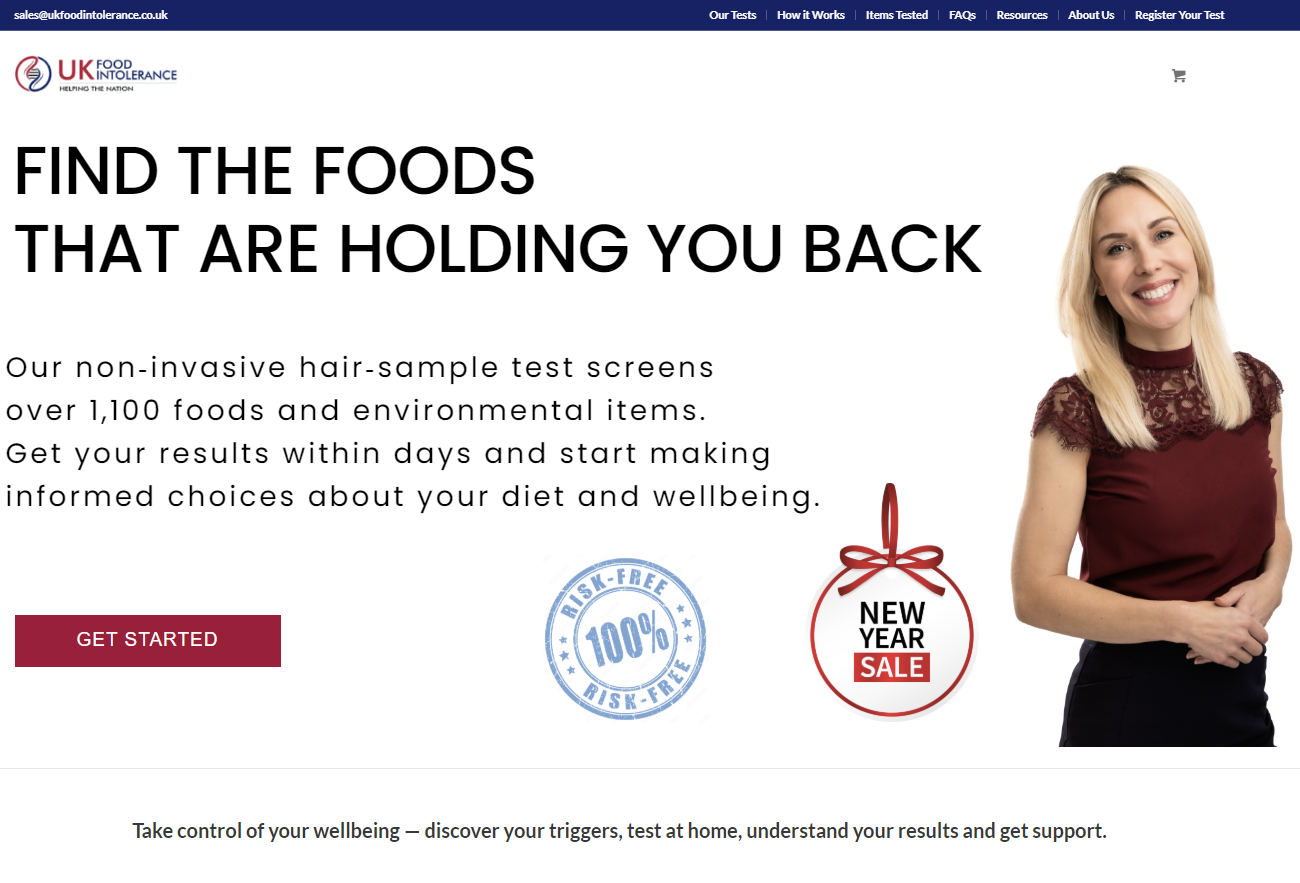
The Ultimate Single Intolerance Test covers over 1,100 items, including common environmental triggers such as pollen, dust mites, mould, and pet dander. The Core Single Intolerance Test covers 500 items at a more accessible price point. Both tests come with clear, detailed reports and support for interpreting your results. Browse the full range of intolerance and sensitivity tests and find the option that fits your needs.
FAQ
What is environmental sensitivity testing?
Environmental sensitivity testing is a structured process for identifying allergens and environmental triggers, such as pollen, dust mites, and mould, that cause symptoms. It uses clinical methods like skin prick tests or blood IgE tests, or at-home kits using bio-resonance or dried blood spot technology.
How accurate are at-home allergy test kits?
At-home blood spot IgE kits are accurate when the sample is collected and dried correctly, with a minimum drying time of 30 minutes before posting. Medications such as corticosteroids can suppress IgE levels and affect results, so always disclose your full medication list to the provider.
What does a positive sensitivity test result mean?
A positive result indicates sensitisation, meaning your immune system has produced antibodies to a specific allergen. It does not confirm a clinical allergy; results must always be interpreted alongside your symptom history and exposure context.
How many allergens should i test for at once?
Testing is most useful when limited to fewer than five relevant allergens identified through your symptom history. Broad screening panels generate confusing results and are actively discouraged by clinical guidelines from bodies such as NB Medical.
How often should i retest for environmental sensitivities?
Retesting every one to two years is a reasonable approach, or sooner if your environment, lifestyle, or symptoms change significantly. Sensitivity levels shift over time, and updated results help you refine your avoidance strategies.









Leave a Reply
Want to join the discussion?Feel free to contribute!