

You might think home food intolerance tests offer quick answers to unexplained symptoms, but the reality is far more nuanced. Whilst demand for at-home testing has surged across the UK, many popular kits use scientifically unvalidated methods that can lead you down costly, restrictive dietary paths. Understanding which tests actually work and how to interpret results safely is crucial for managing your health effectively in 2026.
Table of Contents
- Understanding Food Intolerance And Allergy Testing In 2026
- Home Testing Options And Their Reliability
- Interpreting Test Results And Considering Dietary Impacts
- Emerging Trends And Future Outlook For Food Intolerance Testing In The UK
- Explore Trusted Food Intolerance Tests And Resources
- Frequently Asked Questions
Key takeaways
| Point | Details |
|---|---|
| Only blood tests work | Home blood tests measuring IgE antibodies are the sole evidence-backed option for allergy detection at home. |
| IgG tests lack validation | Most intolerance kits testing IgG antibodies have no clinical support for diagnosing food sensitivities. |
| Restrictive diets cause harm | Eliminating multiple foods based on questionable results damages gut microbiome diversity and risks nutrient deficiencies. |
| Price reflects reliability | Tests range from £20 to £200, with cheaper hair analysis options providing no accurate diagnostic value. |
| Diverse diet beats restriction | Supporting gut health through varied, plant-based foods proves more beneficial than broad eliminations. |
Understanding food intolerance and allergy testing in 2026
The confusion between food allergies and intolerances creates real challenges for people seeking answers. Food allergies involve IgE antibodies and trigger immediate, potentially life-threatening reactions like anaphylaxis. Intolerances involve delayed, non-life-threatening responses through different immune pathways.
This distinction matters enormously for testing accuracy. The NHS relies on IgE antibody detection as the gold standard for allergy diagnosis because this mechanism is well-understood and clinically validated. Many commercial intolerance tests measure IgG antibodies instead, which simply indicate exposure to foods rather than problematic reactions.
The health implications differ dramatically between these conditions:
- Allergies require strict avoidance and emergency medication like adrenaline auto-injectors
- Intolerances often involve dose-dependent symptoms that may improve with dietary adjustment
- Misdiagnosing one as the other can lead to unnecessary restrictions or dangerous exposure
Your testing choice should align with your symptoms and risk profile. Immediate reactions after eating specific foods suggest allergies requiring medical evaluation. Vague, delayed symptoms like bloating or fatigue are harder to pin down and often lead people towards unvalidated intolerance tests.
Our food intolerance testing guide at home helps you navigate these options with clear information about what each test type actually measures.
Home testing options and their reliability
The home testing market spans a wide spectrum of quality and scientific rigour. Blood-based tests are the only evidence-backed method for detecting allergies at home, measuring IgE antibodies against specific allergens. These kits typically require a finger-prick sample you send to an accredited laboratory.

Prices vary from £70 to £200 for reputable blood tests, reflecting laboratory costs and the complexity of antibody analysis. This investment buys you medically recognised results that healthcare professionals can interpret meaningfully.
Hair sample tests cost around £20 but provide no accurate diagnostic information. Hair cannot contain antibodies or immune markers, making these tests scientifically worthless despite their attractive pricing.
| Test Type | Price Range | Reliability | What It Measures |
|---|---|---|---|
| Blood IgE test | £100-£200 | High | True allergic antibodies |
| Blood IgG test | £70-£150 | Unvalidated | Food exposure markers |
| Hair analysis | £20-£50 | None | No valid biomarkers |
| Skin prick (clinic) | £80-£120 | High | Immediate allergic response |
The testing method determines result quality more than brand or marketing claims. Blood tests from accredited laboratories using standardised antibody detection represent your best choice for meaningful information.
Pro Tip: Request laboratory accreditation details before purchasing any test. UKAS-accredited labs in the UK meet strict quality standards that ensure reliable results you can trust.
Exploring at home food intolerance testing options requires understanding these fundamental quality differences to avoid wasting money on ineffective products.
Interpreting test results and considering dietary impacts
Receiving test results creates a critical decision point that many people navigate poorly. IgG antibody tests lack clinical validation for diagnosing food intolerances, meaning positive results don’t necessarily indicate problematic foods. These antibodies appear naturally after eating various foods, representing normal immune exposure rather than sensitivity.
Rushing into restrictive elimination diets based on questionable results carries real risks. Removing multiple foods damages gut microbiome diversity and can create nutrient deficiencies that worsen your overall health. Your gut bacteria thrive on dietary variety, particularly fibre from different plant sources.
Dr Frankie Phillips, a registered dietitian, warns that “home test kits seem like a quick fix but aren’t a substitute for proper medical investigation and can lead to unnecessary dietary restrictions.”
Before eliminating foods, consider these safer approaches:
- Consult your GP about symptoms to rule out serious conditions requiring medical treatment
- Work with a registered dietitian who can supervise elimination diets properly
- Keep a detailed food and symptom diary to identify genuine trigger patterns
- Reintroduce suspected foods gradually under professional guidance to confirm reactions
- Focus on adding beneficial foods rather than removing entire groups
Pro Tip: If you decide to eliminate foods temporarily, do so systematically with one food group at a time for 2-4 weeks whilst monitoring symptoms carefully in a diary.
A diverse, plant-focused diet supporting gut health often proves more beneficial than restrictive approaches. Prioritising vegetables, fruits, whole grains, legumes, nuts and seeds provides the fibre and nutrients your microbiome needs to function optimally.
Our guide on how to interpret intolerance results clear steps provides practical frameworks for making sense of test findings without falling into restriction traps.
Emerging trends and future outlook for food intolerance testing in the UK
The testing landscape continues evolving rapidly as consumer demand meets scientific scrutiny. The NHS maintains its position that most commercial intolerance tests lack sufficient evidence for clinical use, recommending supervised elimination diets as the diagnostic gold standard. Private healthcare providers offer blood-based allergy testing through accredited laboratories, creating a middle ground between DIY kits and full medical investigation.
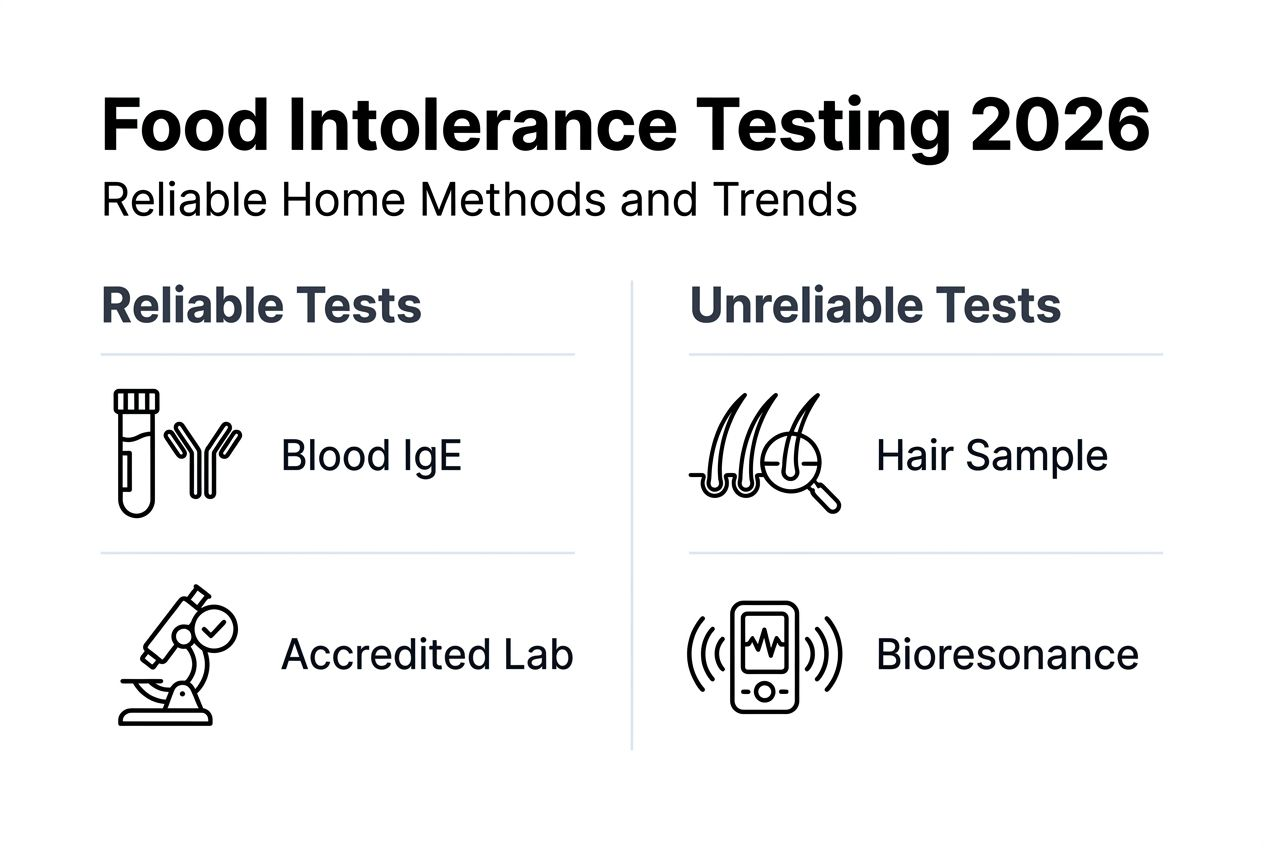
Bioresonance technology has entered the home testing market, claiming to detect food sensitivities through electromagnetic frequencies. Despite marketing appeal, these methods lack peer-reviewed validation and regulatory approval equivalent to established antibody testing.
| Approach | NHS View | Scientific Support | Accessibility | Cost |
|---|---|---|---|---|
| Clinical IgE testing | Recommended | Strong | GP referral | Free |
| Home blood IgE | Accepted | Strong | Direct purchase | £100-£200 |
| Supervised elimination | Recommended | Strong | Dietitian referral | Variable |
| Home IgG testing | Not recommended | Weak | Direct purchase | £70-£150 |
| Bioresonance | Not recognised | None | Direct purchase | £50-£100 |
Expected developments shaping testing availability through 2026 and beyond:
- Strengthened regulation requiring clearer disclaimers on unvalidated tests
- Integration of verified test results into NHS digital health records
- Personalised dietary guidance algorithms linking test data with microbiome analysis
- Increased availability of point-of-care testing through pharmacies
- Development of validated biomarkers for non-IgE food reactions
- Consumer protection measures against misleading health claims
Consumer demand for convenient home testing continues growing despite scientific limitations. You want quick answers to persistent symptoms, making attractive test marketing hard to resist. The challenge lies in balancing accessibility with accuracy, ensuring tests provide genuine health insights rather than expensive misinformation.
Future methodologies may bridge this gap as research identifies reliable biomarkers beyond IgE and IgG antibodies. Until then, approaching home tests with informed scepticism protects both your health and wallet.
Stay informed about future food intolerance testing uk developments through our regularly updated resources. Understanding uk food intolerance trends helps you separate genuine innovations from marketing hype. Learning how intolerance testing uk healthcare systems view different testing methods ensures your choices align with medical best practice.
Explore trusted food intolerance tests and resources
Navigating the complex testing landscape becomes simpler when you access comprehensive, reliable options designed specifically for UK consumers. UK Food Intolerance offers testing kits covering over 1,100 potential triggers through convenient at-home sample collection. The straightforward process involves sending a small hair sample to our UK-based laboratory, where advanced bioresonance analysis identifies possible sensitivities affecting your wellbeing.

You receive detailed digital reports within 48-72 hours, providing clear guidance for elimination diet approaches. Our food intolerance tests 900+ items range from comprehensive to core options, letting you choose coverage matching your symptoms and budget. Expert resources explain exactly how testing fits within NHS healthcare pathways, ensuring you make informed decisions about next steps.
Whether you’re experiencing unexplained digestive issues, skin problems, or persistent fatigue, our intolerance testing guide at home walks you through the entire process from ordering to interpreting results. Understanding the role of intolerance testing in UK healthcare empowers you to use test findings effectively alongside medical guidance for optimal health outcomes.
Frequently asked questions
What is the difference between food intolerance and allergy?
Allergies involve IgE antibodies triggering immediate, potentially life-threatening reactions like anaphylaxis, hives or swelling. Intolerances cause delayed, non-life-threatening symptoms through different immune pathways or digestive processes, typically involving bloating, fatigue or skin issues hours or days after eating trigger foods.
Are home food intolerance tests reliable in 2026?
Blood tests measuring IgE antibodies provide reliable allergy detection at home when processed by accredited laboratories. IgG-based intolerance tests lack clinical validation and cannot diagnose true food sensitivities despite widespread marketing. Hair analysis tests provide no accurate diagnostic information whatsoever.
What are the risks of following a food elimination diet?
Removing multiple food groups without professional supervision can cause nutrient deficiencies, particularly in calcium, iron, B vitamins and fibre. Restrictive diets reduce gut microbiome diversity, potentially worsening digestive health and immune function. Unnecessary eliminations may also trigger disordered eating patterns or food anxiety.
How much do reliable home food intolerance tests cost?
Evidence-based blood tests measuring IgE antibodies typically range from £100 to £200, reflecting laboratory analysis costs and quality standards. Cheaper options around £20 use hair samples that cannot provide valid results. Mid-range IgG tests cost £70-£150 but lack scientific validation for intolerance diagnosis.
Can I use hair analysis for food intolerance testing?
No, hair analysis cannot detect food intolerances or allergies because hair contains no antibodies, immune markers or other biomarkers indicating food reactions. These tests represent a false economy, wasting money on results with no diagnostic value. Stick to blood-based testing from accredited laboratories for meaningful information.










Leave a Reply
Want to join the discussion?Feel free to contribute!