
Tiredness is a common side-effect of the demands of modern life. We’re consistently pulled in different directions and often find that we’re left exhausted and low on energy. But at what point is it a good idea to have your iron levels checked to see if anaemia is the cause of your fatigue? Is burnout the real reason behind your tiredness, or is a lack of healthy red blood cells and diet to blame? Read on to understand more about iron deficiency and what steps and measures you can take.
Symptoms of anaemia
Symptoms of anaemia are pretty common and can often be mistaken for other medical conditions or just generally feeling run down. However, if you’ve been feeling low on energy for a while, it’s a good idea to speak to your GP and arrange a blood test to check your iron levels. Other signs to look out for if you suspect you are anaemic are breathlessness, having pale skin, feeling weak and experiencing heart palpitations. Of course, these could culminate in a busy lifestyle, but it’s a good idea to find out once and for all.
How to test for iron deficiency
If you decide to get your iron levels checked, ordering a food intolerance test is another step to consider as part of your autumn health MOT. Along with digestive problems such as bloating and stomach cramps, food sensitivities can present as fatigue and tiredness, similar to an iron deficiency. If your results highlight a food intolerance, you can make the necessary changes to your diet to improve your well-being by cutting out ingredients that make you feel unwell. This knowledge is advantageous if you must incorporate certain items into your diet to increase your iron intake. While it’s essential to make sure you eat the right things to improve your health, it will have adverse effects if you’re eating more of something you are intolerant to.
Interpreting your test results
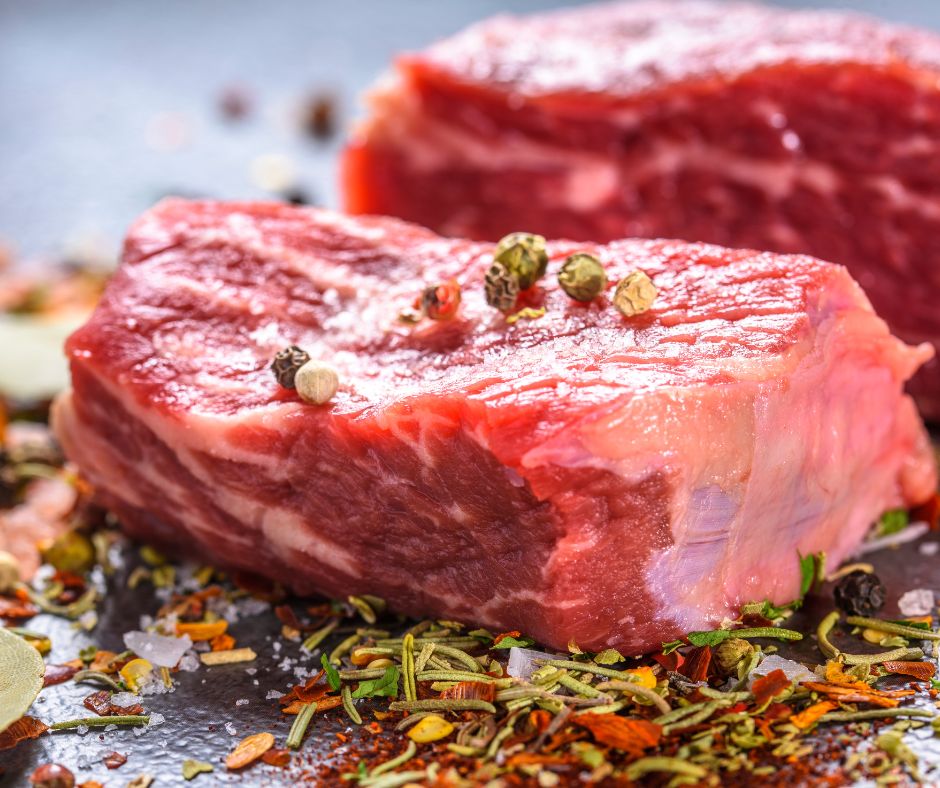
Should your blood test results highlight anaemia, the good news is that it’s usually a straightforward problem to resolve. As well as potentially being prescribed iron tablets to take daily, you can eat many things to get those levels back up to where they should be. Red meat is one of the best items to include in your diet if you’re anaemic, so if you’re a fan of steaks, this shouldn’t be difficult! Eating dark green veg such as spinach and broccoli for vegetarians will help improve your iron levels, along with lentils, beans and tofu. Dark chocolate is a good option for pudding (the higher cocoa content, the better), and tuna is a quick and easy sandwich filling if you’re a fish fan. Adding extra iron to your meals should be relatively easy whatever diet you follow, particularly when you have additional information about what foods you’re intolerant to.
Learn more about iron deficiency and food intolerance tests
If you’d like to learn more about how food intolerance tests can improve your health this autumn, please send an email to [email protected]. If you’re concerned about your iron levels, please consult a GP for advice.









Leave a Reply
Want to join the discussion?Feel free to contribute!