
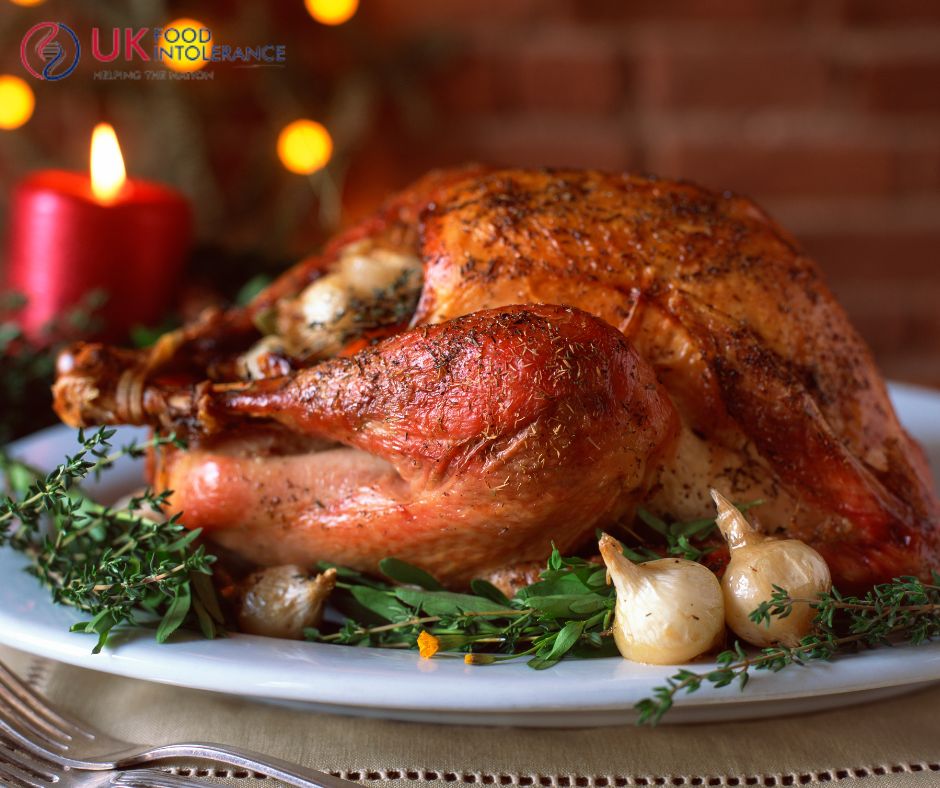
Ask someone what they love about Christmas, and food will usually feature quite heavily. From sipping mulled wine to munching on chocolate and tucking into the turkey, there’s certainly plenty of opportunity to overindulge. But is that a bad thing? Despite festive treats having a reputation for being on the naughty list, they come with their own health benefits, too and can give you the vitamin boost you need. Whether you follow a vegan diet, have a food intolerance or just want to load up on extra veg, Christmas dinner has something to suit everyone. But how healthy is a Christmas dinner when you think about it? Let’s discuss the common ingredients.
Turkey
Often the centrepiece of Christmas dinner, turkey is low in fat and richer in protein than chicken. Because it supplies all of the essential amino acids that our bodies need for growth and repair, the protein it provides is considered to be ‘high quality’ and easy to use. Turkey also contains the B group of vitamins, such as B3, B6 and B12, which are needed to form red blood cells and maintain energy levels. When consumed, it also helps to support thyroid function and support our immune systems, thanks to its rich mineral content. The darker cuts of meat are a particularly good source of iron, while its link to increasing melatonin production and regulating sleep cycles makes it the perfect food to eat before a well-deserved Christmas nap.
Sprouts
Probably the Marmite of Christmas dinner veg, love them or hate them, there’s no getting away from the fact Brussels are little powerhouses of goodness. Full of vitamins A and C, they help protect the body from infection, promote healthy skin and even have anti-ageing benefits. They also contain vitamin B6, which maintains healthy brain function, vitamin K to protect your bones from osteoarthritis and folate to support healthy pregnancies. Brussels are also anti-inflammatory, full of fibre and known to protect against cancer and heart disease. So, if you’re going to pile your plate with anything during Christmas dinner, you could do a lot worse than the humble sprout.
Roast potatoes can be part of a healthy Christmas dinner
Much more of a crowd-pleaser than sprouts, roasted potatoes are full of fibre, improving our digestion, making us feel fuller for longer, and keeping our blood sugar levels in check. They’re also considered to be a good source of potassium and are full of antioxidants that work to prevent chronic illnesses such as heart disease and cancer. Because they’re gluten-free, roasted potatoes are a good all-rounder if you have any individuals who suffer from a food intolerance over for dinner. They are also suitable for vegans if they’re roasted with suitable ingredients. Plus, for anyone who loves a carbohydrate, they would be ideal! Add carbs and see how healthy your Christmas dinner is then!
Pigs in blankets
Admittedly not the healthiest of trimmings, pigs in blankets are often a favourite of the carnivores amongst us and regarded as one of the most delicious parts of Christmas dinner. The good news is they’re packed full of protein, so they are great for building and repairing muscle. The bad news is that they often get a bad rep because of the processed meat they’re often made from.
If having these on your dinner table is non-negotiable, you can easily make them healthier by using sausages with a high percentage of meat and bacon cut from the back instead of being streaky. They’ll never have the superfood status of sprouts, but there’s no reason why making them healthier will compromise on flavour or make them any less delicious.
Stuffing
You’d be forgiven for not thinking of stuffing as a healthy Christmas food, but if bread crust features heavily in your homemade recipe, it has more to offer than you might realise. Studies have shown that bread crust contains an antioxidant called pronyl-lysine, which has cancer-fighting potential.
Moreover, this antioxidant is even more plentiful when baked in smaller pieces (as it is when making stuffing) because they have a greater surface area, which promotes more pronyl-lysine reactions. From a nutritional point of view, adding fruit and vegetables to the recipe can give you a vitamin boost, so opt for apples, pears, cranberries and onions and add herbs and spices for extra flavour.
So how healthy is a Christmas dinner – Should you take a test?
If you’d like more information about food intolerance tests, please send an email to [email protected] or contact us through our website.







Leave a Reply
Want to join the discussion?Feel free to contribute!