

Non-invasive food intolerance tests have surged in popularity across the UK, promising convenient answers to unexplained symptoms without needles or clinic visits. Yet this convenience comes with controversy: many health professionals question the scientific validity of methods like bio-resonance and hair analysis, while demand continues to grow among adults seeking dietary solutions. This guide cuts through the confusion, examining which testing approaches align with NHS recommendations, how to interpret results responsibly, and practical steps to improve your wellbeing through informed dietary choices without risking nutritional deficiencies or falling for false positives.
Table of Contents
- Key takeaways
- Why are non-invasive intolerance tests popular in 2026?
- Understanding standard medical approaches and NHS guidance
- Comparing non-invasive tests with validated methods: benefits and limitations
- How to use intolerance tests effectively for wellbeing improvements
- Explore trusted food intolerance testing options
- Frequently asked questions
Key Takeaways
| Point | Details |
|---|---|
| Growing popularity | Non invasive intolerance tests are increasing in use across the UK despite limited scientific validation for many methods. |
| NHS guidance | The NHS recommends elimination diets, symptom diaries and validated breath tests over home kits to identify food intolerances. |
| Gold standard pathway | The recommended diagnostic sequence begins with detailed symptom diaries for one to two weeks followed by a supervised elimination diet and a structured reintroduction of foods. |
| Validated tests | There are validated options for certain conditions such as hydrogen breath tests for lactose and fructose malabsorption and supervised oral food challenges. |
| Cautions for patients | Care is required to avoid false positives and unnecessary dietary restrictions when interpreting results from non invasive tests. |
Why are non-invasive intolerance tests popular in 2026?
The appeal of non-invasive testing lies in its promise of comprehensive answers without discomfort. Non-invasive intolerance testing in the UK covers 900 to 1100+ items without needles and is rising in popularity, addressing common fears around blood draws whilst testing everything from dairy to environmental triggers in one kit. You collect a hair sample or saliva at home, post it to a laboratory, and receive digital results within days.
Market data reveals substantial growth. The global food intolerance market is expanding rapidly, driven by increased awareness of gut health and the convenience economy. UK consumers particularly value privacy and speed: commercial kits typically cost £50 to £250 and promise results in 48 to 72 hours, far quicker than NHS waiting times for specialist appointments. For health-conscious adults experiencing bloating, fatigue, or skin issues without clear cause, these tests offer an accessible first step.
Several factors fuel this trend:
- Convenience: no appointments, no travel, no needles required
- Comprehensive scope: single tests screen hundreds of potential triggers simultaneously
- Privacy: results arrive discreetly without medical records involvement
- Speed: turnaround times suit those seeking immediate dietary guidance
- Affordability: lower cost than multiple specialist consultations
The rise of wellness culture amplifies demand. Social media influencers share elimination diet successes, whilst online communities exchange testing recommendations. Many people feel empowered taking health into their own hands rather than waiting months for NHS referrals. Yet this popularity exists alongside growing professional concern about test accuracy and the risk of unnecessary dietary restrictions based on questionable results.
Statistic spotlight: Market analysts project the food intolerance testing sector will maintain double-digit growth through 2028, reflecting persistent consumer demand despite ongoing scientific debate about methodology validity.
Understanding standard medical approaches and NHS guidance
The NHS takes a cautious, evidence-based stance on intolerance diagnosis. According to NHS guidance, elimination diets, symptom diaries, and breath tests are recommended over home kits for identifying food intolerances. This approach prioritises methods with proven diagnostic value whilst minimising false positives that could lead to harmful dietary restrictions.
The gold standard diagnostic pathway begins with detailed symptom tracking. You record everything you eat alongside physical reactions for one to two weeks, helping identify patterns between specific foods and symptoms. This diary provides baseline data before any testing occurs. Next comes a supervised elimination diet: you remove suspected trigger foods for two to four weeks whilst monitoring symptoms, then systematically reintroduce items one at a time to observe reactions.
For specific conditions, validated tests exist:
- Hydrogen breath tests measure gas production after consuming lactose or fructose, reliably diagnosing malabsorption
- Oral food challenges under medical supervision directly test reactions to suspected allergens
- Skin prick tests identify IgE-mediated allergies through controlled allergen exposure
- Specific IgE blood tests measure antibodies to particular foods, validated for true allergies
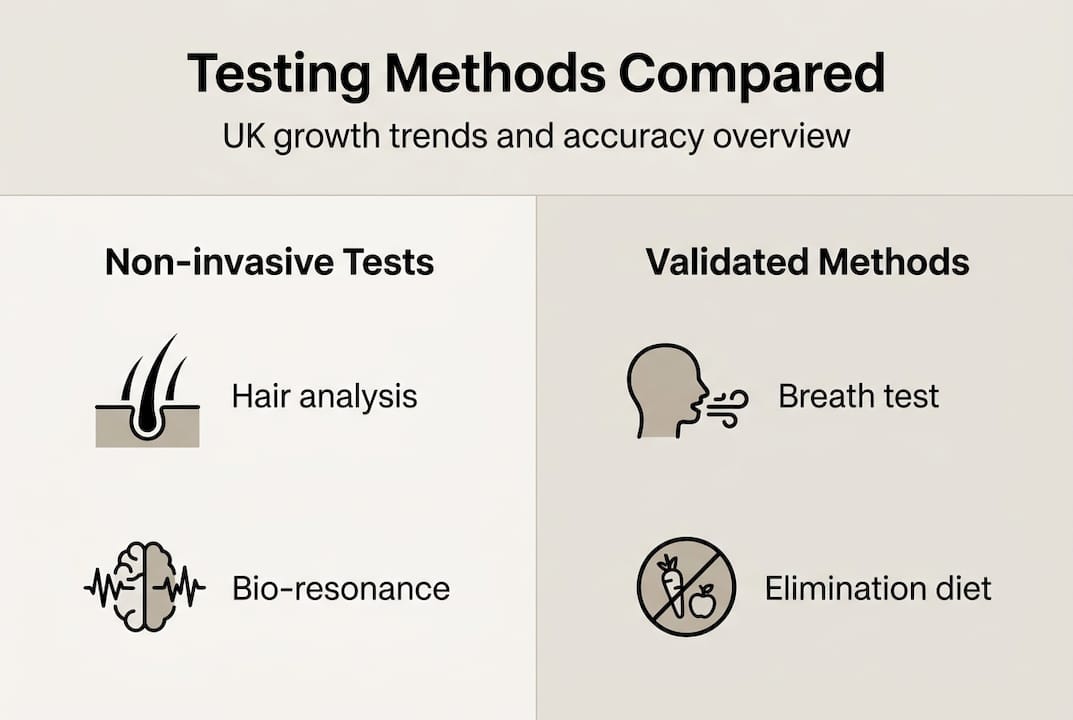
The NHS explicitly warns against several popular testing methods. Hair analysis, IgG antibody tests, kinesiology, and bio-resonance lack robust scientific evidence. These approaches may detect substances your body has encountered without proving they cause symptoms. IgG antibodies, for instance, simply indicate exposure to foods you’ve eaten recently, not intolerance.
“Many commercial tests for food intolerance are not based on scientific evidence and are not recommended by the NHS or British Dietetic Association. They can give misleading results and lead to unnecessary dietary restrictions.”
False positives carry real consequences. Eliminating multiple foods without proper cause risks nutritional deficiencies, particularly calcium, iron, and B vitamins. Restricted diets also reduce quality of life and may trigger disordered eating patterns. Professional guidance ensures you maintain balanced nutrition whilst investigating genuine intolerances, protecting both physical health and your relationship with food through preventing reactions safely.
Comparing non-invasive tests with validated methods: benefits and limitations
Understanding the trade-offs between popular home tests and medically validated approaches helps you make informed decisions. Each method carries distinct advantages and drawbacks that affect both diagnostic accuracy and practical convenience.
| Test type | Method | Accuracy | Typical cost | Result time |
|---|---|---|---|---|
| Bio-resonance | Hair or saliva sample analysed for frequency responses | Limited evidence, not validated | £80-£200 | 48-72 hours |
| Hair analysis | Hair sample tested against food/environmental items | No scientific consensus on reliability | £60-£150 | 3-5 days |
| Hydrogen breath test | Measures gas after consuming lactose/fructose | Validated for malabsorption diagnosis | £100-£200 (private) or NHS | 2-3 hours |
| Specific IgE blood test | Blood sample measures allergen antibodies | 94.9% agreement with gold standard for validated assays | £150-£300 (private) or NHS | 5-7 days |
| Elimination diet | Systematic food removal and reintroduction | Most reliable when properly supervised | Free to minimal | 4-8 weeks |
Non-invasive home tests excel at convenience. You avoid needles, complete testing privately, and receive results covering hundreds of items quickly. For people with needle phobia or limited mobility, these advantages matter significantly. The comprehensive scope also appeals: rather than testing individual allergens sequentially, one kit screens your entire diet plus environmental factors.
Yet convenience comes with caveats. Bio-resonance and hair analysis lack peer-reviewed validation demonstrating consistent, reproducible results. Studies examining these methods show poor correlation between test results and actual symptom triggers when compared to elimination diet outcomes. The mechanisms proposed often contradict established immunology: true food allergies involve specific immune responses measurable through validated assays, whilst intolerances typically result from enzyme deficiencies or chemical sensitivities detectable through breath tests or supervised challenges.
Validated methods provide reliable, evidence-based diagnosis. Hydrogen breath tests directly measure your body’s inability to digest certain sugars. Specific IgE assays quantify antibodies proven to trigger allergic reactions. These tests undergo rigorous clinical trials and regulatory approval, ensuring results genuinely reflect your physiology rather than statistical noise.

The practical limitation of validated testing is accessibility. NHS waiting times for specialist appointments can extend months. Private validated testing costs more than home kits and requires clinic visits. For complex cases involving multiple suspected triggers, sequential testing becomes time-consuming and expensive.
Pro tip: Use non-invasive tests only as preliminary screening tools, never as definitive diagnosis. Combine any results with a detailed symptom diary and confirm suspected intolerances through supervised elimination trials before making permanent dietary changes. This approach captures the convenience benefit whilst protecting against false positives through evidence-based verification.
Consider your specific situation when choosing testing approaches. Someone with clear lactose intolerance symptoms benefits most from a validated breath test providing definitive diagnosis. In contrast, someone experiencing vague, multi-system symptoms might start with symptom tracking and comprehensive testing to narrow possibilities before pursuing medical validation of identified triggers.
How to use intolerance tests effectively for wellbeing improvements
Maximising benefits from intolerance testing requires a structured approach combining multiple tools with professional oversight. Following this framework helps you identify genuine triggers whilst avoiding unnecessary restrictions that could harm your health.
-
Begin with detailed symptom tracking. Record everything you eat and drink for one to two weeks alongside physical symptoms, timing, and severity. Note patterns like symptoms appearing consistently after dairy or worsening on high-gluten days. This baseline data proves invaluable for interpreting any test results and guides which foods to prioritise in elimination trials.
-
Start with NHS-recommended elimination. Remove the most commonly problematic foods (dairy, gluten, eggs, soy) one category at a time for two to four weeks whilst continuing your symptom diary. This methodical approach identifies triggers through direct cause and effect rather than indirect testing. Many people discover their primary triggers through elimination alone, avoiding testing costs entirely.
-
Consider testing strategically. If elimination diets prove inconclusive or you suspect multiple triggers, testing can narrow possibilities. Choose validated methods for specific suspected intolerances (breath tests for lactose, coeliac serology for gluten). If using non-invasive home tests, treat results as hypotheses requiring confirmation rather than definitive answers.
-
Consult a registered dietitian. Professional guidance ensures you maintain balanced nutrition during exclusion phases and correctly interpret test results. Dietitians help distinguish between true intolerances, temporary sensitivities, and unrelated symptoms. They also design reintroduction protocols that systematically test each suspected trigger whilst monitoring for reactions. Combining testing with dietitian support yields the best dietary management outcomes.
-
Reintroduce foods systematically. After eliminating suspected triggers for four to six weeks, reintroduce one food every three to five days whilst monitoring symptoms. This process confirms which items genuinely cause problems versus those flagged incorrectly by tests. Many people discover they tolerate foods their tests suggested avoiding, preventing unnecessary long-term restrictions.
-
Monitor and adjust ongoing. Food intolerances can change over time. Your gut microbiome evolves, inflammation levels fluctuate, and enzyme production varies with age. Regular reassessment every six to twelve months helps you expand your diet safely as tolerance improves or identify new sensitivities developing.
Pro tip: Keep your symptom diary active even after identifying triggers. Recording ongoing reactions helps you spot patterns like threshold effects (small amounts tolerated but larger servings problematic) or interactions between multiple foods that only cause symptoms in combination. This nuanced understanding lets you maximise dietary variety whilst avoiding genuine triggers.
The most successful approach integrates multiple information sources. Your symptom diary provides real-world data about your body’s responses. Testing (whether validated or preliminary screening) offers hypotheses about potential triggers. Professional guidance ensures safe implementation and nutritional adequacy. Elimination trials provide definitive confirmation of true intolerances. Together, these elements create a comprehensive picture supporting lasting wellbeing improvements through informed dietary adjustments and practical next steps after receiving results.
Explore trusted food intolerance testing options
If you’re ready to investigate potential food sensitivities affecting your wellbeing, choosing a testing service that balances comprehensive screening with reliable methodology matters. UK Food Intolerance offers extensive testing options covering over 900 items, from common dietary triggers to environmental factors that may impact your health. The process remains straightforward: collect a simple hair sample at home, send it for laboratory analysis, and receive detailed digital results within 48 to 72 hours.

What sets quality testing apart is the support surrounding results. Clear guidance on interpreting your findings helps you understand which sensitivities warrant dietary adjustment and how to implement changes safely. Combined with professional nutritional advice, comprehensive testing becomes a practical tool for improving your relationship with food rather than creating unnecessary anxiety about what you eat.
Frequently asked questions
Are non-invasive intolerance tests reliable?
Non-invasive tests like bio-resonance and hair analysis lack robust scientific validation, meaning their accuracy remains questionable compared to NHS-endorsed methods. Use them cautiously as preliminary screening tools rather than definitive diagnosis, always confirming results through supervised elimination diets before making permanent dietary changes. Professional guidance helps distinguish genuine intolerances from false positives that could lead to unnecessary restrictions.
How does the NHS recommend diagnosing food intolerances?
The NHS favours elimination diets and symptom diaries as the primary diagnostic approach for food intolerances. You systematically remove suspected trigger foods for two to four weeks whilst tracking symptoms, then reintroduce items one at a time to observe reactions. For specific conditions like lactose intolerance, validated hydrogen breath tests provide reliable confirmation of malabsorption.
Can at-home tests replace professional medical advice?
At-home tests serve as screening tools but cannot replace professional medical diagnosis or guidance. A registered dietitian or GP ensures accurate result interpretation, helps design safe elimination protocols, and monitors nutritional adequacy during dietary changes. Self-diagnosing based solely on home test results risks missing serious conditions or creating nutritional deficiencies through unnecessary food exclusions.
What are the risks of false positives in intolerance testing?
False positives from unvalidated tests can trigger unnecessary elimination of nutritious foods, leading to deficiencies in calcium, iron, B vitamins, and fibre. Overly restricted diets reduce quality of life, complicate social eating, and may contribute to disordered eating patterns. Working with a dietitian helps verify suspected intolerances through elimination trials before committing to long-term dietary restrictions, protecting both nutrition and your relationship with food.










Leave a Reply
Want to join the discussion?Feel free to contribute!