
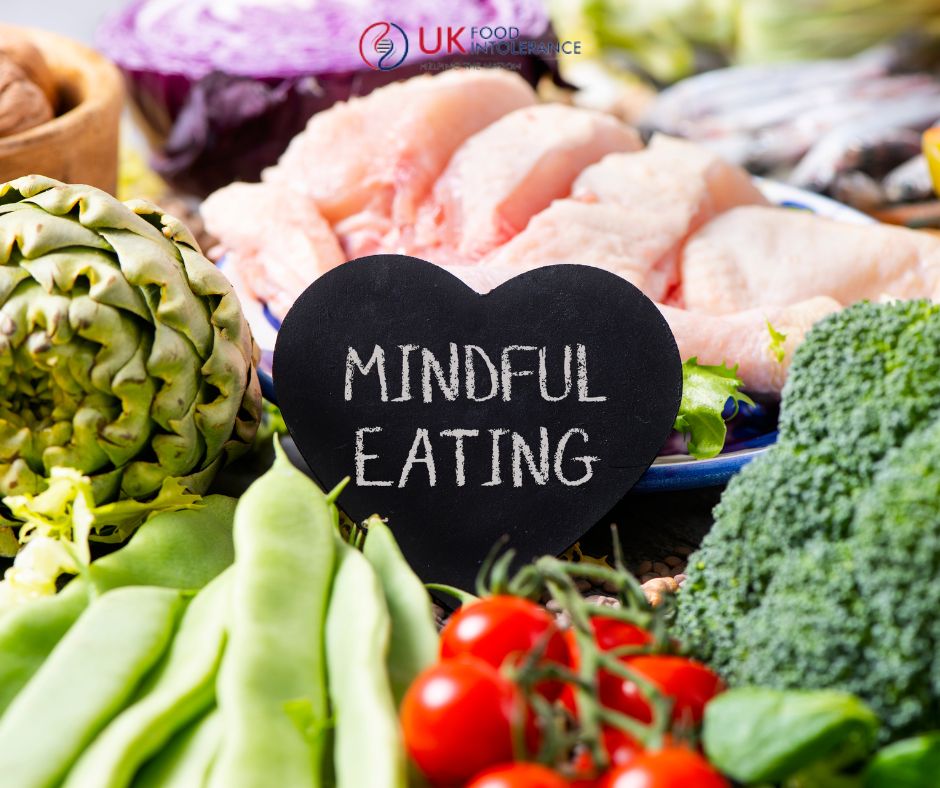
Mindfulness is a Buddhist concept that requires you to slow down and give something your full attention. As well as benefitting your mental health and overall well-being, mindfulness can be applied to your eating habits and change your approach to mealtimes. Whether you want to regulate your appetite, avoid over-indulging or try a more holistic way of living, mindful eating can help you control your food choices.
Distractions lead to over-eating
The demands of today’s fast-paced society often mean distractions are present while we’re eating. For example, how often have you sat down to eat dinner and spent time on your phone? Or worked through your lunch break and paid more attention to your computer screen than what’s on your plate? While it’s easy to focus on other things during your meals, it means you don’t think about the act of eating and could end up consuming more calories than you need.
When eating becomes a mindless act because you’re not focusing on the taste or sensory aspects of your food, you tend to digest it quickly. Because it can take your brain up to 20 minutes to process that your stomach is complete, if you eat too fast, you can miss the signals that you’ve consumed too much. This can result in binge eating, leading to weight gain and digestive problems.
Reduce distractions
If you’re keen to give mindful eating a go, start focusing on a snack or one meal a day and gradually increase to two, then three. Instead of going on auto-pilot, turn off your TV and phone, so distractions are minimal and make a conscious effort to chew slowly. This will help you to actively notice the texture, smell and flavour of your food and appreciate it more.
When you’re not focusing on other things, it’s easier to recognise your body’s response to eating and act accordingly. For example, if you’re scrolling through your phone and treat eating as an autonomous process, you’ll finish your meal before noticing if you’re feeling full. Likewise, if you’re feeling anxious or worrying about something happening during the day, your body will be in stress mode, and your digestion will suffer. By slowing down and paying attention to what you’re eating, you’re giving yourself the best chance of noticing when you’re full and reducing your calorie intake.
Emotional hunger vs true hunger
Being present in the moment and focusing on how the food you’re eating makes you feel helps to distinguish between emotional hunger and true hunger. For example, how many times have you eaten something to make yourself feel better instead of listening to what your body needs? By slowing things down, listening to your body’s triggers will become second nature and allow the proper signals to be sent to the brain. This will help you to make the right choices about the calories you consume and ensure you’re eating for the right reasons. If you’ve found that conventional diets don’t work, mindful eating is an excellent technique to learn because it helps you to regain control of your eating and improve your well-being.
Forming new habits – be mindful about your eating
Research suggests that it takes 21 days to learn a new habit and mindful eating is no exception. Although there are many benefits to holistic wellness, learning a new approach takes practice, so don’t feel disheartened if you find it hard to be fully present while you’re eating or if you’re short of time on occasion. By making small changes and applying mindful eating to even one meal a day, you’re more likely to increase your appreciation of food, regulate your appetite and improve digestion, which your overall health will thank you for.
Learn more about mindful eating and eating habits
If you have any questions about how food intolerance can affect your well-being and diet choices, please email [email protected]. You can also fill out our contact form, and we’ll aim to get back to you within two hours during the working day.










Leave a Reply
Want to join the discussion?Feel free to contribute!