

Digestive issues can turn everyday meals into a source of uncertainty, leaving many in the United Kingdom searching for answers and relief. Understanding the difference between a food allergy and a food sensitivity is crucial to finding an effective solution, especially as symptoms like bloating, tummy pain, and fatigue often appear hours after eating. This article will guide you through the key misconceptions, diagnostic methods, and practical steps for identifying and managing food sensitivities to support your overall wellbeing.
Table of Contents
- Defining Food Sensitivity And Common Misconceptions
- How Food Sensitivies Differ From Allergies
- Typical Symptoms And Impacts On Wellbeing
- Popular Diagnostic Methods In The UK
- Managing Food Sensitivities In Daily Life
Key Takeaways
| Point | Details |
|---|---|
| Food Sensitivity vs Food Allergy | Food sensitivity involves delayed, mild symptoms typically affecting the digestive system, unlike food allergies which provoke immediate and potentially life-threatening reactions. |
| Diagnostic Approaches | Effective diagnosis includes patient interviews and elimination diets, with specialised tests like breath tests for suspected intolerances. |
| Symptomatic Management | Managing food sensitivities relies on dietary modifications and the low FODMAP diet to systematically eliminate trigger foods while maintaining nutrition. |
| Holistic Lifestyle Adaptation | Successful management demands robust self-monitoring and ongoing communication with healthcare professionals to tailor nutritional strategies effectively. |
Defining Food Sensitivity and Common Misconceptions
Food sensitivity represents a complex physiological response where individuals experience adverse reactions after consuming certain foods, without triggering a full immune system response. Understanding food intolerance mechanisms reveals a nuanced health challenge that impacts digestive comfort and overall wellbeing.
Contrary to popular belief, food sensitivity differs significantly from food allergies. While allergic reactions involve immediate immune system responses that can be life-threatening, food sensitivities typically manifest as milder symptoms occurring hours after consumption. These symptoms might include digestive discomfort, bloating, abdominal pain, and subtle inflammatory responses. Chemical sensitivities to food compounds can create complex physiological reactions that challenge traditional medical understanding.
The primary misconceptions surrounding food sensitivity include assuming all adverse food reactions are allergic in nature, believing symptoms are purely psychological, and thinking these responses are identical across individuals. In reality, food sensitivities represent highly individualised experiences where specific biochemical interactions between consumed substances and personal metabolic processes generate unique inflammatory or digestive responses.
Pro tip: Keep a detailed food diary tracking what you eat and any subsequent symptoms to help identify potential sensitivity patterns more effectively.
How Food Sensitivies Differ from Allergies
Food allergies and food sensitivities represent distinctly different physiological responses within the human body, with critical variations in their mechanisms and potential health implications. Immune system reactions to specific foods reveal profound differences between these two types of adverse food responses, highlighting the importance of accurate medical understanding.
Unlike food allergies, which trigger immediate and potentially life-threatening immune system reactions, food sensitivities typically produce delayed, less severe symptoms. Allergic responses can cause rapid and dangerous manifestations such as facial swelling, breathing difficulties, and anaphylaxis. In contrast, food sensitivities primarily generate digestive discomfort, including bloating, stomach pain, and subtle inflammatory responses that may emerge hours after consuming problematic foods.
The diagnostic approach and medical management for allergies and sensitivities also differ significantly. Allergies require strict avoidance and often demand emergency medical interventions, whereas food sensitivities can often be managed through dietary modifications and gradual elimination strategies. Medical professionals emphasise that while food allergies involve a clear immune system overreaction, sensitivities represent more nuanced digestive system challenges that require personalised nutritional strategies.
The following table highlights key differences between food allergies and food sensitivities for quick reference:
| Aspect | Food Allergy | Food Sensitivity |
|---|---|---|
| Onset of Symptoms | Immediate (minutes) | Delayed (hours) |
| Body System Involved | Immune system | Primarily digestive system |
| Symptom Severity | Potentially life-threatening | Usually mild to moderate |
| Common Management | Strict avoidance, emergency intervention | Dietary adjustments, gradual elimination |
| Examples of Symptoms | Swelling, breathing issues, anaphylaxis | Bloating, abdominal pain, fatigue |
Pro tip: Consult a registered dietitian or nutritionist to develop a comprehensive strategy for identifying and managing your specific food-related health challenges.
Typical Symptoms and Impacts on Wellbeing
Food sensitivities manifest through a complex array of symptoms that can significantly disrupt an individual’s daily functioning and overall quality of life. Gastrointestinal symptoms associated with food intolerances range from mild discomfort to more persistent digestive challenges that impact physical and mental wellbeing.

The typical symptom profile includes a diverse range of physiological responses. Individuals may experience digestive issues such as bloating, abdominal pain, diarrhoea, and excessive flatulence. Beyond gut-related symptoms, food sensitivities can trigger broader health complications including persistent fatigue, recurring headaches, skin rashes, and unexpected joint pain. These complex gut-related symptoms demonstrate the intricate connection between dietary intake and overall bodily responses.
Psychological impacts are equally significant, with chronic food sensitivity symptoms potentially leading to reduced energy levels, decreased productivity, and emotional distress. Persistent digestive discomfort can create anxiety around eating, social isolation, and diminished confidence in managing personal nutrition. The unpredictable nature of these symptoms means individuals often feel uncertain about their dietary choices, leading to increased stress and potential nutritional compromises.
Pro tip: Maintain a detailed food and symptom diary to help identify specific trigger foods and patterns, enabling more targeted dietary management.
Popular Diagnostic Methods in the UK
Food sensitivity diagnosis in the United Kingdom involves a nuanced approach that prioritises patient-centred investigation and careful medical assessment. Medical history evaluation for food intolerances remains the primary method for understanding an individual’s potential dietary sensitivities, requiring comprehensive patient interviews and systematic symptom tracking.
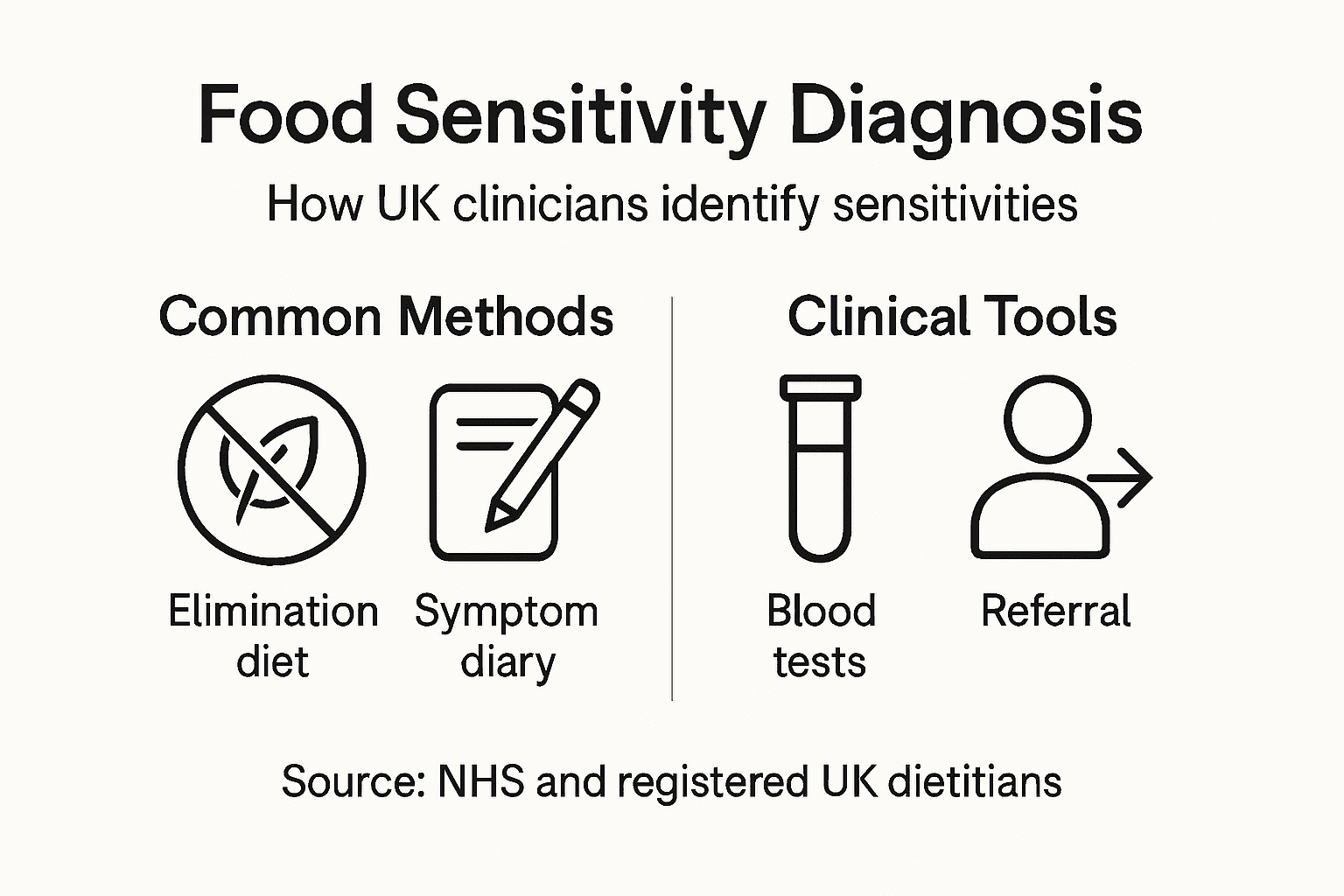
Diagnostic strategies typically encompass multiple approaches. Clinicians often recommend an elimination diet, where suspected trigger foods are systematically removed and then gradually reintroduced to identify specific sensitivities. While definitive laboratory tests remain limited, some specialised investigations like breath tests can help diagnose specific conditions such as lactose intolerance. Allergic reaction diagnostic techniques have advanced significantly, with methods like the Basophil Activation Test (BAT) providing more precise insight into potential immune responses.
The table below summarises common diagnostic methods in the UK and their distinctive roles:
| Diagnostic Method | Main Purpose | Common Use Case |
|---|---|---|
| Medical History & Symptom Diary | Identify patterns and triggers | All suspected sensitivities |
| Elimination Diet | Confirm food-related reactions | Most food intolerance cases |
| Breath Test | Detect specific sugar intolerances | Suspected lactose/fructose issues |
| Specialist Lab Tests | Investigate immune responses | Complex or unclear cases |
The diagnostic journey frequently involves multidisciplinary collaboration, with general practitioners often referring patients to registered dietitians and nutritionists for specialist guidance. These professionals can design personalised dietary protocols, conduct detailed nutritional assessments, and provide strategic recommendations for managing food sensitivities. The approach emphasises individual variability, recognising that each person’s physiological response to food can be unique and complex.
Pro tip: Work closely with healthcare professionals and maintain a detailed food and symptom journal to support accurate diagnostic investigations.
Managing Food Sensitivities in Daily Life
Managing food sensitivities requires a strategic and personalised approach to dietary planning and lifestyle adaptation. Dietary modification for food intolerances serves as the primary method for symptom management, emphasising careful food selection and systematic symptom tracking.
One prominent management strategy in the United Kingdom involves implementing structured dietary approaches such as the low FODMAP diet. Gentle dietary approaches for symptom management enable individuals to systematically identify and eliminate trigger foods while maintaining nutritional balance. This approach typically involves three key stages: complete elimination of potential trigger foods, careful reintroduction, and development of a personalised long-term dietary strategy that minimises uncomfortable symptoms.
Successful management extends beyond dietary modifications and requires holistic lifestyle considerations. Individuals must develop robust self-monitoring skills, maintain open communication with healthcare professionals, and cultivate a flexible approach to nutrition. This might involve learning advanced food preparation techniques, understanding ingredient labels, exploring alternative food options, and developing psychological resilience to navigate dietary restrictions without compromising nutritional intake or quality of life.
Pro tip: Consult a registered dietitian to develop a personalised food sensitivity management plan tailored to your specific physiological needs.
Take Control of Your Digestive Health Today
Understanding the challenges of food sensitivity and its impact on wellbeing is the first step toward lasting relief. This article highlights common symptoms like bloating, fatigue, and subtle inflammatory responses that often leave individuals searching for answers. If you are tired of unpredictable symptoms and want to uncover hidden food triggers affecting your digestive health, our solutions can help. Start by exploring expert insights in the Digestive Health Archives for additional guidance on managing sensitivities.

At UK Food Intolerance, we offer fast and reliable at-home testing using advanced bio-resonance technology. Choose between our comprehensive Ultimate Single Intolerance Test or the more affordable Core Single Intolerance Test to identify over 500 to 1100 potential irritants impacting your body. Collect your sample easily at home and receive a detailed digital report within 72 hours with clear recommendations to support elimination diet plans. Don’t wait to improve your wellbeing and gain control over your health. Visit our site now and take the first step toward a life free from the uncertainty of food sensitivities. You may also find useful resources in our Uncategorized Archives to complement your journey.
Frequently Asked Questions
What are the symptoms of food sensitivity?
Food sensitivity symptoms can include bloating, abdominal pain, diarrhoea, excessive flatulence, fatigue, headaches, skin rashes, and joint pain. These symptoms may vary in severity and often manifest hours after consuming the trigger food.
How does food sensitivity differ from food allergies?
Food sensitivities are delayed, typically producing mild to moderate symptoms, while food allergies involve immediate, potentially life-threatening reactions such as anaphylaxis. Food sensitivities primarily affect the digestive system, whereas allergies trigger immune system responses.
What are common diagnostic methods for food sensitivity?
Common diagnostic methods for food sensitivity include medical history evaluations, symptom diaries, elimination diets, and specialist breath tests. These approaches help identify specific food triggers and tailor dietary plans accordingly.
How can I manage food sensitivities in my daily life?
Managing food sensitivities involves dietary modifications like the low FODMAP diet, systematic symptom tracking, and developing self-monitoring skills. Consulting a registered dietitian can also provide a personalised management plan to address specific physiological needs.










Leave a Reply
Want to join the discussion?Feel free to contribute!