

Most commercial food intolerance tests, including IgG panels, hair analysis, and bioresonance-style screening, lack the clinical validation to diagnose intolerance on their own. Only a handful of tests have solid evidence behind them: the hydrogen breath test for lactose malabsorption and IgE blood or skin prick tests for true allergy. NHS, the British Dietetic Association, and the AAAAI all warn against relying on unproven panels alone.
- Don’t cut multiple foods based on a single test.
- Keep a symptom and food diary for two to four weeks.
- Speak to your GP or a registered dietitian before making dietary changes.
Quick fact: IgG antibodies typically show your immune system has met a food before, not that it’s harming you.
TL;DR:
- Only lactose breath tests and IgE allergy tests have strong, validated clinical evidence, while most other commercial panels lack proven accuracy.
- IgG blood tests measure exposure to foods but do not reliably indicate intolerance or adverse reactions.
- Eliminating multiple foods based on home test results can cause nutrient deficiencies and delay proper diagnosis of other conditions.
- Diagnosis should involve detailed history, targeted testing, and supervised elimination guided by healthcare professionals.
- Ukfoodintolerance’s hair sample bioresonance testing provides a useful starting point but must be complemented by GP or dietitian assessment.
Table of Contents
- What food intolerance tests actually measure
- What does the clinical evidence say about test accuracy?
- The real cost of getting an intolerance test wrong
- How doctors actually diagnose food intolerance and allergy
- What to do after a positive or unclear home test result
- How Ukfoodintolerance’s testing works and where it fits in
- Key Takeaways
- Sources
What food intolerance tests actually measure
Every test on the market claims to find your triggers, but they’re measuring wildly different things, and that’s exactly why accuracy varies so much between them.
IgE and skin prick tests look for the antibody responsible for immediate allergic reactions, swelling, hives, anaphylaxis. These are genuinely diagnostic tools for allergy, not intolerance, and clinicians use them because the biological mechanism is well understood.
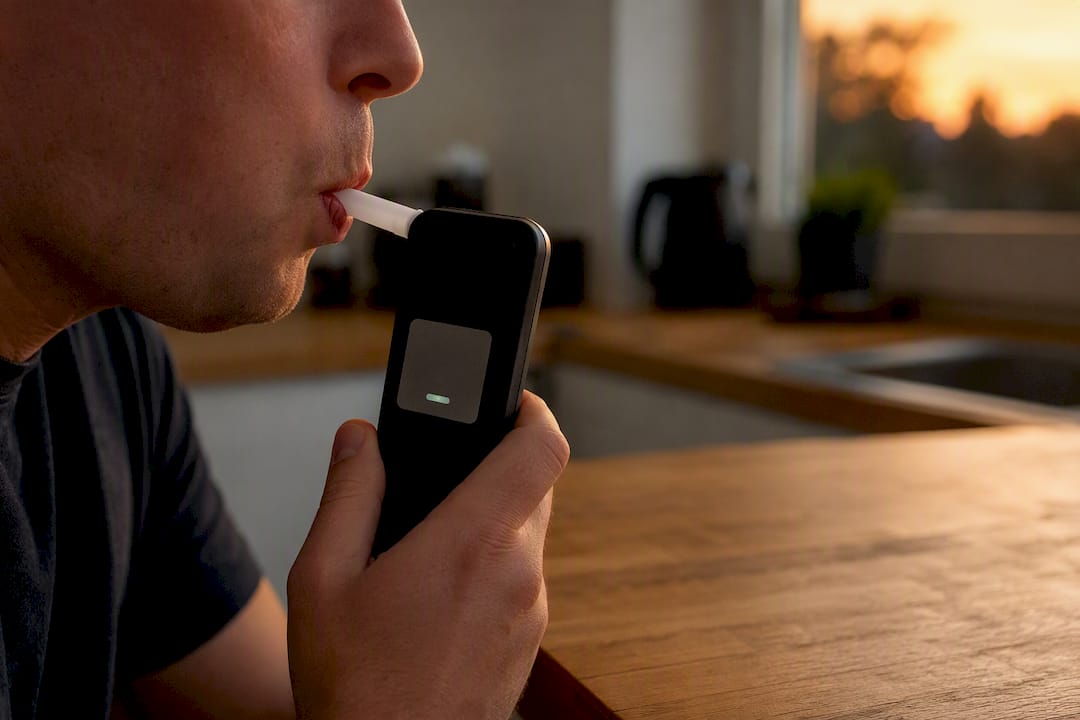
Lactase hydrogen breath tests measure hydrogen in your breath after you drink a lactose solution. A spike means your gut bacteria are fermenting undigested lactose, a direct, measurable sign of lactose malabsorption.
IgG panels test for an antibody that reflects exposure to a food, not a harmful reaction to it. Eating eggs regularly raises your IgG to egg whether or not eggs bother you.
Bioresonance, hair analysis, and muscle testing (applied kinesiology) work on principles that haven’t been demonstrated in controlled research. There’s no established biological pathway linking a hair sample or muscle response to digestive symptoms.
Supervised elimination and reintroduction removes a suspected food for a set period, then reintroduces it under controlled conditions while you track symptoms. It’s slower than a lab test but it directly observes cause and effect in your own body.
What does the clinical evidence say about test accuracy?
Professional bodies are unusually united on this point, which is rare in nutrition science and worth paying attention to.
The NHS states plainly that it does not generally recommend commercial food intolerance tests, citing limited evidence they produce accurate results and warning that some encourage unnecessary exclusion of multiple foods. The AAAAI goes further, stating outright that IgG testing shouldn’t be used to diagnose food intolerance because the antibody appears in healthy people with no symptoms at all, and in some cases higher IgG4 levels are linked to tolerance rather than sensitivity.
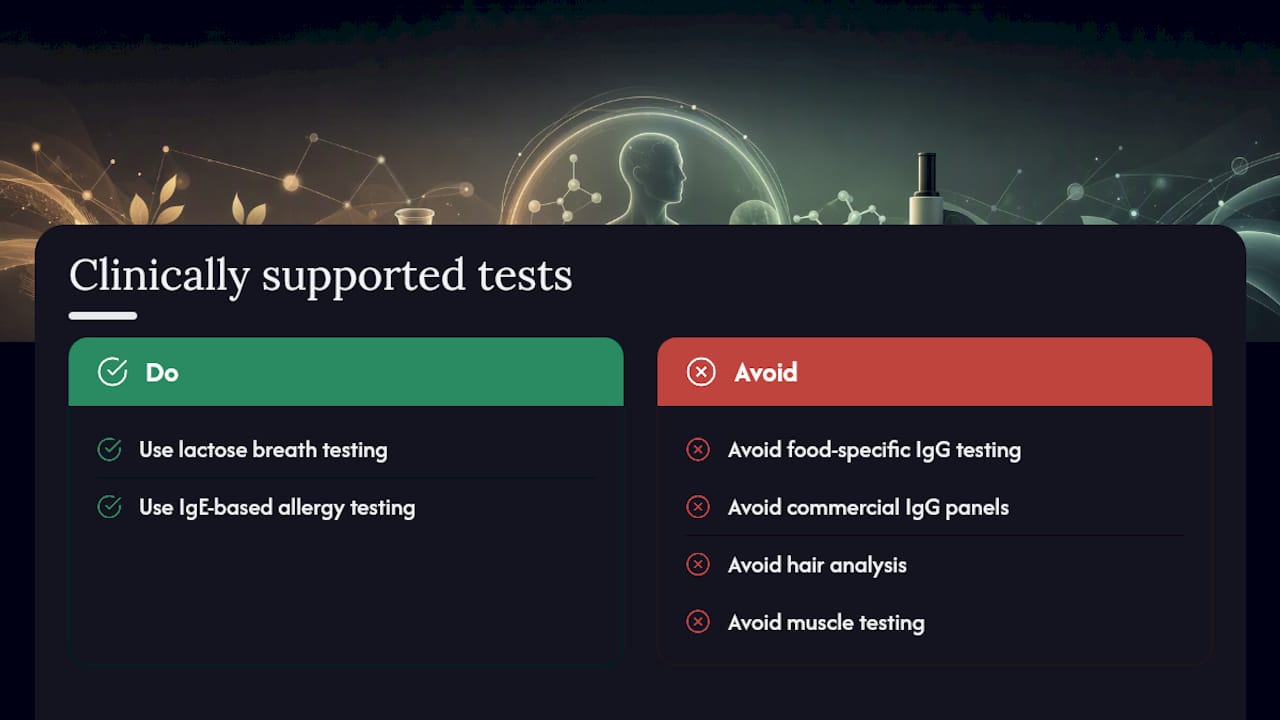
Peer-reviewed consensus reviews have found no controlled evidence that food-specific IgG testing, hair analysis, or muscle testing can reliably predict adverse food reactions in real patients.
That conclusion comes from a body of review literature examining unproven diagnostic methods, and it’s not an isolated finding. Food Allergy Research & Education lists IgG panels and similar tests under “unproven diagnostic tests” for the same reason.
Where the evidence is genuinely strong is narrower than most people expect: lactose breath testing and IgE-based allergy testing. Everything else largely sits on small studies, no control groups, or manufacturer-funded research that hasn’t been replicated independently.
The real cost of getting an intolerance test wrong
A false positive isn’t just an inconvenience. When a test flags a dozen “trigger” foods, the fallout can be significant, and it tends to land hardest on the people least equipped to manage it.
- Removing several food groups at once risks nutrient shortfalls, particularly in children, where the British Dietetic Association urges extra caution.
- Chasing a false lead delays proper diagnosis of conditions like coeliac disease or IBS that need different management entirely.
- Repeat testing and specialist supplements add up financially, often for no clinical benefit.
- Constant food anxiety and restriction take a genuine emotional toll over time.
Pro Tip: If a company promises to identify “hundreds of intolerances” from a single sample with no mention of clinical trials or peer-reviewed backing, treat the result as a starting point for conversation with a dietitian, not a diagnosis.
How doctors actually diagnose food intolerance and allergy
Clinicians follow a sequence designed to rule things in or out with evidence at each stage, rather than jumping straight to a lab panel.
- Detailed history and symptom diary. Your GP will ask about timing, quantity, and pattern, often the single most useful diagnostic tool available.
- Targeted testing for suspected allergy. If symptoms suggest an IgE-mediated reaction, swelling, hives, breathing difficulty, your GP may arrange blood or skin prick testing, or refer you to an allergy clinic.
- Breath testing for lactose or fructose malabsorption. This is arranged through gastroenterology or a specialist clinic when malabsorption is suspected.
- Dietitian-led elimination and reintroduction. For suspected non-IgE intolerances, a registered dietitian designs a structured elimination plan and supervises reintroduction to confirm or rule out specific foods safely.
This pathway exists precisely because no single objective test covers every form of intolerance, so clinicians combine tools rather than depending on one.
What to do after a positive or unclear home test result
A commercial test result isn’t the end of the process, it’s a prompt to investigate properly, and how you handle the next few weeks matters more than the result itself.
- Start a food and symptom diary immediately, noting what you eat, when symptoms appear, and their severity.
- Resist removing several foods at once. Cutting everything the report flags makes it impossible to tell which food, if any, was actually responsible.
- Check what the test measured. Ask whether it assessed IgG, a bioresonance signal, or another marker, and whether that marker has been clinically validated for diagnosing intolerance.
- Treat a flagged result as a lead, not a verdict. Use it to prioritise which food to test first through supervised elimination, rather than as proof.
- Book a dietitian consultation to run a proper elimination and rechallenge, especially before restricting a child’s diet.
Pro Tip: Photograph or screenshot your home test report before you start eliminating anything, then take it straight to your dietitian appointment. It gives the conversation a concrete starting point instead of a vague list of symptoms.
How Ukfoodintolerance’s testing works and where it fits in
Ukfoodintolerance runs bioresonance-based hair sample testing, screening against a database of over 1,450 items, and it’s built to be a starting point for investigation, not a replacement for medical diagnosis.
- You send a small hair sample to a UK laboratory rather than attending a clinic.
- Digital reports arrive within 48 to 72 hours, covering food, environmental, and nutritional sensitivity data alongside practical guidance for structuring an elimination diet.
- Reports are designed to be read alongside supportive resources, not in isolation, so you understand what each flagged item means before acting on it.
Bioresonance technology sits outside the clinically validated methods covered earlier in this article, and Ukfoodintolerance is upfront about that. It’s positioned as a convenient way to prompt investigation and guide a supervised elimination diet, used alongside your GP or dietitian rather than instead of them.
A note from Rob
I write for Ukfoodintolerance with one aim: help you tell evidence-based diagnostics from marketing claims. I’m not a clinician, and nothing here replaces a GP or dietitian’s advice. Our own tests are presented here honestly, as one tool among several, not a substitute for medical care.
— Rob
Getting started with a Ukfoodintolerance test
If you’re weighing up whether to try an at-home test alongside proper clinical advice, Ukfoodintolerance gives you a faster, more affordable starting point than waiting weeks for a specialist referral just to begin narrowing down suspect foods.
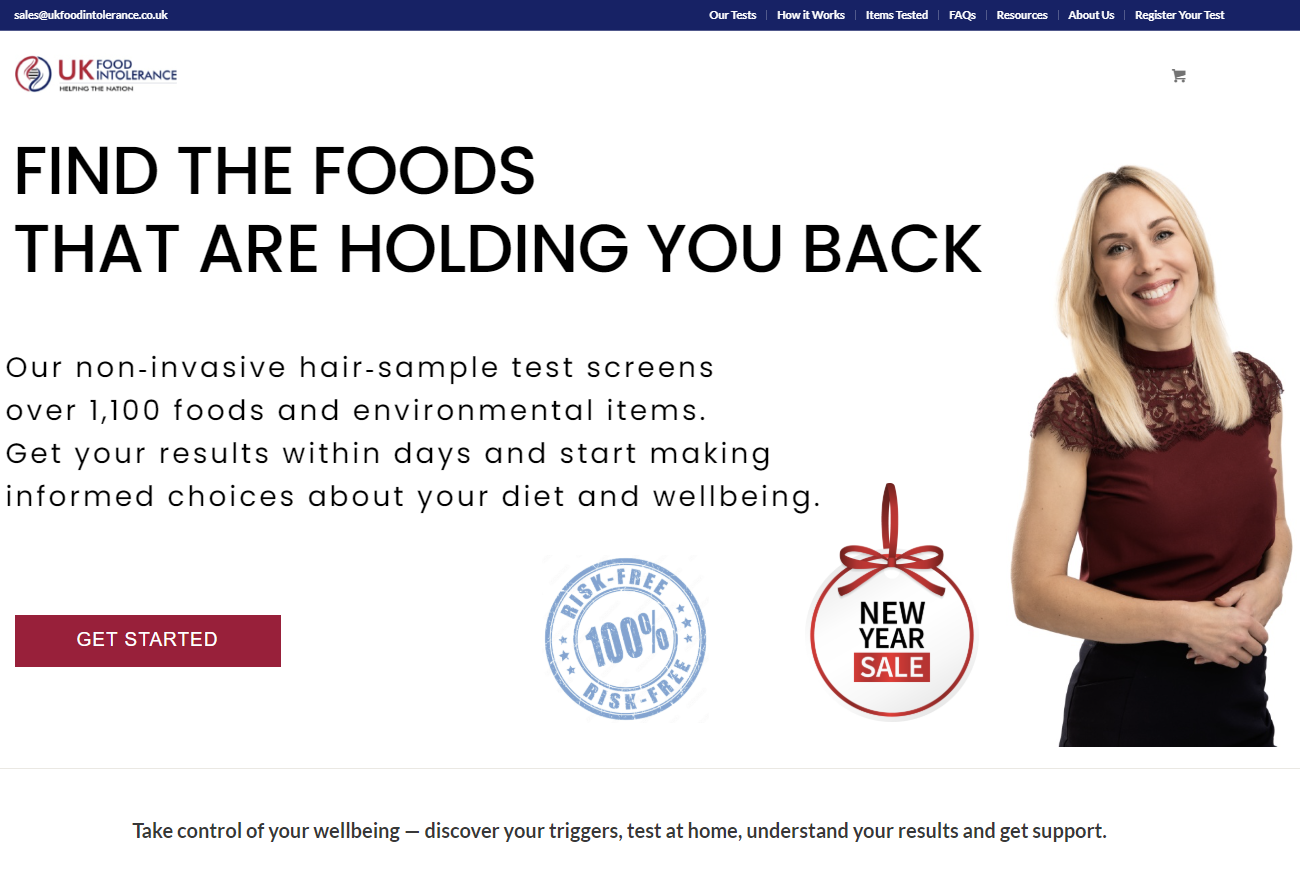
Browse the full range of intolerance tests to compare the Core and Ultimate options, or check everything each test screens for before you order. Once your hair sample is analysed, your digital report arrives within 48 to 72 hours with clear guidance on building a safe elimination diet around your results. Use that report as your opening move, then take it to your GP or a registered dietitian if symptoms persist or you’re planning to restrict several foods. Order your kit today and treat the result as the first conversation, not the last word.
Key Takeaways
Reliable food intolerance diagnosis depends on matching the right test to the right condition and confirming results through supervised elimination rather than a single commercial panel.
| Point | Details |
|---|---|
| Trust the evidence-based tests | Lactose breath tests and IgE allergy tests have genuine clinical validation behind them. |
| Treat IgG panels with caution | IgG reflects food exposure, not intolerance, according to the AAAAI. |
| Never eliminate multiple foods at once | Broad exclusions risk nutrient deficiency, especially in children. |
| Follow the clinical pathway | History, targeted testing, and dietitian-supervised elimination remain the gold standard. |
| Use Ukfoodintolerance as a starting point | Its hair-sample bioresonance tests can prompt investigation but work best alongside GP or dietitian input. |
Sources
- Food intolerance — NHS
- Food allergy and intolerance testing — British Dietetic Association
- Review / consensus on unproven tests (DOI reference)









Leave a Reply
Want to join the discussion?Feel free to contribute!