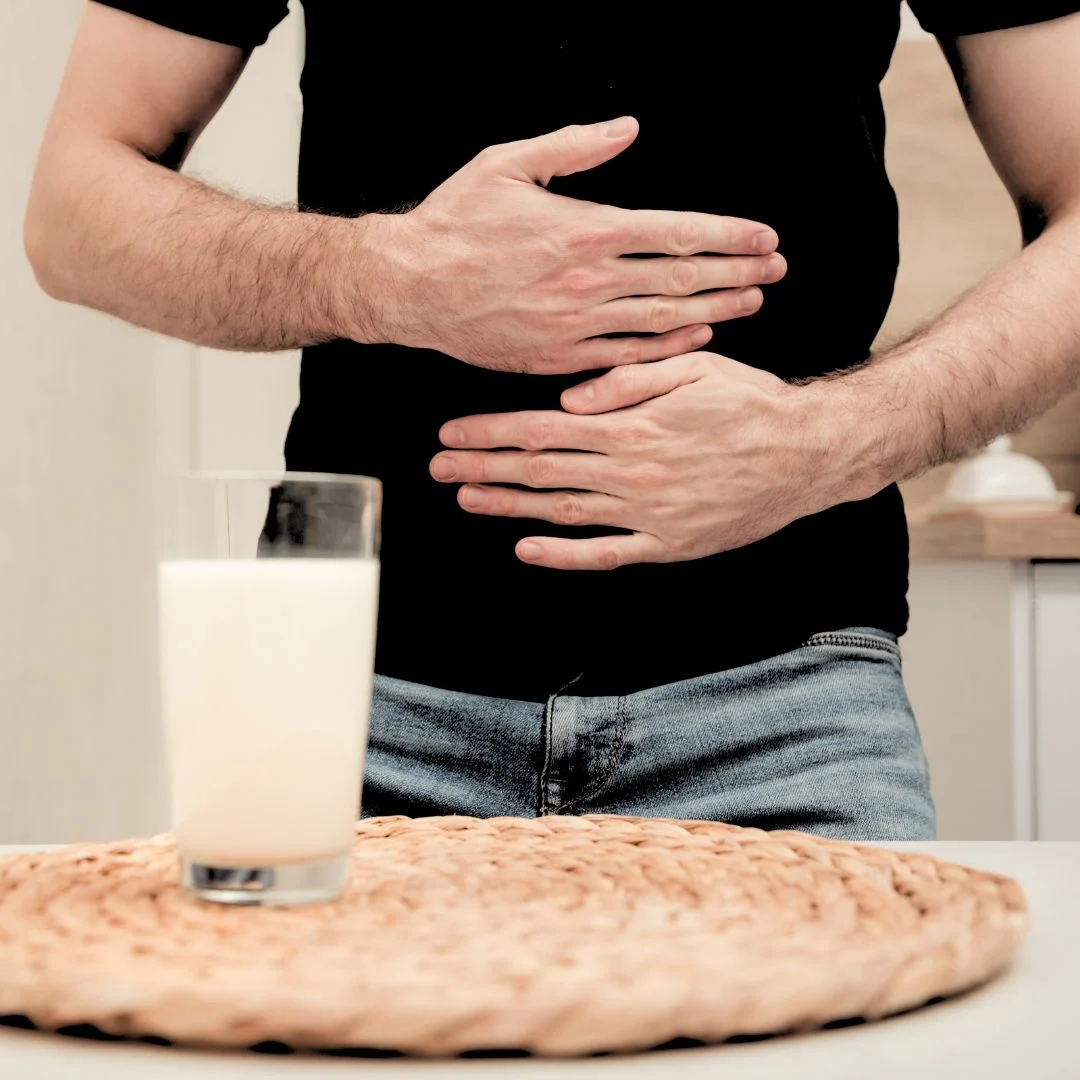
Yes, you can suddenly become intolerant to a food as an adult, even one you’ve eaten for years without a problem. It often follows a change in your gut or your life: a stomach bug, a course of antibiotics, hormonal changes, a stressful stretch, or simply eating far more of one food than you used to.
The good news is that a new intolerance isn’t always permanent. Once you know which food is involved, many people find they can bring it back in smaller amounts.
Can you suddenly become intolerant to a food?
A food intolerance means your body finds a food hard to digest or reacts to it in your gut. Symptoms such as bloating, wind, cramps, diarrhoea, headaches or tiredness usually build up over hours rather than minutes, and tend to depend on how much you eat.
That’s different from an allergy, which involves the immune system and can be serious. Our guide to food intolerance vs allergy explains how to tell them apart.
Intolerances often seem sudden, but they can creep up slowly. A food you could eat in large amounts at 25 may only suit you in smaller portions at 45, and you may only notice when you have a big serving.
Why do food intolerances start in adulthood?
- Changes with age. Many adults make less lactase, the enzyme that digests the sugar in milk, as they get older. Our guide to lactose intolerance vs dairy sensitivity explains the difference.
- A stomach bug. After gastroenteritis, the gut lining can take a while to recover. Some people find milk or rich food upsets them for weeks afterwards, before things settle.
- Antibiotics and other medicines. These can change the balance of bacteria in your gut for a time, and some medicines have gut side effects of their own.
- Hormones. Pregnancy, periods and perimenopause can all change how your gut behaves and how sensitive it feels.
- Stress. Your gut and brain are closely linked. A stressful few months can make a sensitive gut more reactive.
- Diet changes. Switching to more plant-based meals, more beans and lentils or more “free-from” products can mean much more of certain fibres, sugars or sweeteners than your gut is used to.
Which foods are most often behind a new intolerance?
- Milk and dairy: cramps, wind and loose stools, especially after milky drinks or soft cheese.
- Wheat: bloating after bread and pasta.
- Onions and garlic: wind and bloating a few hours later. See garlic and onion intolerance.
- Beans and lentils: wind, especially after a sudden increase.
- Coffee and alcohol: both can start to disagree with people over time. See alcohol intolerance.
- High-histamine foods: wine, aged cheese, cured meats and leftovers can cause flushing, a blocked nose or headaches in some people. See histamine intolerance.
Our overview of the most common food intolerances covers each of these in more detail.
Could it be something else?
A few conditions can look like a new intolerance, so it’s worth ruling them out.
- Coeliac disease can start at any age. If wheat or bread seems to be the problem, ask your GP for a coeliac blood test before you cut out gluten, because the test only works while you’re still eating it. Coeliac UK explains how diagnosis works.
- New allergies can also appear in adulthood, for example to shellfish, fish or nuts. Swelling of the lips, mouth or throat, hives, vomiting or difficulty breathing soon after eating need urgent medical help. Intolerance testing is not a substitute for allergy testing.
- A sensitive gut. Long-running bloating and changes in bowel habit can have several causes, and a GP can help you work through them.
Speak to a GP if you’re losing weight without trying, notice blood in your poo, have a lasting change in your bowel habits or your symptoms are getting worse.
What should you do if a food suddenly disagrees with you?
- Write it down. Keep a food and symptom diary for two weeks: what you ate, when, and how you felt.
- Look for the pattern. Which foods turn up before your worst days?
- Remove one suspect at a time. Take out a single food for two to four weeks and see whether things improve.
- Bring it back. Reintroduce it in small amounts to see how much you can manage. Our reintroduction schedule sets out how.
Try not to cut out several foods or whole food groups at once for long periods. It makes it harder to know what helped, and harder to eat a balanced diet.
Will a new food intolerance go away?
Sometimes. Reactions that follow a stomach bug or a course of antibiotics often ease as your gut recovers. Others are more about quantity: you may find you can enjoy a food again in smaller portions, or as part of a mixed meal, rather than avoiding it completely.
Where hair sample testing fits
If your diary doesn’t point to an obvious culprit, testing gives you a starting point. Our Core Intolerance Test tests 500 food items and groups them into high, medium and low response. The items with the strongest response help you decide which foods to try removing first, using the elimination plan and food diary in your report.
If you also suspect drinks, pollens or E-numbers, the Ultimate Intolerance Test covers 1,100 items, including non-food items.
Your instructions arrive by email straight away, and your report follows within 3–5 working days of your sample arriving, or 48 working hours with priority. Testing is a complementary approach, not a medical diagnosis. It doesn’t test for allergies, coeliac disease or lactose intolerance.
Frequently asked questions
Why have I suddenly become intolerant to dairy?
Many adults make less lactase, the enzyme that digests milk sugar, as they get older, so symptoms can appear in your 30s, 40s or later. A recent stomach bug can also make dairy harder to digest for a while. Try lactose-free milk for two weeks and see whether things improve.
Can stress cause a food intolerance?
Stress doesn’t create an intolerance on its own, but it can make your gut more sensitive. Many people notice that foods they normally manage cause more bloating or pain during stressful weeks.
Can you develop a food intolerance after a stomach bug?
Yes. After gastroenteritis the gut lining can take a while to recover, and some people find milk or rich foods upset them for a few weeks. This often settles as the gut recovers.
Is it an intolerance or an allergy if it started as an adult?
Either is possible. Intolerance symptoms usually come on over hours and depend on how much you eat. Allergic reactions usually happen within minutes and can include swelling, hives or breathing problems, which need urgent medical help.
This guide is general wellness information, not medical advice. Our test uses bioresonance, a complementary (CAM) method; it does not diagnose allergies, coeliac disease or any medical condition. Speak to a GP if you have severe or ongoing symptoms.