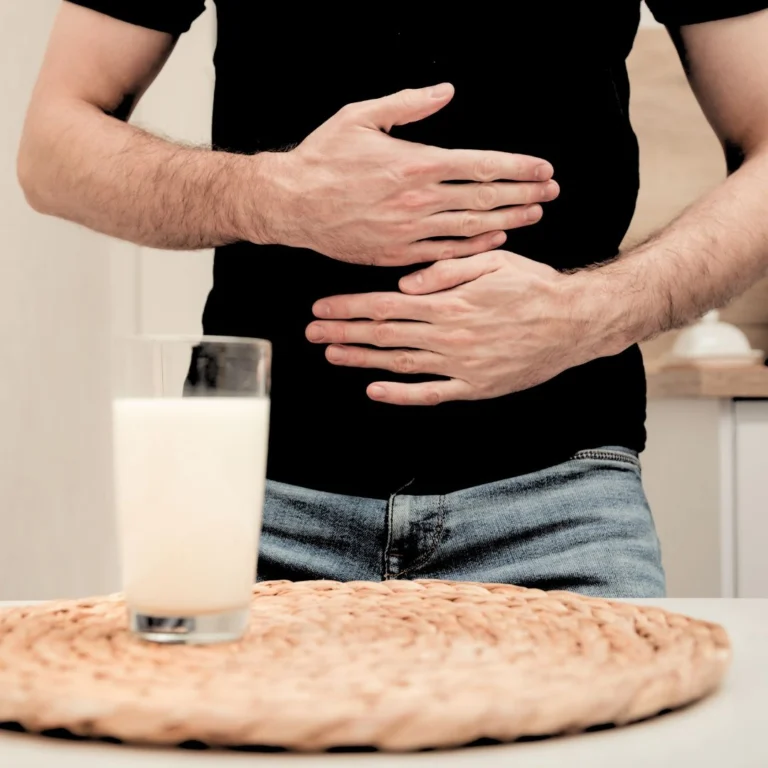
Alcohol intolerance means your body reacts badly to alcohol, or to something in a particular drink, with symptoms such as flushing, a blocked or runny nose, headaches, nausea or a racing heart, often after only a small amount. It is not the same as a hangover, and it is not an allergy.
There are two broad types. Some people break down alcohol itself slowly, so a by-product builds up in the body. Others react to an ingredient in certain drinks, such as histamine or sulphites in wine, or the grains, yeast and hops in beer. Which drinks cause trouble is often your biggest clue.
This guide is about understanding a reaction, not about finding ways to keep drinking. Cutting alcohol out is always the simplest and safest way to stop the symptoms.
What are the signs of alcohol intolerance?
- A red, hot, flushed face, neck or chest
- A blocked or runny nose, or sneezing
- Headache
- Nausea, an upset stomach or diarrhoea
- A racing or pounding heart
- Itchy, blotchy skin
- Feeling unwell after much less than other people drink
Unlike a hangover, these symptoms tend to start during or soon after drinking, and they can follow a single drink.
Swelling of the lips, tongue or throat, wheezing, difficulty breathing or widespread hives after a drink are not intolerance symptoms. Call 999. A true allergy to an ingredient in a drink is uncommon but serious, and intolerance testing is not a substitute for allergy testing.
Why does alcohol make some people go red?
Your body breaks alcohol down in two steps. First it turns it into acetaldehyde, a toxic by-product. Then an enzyme converts acetaldehyde into acetate, which the body can clear easily.
Some people inherit a less active version of that second enzyme, so acetaldehyde builds up and causes flushing, a fast heartbeat, headaches and nausea. This inherited trait is particularly common in people of East Asian heritage. You cannot build up a tolerance to it, and the flushing is a sign that your body is struggling to clear alcohol, so it is a reason to avoid alcohol rather than push through.
Some medicines can also cause flushing or sickness when taken with alcohol. If your reaction started after beginning a new medicine, check the leaflet or ask a pharmacist.
What in wine, beer and spirits can cause a reaction?
If only some drinks cause symptoms, alcohol itself is less likely to be the whole story. Each type of drink brings its own extra ingredients.
| Drink | Possible triggers besides alcohol | What people often notice |
|---|---|---|
| Red wine | Histamine and other amines, sulphites | Stuffy nose, flushing, headache |
| White wine, prosecco, champagne | Sulphites | Stuffy nose; chest tightness in some people with asthma |
| Beer, ale, lager | Barley or wheat, yeast, hops | Bloating, wind, an unsettled stomach |
| Spirits and mixed drinks | The grain or fruit base, flavourings, sugary or sweetened mixers | Symptoms that change with the mixer |
Histamine
Wine, particularly red wine, can add to the histamine your body already has to deal with from food. Histamine adds up, which is why the same drink can seem fine one day and cause a blocked nose the next. Our guide to histamine intolerance explains how that build-up works, and our guide to a blocked nose after eating or drinking wine looks at nasal symptoms in more detail.
Sulphites
Sulphites are used to preserve wine and some other drinks. Sulphur dioxide and sulphites are one of the 14 allergens that must be declared in the UK when present above ten parts per million, so look for “contains sulphites” on the label. Sulphites are more likely to cause problems for people with asthma.
Grains, yeast and hops
Beer is brewed from barley (sometimes with wheat), fermented with yeast and flavoured with hops. Bloating or wind after beer may come from the grains, the yeast or simply the volume of fizzy liquid. Our guide to yeast intolerance covers where else yeast turns up. Most beers contain gluten, so if you have or suspect coeliac disease, read our guide to wheat and gluten sensitivity versus coeliac disease.
Is it intolerance, allergy or a hangover?
| Intolerance | Allergy | Hangover | |
|---|---|---|---|
| When it starts | During or soon after drinking | Usually within minutes | The next morning |
| How much it takes | Can be one drink | A small amount | Usually more than intended |
| Typical signs | Flushing, stuffy nose, headache, nausea | Swelling, hives, wheezing, collapse | Thirst, tiredness, headache, nausea |
| How serious | Unpleasant, not dangerous | An emergency: call 999 | Unpleasant, passes |
How can you work out what is causing it?
The safest experiment is to stop drinking alcohol for a few weeks and see whether your symptoms settle. You do not need to reintroduce alcohol afterwards, and many people find they feel better without it.
- Keep a diary. Look back at the times you reacted: what you drank (type and brand), how much, what you ate, and when symptoms began. Our food and symptom diary template makes patterns easier to spot.
- Compare labels. Check whether the drinks that caused trouble say “contains sulphites”, and whether they share a base such as grapes, barley or wheat.
- Look at the whole meal. Note whether reactions came alongside aged cheese, cured meats or other high-histamine foods.
- Know the guidelines. If you do drink, the NHS advises not drinking more than 14 units a week on a regular basis, spread over three or more days, with several drink-free days each week.
Never use a drink to “test” a reaction that involved swelling, wheezing or breathing difficulty.
Do alcohol-free drinks avoid the problem?
Alcohol-free versions remove the alcohol, so they avoid the flushing type of reaction. They can still contain grains, yeast, hops, grapes or sulphites, so if one of those ingredients is your trigger, you may still notice symptoms. Check the label in the same way you would for any other food or drink.
When to speak to a GP
- Flushing comes with palpitations, dizziness or fainting.
- You notice pain in the glands in your neck, armpit or groin when you drink alcohol.
- Reactions are new, are getting worse, or started while taking a regular medicine.
- You are worried about how much you drink.
Planning a festive meal? Our guide to Christmas bloating covers fizz, rich food and simple swaps.
Where hair sample testing fits
If some drinks bother you and others do not, testing can give you a starting point for your diary and help you decide which ingredients to look at first. The Core Intolerance Test tests 500 food items, including red wine, white wine, champagne, prosecco, beer, ale, lager, gin, vodka, whisky, rum and tequila, as well as ingredients such as barley, yeast, hops and grapes.
Testing does not measure how quickly your body processes alcohol, so if you have the flushing type described above, avoiding alcohol remains the answer. Where it helps is in showing which items had the strongest response, so you can see whether a drink fits a wider pattern, for example with grains or yeast.
Your report groups items into high, medium and low response, with a 6–8 week elimination plan and a printable food diary. It arrives by email within 3–5 working days of your sample arriving, or 48 working hours with priority.
Frequently asked questions
Why does one glass of wine make my nose block up?
Alcohol widens blood vessels, including those in the lining of your nose, and wine can also add histamine and sulphites. Together these can cause a stuffy or runny nose even after a small amount. If it happens with only certain wines, compare their labels and keep a diary.
Can you suddenly become intolerant to alcohol?
Many people notice that drinks they once tolerated start causing symptoms. Changes in medicines, health or what you eat alongside a drink can all play a part. If reactions are new or getting worse, it is worth speaking to a GP.
Is alcohol intolerance the same as an alcohol allergy?
No. Intolerance causes unpleasant but not dangerous symptoms such as flushing, a stuffy nose or nausea. An allergy to an ingredient in a drink involves the immune system and can cause swelling, hives or breathing difficulty, which needs emergency help.
Why do I react to beer but not to spirits?
Beer contains barley or wheat, yeast and hops, which many spirits and mixers do not. Reacting only to beer suggests one of those ingredients, or the fizz and volume, may be involved rather than the alcohol itself.
This guide is general wellness information, not medical advice. Our test uses bioresonance, a complementary (CAM) method; it does not diagnose allergies, coeliac disease or any medical condition. Speak to a GP if you have severe or ongoing symptoms.