

Fluctuating oestrogen and progesterone during perimenopause and menopause commonly reduce histamine tolerance, which can explain new or worsened flushing, headaches, hives or digestive upset. The most useful first step is practical: start a simple symptom and food diary, and speak to your GP or a registered dietitian about a medically supervised elimination diet before making big dietary changes.
TL;DR:
- Symptoms of histamine sensitivity can worsen during menopause due to hormonal shifts affecting mast cell activity and reduced enzyme breakdown.
- Dietary management should focus on fresh foods, prompt consumption, and individualized elimination tests rather than relying on broad lists of forbidden foods.
- Hormone therapy may influence immune markers related to inflammation but is not yet proven as a treatment for histamine intolerance.
- Symptom tracking and a medically supervised elimination diet are essential for accurate diagnosis, as blood tests alone are unreliable.
- Combining lifestyle changes, dietary adjustments, and medical advice offers the best approach to managing histamine-related symptoms during menopause.
Table of Contents
- What histamine and vasoactive amines are, and how they cause symptoms
- How changing oestrogen and progesterone levels can alter mast cell behaviour and histamine breakdown
- Symptoms and how clinicians tell histamine sensitivity apart from allergy
- Practical management: diet, medicines and lifestyle
- Where HRT fits and important medical considerations
- How at-home sensitivity testing can complement a clinical plan
- A pragmatic, multidisciplinary approach
- If you want structured data: trying our testing and resources
- FAQ
- Sources
What histamine and vasoactive amines are, and how they cause symptoms
Histamine is a chemical your body makes and stores, mostly in mast cells, which sit in your skin, gut and airways ready to release it when triggered. Once released, histamine widens blood vessels, tightens airway muscles and stimulates nerve endings, which is why reactions can show up as flushing, itching, congestion or stomach cramps all at once.
You get histamine from two directions. Your own mast cells release it in response to triggers such as heat, alcohol, stress or certain medicines, and you also take it in through food, particularly items that have been fermented, aged or stored for a while. Vasoactive amines, histamine’s close chemical relatives, behave similarly and build up as food ages, regardless of whether it has been cooked.
- Mast cells release histamine instantly when triggered, producing immediate symptoms.
- Dietary histamine builds up gradually in stored, fermented or ageing foods, so reactions can appear hours after eating.
That gap between cause and effect is part of why histamine-related symptoms are so easy to misread as something else entirely.
How changing oestrogen and progesterone levels can alter mast cell behaviour and histamine breakdown
Hormones and histamine are more connected than most people realise. The British Dietetic Association’s 2025 update on histamine sensitivity notes that hormone fluctuations, including those seen in perimenopause, can affect mast cell activity and levels of diamine oxidase (DAO), the enzyme responsible for breaking down histamine after you eat it. When DAO activity drops, histamine from food is cleared more slowly, so it can build up and trigger symptoms even from foods you previously tolerated well.
One 2025 immunology study found that HRT partly reversed age-associated increases in inflammatory monocytes among menopausal women, alongside lower CRP levels compared with those not on HRT, according to UCL research published in Aging Cell. That finding matters because it shows hormones can measurably shift inflammatory and immune markers during menopause, giving biological weight to what many women already notice: that allergy-like symptoms seem to track their hormonal changes.
This area of research is still developing. The UCL findings describe changes in immune cell populations and inflammatory markers, not a proven treatment for histamine intolerance itself, and no study yet confirms that HRT reliably resolves histamine-related symptoms. What the evidence does support is biological plausibility: shifting hormones can influence how reactive your mast cells are and how efficiently your body clears histamine, which is a reasonable explanation for symptoms that appear or worsen around perimenopause.
Symptoms and how clinicians tell histamine sensitivity apart from allergy
Histamine-related symptoms during perimenopause and menopause can be wide-ranging, which is part of what makes them confusing to pin down. Common patterns include:
- Flushing or hot, red skin, sometimes mistaken for a hot flush alone.
- Headaches or migraine, often following specific meals or drinks.
- Digestive symptoms resembling irritable bowel syndrome, including bloating and cramping.
- Palpitations, anxiety or a racing heart without an obvious trigger.
- Disrupted sleep, hives or nasal congestion that appears without a clear allergen.
The plain English guide from University Hospitals Plymouth NHS Trust explains that histamine intolerance is classed as a chemical sensitivity, not a true allergy. Unlike an IgE-mediated allergy, it does not involve a specific antibody response, reactions can be delayed by hours, and there is no single reliable blood test to confirm it. DAO blood tests are sometimes offered, but the same guidance cautions that blood DAO levels do not consistently reflect what is happening in your gut.
The recommended diagnostic path instead relies on a structured symptom and food diary, followed by a medically supervised elimination diet lasting two to four weeks, with foods reintroduced one at a time to see what triggers symptoms. You can read more detail on how this works in our guide to histamine intolerance symptoms and testing.
Pro Tip: Keep your diary simple: log what you ate, when symptoms started and how long they lasted, rather than trying to track every possible trigger at once.
Practical management: diet, medicines and lifestyle
Fresh food is the simplest place to start. Histamine and other vasoactive amines build up as food ages, ferments or sits in storage, and the Plymouth Hospitals leaflet notes that cooking does not reliably remove them, so buying fresh, eating promptly and freezing leftovers quickly all help reduce your intake. Long, exhaustive “avoid this food” lists circulate widely, but they are unreliable because tolerance varies considerably from person to person, which is exactly why a personal elimination trial matters more than a generic list. Our histamine intolerance diet guide walks through how to trial a low-histamine approach safely.
- Choose fresh meat, fish and vegetables over aged cheeses, cured meats, fermented foods and leftovers kept more than a day or two.
- Keep alcohol, particularly red wine and beer, in mind as common triggers worth testing individually.
Over-the-counter H1 antihistamines can ease symptoms, but some medicines, including certain painkillers, can worsen histamine release or interfere with its breakdown, so check with your GP before starting, stopping or combining anything new. Sleep quality and stress both influence how reactive mast cells are, so consistent sleep habits and stress management can meaningfully reduce flare-ups alongside dietary changes. Vitamin D sufficiency is also mentioned in clinical guidance as a supportive factor in mast cell stability, worth discussing with your GP if levels haven’t been checked recently.
Pro Tip: Reintroduce one food every two to three days during the reintroduction phase, noting symptoms before adding the next, so you can clearly link cause and effect.
Our elimination diet checklist sets out this process step by step, though working with a registered dietitian or GP is strongly advised for anyone with significant or persistent symptoms.
Where HRT fits and important medical considerations
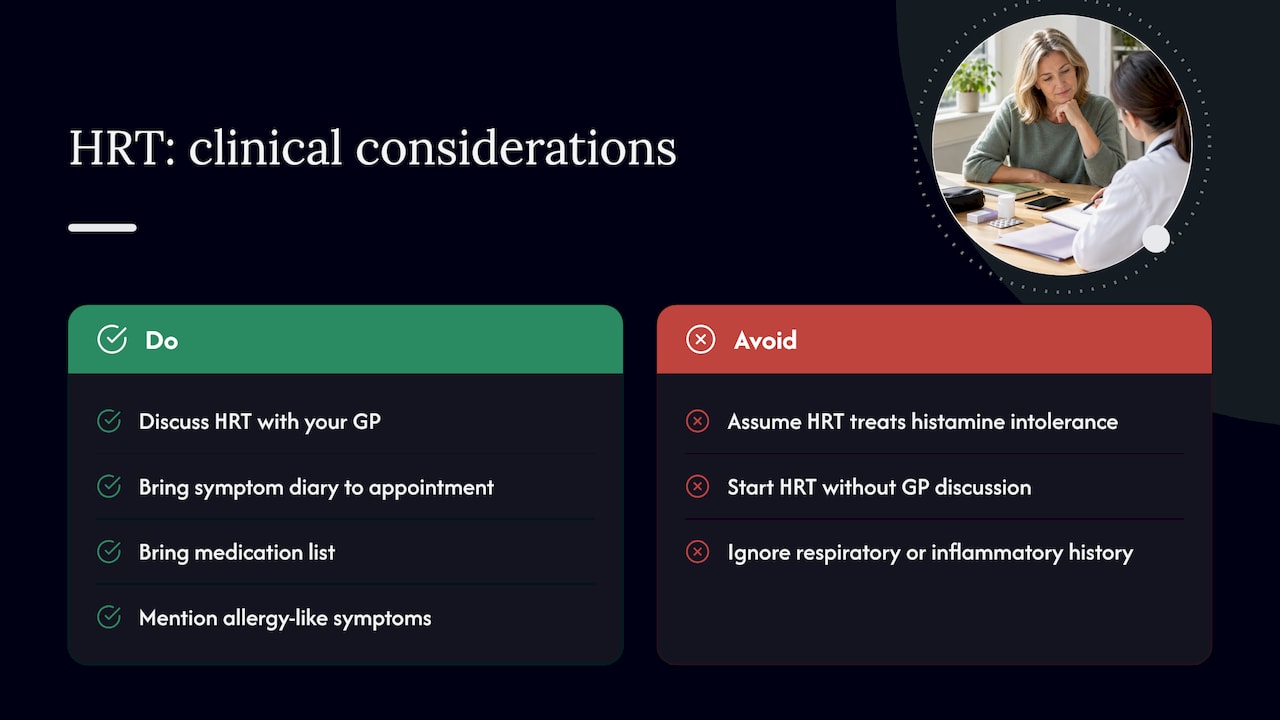
The UCL findings on reversed inflammatory monocyte changes suggest HRT may influence the immune shifts linked to menopause, but this is not evidence that HRT treats or cures histamine intolerance specifically. NHS guidance on menopause symptoms describes HRT as an effective treatment for many menopausal symptoms, while also noting it isn’t suitable for everyone and carries individual risks that need discussing with a GP, including in some respiratory or inflammatory conditions. If you’re considering HRT alongside allergy-like symptoms, bring your symptom diary and current medication list to that appointment so your GP can weigh the full picture.
How at-home sensitivity testing can complement a clinical plan
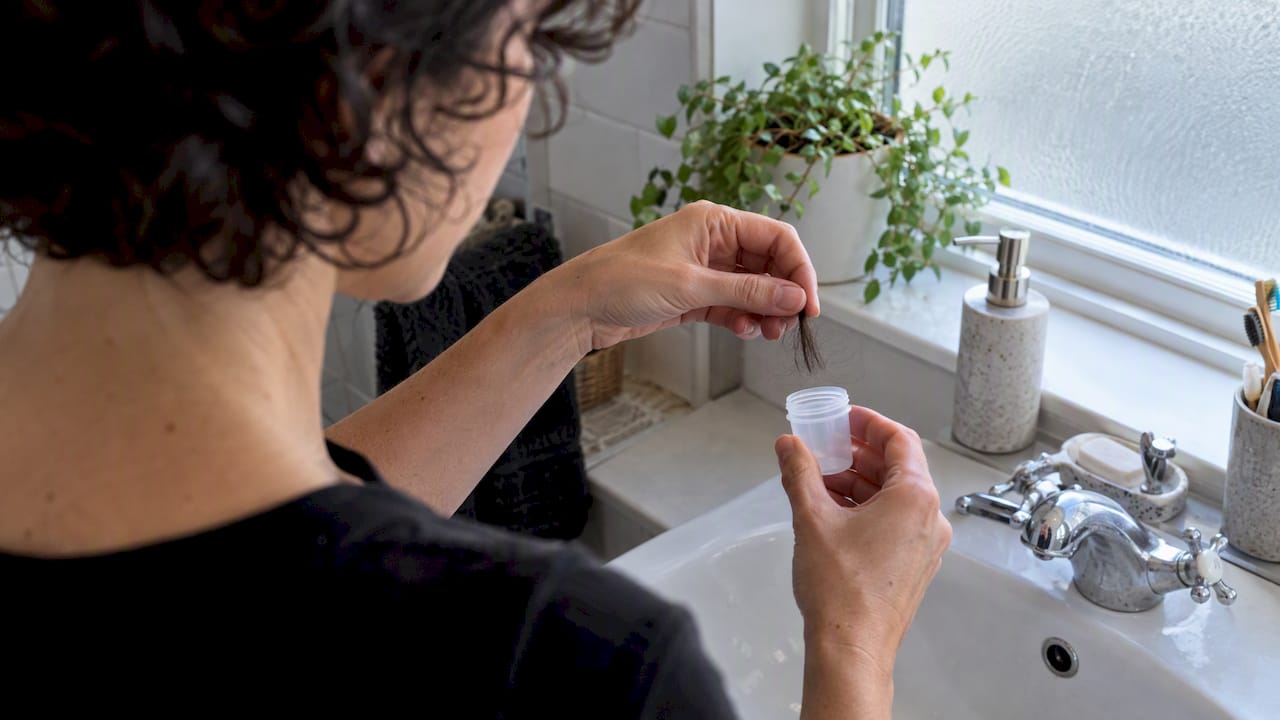
We offer hair-sample bioresonance tests processed in a laboratory with digital reports typically ready in 48 to 72 hours, designed to support an elimination diet, not replace a GP assessment or formal allergy testing. They work best as one input: track symptoms first, run a supervised elimination diet, then use testing to help prioritise which foods to reintroduce and in what order, always reviewing results with your GP or dietitian. Our guide to the food elimination process explains how the two approaches fit together.
A pragmatic, multidisciplinary approach
In my view, no single tool solves histamine-related symptoms in menopause. Tracking, a properly supervised elimination diet, sleep and stress attention, and a GP conversation about hormones together tend to outperform any one fix tried in isolation. Evidence here is still developing, which makes a careful, combined approach more useful than waiting for a perfect answer.
— Rob
If you want structured data: trying our testing and resources
If you’ve already started a symptom diary and want a clearer starting point for your elimination diet, our tests offer a non-invasive way to flag potential food and environmental sensitivities worth prioritising, with digital reports delivered within 48 to 72 hours. We’d always encourage using results alongside a GP or registered dietitian, particularly if your symptoms are frequent or severe.
- Browse our full range on the tests page.
- Explore our most comprehensive option, the Ultimate Plus Intolerance Test.
This article is general information, not a substitute for advice from a qualified doctor. Consult a qualified healthcare professional about your own circumstances before acting on anything here.
FAQ
How to lower histamine in menopause?
Focus on eating fresh food rather than aged, fermented or long-stored items, since histamine and related vasoactive amines build up during storage. Supporting sleep, managing stress and discussing DAO-related nutrients such as vitamin D with your GP can help alongside dietary changes.
How to block nighttime histamine release?
There is no way to fully stop histamine release, but reducing known triggers before bed, such as alcohol, aged cheese or late heavy meals, can lower nighttime symptoms. A cooler, allergen-reduced bedroom environment may also help some people sleep more comfortably, as outlined in this allergy-friendly bedroom case study.
What is the relationship between histamine and anxiety?
Histamine acts on nerve pathways as well as blood vessels, and its release has been associated with palpitations and a racing, anxious feeling in some people. This overlap is one reason histamine-related symptoms are sometimes mistaken for anxiety alone rather than a chemical sensitivity.
What does high histamine do to the body?
Excess histamine can cause flushing, headaches, hives, digestive cramping, nasal congestion and palpitations, depending on where it acts in the body. Because these symptoms overlap with many other conditions, a supervised elimination diet remains the main way to confirm whether histamine is the cause, as described in NHS menopause guidance.
Sources
- Sensitivity to Histamine and other Vasoactive Amines (BDA) — 2025 update
- Plain English guide to sensitivity to histamines and other vasoactive amines — University Hospitals Plymouth NHS Trust
- Age‑Associated inflammatory monocytes are increased in menopausal females and reversed by HRT — UCL (2025)
- Menopause and perimenopause: symptoms — NHS







Leave a Reply
Want to join the discussion?Feel free to contribute!