

Private intolerance testing in the UK costs vary widely depending on the method and provider. Budget home kits generally start from low prices, mid-range panels from private labs are priced higher, and comprehensive specialist packages are the most expensive. The catch: many commercial “intolerance” tests, including IgG panels, hair analysis and bioresonance, lack clinical validation. If you have persistent digestive symptoms or suspect a genuine allergy, see your GP first. Choose a private test only once you understand what it can and cannot tell you.
TL;DR:
- Private intolerance tests like IgG panels and hair analyses lack clinical validation and are unlikely to provide a reliable diagnosis.
- NHS testing options are limited to validated methods such as skin prick testing, specific IgE blood tests, and supervised elimination diets.
- Most commercially available “intolerance” tests are marketed without peer-reviewed evidence and can lead to unnecessary dietary restrictions.
- Budget home kits cost between £10 and £90 and offer limited food coverage with minimal interpretive support, while comprehensive tests can exceed £250.
- When seeking diagnosis, prioritize clinically validated methods and consult a healthcare professional before acting on test results.
Table of Contents
- Price ranges: what you get for different budgets in the UK
- What each test type actually is and how it affects price
- NHS versus private: when the NHS will test and when private testing is used
- Accuracy, risks and what UK clinical bodies say about commercial intolerance tests
- How to choose a test and safe next steps after you get results
- Publisher perspective: what UK Food Intolerance actually offers
- Why the “which test is right for me” question misses the point
- Match your budget to the right test tier
- Sources
Price ranges: what you get for different budgets in the UK
Your budget dictates the size of the panel, how quickly results land, and whether anyone qualified actually looks at them. Here’s how the tiers typically break down.
- Budget or home kits (£10–£90): Postal sample kits sold on the high street and online, often testing a limited number of foods with a quick turnaround. Boots and similar retailers price these from roughly £8.99 up to around £89.99. Convenient, but interpretive support is usually minimal.
- Mid-range private lab tests (£70–£250): Larger panels, sometimes with a written interpretation guide or access to a clinician consultation. This band covers most at-home bioresonance and blood-spot IgG kits marketed directly to consumers.
- Comprehensive or specialist testing (£250–£600+): Extensive panels run through private allergy clinics, sometimes bundled with skin prick testing or a specialist review appointment. Expect this tier when a private clinic is involved rather than a postal kit.
Extra costs often catch people out. A private GP referral, a follow-up clinic appointment, return postage on a kit, or a repeat test after an inconclusive result can all add £20 to £100 on top of the headline price. Always ask what the quoted figure actually includes before you order.
What each test type actually is and how it affects price
The method behind a test explains most of the price difference, and it’s worth knowing what you’re paying for.
- Skin prick testing (SPT): A short in-clinic procedure where diluted allergens are pricked into the skin and reactions read after 15 to 20 minutes. Priced per clinic visit rather than per item, and results need interpretation by a trained professional.
- Specific IgE blood tests: Often charged per allergen or per small panel. A GP can arrange these on the NHS when your symptoms and history point to a likely allergy, which is usually the cheapest and most clinically supported route.
- Breath tests for lactose: Used specifically to diagnose lactose malabsorption, typically ordered by a GP or gastroenterology clinic rather than bought as a standalone consumer product.
- IgG/IgG4 panels and at-home blood or DNA kits: Commonly sold direct to consumers at various price points. BSACI’s Choosing Wisely guidance states these carry no proven benefit for diagnosing food allergy or intolerance.
- Bioresonance and hair analysis: Marketed as non-invasive alternatives, usually priced in the mid to comprehensive bands. The same BSACI guidance notes there’s no reliable validated test for most intolerances beyond lactose intolerance and coeliac disease, so treat any brand’s claims to the contrary with caution.
NHS versus private: when the NHS will test and when private testing is used
The NHS does not offer routine screening for general food intolerance. NHS guidance points instead to validated pathways: supervised elimination diets, breath tests for lactose malabsorption, and specific IgE blood tests ordered when a GP suspects coeliac disease or a genuine allergy.
- See your GP first if symptoms are severe, persistent, or you suspect coeliac disease or a serious allergic reaction.
- Private testing tends to appeal for convenience or broader panels, but it rarely delivers a clinical diagnosis on its own.
- A GP referral can still lead to private specialist testing when NHS waiting times are long, though this adds to the overall cost.
Accuracy, risks and what UK clinical bodies say about commercial intolerance tests
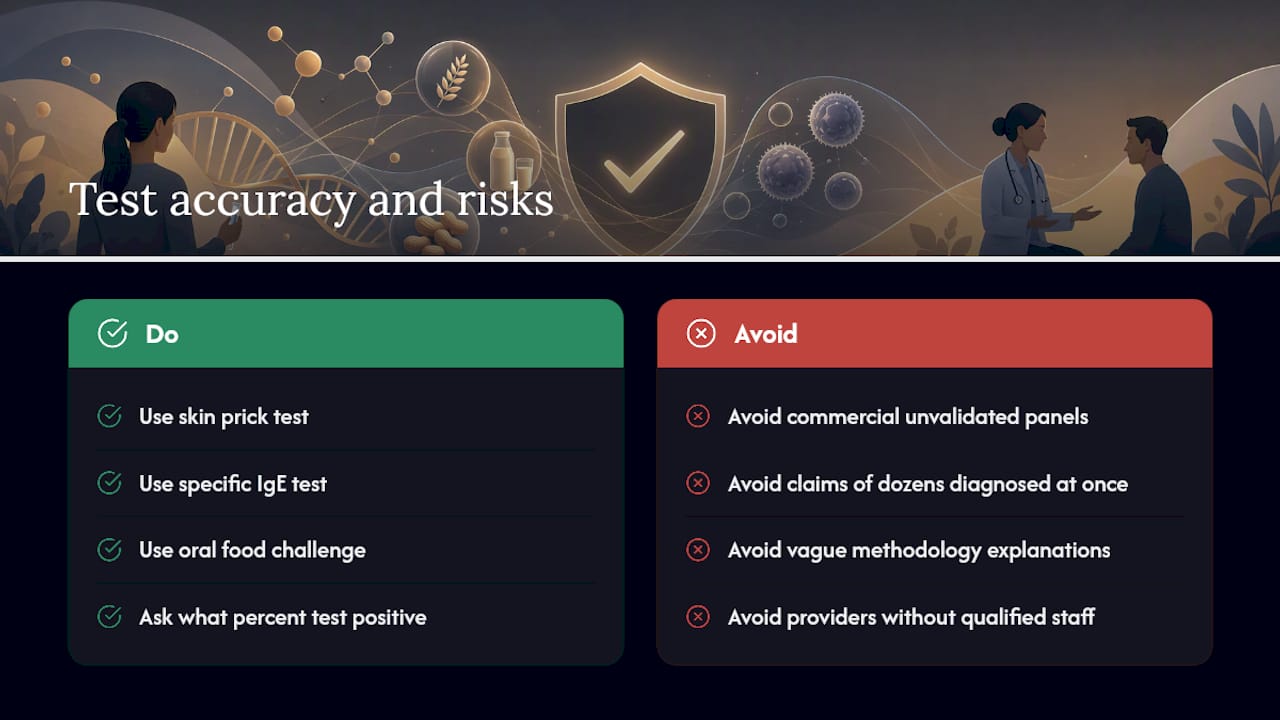
The clinical consensus is consistent across UK bodies: skin prick testing, specific IgE testing and oral food challenges are the only well-evidenced diagnostic tools for food allergy. BSACI states plainly that alternative commercial tests offer no proven benefit and can lead to misdiagnosis. The British Dietetic Association warns that unvalidated tests can cause unnecessary dietary restriction, which risks nutritional deficiency, particularly in children.
Statistic callout: BSACI’s Choosing Wisely guidance confirms there is no reliable validated test for most food intolerances except lactose intolerance and coeliac disease. Every other commercial “intolerance” panel sits outside that evidence base.
Watch for red flags: providers claiming their test can “diagnose” dozens of intolerances at once, vague explanations of methodology, or an absence of qualified staff to interpret results.
Pro Tip: Before paying for a comprehensive panel, ask the provider what percentage of customers typically show “positive” results. If it’s suspiciously high across almost everyone, the test is likely flagging normal biological variation rather than genuine intolerance.
How to choose a test and safe next steps after you get results
A few pointed questions before you order will save you money and worry later.
- Ask about the method. Is it a validated clinical test (SPT, specific IgE) or a commercial screening product without peer-reviewed evidence behind it?
- Check lab accreditation. Reputable providers should state where samples are processed and under what standards.
- Ask what a “positive” result actually means. A raised marker isn’t automatically a diagnosis.
- Confirm follow-up support. Is there dietitian or clinical access, or just a printed report?
A clinician-ordered test is preferable when symptoms are severe, when a child is affected, or when there’s any history suggesting coeliac disease or anaphylaxis. If you do act on results, do it through a supervised elimination diet with structured reintroduction, ideally with a registered dietitian involved, rather than cutting multiple food groups at once.
Pro Tip: Keep a symptom diary alongside any elimination diet. It’s the cheapest diagnostic tool you have, and it gives a dietitian something concrete to work from.
Seek urgent medical help immediately for swelling of the face or throat, difficulty breathing, or any sudden severe reaction. That’s an emergency, not something a home test addresses.
Publisher perspective: what UK Food Intolerance actually offers
Ukfoodintolerance runs at-home bioresonance testing using a hair sample, processed at a UK laboratory, with digital reports delivered within 48 to 72 hours. The Core test covers roughly 500 items, while the Ultimate tier extends to over 1,100. Neither replaces NHS diagnostic pathways or dietitian input, and pricing covers the kit, lab analysis and report only.
Why the “which test is right for me” question misses the point
Most guidance on intolerance testing tries to rank tests by accuracy, as though one commercial option might edge out another. That’s the wrong frame. The real divide isn’t between competing private tests, it’s between clinically validated diagnosis and everything else. NHS-ordered specific IgE testing and supervised elimination diets sit on one side. Every hair analysis, IgG panel and bioresonance kit sits on the other, whatever the price tag.
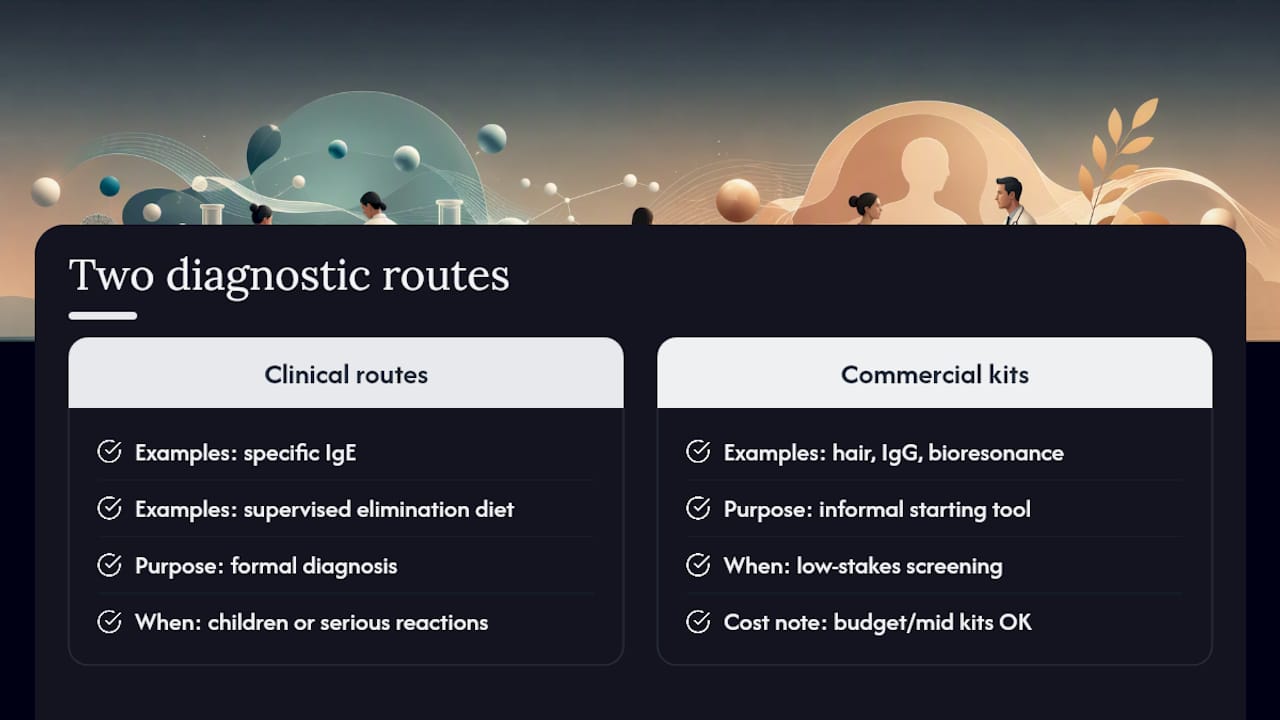
That doesn’t make private testing worthless. It makes it a different tool for a different job. If you’re chasing a formal diagnosis, especially for a child or after a serious reaction, spending £250 on a private “comprehensive” panel instead of seeing your GP is money misdirected. But if you’re using a test as a starting point for a structured elimination diet, with realistic expectations about what a result means, a budget or mid-range kit can be a reasonable, low-stakes way to begin narrowing things down.
The reader’s job is to match the tool to the goal, not to hunt for the “most accurate” commercial test. Get that right, and the cost question answers itself.
— Rob
Match your budget to the right test tier
Given the price bands above, most readers land somewhere between a budget kit and a mid-range panel, and that’s exactly where Ukfoodintolerance’s two tiers sit. The Core Single Intolerance Test covers around 500 items and fits the mid-range band, while the Ultimate test extends to over 1,100 items for readers wanting a broader comprehensive-style panel, both without the added cost of a specialist clinic visit.
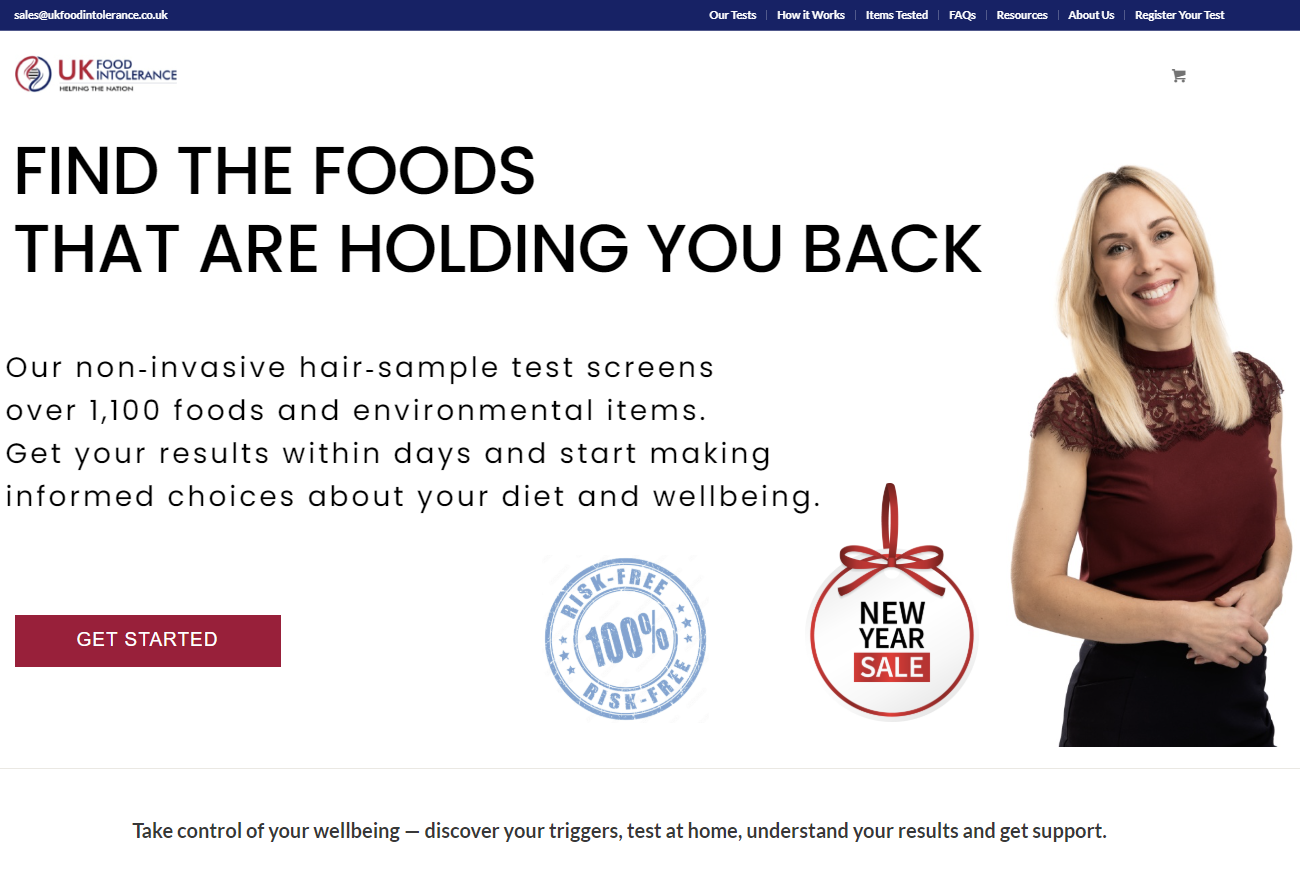
Each kit works the same way: collect a hair sample at home, post it to the UK lab, and receive your digital report within 48 to 72 hours. If your symptoms are severe, persistent, or you suspect a genuine allergy, speak to your GP before or alongside ordering, and use your results as a starting point for a supervised elimination diet rather than a standalone diagnosis. Browse the full range of intolerance tests to find the tier that matches your budget and start with realistic expectations.
Sources
Key guidance referenced: NHS on food intolerance, British Dietetic Association testing advice, BSACI’s Choosing Wisely guidance, and NWL Pathology’s diagnostic advice. For product detail, see Ukfoodintolerance’s comprehensive testing guide.
This article is general information, not a substitute for advice from a qualified doctor. Consult a qualified healthcare professional about your own circumstances before acting on anything here.
- Food intolerance – NHS
- Food allergy and intolerance testing – British Dietetic Association
- Choosing Wisely on the use of alternative testing – BSACI
- Pharmacy









Leave a Reply
Want to join the discussion?Feel free to contribute!