

Laboratory analysis provides the objective biological data clinicians use to diagnose, monitor, and guide treatment. Put simply, it turns a biological sample — blood, urine, tissue, or hair — into a number or result that tells a clinician something they could not reliably determine from symptoms alone. The role of laboratory analysis spans six core functions:
- Diagnosis: confirming or ruling out a condition based on measurable biological markers
- Monitoring: tracking how a disease or treatment is progressing over time
- Screening: detecting risk or early disease before symptoms appear
- Surveillance: tracking infectious disease and population health trends
- Blood services: supporting safe transfusion and organ transplantation
- Research support: generating the biological data that underpins clinical trials and guideline development
The scale of this influence is striking. An analysis of cardiovascular guidelines found that 64% of guidelines required in-vitro testing for diagnosis, and 77% of clinical pathways required laboratory testing at some point. Bodies including the World Health Organisation (WHO), the National Institute for Health and Care Excellence (NICE), and the International Federation of Clinical Chemistry and Laboratory Medicine (IFCC) all embed laboratory testing as a standard component of clinical guidance. StatPearls, the widely used clinical reference, describes laboratory testing as central to diagnostic evaluation across virtually every medical specialty.
Key takeaways
Laboratory analysis is the foundation of clinical decision-making: without objective biological measurements, diagnosis, monitoring, and treatment planning all become significantly less reliable.
| Point | Details |
|---|---|
| Central to clinical decisions | Analysis of cardiovascular guidelines found 77% of clinical pathways required laboratory testing at some point. |
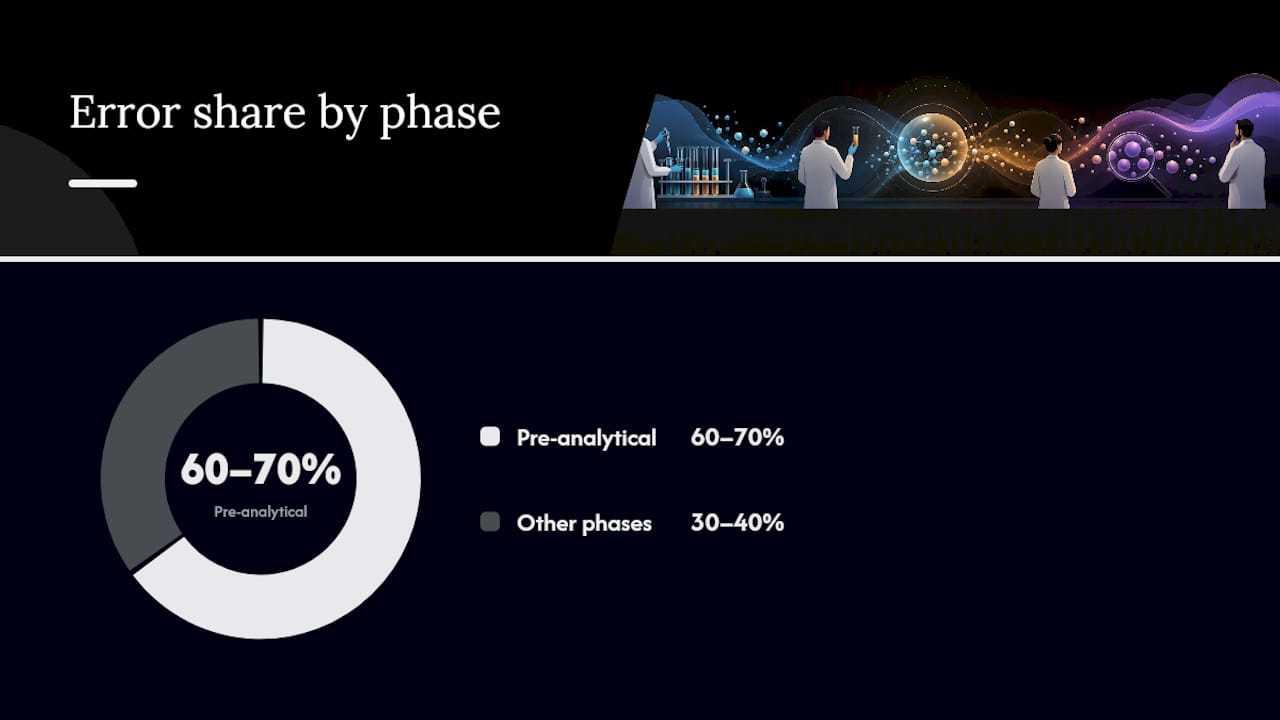
| Pre-analytical errors dominate | Around 60–70% of laboratory errors occur before the sample reaches the analyser — correct collection and transport are critical. |
| Clinical value is the test | A test that does not change management or improve outcomes may be unnecessary and can cause harm. |
| Quality is formally regulated | UK clinical laboratories are accredited against ISO 15189 by UKAS; NICE, IFCC, and WHO set the guideline frameworks. |
| Ukfoodintolerance at-home tests | Hair sample sensitivity tests covering 1,450+ items provide personal wellness insight, not clinical diagnosis — discuss results with a clinician for medical concerns. |
Table of Contents
- What does clinical laboratory analysis actually cover?
- How does laboratory analysis shape patient care and public health?
- What happens between sample collection and your result?
- Which laboratory disciplines and tests do clinicians use most?
- How do laboratories actually produce results?
- How should you interpret a laboratory result?
- How do laboratories maintain quality and who regulates them?
- What are the real limitations and risks of laboratory testing?
- What should patients know before, during, and after a laboratory test?
- How are laboratories changing and what comes next?
- A note on how this connects to at-home testing
- Curious about at-home sensitivity testing?
- An editorial perspective on what laboratory analysis really means for patients
- Sources
What does clinical laboratory analysis actually cover?
Clinical laboratory analysis is the systematic examination of biological specimens to produce objective measurements that inform healthcare decisions. The FDA describes laboratory tests as medical devices used on biological samples to help diagnose disease, monitor conditions, and plan treatment — and stresses that results must always be interpreted within the context of a patient’s overall health.
Several distinct types of laboratory exist within this broad definition:
- Hospital clinical laboratories: on-site labs handling urgent and routine tests for inpatients and outpatients
- Private diagnostic laboratories: independent facilities offering a wide test menu, often with faster turnaround for elective referrals
- Reference and genetic laboratories: specialist centres for complex or low-volume tests, including next-generation sequencing (NGS) panels
- Public health laboratories: focused on surveillance, outbreak investigation, and population screening programmes
- Research laboratories: generating data for clinical trials, biomarker discovery, and guideline development
- At-home sample collection services: patients collect a sample (blood spot, urine, hair) at home and post it to an accredited laboratory for analysis
Laboratory analysis is distinct from point-of-care testing (POCT), which produces results at or near the patient using portable devices, and from imaging (X-ray, MRI, ultrasound), which visualises anatomy rather than measuring biochemical markers. Both POCT and imaging complement laboratory analysis but do not replace it for the majority of quantitative biological measurements.
How does laboratory analysis shape patient care and public health?
The concrete impact of laboratory testing on care is best understood by looking at each role in turn.
Diagnosis is where most people first encounter laboratory medicine. A clinician suspecting a urinary tract infection sends a urine culture; a haematologist investigating anaemia orders a full blood count and iron studies; a cardiologist uses troponin to confirm or exclude myocardial infarction within hours. Without these results, clinical decisions rest on symptoms and examination alone — far less precise, and far more likely to lead to delayed or incorrect treatment.
Monitoring is equally critical but less visible to patients. Patients with type 2 diabetes have HbA1c measured every three to six months; those on warfarin have their INR checked regularly to keep anticoagulation within a safe range; kidney transplant recipients have tacrolimus drug levels measured to prevent rejection or toxicity. Each of these tests directly changes a prescribing or management decision.
Screening works differently. Here, the test is applied to people without symptoms to find disease early or assess risk. Newborn blood spot screening in the UK tests for conditions including phenylketonuria and congenital hypothyroidism, where early treatment prevents serious harm. Cervical cytology and bowel cancer screening programmes rely on laboratory analysis of collected samples. Screening is only recommended when evidence shows that early detection genuinely improves outcomes — a principle endorsed by MedlinePlus and reflected in NICE guidance.
Surveillance uses aggregated laboratory data to track infectious disease trends, detect outbreaks, and inform public health responses. During the COVID-19 pandemic, PCR testing data fed directly into national surveillance systems. A systematic review highlights the role of laboratories in pandemic preparedness and early diagnosis, noting that resource constraints in lower-income settings remain a significant barrier to effective surveillance globally.

Blood services depend entirely on laboratory analysis for blood grouping, cross-matching, and screening donated blood for infectious agents. Transfusion medicine is one of the most safety-critical applications of laboratory science.
| Role | Clinical example | Why testing matters |
|---|---|---|
| Diagnosis | Troponin for myocardial infarction | Confirms or excludes diagnosis within hours |
| Monitoring | HbA1c in type 2 diabetes | Guides medication adjustment every 3–6 months |
| Screening | Newborn blood spot | Detects treatable conditions before symptoms appear |
| Surveillance | PCR-based infectious disease tracking | Enables outbreak detection and public health response |
| Blood services | ABO/Rh cross-matching | Prevents transfusion reactions |
What happens between sample collection and your result?
The journey from sample to result is called the Total Testing Process (TTP). It has three phases: pre-analytical, analytical, and post-analytical. Understanding where each phase sits helps explain why errors happen and what can be done about them.
An expanded TTP model identifies up to 11 steps, with laboratory professionals increasingly engaged with clinicians and patients across test selection, interpretation, and follow-up — not just the analytical step in the middle.
The practical patient journey runs like this:
- Test selection: the clinician identifies the clinical question and chooses the appropriate test or panel
- Patient preparation: fasting, medication holds, or timing instructions are communicated (and followed)
- Sample collection: blood is drawn, urine collected, swab taken, or tissue biopsied — technique matters enormously here
- Transport and storage: samples must reach the laboratory within specified time and temperature limits
- Receipt and processing: the laboratory logs, centrifuges, aliquots, or otherwise prepares the specimen
- Analysis: the instrument or method produces a raw result
- Verification: a scientist reviews the result for plausibility, flags interference, and approves release
- Reporting: the result is transmitted to the requesting clinician via a laboratory information system
- Clinical interpretation: the clinician places the result in the context of the patient’s history, symptoms, and other findings
- Action: treatment is started, adjusted, or a further test is ordered
- Follow-up: the laboratory or clinician reviews whether the result led to the expected clinical outcome
Pre-analytical errors — problems occurring before the sample reaches the analyser — account for around 60–70% of all laboratory errors. Haemolysis from a difficult venepuncture, a mislabelled tube, or a sample left unrefrigerated for too long can all produce a result that looks plausible but is wrong. A contaminated blood culture, for example, may trigger a full sepsis workup and unnecessary antibiotics for a patient who is not bacteraemic. Getting the pre-analytical phase right is as important as the technology doing the analysis.
Which laboratory disciplines and tests do clinicians use most?
Clinical laboratory medicine divides into several disciplines, each with its own methods, reference ranges, and specialist workforce.
-
Clinical biochemistry: measures metabolites, enzymes, hormones, and drugs in blood or urine. Key tests include renal function (urea, creatinine, eGFR), liver enzymes (ALT, AST, bilirubin), thyroid function (TSH, free T4), HbA1c, and therapeutic drug monitoring. HbA1c is one of the most management-changing tests in primary care — a single result can confirm a diabetes diagnosis and set a treatment target.
-
Haematology: examines blood cells and coagulation. The full blood count (FBC) is the most commonly ordered test in medicine, providing white cell count, haemoglobin, platelets, and red cell indices. Coagulation screens (PT, APTT) are essential before surgery and in anticoagulation management.
-
Microbiology: identifies pathogens through culture, microscopy, and molecular methods. Blood cultures, urine cultures, throat swabs, and stool samples are processed here. PCR-based tests have transformed turnaround times for respiratory viruses, sexually transmitted infections, and Clostridioides difficile.
-
Histopathology and cytology: examines tissue and cell samples under the microscope. Biopsy analysis is the definitive method for diagnosing cancer — no imaging or blood test replaces it. Cervical cytology (smear tests) and liquid biopsy techniques sit within this discipline.
-
Immunology: measures antibodies, complement, and immune cell function. Autoantibody panels (ANA, ANCA, anti-dsDNA) support diagnosis of autoimmune conditions; allergy-specific IgE testing identifies sensitisation to allergens.
-
Genetics and genomics: from single-gene tests (BRCA1/2 for breast cancer risk) to whole-exome or whole-genome sequencing panels for rare disease diagnosis. NGS panels are increasingly used for inherited cardiac conditions, rare metabolic disorders, and pharmacogenomics.
Troponin deserves a special mention. High-sensitivity troponin assays have transformed the assessment of chest pain in emergency departments, allowing clinicians to rule out myocardial infarction within one to three hours rather than the six-hour observation previously required. That single test change has reshaped patient flow in cardiology worldwide.
Pro Tip: If you are unsure why a specific test has been ordered for you, ask your clinician: “What will this result change in how you manage my care?” If the answer is “nothing,” it is worth discussing whether the test is necessary.
How do laboratories actually produce results?
Method choice determines what a test can reliably detect and how quickly a result is available. The main technologies in use are:
-
Immunoassays: use antibody-antigen reactions to detect and quantify proteins, hormones, and drugs. Fast, automatable, and suitable for high-volume testing (troponin, TSH, HCG). Susceptible to interference from heterophile antibodies or cross-reactive substances.
-
Mass spectrometry (MS/MS): separates and identifies molecules by mass. Highly specific for metabolites, steroids, therapeutic drugs, and toxicology. The gold standard for newborn metabolic screening and therapeutic drug monitoring where immunoassay cross-reactivity is a problem.
-
PCR and real-time PCR: amplifies and detects specific DNA or RNA sequences. Extremely sensitive for pathogen detection (SARS-CoV-2, influenza, HIV viral load). Results in two to six hours for most platforms.
-
Next-generation sequencing (NGS): a two-stage process — wet-lab library preparation and sequencing, followed by a computational pipeline for alignment, variant calling, and clinical interpretation. Both stages require rigorous quality assurance and specialist bioinformatician input. NGS is chosen when a single-gene test is insufficient (rare disease panels, tumour profiling, pharmacogenomics).
-
Flow cytometry: counts and characterises cells by their surface markers. Used in haematological malignancy diagnosis (leukaemia immunophenotyping) and CD4 counting in HIV management.
-
Automation and laboratory information systems (LIS): conveyor systems, robotic sample handlers, and interfaced analysers have transformed throughput and reduced manual transcription errors. A modern high-volume laboratory can process thousands of samples per shift with minimal human handling between receipt and result verification. Governance frameworks are needed to catch the new error modes automation introduces — instrument miscalibration or software faults can affect large batches simultaneously.
How should you interpret a laboratory result?
The clinical value of a laboratory test depends on whether it leads to a clearer diagnosis or an action that benefits the patient. A result alone is rarely definitive. Understanding a few key concepts helps you read results more critically.
Sensitivity is the test’s ability to detect true positives — people who genuinely have the condition. A highly sensitive test misses few cases, making it useful for ruling out disease when the result is negative.
Specificity is the test’s ability to correctly identify true negatives — people who do not have the condition. A highly specific test produces few false positives, making a positive result more trustworthy.
Predictive value depends on both the test’s accuracy and the pre-test probability — how likely the condition is before the test is run. A positive D-dimer in a young, fit person with no risk factors for deep vein thrombosis (low pre-test probability) is far more likely to be a false positive than the same result in a patient who has just had hip surgery and has a swollen leg. The test has not changed; the context has.
Common sources of misleading results include:
- False positives: a result above the reference range in someone without the condition, often triggering unnecessary anxiety and further investigation
- False negatives: a result within the normal range in someone who does have the condition, potentially delaying diagnosis
- Reference range limitations: most reference ranges are derived from a healthy adult population; they may not apply to children, elderly patients, or those with comorbidities
- Biological variation: many analytes fluctuate naturally throughout the day or with diet, hydration, and posture
Pro Tip: When you receive a result, ask your clinician: “Is this result clinically significant, or is it within normal biological variation?” A result slightly outside the reference range is not automatically a problem — context is everything.
You can find practical guidance on interpreting sensitivity results for personal health decisions on the Ukfoodintolerance resource pages.
How do laboratories maintain quality and who regulates them?
Quality in laboratory medicine is not accidental. It is built through accreditation, standardisation, and a skilled workforce.
Accreditation is the formal recognition that a laboratory meets defined quality standards. In the UK, the United Kingdom Accreditation Service (UKAS) accredits clinical laboratories against ISO 15189, the international standard for medical laboratories. ISO 15189 covers competence, impartiality, and the management systems needed to produce reliable results. Accreditation requires regular external assessment and ongoing internal quality management.
Guideline bodies set the evidence-based frameworks within which laboratories operate:
- NICE publishes clinical guidelines that specify which tests to order, when, and how to interpret results for conditions from diabetes to sepsis
- IFCC develops international standards for analytical methods, reference materials, and the education of laboratory professionals
- WHO sets global standards for laboratory quality, particularly for infectious disease diagnostics and blood safety
Quality assurance (QA) and quality control (QC) are the day-to-day mechanisms that keep results reliable. Internal QC involves running known-concentration samples alongside patient samples to detect instrument drift. External quality assessment (EQA) schemes — such as those run by UK NEQAS — send identical samples to multiple laboratories and compare results, identifying systematic errors that internal QC might miss.
The laboratory workforce includes biomedical scientists (BMS), clinical scientists, clinical biochemists, haematologists, and pathologists. Their role has expanded well beyond running assays. Laboratory professionals now advise on test selection, interpret complex panels, participate in multidisciplinary team meetings, and contribute to clinical decision support system design. StatPearls notes that laboratory testing is central to diagnostic evaluation, and this breadth of professional involvement is a key reason why.
What are the real limitations and risks of laboratory testing?
No test is perfect, and understanding the limits of laboratory analysis helps you use results wisely rather than over-relying on them.
Common causes of misleading results include:
- Pre-analytical errors: haemolysis, incorrect tube type, prolonged transport, or patient non-compliance with preparation instructions (such as not fasting before a lipid panel)
- Population-based reference ranges: a result flagged as abnormal may be normal for a particular individual, and vice versa
- Cross-reactivity: some immunoassays detect structurally similar molecules, producing a falsely elevated result (biotin supplementation, for example, can interfere with several immunoassay platforms)
- Low pre-test probability: ordering a test for a condition that is very unlikely in a given patient increases the chance that any positive result is a false alarm
Overtesting carries real harms. False positive results cause anxiety, lead to further investigations (some of which carry their own risks), and can result in unnecessary treatment. A positive result on a screening test is not a diagnosis — it is a prompt for further evaluation.
Practical steps to reduce risk include:
- Ordering tests only when the result will change management
- Following correct specimen collection and transport protocols
- Communicating critical values promptly to the responsible clinician
- Questioning a result that does not fit the clinical picture — repeat testing or a different method may be warranted
- Discussing unexpected results with a laboratory professional before acting on them
What should patients know before, during, and after a laboratory test?
Being informed about your tests helps you prepare correctly, reduces errors, and means you can have a more useful conversation with your clinician about the results.
Before your test, work through these questions:
- Why is this test being ordered? What clinical question is it answering?
- Do I need to prepare? Fasting, stopping certain medications, or timing the test at a specific point in your cycle may all affect accuracy.
- How will the sample be taken? Blood draw, urine collection, swab, or something else — knowing what to expect reduces anxiety.
- How long will results take? Routine biochemistry may be available the same day; genetic panels can take weeks.
- What will the result change? If the answer is “nothing,” ask whether the test is necessary.
After your test:
- Ask for the actual number, not just “normal” or “abnormal.” A result at the boundary of a reference range is different from one well within it.
- Ask what the result means for your management. Does it confirm a diagnosis? Does it change your medication? Does it require a repeat test?
- Do not interpret results in isolation. A single out-of-range value rarely tells the whole story.
Pro Tip: Keep a personal record of your key laboratory results over time — HbA1c, eGFR, cholesterol — so you and your clinician can spot trends rather than reacting to single data points.
At-home sampling options, such as blood spot cards or hair sample collection, allow you to submit specimens without attending a clinic. These services are useful for wellness monitoring and sensitivity screening, but they do not replace clinical laboratory testing for medical diagnosis. The role of at-home intolerance tests is to provide personal health insight that you can then discuss with a clinician if symptoms persist.
How are laboratories changing and what comes next?
Laboratories are shifting from data producers to decision support hubs. The leading laboratory model describes a future where digital tools, artificial intelligence, and clinical decision support systems (CDS) allow laboratories to act as active partners in clinical decision-making rather than passive test providers.
Key developments shaping this shift:
- AI and clinical decision support: CDS systems can integrate laboratory results with electronic health records to trigger alerts for critical values, flag deteriorating patients, and support early sepsis detection. These systems must be carefully tuned — poorly calibrated alerts cause alert fatigue, where clinicians begin ignoring notifications because too many are false alarms.
- Genomics and NGS at scale: whole-genome sequencing is moving from specialist centres into mainstream diagnostics for rare disease, cancer, and pharmacogenomics. The computational pipeline required to interpret NGS data is as important as the sequencing itself, and multidisciplinary teams (clinicians, geneticists, bioinformaticians) are needed to translate variants into clinical decisions.
- Data integration and personalised medicine: linking laboratory data with imaging, wearables, and patient-reported outcomes creates a richer picture of individual health. This raises data governance questions — who owns the data, how is it stored, and who can access it.
- Global equity challenges: a systematic review highlights that resource constraints in lower-income settings limit access to quality laboratory services, creating significant disparities in diagnostic capability and pandemic preparedness.
For patients, these changes mean faster diagnoses, more personalised treatment plans, and — eventually — earlier detection of conditions before symptoms appear. For clinicians, they mean a closer working relationship with laboratory professionals who are increasingly embedded in multidisciplinary teams.
A note on how this connects to at-home testing
Laboratory analysis sits at the heart of clinical medicine, and it also underpins the at-home testing services that Ukfoodintolerance provides. Our hair sample tests are processed at UK-based laboratories and use bioresonance technology to identify potential food and environmental sensitivities. The reports we produce are designed to support personal wellness decisions — particularly around elimination diets and identifying dietary triggers.
These tests are not diagnostic tools in the clinical sense. They are not designed to confirm or exclude medical conditions, and the results should be discussed with a clinician if you have ongoing health concerns. What they do offer is a clear, accessible starting point for understanding how your body may be responding to specific foods or environmental factors — the kind of personal insight that can inform a more productive conversation with your GP or dietitian.
Curious about at-home sensitivity testing?
If you have read this far and are wondering whether an at-home sensitivity test might be a useful next step for you, Ukfoodintolerance offers a straightforward option. Our tests cover over 1,450 items — foods, environmental triggers, nutritional markers, and more — using a simple hair sample you collect at home and post to our UK laboratory. Digital reports are delivered within 48–72 hours.

These tests are a wellness and sensitivity insight tool, not a substitute for clinical diagnosis. If you are experiencing symptoms that concern you, speak with your GP first. But if you want a clear picture of potential dietary and environmental sensitivities to support your wellbeing, you can explore our full test range or browse our intolerance test options to find the right fit for you.
An editorial perspective on what laboratory analysis really means for patients
The gap between “your results are normal” and actually understanding them
The most underappreciated problem in laboratory medicine is not technical — it is communicative. Laboratories produce results with extraordinary precision. What often fails is the translation of those results into something a patient can act on.
A result flagged as “normal” can still be trending in a concerning direction. A result flagged as “abnormal” can be clinically insignificant. The reference range printed on a report is a statistical construct derived from a population, not a personal threshold. Yet most patients receive a result with a tick or a flag and little else.
The expanded TTP model is right to push laboratory professionals further into the clinical conversation — advising on test selection, sitting in multidisciplinary meetings, contributing to decision support systems. But until that integration is universal, patients need to advocate for themselves. Ask what the result means for your specific situation. Ask what it will change. Ask whether a trend matters more than a single value.
At-home testing services, used responsibly, can contribute to this self-advocacy. They are not replacements for clinical laboratory analysis. They are tools for personal insight — a way to gather information about your own biology that you can bring into a clinical conversation with more confidence. The key word is “responsibly”: understanding what a test can and cannot tell you is as important as the result itself.
Sources
These organisations and resources provide authoritative, regularly updated information on laboratory testing in healthcare:
- Overview on Ordering and Evaluation of Laboratory Tests – StatPearls – NCBI Bookshelf
- Using clinical guidelines to assess the potential value of laboratory medicine in clinical decision-making – PMC
- Laboratory Medicine: from just testing to saving lives – Clinical Chemistry and Laboratory Medicine
- Tests Used In Clinical Care | FDA
For condition-specific testing recommendations, consult the relevant NICE guideline for your area of interest — each guideline specifies which tests are recommended, at what stage, and how results should inform management decisions.










Leave a Reply
Want to join the discussion?Feel free to contribute!