

Many people turn to intolerance tests hoping for quick answers to unexplained symptoms, yet most commercial options deliver confusing or misleading results. The gap between marketing promises and scientific validation has widened in 2026, leaving health-conscious UK adults unsure which tests to trust. This guide cuts through the noise, explaining why you should approach non-invasive intolerance tests with caution, what alternatives genuinely work, and how to use testing wisely. You’ll learn the science behind popular methods, the gold standard diagnostic approach, and practical steps to identify your food triggers safely and effectively.
Table of Contents
- Why Non-Invasive Intolerance Tests Are Popular Yet Controversial
- The Gold Standard: Dietitian-Led Elimination And Reintroduction Diets
- Balancing Commercial Tests And Clinical Practice: Practical Considerations In 2026
- How To Use Intolerance Tests Wisely For Better Wellbeing
- Explore Trusted Intolerance Testing Options At UK Food Intolerance
Key takeaways
| Point | Details |
|---|---|
| Scientific validity concerns | Most non-invasive intolerance tests lack peer-reviewed evidence and can produce false positives |
| Gold standard approach | Dietitian-supervised elimination diets remain the most reliable method for identifying food intolerances |
| Commercial test caution | IgG antibody and bioresonance tests often mislead consumers despite marketing claims |
| Future developments | Emerging biomarker research may improve testing accuracy but requires further clinical validation |
| Practical usage | Combine any testing with professional guidance and symptom tracking for best results |
Why non-invasive intolerance tests are popular yet controversial
Commercial intolerance tests have surged in popularity across the UK, promising convenient answers without needles or clinic visits. You’ll find two main types dominating the market: IgG antibody tests and bioresonance devices. Both appeal to people seeking quick solutions for digestive issues, fatigue, or skin problems. The convenience factor drives demand, yet expert consensus deems non-invasive intolerance tests unreliable as diagnostic tools.
IgG antibody tests measure your immune response to various foods, but here’s the critical misunderstanding: elevated IgG levels indicate normal immune exposure, not intolerance. When you regularly consume a food, your body naturally produces IgG antibodies as part of healthy immune function. Testing positive for IgG to eggs simply means you’ve eaten eggs recently, not that they’re causing your symptoms. This fundamental confusion leads countless people to eliminate perfectly healthy foods from their diets unnecessarily.
Bioresonance testing presents even more significant concerns. These devices claim to detect food sensitivities by measuring electromagnetic frequencies in hair or saliva samples. The scientific community has repeatedly demonstrated that bioresonance lacks reproducibility and theoretical foundation. When researchers test the same sample multiple times, results vary wildly. Major UK health authorities, including the NHS and NICE, explicitly advise against using these methods for diagnosis.
The consequences of unreliable testing extend beyond wasted money. False positive results prompt people to restrict their diets dramatically, potentially leading to nutritional deficiencies. You might eliminate calcium-rich dairy, protein sources, or whole food groups based on flawed data. This becomes particularly problematic for children, pregnant women, or anyone with existing health conditions. Understanding food intolerance testing trends 2026 helps you navigate the commercial landscape more critically.
Pro Tip: Before investing in any intolerance test, ask the provider for peer-reviewed studies validating their specific methodology. Legitimate tests will have published research demonstrating accuracy and reproducibility.
Key limitations of popular non-invasive tests include:
- IgG tests measure normal immune exposure rather than intolerance reactions
- Bioresonance devices produce inconsistent results with no scientific mechanism
- Hair analysis for food sensitivities lacks validation in controlled studies
- Most commercial tests haven’t undergone rigorous clinical trials
- Results often contradict findings from validated diagnostic methods
The testing industry continues to grow despite scientific warnings, creating a disconnect between consumer expectations and clinical reality. You deserve accurate information to make informed health decisions, which means understanding both the appeal and the substantial limitations of these popular options.
The gold standard: dietitian-led elimination and reintroduction diets
Whilst commercial tests promise quick answers, elimination diets supervised by dietitians are the gold standard for diagnosing food intolerances. This methodical approach identifies genuine triggers through careful observation rather than laboratory speculation. You’ll work with a qualified professional to systematically remove suspected foods, monitor your symptoms, and reintroduce items one at a time.
The process typically unfolds over several weeks. Initially, you eliminate common trigger foods such as dairy, gluten, eggs, soya, or specific additives for two to six weeks. During this elimination phase, you maintain detailed records of everything you eat and any symptoms you experience. This baseline period allows your body to clear potential irritants whilst you observe whether symptoms improve.
Reintroduction forms the critical diagnostic phase. You add back one eliminated food every three to five days, consuming it in normal quantities whilst monitoring for reactions. This sequential approach reveals which specific foods genuinely cause problems. If symptoms return when you reintroduce dairy but not when you add back gluten, you’ve identified a true intolerance through direct cause and effect.

Dietitian supervision ensures you maintain nutritional balance throughout the process. They’ll suggest appropriate substitutes for eliminated foods, preventing deficiencies in calcium, protein, fibre, or other essential nutrients. Professional guidance also helps you distinguish between genuine food reactions and coincidental symptom changes caused by stress, illness, or other factors. Following an intolerance testing step-by-step guide provides structure for this investigative process.
This methodical approach offers several advantages over commercial testing:
- Direct observation establishes clear cause-and-effect relationships between foods and symptoms
- Professional oversight prevents nutritional imbalances during elimination phases
- Controlled reintroduction differentiates true intolerances from placebo effects
- Symptom tracking captures patterns that laboratory tests miss
- Results guide practical, sustainable dietary changes rather than unnecessary restrictions
Pro Tip: Keep your food and symptom diary digital using a smartphone app. This makes it easier to spot patterns and share detailed records with your dietitian during consultations.
The elimination diet requires patience and commitment, but it delivers reliable answers. You’ll invest time rather than money, gaining genuine insight into your body’s responses. This evidence-based approach has supported clinical practice for decades precisely because it works when applied correctly.
Balancing commercial tests and clinical practice: practical considerations in 2026
The relationship between commercial intolerance testing and clinical evidence remains complex in 2026. Companies promote advantages like rapid results, broad screening panels, and home convenience. You’ll see marketing emphasising comprehensive analysis of 500 to 1,100 items, appealing to anyone seeking thorough investigation. Yet experts highlight the gap between commercial test marketing and peer-reviewed evidence.
Peer-reviewed research consistently advises caution. Scientific journals document high rates of false positives, poor reproducibility, and lack of correlation with clinical symptoms. When researchers compare commercial test results against validated diagnostic methods, agreement rates often fall below chance levels. This means you’re essentially flipping a coin when interpreting results from unvalidated tests.
However, emerging research suggests potential in IBS subsets but lacks broad recommendation. Recent randomised controlled trials in 2025 explored whether IgG-guided elimination diets might benefit specific irritable bowel syndrome patients. Early findings indicate possible symptom improvements in carefully selected cases, though researchers emphasise these results don’t validate general commercial testing. The studies used rigorous protocols far beyond typical consumer test offerings.
Future diagnostic technologies show promise. Scientists investigate mucosal biomarkers, advanced immune profiling, and microbiome analysis as potential intolerance indicators. These emerging methods might eventually provide accurate, personalised dietary guidance. Currently, they remain in research phases, requiring extensive validation before clinical adoption. Understanding how to choose intolerance tests UK helps you evaluate current options critically whilst staying informed about developments.
| Aspect | Commercial Tests | Clinical Approach |
|---|---|---|
| Speed | Results within days | Weeks to months for elimination diet |
| Cost | £80 to £300 typically | NHS dietitian free; private £50 to £150 per session |
| Scientific validation | Limited or absent for most | Established gold standard |
| Scope | Tests hundreds of items | Focuses on likely triggers |
| Accuracy | High false positive rates | Direct symptom correlation |
| Professional guidance | Often minimal | Supervised throughout |
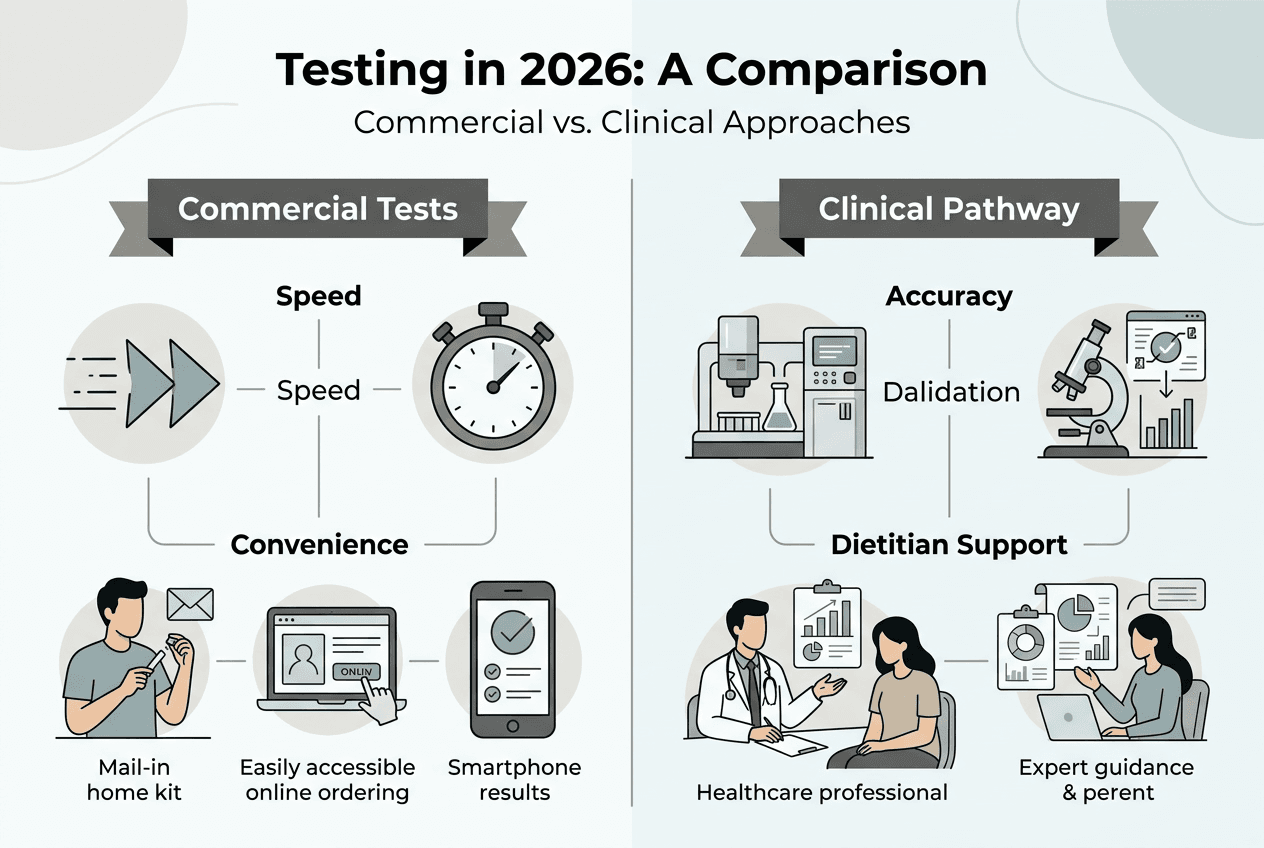
Pro Tip: If you’re considering a commercial test, research whether the company publishes peer-reviewed validation studies. Legitimate providers will transparently share scientific evidence supporting their methodology.
Before deciding on any testing approach, weigh these practical considerations. Commercial tests might serve as conversation starters with healthcare professionals, but they shouldn’t replace validated diagnostic methods. You’ll achieve better outcomes by investing in dietitian consultations rather than unproven tests. The future of intolerance testing UK may bring more reliable options, but today’s choices require careful evaluation.
Consult your GP or a registered dietitian before making significant dietary changes based on test results. They’ll help you interpret findings within the context of your complete health picture, preventing unnecessary restrictions whilst addressing genuine concerns. This collaborative approach protects your nutritional status whilst investigating potential food triggers systematically.
How to use intolerance tests wisely for better wellbeing
Approaching intolerance testing strategically maximises potential benefits whilst minimising risks. You’ll achieve better outcomes by integrating any testing into a comprehensive health improvement plan rather than treating test results as definitive diagnoses. This balanced approach acknowledges both the limitations of commercial tests and the genuine desire for answers driving your investigation.
Always combine test results with professional dietitian guidance. Schedule a consultation before ordering any test, discussing your symptoms, health history, and testing options. Your dietitian can help you interpret results critically, identifying which suggested eliminations merit investigation and which lack supporting evidence. They’ll ensure you maintain adequate nutrition throughout any elimination period, suggesting appropriate substitutes for restricted foods.
Maintain detailed symptom logs alongside any testing. Track not just digestive issues but also energy levels, skin condition, mood, sleep quality, and other wellbeing markers. This holistic monitoring reveals patterns that laboratory results miss. You might discover that symptoms correlate more strongly with stress, sleep deprivation, or meal timing than specific foods. Structured diets and symptom tracking often provide quality of life improvements, with or without test accuracy.
Avoid abrupt, widespread food restrictions based solely on test results. If a test suggests you react to 30 different foods, don’t eliminate them all simultaneously. Instead, work with your dietitian to prioritise the most likely culprits based on your symptoms. Remove one or two foods at a time, observing whether symptoms improve. This measured approach prevents nutritional deficiencies whilst gathering meaningful data about your body’s responses.
Recognise the psychological dimension of structured dietary interventions. Taking active steps to address health concerns often improves wellbeing regardless of specific dietary changes. You might feel better simply because you’re paying closer attention to food quality, eating more mindfully, or reducing processed foods. These benefits remain valuable even if the original test results prove inaccurate. Exploring comprehensive intolerance screening options helps you understand various approaches.
Practical strategies for wise test usage include:
- Schedule dietitian consultations before and after testing for professional interpretation
- Maintain comprehensive food and symptom diaries throughout your investigation
- Eliminate suspected foods gradually rather than simultaneously
- Focus on improving overall diet quality alongside specific eliminations
- Reassess dietary restrictions every three to six months with professional guidance
- Consider whether symptom improvements reflect genuine intolerances or broader lifestyle changes
Pro Tip: Set a specific timeframe for any elimination trial, typically four to six weeks. This prevents indefinite restrictions based on unconfirmed suspicions whilst giving adequate time to observe genuine improvements.
Regularly update your approach based on symptom changes and professional assessments. Food intolerances can evolve over time, with some improving whilst others emerge. Annual reviews with your dietitian ensure your dietary approach remains appropriate for your current health status. This ongoing relationship provides accountability and expertise, supporting sustainable wellbeing improvements rather than restrictive fad diets.
Remember that testing serves as one tool among many in your health toolkit. Blood tests, stool analysis, endoscopy, or other medical investigations might prove more relevant depending on your symptoms. Your GP can determine whether underlying conditions require investigation before attributing symptoms to food intolerances. This comprehensive medical approach ensures you address root causes rather than merely managing symptoms.
Explore trusted intolerance testing options at UK Food Intolerance
Having explored how to approach intolerance testing thoughtfully, you might wonder where to find reliable options that balance convenience with quality. UK Food Intolerance offers diverse intolerance tests designed for health-conscious UK adults seeking answers about potential dietary triggers. Their comprehensive screening panels analyse over 900 food and environmental items, providing broad coverage for those investigating multiple possible sensitivities.

Their testing process emphasises simplicity and speed. You collect a small hair sample at home, post it to their UK laboratory, and receive detailed digital reports within 48 to 72 hours. This rapid turnaround helps you begin investigating potential triggers quickly whilst maintaining the convenience of home testing. The full intolerance tests archive showcases their range, from focused panels to comprehensive screenings.
Beyond testing, the site provides resources for interpreting results and implementing findings sensibly. Their guidance on how a food intolerance test can matchmake your body with the right diet helps you translate test data into practical dietary adjustments. This educational approach supports informed decision-making rather than promoting unnecessary restrictions. Explore their options to find testing solutions that fit your health investigation needs whilst remembering to integrate results with professional dietitian guidance.
FAQ
What are food intolerance tests and how do they work?
Food intolerance tests analyse biological samples to identify potential reactions to specific foods or environmental substances. Common methods include measuring IgG antibodies in blood samples or using bioresonance technology with hair samples. These tests generate reports listing foods that supposedly trigger symptoms, though accuracy varies significantly between methodologies. Most commercial tests measure immune responses or electromagnetic frequencies, claiming these indicate problematic foods. However, the biological mechanisms they measure often don’t correlate reliably with actual intolerance symptoms.
Are intolerance tests reliable for diagnosing food issues?
Non-invasive intolerance tests are considered unreliable for diagnosis by NHS and NICE guidelines. Most commercial tests produce high rates of false positives, identifying foods as problematic when they cause no genuine symptoms. IgG antibody tests measure normal immune exposure rather than intolerance reactions, whilst bioresonance lacks scientific validation entirely. The NHS recommends dietitian-led elimination diets as the only reliable method for identifying true food intolerances. If you’re experiencing persistent symptoms, consult your GP rather than relying solely on commercial test results.
How can I safely identify my food intolerances at home?
Start by maintaining a detailed food and symptom diary for at least two weeks before making any dietary changes. Elimination and reintroduction diets supervised by professionals are safest and most effective. Work with a registered dietitian to design an appropriate elimination plan targeting your most likely triggers based on symptom patterns. Remove suspected foods for four to six weeks, then systematically reintroduce them one at a time whilst monitoring reactions. This intolerance testing at home guide provides structured steps. Never eliminate entire food groups without professional guidance, as this risks nutritional deficiencies.
What does the future hold for intolerance testing technologies?
Ongoing studies focus on mucosal biomarkers and improved diagnostic methods for food intolerance. Researchers investigate advanced immune profiling, microbiome analysis, and novel biomarkers that might accurately predict food reactions. Early trials show promise for specific patient populations, particularly those with irritable bowel syndrome. However, these emerging technologies remain in research phases, requiring extensive validation before clinical adoption. The future intolerance testing UK landscape may offer more reliable options within five to ten years, but current commercial tests haven’t achieved this standard. Until validated methods emerge, dietitian-supervised elimination diets remain the gold standard for accurate diagnosis.










Leave a Reply
Want to join the discussion?Feel free to contribute!