

Struggling with unexplained bloating or discomfort after meals can leave you searching for answers. Many health-conscious adults across the United Kingdom face similar digestive challenges, often wondering which foods might be at the root of their symptoms. By focusing on evidence-based steps for at-home food sensitivity testing and the STAR criteria recommended by the NHS, you can take meaningful action toward identifying dietary triggers and reclaiming your sense of well-being.
Table of Contents
- Step 1: Prepare For At-Home Food Sensitivity Testing
- Step 2: Collect And Submit Your Hair Sample For Analysis
- Step 3: Interpret Your Digital Intolerance Report
- Step 4: Implement An Elimination Diet Based On Results
- Step 5: Verify Improvements And Refine Your Food Choices
Quick Summary
| Key Insight | Explanation |
|---|---|
| 1. Maintain a detailed food diary | Document meals and symptoms for 2-3 weeks to identify dietary triggers effectively. |
| 2. Follow the STAR criteria | Use Symptoms, Timing, Allergen, and Reproducibility to analyse food sensitivity accurately. |
| 3. Collect hair samples properly | Adhere to sample collection guidelines to ensure reliable food sensitivity testing results. |
| 4. Understand your intolerance report | Focus on reaction intensity to guide dietary modifications and avoid self-diagnosis. |
| 5. Implement a structured elimination diet | Remove identified high-reactivity foods and monitor your symptoms for better health insights. |
Step 1: Prepare for at-home food sensitivity testing
Preparing for at-home food sensitivity testing requires strategic planning and careful documentation to ensure accurate results. Understanding the nuanced process helps you collect meaningful data about potential dietary triggers affecting your wellbeing.
Before beginning your testing journey, start by maintaining a comprehensive food and symptom diary for 2-3 weeks. This detailed record will help track potential reactions and provide critical information for interpreting test results. Your diary should include:
- Date and time of meals
- Specific foods consumed
- Any physical or emotional symptoms experienced
- Timing and severity of reactions
- Potential environmental factors
The NHS guidance on food allergies recommends collecting systematic information about your body’s responses. By documenting these details meticulously, you create a robust baseline for understanding potential sensitivities.
Precise symptom tracking transforms your at-home testing from a simple screening into a powerful diagnostic tool.
Your preparation also involves understanding the STAR criteria – Symptoms, Timing, Allergen, Reproducibility. This framework helps assess whether your experiences align with potential food sensitivities and guides more accurate testing interpretation.
Here’s how the STAR criteria support effective food sensitivity identification:
| STAR Principle | Description | Role in Testing Interpretation |
|---|---|---|
| Symptoms | Observable body reactions | Identifies possible triggers and patterns |
| Timing | When symptoms occur after eating | Links food intake to specific reactions |
| Allergen | Potential problematic foods | Focuses testing on suspect ingredients |
| Reproducibility | Consistency of reactions after exposures | Confirms genuine sensitivities vs. isolated incidents |
Preparatory Tip: Photograph your food diary entries and keep digital backups to ensure you have comprehensive records for potential future medical consultations.
Step 2: Collect and submit your hair sample for analysis
Collecting and submitting your hair sample accurately is crucial for obtaining reliable food sensitivity testing results. Understanding the proper collection technique ensures the integrity of your sample and increases the likelihood of precise diagnostic insights.
To collect your sample, you’ll need clean, sharp scissors and a sterile collection envelope provided in your testing kit. Clinical sample collection guidelines recommend following these specific steps:
- Select hair from the back of your head near the crown
- Choose an area with minimal styling product residue
- Cut a small section approximately 2-3 centimetres close to the scalp
- Ensure the hair root is attached for more comprehensive analysis
- Place the sample in the provided sterile envelope
Precise and careful sample collection transforms a simple hair snippet into a powerful diagnostic tool.
Pay special attention to maintaining sample hygiene and minimal contamination. Wash your hands thoroughly before handling the sample, and avoid touching the hair section directly. If possible, use clean tweezers or gloves to transfer the hair into the collection envelope.
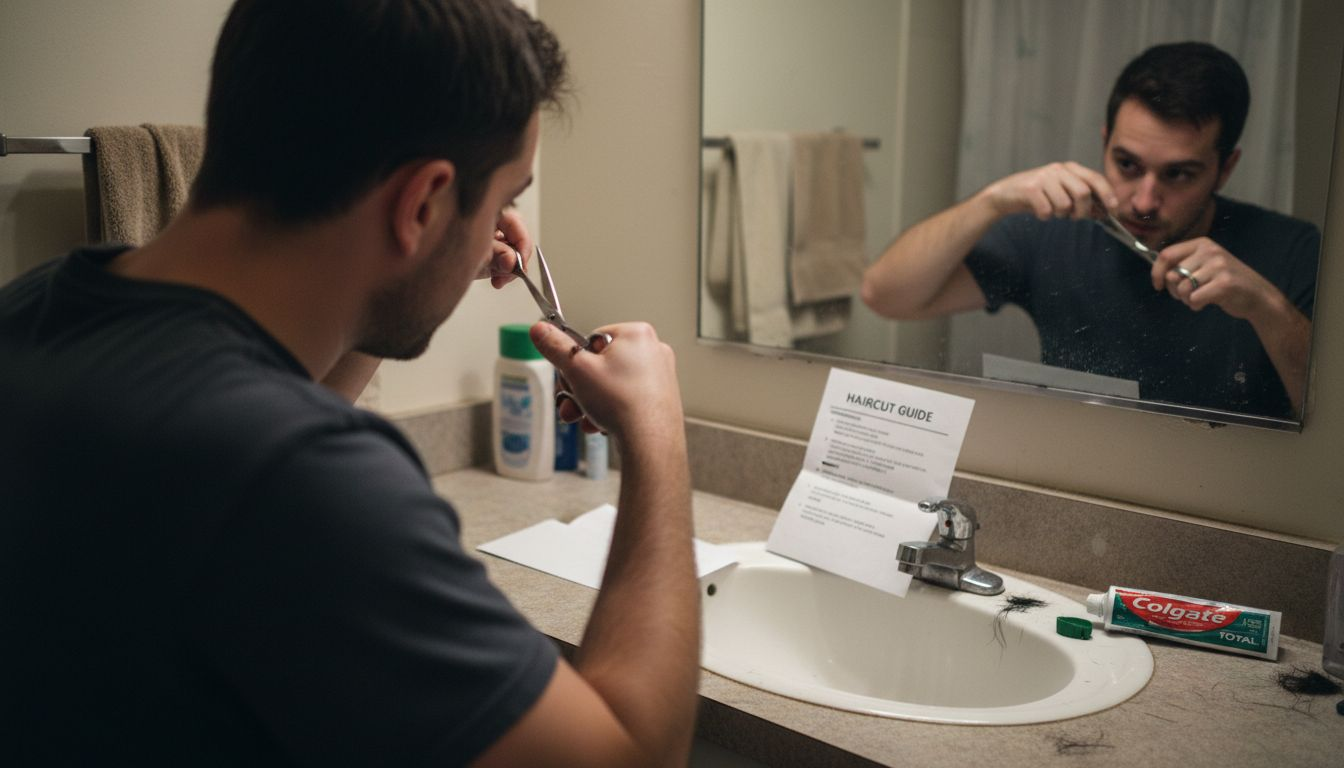
Once collected, complete the accompanying documentation, ensuring all personal details are accurate. Seal the envelope securely and prepare it for immediate posting to the designated laboratory.
Practical Advice: Take a clear photograph of your sample before submission as a personal record, which can be useful for future reference or potential follow-up testing.
Step 3: Interpret your digital intolerance report
Interpreting your digital intolerance report requires careful attention and a systematic approach to understanding potential food sensitivities. NHS guidance on food intolerance emphasises the importance of comprehensive analysis beyond simple test results.
Your digital report will typically include several key sections:
- Severity levels for different food triggers
- Categorisation of intolerance responses
- Detailed breakdown of potential reactive foods
- Recommended dietary modifications
- Graphical representation of sensitivity levels
Understanding your report is not about self-diagnosis, but about gaining insights into your body’s unique responses.
Pay close attention to the reaction intensity ratings for each identified food. These typically range from mild to severe and provide critical information about potential dietary adjustments. Look for:
- Foods with highest reactivity scores
- Unexpected trigger items
- Potential cross-reactive food groups
- Cumulative impact of multiple sensitivities
Remember that this report serves as a guidance tool, not a definitive medical diagnosis. The results should prompt further discussion with healthcare professionals who can provide personalised nutritional advice.
Practical Advice: Create a digital backup of your report and consider scheduling a consultation with a nutritionist to develop a comprehensive dietary strategy tailored to your specific test results.
Step 4: Implement an elimination diet based on results
Implementing an elimination diet requires strategic planning and careful tracking of your body’s responses to identified food sensitivities. NHS dietary guidance emphasises a structured and methodical approach to identifying potential trigger foods.
Your elimination diet strategy should focus on these core principles:
- Remove all foods identified as high-reactivity in your test results
- Maintain a detailed symptom tracking journal
- Replace eliminated foods with nutritionally equivalent alternatives
- Plan gradual, systematic food reintroduction
- Monitor your body’s responses carefully
An elimination diet is a journey of discovery, not a permanent restriction.
Begin by creating a comprehensive meal plan that excludes reactive foods while ensuring nutritional balance. This typically involves:
- Consulting a registered dietitian
- Selecting alternative protein sources
- Ensuring adequate vitamin and mineral intake
- Planning balanced, varied meals
Track your symptoms meticulously, recording any changes in energy levels, digestive comfort, and overall well-being. Each week, assess your progress and be prepared to make nuanced adjustments to your dietary approach.
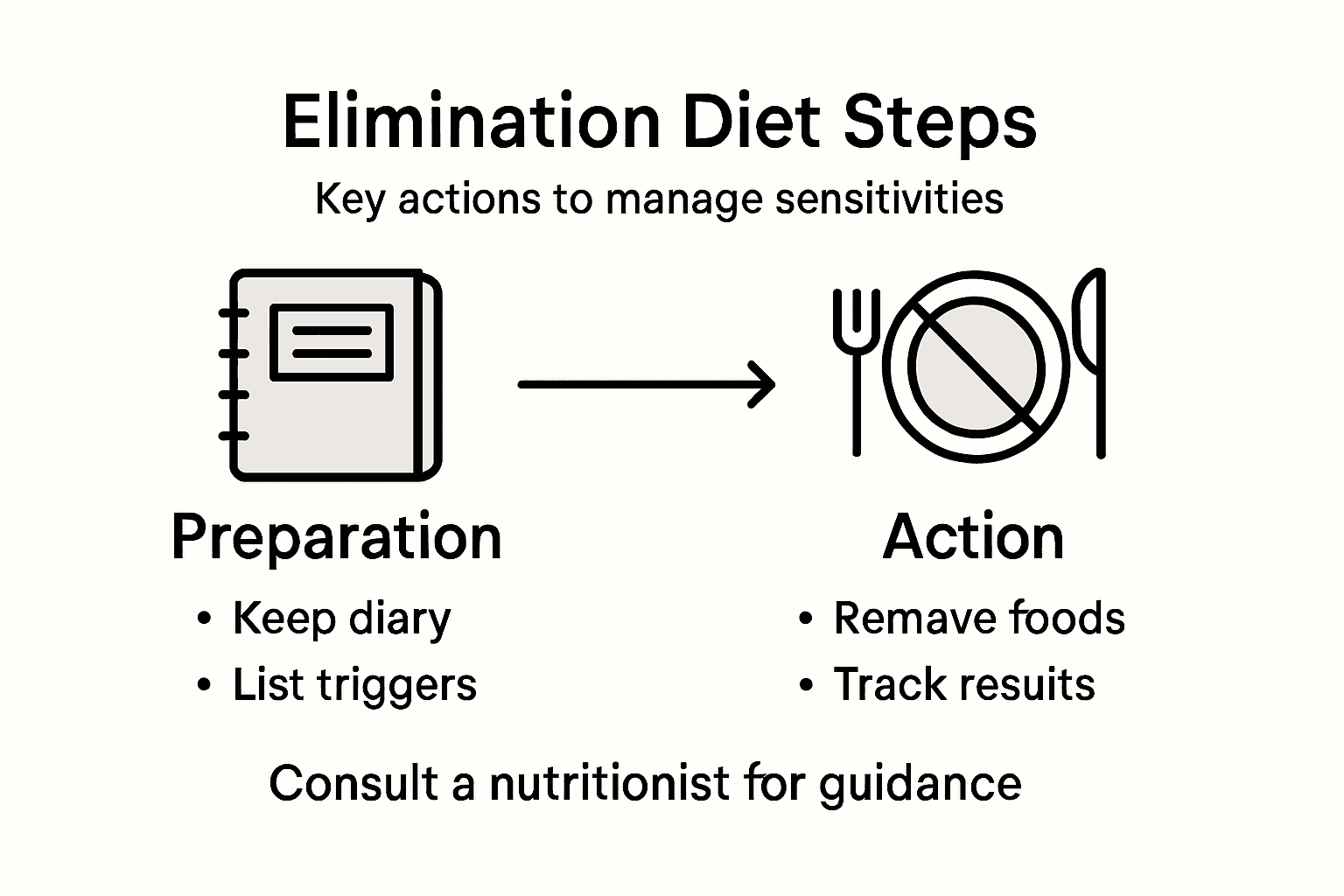
Practical Advice: Take photographs of your meals and symptom tracking journal to create a visual record that can help healthcare professionals understand your elimination diet journey.
Step 5: Verify improvements and refine your food choices
Verifying your dietary changes requires systematic observation and thoughtful analysis of how your body responds to the elimination diet. Food Standards Agency research supports a structured approach to tracking improvements in food hypersensitivities.
To effectively verify your progress, implement these key tracking strategies:
- Record detailed daily symptom changes
- Note energy levels and overall well-being
- Track digestive comfort and physical responses
- Quantify improvements using a consistent scoring system
- Document any unexpected reactions or changes
Small, consistent observations reveal the most significant health insights.
Your verification process should involve:
- Comparing pre-elimination and current symptom logs
- Consulting with a healthcare professional
- Gradually reintroducing low-reactivity foods
- Assessing individual food impacts systematically
- Adjusting your diet based on empirical evidence
Remember that refinement is an ongoing journey. Your initial elimination diet is not a final destination but a flexible framework for understanding your body’s unique nutritional needs.
Compare the main approaches to verifying improvements during an elimination diet:
| Approach | Methodology | Benefits | Limitations |
|---|---|---|---|
| Symptom Log Comparison | Track before-and-after experiences | Clarifies progress over time | Subjective interpretations |
| Healthcare Consultation | Professional dietary review | Ensures medical accuracy | Access and time required |
| Gradual Food Reintroduction | Slow testing of eliminated foods | Pinpoints specific sensitivities | May take several weeks |
Practical Advice: Create a digital spreadsheet to track your symptoms, making it easier to share comprehensive data with healthcare professionals and identify subtle pattern changes.
Take Control of Your Food Sensitivities with Expert At-Home Testing
Managing food sensitivities naturally can feel overwhelming without clear insights into your body’s reactions. This article highlights the complexities of preparing, testing, and interpreting food intolerance data using approaches like the STAR criteria and elimination diets. If you are struggling with unexplained symptoms or digestive discomfort, pinpointing problem foods is essential to regain your wellbeing and reduce inflammation.
Discover how UK Food Intolerance offers a straightforward, non-invasive solution through advanced bio-resonance technology. Our Food Sensitivities Archives – UK Food Intolerance provide valuable resources to guide you through every step from hair sample collection to detailed digital reports. We make it easy to identify your unique triggers quickly and affordably with our comprehensive tests.
Ready to move beyond uncertainty and restore balance to your health? Visit https://ukfoodintolerance.co.uk today to order your at-home test kit and start your personalised journey towards a symptom-free life with expert support every step of the way.
Frequently Asked Questions
How can I prepare for at-home food sensitivity testing?
To prepare for at-home food sensitivity testing, maintain a detailed food and symptom diary for 2-3 weeks. Track your meals, symptoms, and any environmental factors to create a robust baseline for understanding potential sensitivities.
What should I do when collecting my hair sample for analysis?
When collecting your hair sample, ensure you take hair from the back of your head near the crown, cutting a small section close to the scalp with clean scissors. This helps maintain sample integrity for accurate analysis.
How do I interpret my digital intolerance report?
To interpret your digital intolerance report, focus on the severity levels and specific food triggers listed in the document. Look for foods with high reactivity scores to adjust your diet effectively and consult a healthcare professional for personalised advice.
What are the key principles of an elimination diet?
The key principles of an elimination diet include removing high-reactivity foods identified in your test results and replacing them with nutritionally equivalent alternatives. Document your symptoms closely and plan for gradual reintroduction of foods while monitoring your body’s responses.
How can I verify improvements from my dietary changes?
To verify improvements from your dietary changes, meticulously track your daily symptoms and energy levels. Compare your current logs to pre-elimination records, and consider reintroducing low-reactivity foods to systematically assess their impact on your health.









Leave a Reply
Want to join the discussion?Feel free to contribute!