

Unexplained bloating, nagging tummy pain, or low energy can feel like a daily puzzle for many health-conscious adults in the United Kingdom. Distinguishing between a simple digestive upset and a persistent food sensitivity is often confusing, especially with widespread misconceptions about allergies and intolerances. By understanding the difference between these conditions and learning about non-invasive methods such as elimination diets and symptom tracking, you can take the first step towards a calmer gut and improved wellbeing.
Table of Contents
- Food Sensitivity Defined And Common Misconceptions
- Major Types And Symptoms In The UK
- How Non-Invasive Testing Identifies Triggers
- Impact Of Monitoring On Wellbeing And Diet
- Risks Of Ignoring Food Sensitivities
- Alternatives To Sensitivity Monitoring
Key Takeaways
| Point | Details |
|---|---|
| Understanding Food Sensitivity | Food sensitivity involves delayed digestive discomfort or inflammation without an immune attack, differing fundamentally from food allergies. |
| Diagnostic Complexity | Identifying food sensitivities requires thorough medical assessment and the potential use of specialised testing techniques. |
| Monitoring and Management | Systematic monitoring of food sensitivities through food diaries and elimination diets can enhance wellbeing and result in proactive health management. |
| Risks of Ignoring Symptoms | Neglecting food sensitivities can lead to chronic health issues, including gastrointestinal damage and compromised immune function. |
Food sensitivity defined and common misconceptions
Understanding food sensitivity requires distinguishing between complex physiological responses that impact individual health. Food sensitivity represents a nuanced bodily reaction where certain foods trigger digestive discomfort or inflammatory responses without generating a full immune system attack.
The UK Food Standards Agency recognizes that food sensitivities differ fundamentally from traditional allergic reactions. Unlike immediate allergic responses, food sensitivities often produce delayed symptoms that can manifest hours or even days after consuming problematic foods.
Key characteristics of food sensitivities include:
- Gradual symptom development
- Varied individual physiological responses
- Non-life-threatening inflammatory reactions
- Complex digestive system interactions
- Potential links to broader metabolic processes
Common misconceptions frequently emerge around food sensitivities. Many people mistakenly believe these reactions are identical to food allergies, which involve immediate immune system responses. In reality, NHS guidelines clarify that food intolerances represent digestive system challenges rather than immune-mediated events.
Most individuals experiencing food sensitivities encounter symptoms like:
- Bloating and stomach discomfort
- Unexplained fatigue
- Skin irritations
- Mild digestive disruptions
- Intermittent headaches
Diagnostic complexity means that identifying specific food sensitivities requires careful medical assessment and potentially specialised testing. Professional guidance helps distinguish between transient digestive issues and more persistent inflammatory responses.
Pro tip: Keep a detailed food diary tracking symptoms and potential trigger foods to help healthcare professionals accurately diagnose potential sensitivities.
Major types and symptoms in the UK
Food sensitivities in the United Kingdom represent a complex spectrum of physiological responses affecting millions of individuals. NHS research highlights three primary categories of food sensitivity: food allergies, food intolerances, and autoimmune reactions, each with distinct characteristics and potential health implications.
Food allergies represent the most immediate and potentially dangerous form of food sensitivity. These immune-mediated reactions can trigger rapid responses including:
- Skin hives and rashes
- Swelling of facial features
- Respiratory difficulties
- Potential anaphylactic shock
- Immediate immune system activation
Food intolerances, by contrast, produce more subtle and delayed symptoms. These digestive system challenges typically manifest through:
- Bloating and stomach discomfort
- Intermittent diarrhoea
- Unexplained fatigue
- Mild skin irritations
- Gradual digestive disruptions
Autoimmune reactions like coeliac disease represent a more complex category of food sensitivity. Research from disability health experts indicates these conditions can cause significant long-term health complications, including gut lining damage and chronic nutrient deficiencies.

Statistically, food sensitivities affect between 1% to 20% of the United Kingdom’s population, with variations depending on specific diagnostic criteria and individual genetic predispositions. Understanding these nuanced reactions requires careful medical assessment and personalised nutritional strategies.
Here’s a comparison of major food sensitivity types commonly seen in the UK:
| Sensitivity Type | Main Mechanism | Typical Timescale | Professional Intervention Needed |
|---|---|---|---|
| Allergy | Immune system activation | Immediate (minutes-hours) | Always recommended |
| Intolerance | Digestive system challenge | Delayed (hours-days) | Often helpful |
| Autoimmune reaction | Immune attacks body tissues | Persistent (chronic) | Essential |
Pro tip: Consult a registered nutritionist or allergist to conduct comprehensive testing and develop a tailored dietary management plan for your specific food sensitivity.
How non-invasive testing identifies triggers
Non-invasive testing offers a sophisticated approach to uncovering potential food sensitivity triggers without requiring invasive medical procedures. NHS diagnostic guidelines emphasise the importance of careful observation and systematic investigation to identify individual dietary challenges.
The primary non-invasive methods for identifying food sensitivity triggers include:
- Comprehensive symptom tracking
- Detailed dietary history analysis
- Structured elimination diet protocols
- Symptom reintroduction assessments
- Specialised bioresonance testing techniques
Elimination diets represent a foundational non-invasive strategy for understanding individual food reactions. This methodical approach involves systematically removing suspected trigger foods and carefully monitoring physiological responses. Patients progressively eliminate potential problem foods, then strategically reintroduce them to observe specific bodily reactions.
Advanced non-invasive testing techniques go beyond traditional methods. Clinical research recommendations highlight alternative approaches that provide comprehensive insights without invasive interventions:
- Detailed medical history compilation
- Systematic symptom documentation
- Professional nutritional consultations
- Specialised sensitivity screening
- Personalised dietary assessment
Importantly, healthcare professionals caution against relying exclusively on unverified testing methods. Comprehensive diagnosis requires a holistic approach combining multiple assessment techniques, professional expertise, and individual symptom tracking.
To help navigate non-invasive testing options, see the summary below:
| Method | How It Works | Best For |
|---|---|---|
| Elimination diet | Gradual removal and reintroduction of foods | Identifying trigger foods |
| Symptom diary | Tracking signs after meals | Observing patterns |
| Nutritional consultation | Direct assessment with a nutrition expert | Personalised advice |
Non-invasive testing empowers individuals to understand their unique physiological responses without unnecessary medical interventions.
Pro tip: Maintain a detailed food and symptom diary for at least four weeks before consulting a nutrition specialist to provide comprehensive insights into your potential food sensitivities.
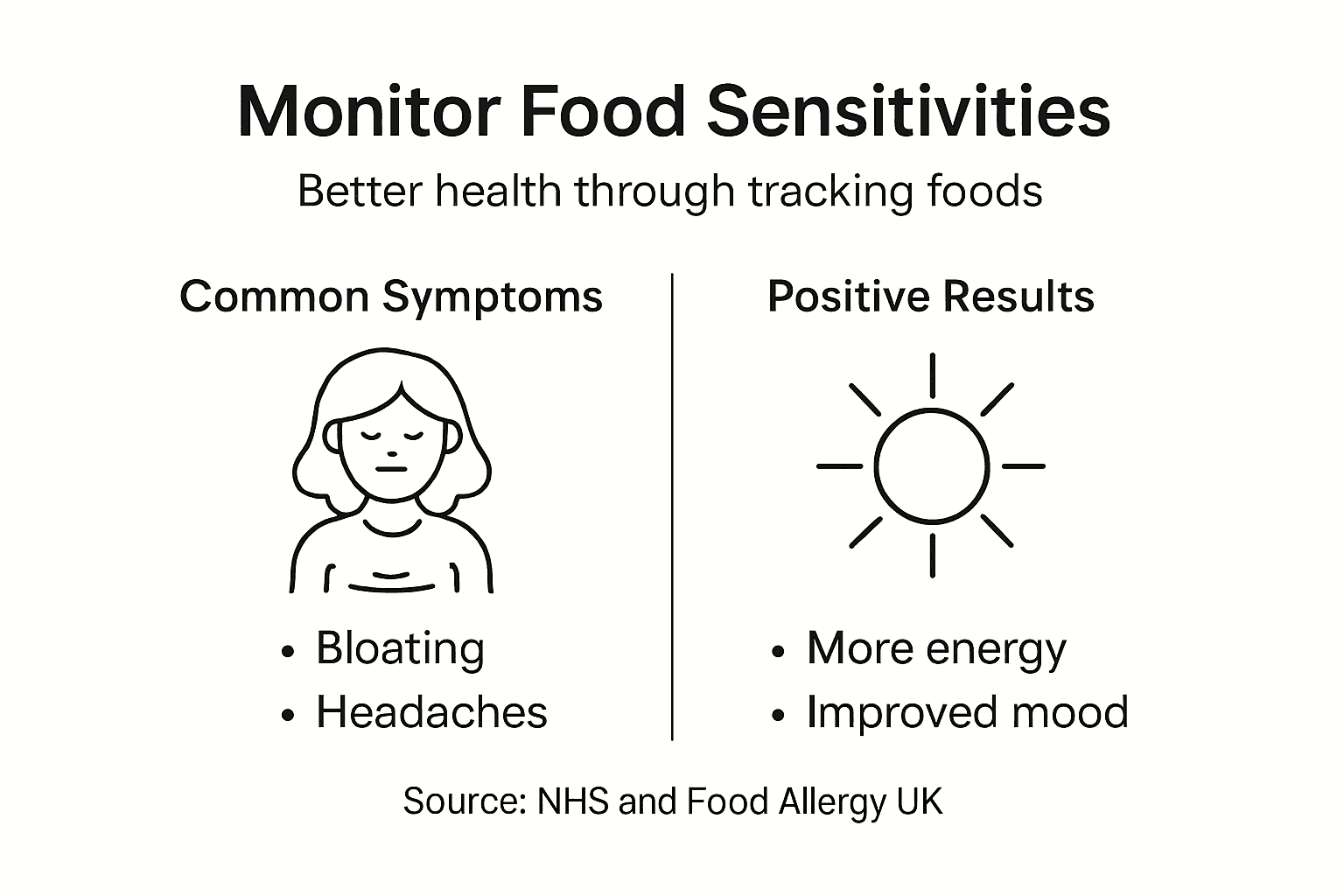
Impact of monitoring on wellbeing and diet
Food sensitivity monitoring represents a transformative approach to understanding individual health dynamics. NHS dietary management research demonstrates that systematic tracking of dietary reactions can significantly improve overall wellbeing and quality of life.
The comprehensive impact of monitoring food sensitivities extends across multiple dimensions of personal health:
- Reduction of chronic inflammatory responses
- Enhanced digestive system functionality
- Improved energy levels and mental clarity
- Targeted nutritional management
- Personalised dietary strategy development
By meticulously tracking physiological responses, individuals can develop a nuanced understanding of their body’s unique dietary requirements. Elimination and reintroduction protocols enable precise identification of trigger foods, allowing for strategic dietary modifications that support optimal health.
Nutritional research highlights the profound connection between food sensitivity monitoring and broader health outcomes. Advanced tracking techniques can mitigate systemic inflammation, potentially reducing risks associated with:
- Chronic gastrointestinal disorders
- Autoimmune condition progression
- Mental health fluctuations
- Persistent fatigue syndromes
- Unexplained metabolic disruptions
Systematic food sensitivity monitoring transforms dietary management from a reactive to a proactive health strategy.
Pro tip: Collaborate with a registered nutritionist to develop a comprehensive, personalised monitoring strategy that integrates detailed symptom tracking with professional dietary guidance.
Risks of ignoring food sensitivities
Unaddressed food sensitivities can create profound and potentially devastating health consequences. NHS health research reveals that persistent exposure to trigger foods can generate complex physiological challenges extending far beyond momentary digestive discomfort.
The potential risks of neglecting food sensitivities encompass multiple critical health domains:
- Chronic inflammatory responses
- Compromised immune system functionality
- Progressive nutritional deficiencies
- Increased autoimmune disorder risks
- Long-term gastrointestinal damage
Immediate health implications include a range of distressing symptoms that progressively undermine individual wellbeing. Persistent gastrointestinal challenges can manifest as:
- Recurring abdominal pain
- Consistent bloating
- Unexplained weight fluctuations
- Chronic fatigue
- Diminished nutrient absorption
Disability health experts highlight the severe long-term consequences of unmanaged food sensitivities. Untreated conditions can potentially trigger more complex health complications such as:
- Neurological disruptions
- Fertility challenges
- Persistent metabolic imbalances
- Increased psychological stress
- Compromised overall immune resilience
Ignoring food sensitivities transforms temporary discomfort into potential chronic health challenges.
Pro tip: Maintain a comprehensive health journal documenting dietary intake and corresponding physiological responses to facilitate early detection and professional intervention.
Alternatives to sensitivity monitoring
Food sensitivity management requires a nuanced approach beyond traditional testing methods. Food Standards Agency guidance highlights several practical alternatives for individuals seeking to understand and manage their dietary triggers.
Alternative strategies for managing food sensitivities include:
- Detailed food diary tracking
- Systematic elimination diet protocols
- Professional nutritional consultations
- Careful food labelling investigation
- Symptom-based dietary modifications
Dietary elimination approaches offer a structured method for identifying potential food sensitivities without extensive medical testing. This strategy involves:
- Removing suspected trigger foods
- Monitoring symptom changes
- Systematically reintroducing foods
- Documenting physiological responses
- Consulting healthcare professionals
NHS health recommendations emphasise the importance of personalised, conservative management techniques. Alternative methods provide individuals with flexible options for understanding their unique dietary challenges without invasive procedures:
- Supervised oral food challenges
- Nutritionist-guided dietary assessments
- Medication-supported symptom management
- Targeted dietary education
- Comprehensive lifestyle modifications
Conservative approaches empower individuals to take control of their dietary health with minimal medical intervention.
Pro tip: Work closely with a registered dietitian to develop a personalised, systematic approach to identifying and managing potential food sensitivities.
Take Control of Your Wellbeing by Monitoring Food Sensitivities Today
If you are facing unexplained digestive discomfort, fatigue or skin irritations as discussed in this article, you are not alone. These persistent symptoms could be your body signalling the presence of hidden food sensitivities or inflammatory triggers. Understanding these subtle reactions can transform your health journey and lead to lasting improvements in energy and comfort.

Take the first proactive step by exploring reliable solutions with UK Food Intolerance. Our non-invasive at-home testing service uses advanced bio-resonance technology to identify potential food and environmental sensitivities swiftly and affordably. Whether you choose the comprehensive Ultimate Single Intolerance Test or the focused Core Single Intolerance Test, you will receive clear digital reports within days allowing you to personalise your diet and reduce chronic symptoms. For valuable insights to support your digestive health, visit our Digestive Health Archives – UK Food Intolerance and learn how monitoring can improve your life. Start your journey towards a better you now at https://ukfoodintolerance.co.uk and embrace a healthier future today.
Frequently Asked Questions
What are food sensitivities?
Food sensitivities are complex physiological reactions where certain foods cause digestive discomfort or inflammatory responses, differing from immediate food allergies as they often produce delayed symptoms.
How can I identify my food sensitivities?
Identifying food sensitivities typically involves systematic methods like maintaining a symptom diary, conducting elimination diets, or consulting with healthcare professionals for comprehensive assessment and personalized testing.
What are the risks of ignoring food sensitivities?
Ignoring food sensitivities can lead to chronic inflammation, nutritional deficiencies, compromised immune function, and long-term gastrointestinal damage, which may severely impact overall health and wellbeing.
How can monitoring food sensitivities improve my health?
Monitoring food sensitivities allows individuals to understand their unique dietary responses, reduces chronic inflammatory reactions, enhances digestive functionality, and helps develop personalised dietary strategies for better overall health.










Leave a Reply
Want to join the discussion?Feel free to contribute!