
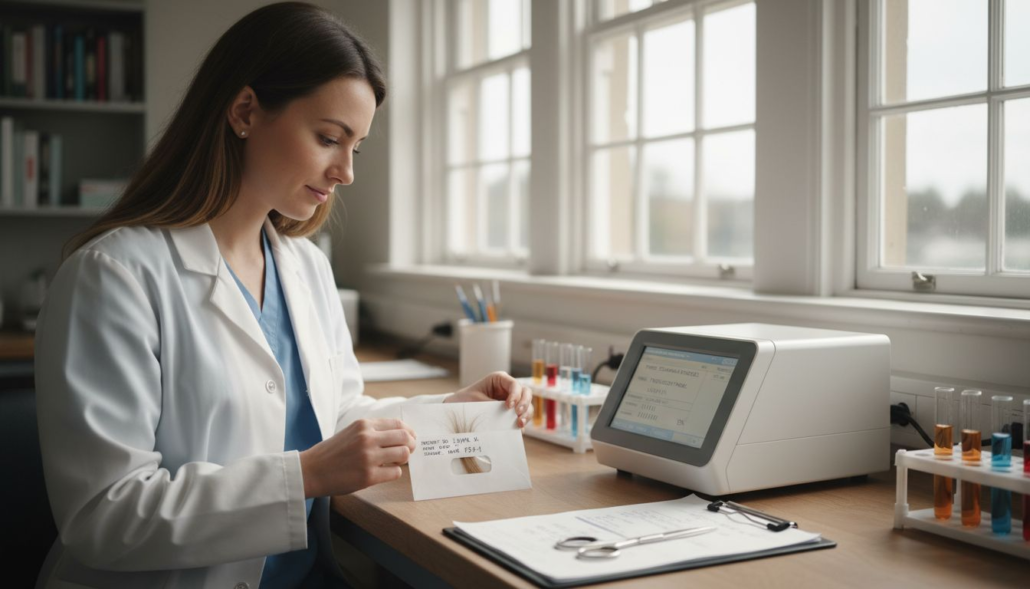
Digestive discomfort can leave even the most health-conscious British adults searching for answers. With over 1,100 possible triggers identified in advanced intolerance tests, it’s surprising how many sensitivities go undetected by traditional methods. Non-invasive hair sample testing offers a fresh approach, promising to uncover hidden food intolerances without needles or clinic visits. Discover how this innovative technique could change your path to feeling better and help you regain control of your wellbeing.
Table of Contents
- How Hair Samples Detect Intolerances
- The Science Behind Bio-Resonance Testing
- Comparing Hair Analysis Versus Blood Or Skin Tests
- Benefits Of At-Home Hair Sample Collection
- Accuracy, Limitations, And Common Misconceptions
Key Takeaways
| Point | Details |
|---|---|
| Hair analysis offers non-invasive testing | Hair samples provide a unique method to detect potential food intolerances through bioresonance technology without clinical procedures. |
| Scientific reliability concerns | Hair analysis lacks robust validation compared to blood and skin tests, which measure direct immune responses. |
| Home collection benefits | At-home collection of hair samples is convenient, non-invasive, and allows individuals to gather insights without scheduling medical appointments. |
| Consult professionals for accuracy | It’s crucial to consult healthcare professionals for interpreting results and to determine appropriate testing methods for health concerns. |
How Hair Samples Detect Intolerances
Hair samples offer a unique and non-invasive method for detecting potential food intolerances through sophisticated bioresonance technology. Unlike traditional blood or skin prick tests, hair analysis provides comprehensive insights into your body’s potential sensitivity reactions by examining deeply embedded metabolic information within each strand.
The process of hair intolerance testing involves carefully collecting small hair samples that contain intricate bioelectric signals reflecting your body’s internal biochemical responses. These signals can reveal subtle electromagnetic frequencies associated with specific food items or environmental substances. By analysing these frequencies, specialists can identify potential inflammatory or immune system reactions that might not be immediately apparent through conventional diagnostic methods.
During the testing process, technicians use advanced scanning techniques to map these subtle energy patterns within your hair samples. The Ultimate Intolerance Test can analyse over 1,100 potential triggers, examining everything from common food groups to environmental allergens. This comprehensive approach allows for a nuanced understanding of potential sensitivities that might be contributing to unexplained symptoms like digestive discomfort, skin irritations, or persistent fatigue.
Pro tip: Collect hair samples from the root area near the scalp for the most accurate and comprehensive testing results.
The Science Behind Bio-Resonance Testing
Bio-resonance testing represents an innovative approach to understanding potential health sensitivities by examining the electromagnetic frequencies emitted by biological samples. Scientific methodology in bio-resonance involves screening cellular information through subtle energy patterns that may indicate potential reactive responses within the human body.
The fundamental principle of bio-resonance technology revolves around the concept that every substance, including food items and environmental triggers, generates a unique electromagnetic frequency. When these frequencies interact with human biological systems, they can potentially produce measurable energy signals that suggest potential inflammatory or immune system reactions. Technicians analyse these intricate energy patterns to identify potential sensitivities that might not be detectable through conventional diagnostic methods.
While bio-resonance testing remains a controversial diagnostic approach, proponents argue that it offers a non-invasive method for detecting subtle physiological responses. The bio-resonance testing methodology utilises advanced scanning techniques to interpret these delicate electromagnetic signals, providing insights into potential food intolerances and environmental sensitivities that could be contributing to unexplained health symptoms.
Pro tip: Consult with healthcare professionals to understand how bio-resonance testing might complement traditional diagnostic approaches for a comprehensive health assessment.
Comparing Hair Analysis Versus Blood or Skin Tests
Food sensitivity testing methodologies vary significantly, with blood tests, skin prick tests, and hair analysis offering different approaches to identifying potential health reactions. Medical professionals recommend caution when considering alternative testing methods, particularly hair analysis, which lacks substantial scientific validation.

Traditional diagnostic approaches like blood and skin prick tests provide more scientifically robust insights into immune system responses. Blood tests measure specific immunoglobulin G (IgG) antibodies, while skin prick tests detect immediate allergic reactions through immunoglobulin E (IgE) markers. These methods offer clear, measurable immunological indicators of potential sensitivities, unlike hair analysis, which relies on less understood bioresonance techniques.
Hair testing accuracy remains controversial in the medical community. While proponents argue for its non-invasive nature, scientific consensus suggests that hair samples primarily provide information about mineral content and historical drug exposure rather than current immune responses. The lack of standardised methodology and reproducible results makes hair analysis less reliable for diagnosing food intolerances compared to conventional medical testing.
Here is a comparison of key features and limitations across major food sensitivity testing methods:
| Testing Method | Type of Sample Required | Main Diagnostic Capability | Scientific Reliability |
|---|---|---|---|
| Hair Analysis | Hair strands | Detects bioresonance frequencies | Controversial, low consensus |
| Blood Test | Blood sample | IgG/IgE antibody measurement | Broad scientific support |
| Skin Prick | Skin, allergen exposure | Immediate allergic reactions | Widely validated method |
Pro tip: Consult with a registered nutritionist or allergist to determine the most appropriate testing method for your specific health concerns and symptoms.
Benefits of At-Home Hair Sample Collection
At-home hair sample testing offers a convenient and non-invasive approach to understanding potential health sensitivities without the need for clinical appointments or blood draws. The Ultimate Intolerance Test provides individuals with a straightforward method of collecting biological samples from the comfort of their own homes, eliminating the stress and time constraints associated with traditional medical testing.

The primary advantages of hair sample collection include minimal discomfort, ease of use, and accessibility. Unlike blood tests that require needles or skin prick tests involving multiple allergen exposures, hair sampling involves simply cutting a small section of hair from the root area. This method allows individuals to gather potentially meaningful health insights without experiencing physical discomfort or scheduling complex medical appointments, making it particularly appealing for those with busy lifestyles or limited access to specialised healthcare facilities.
Moreover, at-home hair sample testing provides a sense of privacy and convenience that traditional diagnostic methods cannot match. Individuals can collect their samples at a time that suits them, follow clear instructions provided in the testing kit, and submit their samples without multiple clinic visits. The process empowers individuals to take a proactive approach to understanding their potential health sensitivities, offering a preliminary screening option that can guide further medical consultation if needed.
Here is a summary of the advantages of at-home hair sample collection for food intolerance investigations:
| Advantage | Description | Suitable For |
|---|---|---|
| Non-invasive | No needles or skin breaks required | Children, needle-averse |
| Simple procedure | Cut a small hair section at root | Busy individuals |
| Collection privacy | Sample taken privately at home | Those valuing discretion |
| Flexible timing | Can collect sample whenever convenient | Shift workers, travellers |
Pro tip: Ensure you follow the collection instructions precisely, using clean scissors and collecting hair from the root area for the most accurate testing results.
Accuracy, Limitations, and Common Misconceptions
Food intolerance testing through hair samples presents significant challenges in scientific reliability and diagnostic accuracy. Many individuals mistakenly believe that hair analysis provides comprehensive insights into food sensitivities, when in reality, these tests often produce unreliable and potentially misleading results.
The primary limitation of hair sample testing lies in its inability to measure direct immune system responses. Unlike blood tests that can detect specific antibodies, hair analysis relies on bioresonance techniques that lack robust scientific validation. Professional medical organisations consistently caution against using such alternative testing methods as definitive diagnostic tools, highlighting the risk of false positives that could lead to unnecessary dietary restrictions and potential nutritional imbalances.
Common misconceptions surrounding hair intolerance testing often stem from a desire for simple, non-invasive health solutions. Consumers may incorrectly assume that these tests provide comprehensive health insights, when in fact, they cannot accurately diagnose complex immune responses or true food intolerances. The absence of standardised methodologies and reproducible scientific evidence means that individuals risk making significant dietary changes based on potentially inaccurate or unsubstantiated test results.
Pro tip: Always consult with a registered nutritionist or allergist to interpret any intolerance test results and develop a balanced approach to managing potential food sensitivities.
Discover the Benefits of At-Home Hair Sample Testing for Your Digestive Health
If you are struggling with unexplained symptoms like digestive discomfort or persistent fatigue, understanding potential intolerances is key. This article highlights how hair samples can detect subtle bioresonance frequencies to identify food sensitivities, a non-invasive method designed for convenience and privacy. UK Food Intolerance offers expert guidance and trusted testing options to empower your health journey.
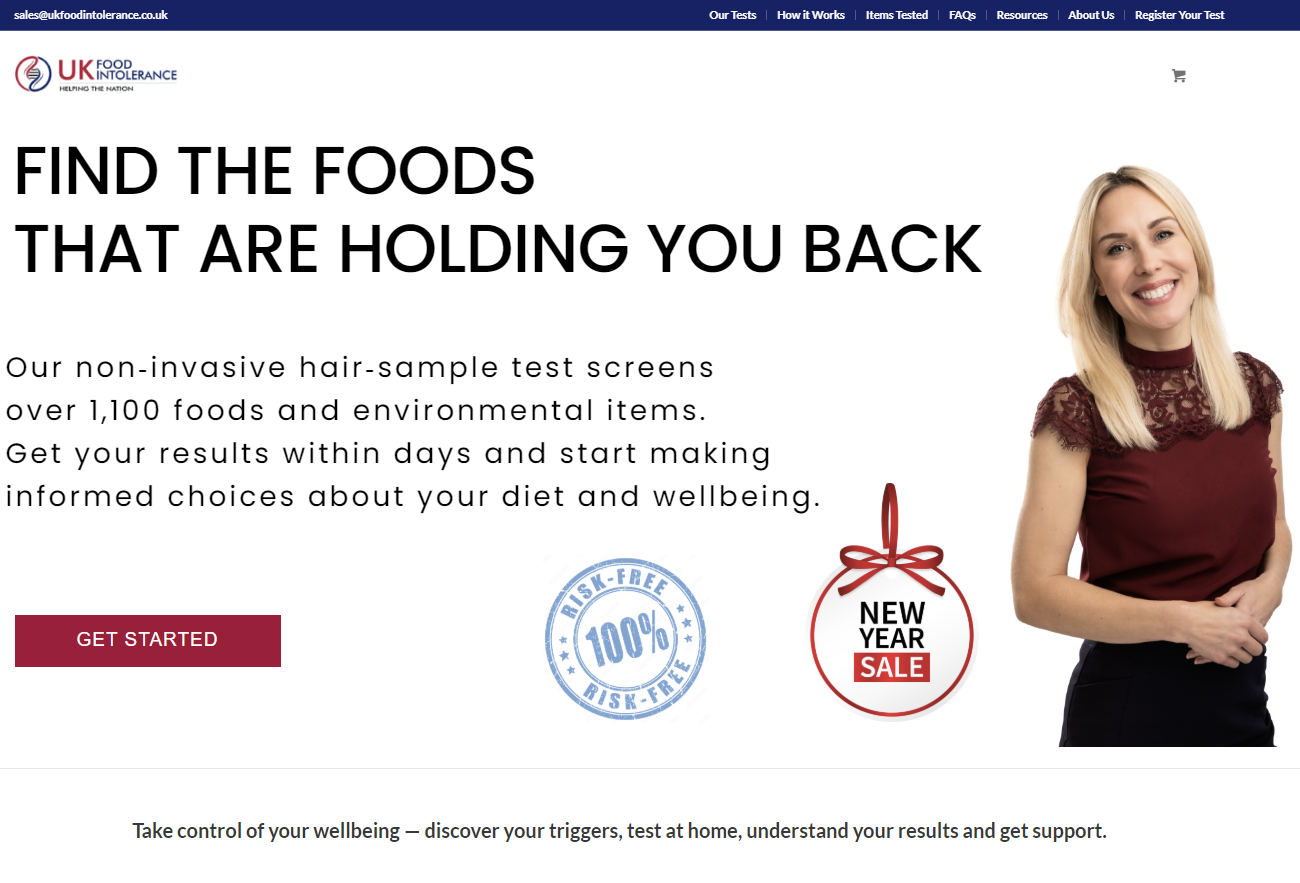
Take control of your wellbeing today with the Ultimate Single Intolerance Test. Collect your hair sample effortlessly at home and receive detailed results within 72 hours. For more insights on managing digestive issues, explore our Digestive Health Archives – UK Food Intolerance or learn about specific triggers such as Egg Intolerance – Symptoms, Allergy Difference & How to Test. Start your personalised testing now at UK Food Intolerance and take the next step towards a healthier you.
Frequently Asked Questions
What is hair sample testing for food intolerances?
Hair sample testing is a non-invasive method that uses bioresonance technology to detect potential food intolerances by analysing the biological signals within hair strands. This process can identify subtle immune system reactions to various food items and environmental substances.
How does hair analysis differ from blood or skin tests?
Hair analysis relies on bioresonance techniques and examines electromagnetic frequencies emitted by hair samples. In contrast, blood tests specifically measure immunoglobulin G (IgG) and IgE antibodies, while skin tests detect immediate allergic reactions, offering more reliable scientific insights into immune responses.
What are the benefits of collecting hair samples at home?
At-home hair sample collection is convenient, non-invasive, and allows individuals to gather potential health insights without clinical visits or discomfort. It offers flexibility for timing, privacy, and ease of use, making it suitable for busy or needle-averse individuals.
What are the limitations of hair sample testing for food intolerances?
Hair sample testing has significant limitations, including the inability to measure direct immune responses and a lack of robust scientific validation. Results can be misleading, as the methodology does not reliably diagnose food intolerances compared to established blood or skin tests.









Leave a Reply
Want to join the discussion?Feel free to contribute!