

Unexpected bloating or persistent discomfort leaves many British adults searching for answers beyond standard meal planning. With studies showing that up to 1 in 5 people in the United Kingdom experience food sensitivities, finding effective and non-invasive testing is more important than ever. Discover how advanced intolerance testing methods can shed light on hidden triggers and help you regain control over your diet without the guesswork.
Table of Contents
- Defining Comprehensive Intolerance Testing Methods
- Key Differences: Food Vs Environmental Triggers
- How Bio-Resonance Intolerance Testing Works
- Common Myths About Intolerance Tests Debunked
- Practical Outcomes and Result Interpretation
Key Takeaways
| Point | Details |
|---|---|
| Comprehensive Intolerance Testing | Utilises advanced methodologies to provide personalised insights into food and environmental sensitivities. |
| Bio-Resonance Testing | A non-invasive technique that measures electromagnetic frequencies to identify potential triggers. |
| Misconceptions About Tests | Not all intolerance tests are scientifically validated; seek professional guidance for interpretation and dietary management. |
| Practical Interpretation | Test results should inform gradual dietary modifications rather than immediate restrictions, emphasising collaboration with healthcare professionals. |
Defining Comprehensive Intolerance Testing Methods
Comprehensive intolerance testing represents a sophisticated diagnostic approach designed to uncover detailed insights into an individual’s potential food and environmental sensitivities. Modern testing methods utilise advanced technologies that move far beyond traditional elimination diets or basic allergy screenings. These advanced techniques aim to provide individuals with precise, personalised information about substances that might trigger physiological responses.
Clinical approaches to comprehensive intolerance testing typically involve non-invasive methodologies that can detect reactions across multiple categories of potential triggers. Comprehensive testing protocols often examine reactions to foods, beverages, additives, and even household products. The process is designed to be inclusive, suitable for individuals of all ages, including children, and provides a systematic approach to identifying potential inflammatory or sensitivity responses.
The core methodology behind comprehensive intolerance testing typically involves analysing biological responses through techniques like bioresonance technology. These methods assess how specific substances interact with an individual’s unique physiological systems, mapping potential trigger points that might contribute to symptoms such as digestive discomfort, inflammation, skin conditions, or unexplained fatigue. By providing a detailed report of potential sensitivities, these tests empower individuals to make informed dietary and lifestyle modifications.
Pro tip: Before undertaking any comprehensive intolerance test, consult with a healthcare professional to interpret results and develop a personalised management strategy tailored to your specific health needs.
Key Differences: Food Vs Environmental Triggers
Understanding the nuanced landscape of food and environmental triggers requires recognising the complex ways different substances can impact human physiology. While both food and environmental triggers can provoke similar bodily responses, they fundamentally differ in their mechanisms of interaction with our biological systems. Food hypersensitivity research demonstrates that these triggers can range from immediate immune reactions to subtle, delayed inflammatory responses.
Food triggers typically involve specific dietary components like proteins, additives, or chemical compounds that may provoke physiological reactions. Environmental triggers, conversely, encompass a broader spectrum of potential irritants including metals, household chemicals, airborne particles, and synthetic compounds found in everyday products. These non-food substances can equally impact an individual’s metabolic processes, potentially causing symptoms such as digestive disturbances, skin reactions, respiratory challenges, or systemic inflammation.
To clarify the distinctions between food and environmental intolerance triggers, see the comparison below:
| Category | Examples | Typical Symptoms | Exposure Route |
|---|---|---|---|
| Food Triggers | Dairy, nuts, artificial colours | Digestive upset, skin rash | Ingestion |
| Environmental Triggers | Pollen, metals, cleaning agents | Headaches, breathing issues | Inhalation/contact |
The diagnostic approach for identifying these triggers has evolved significantly, with modern intolerance testing now capable of screening both food and non-food substances comprehensively. Comprehensive testing panels enable individuals to map potential sensitivities across multiple categories, including E-numbers, metals, cleaning products, personal care items, and specific food groups. This holistic methodology recognises that wellbeing is not determined by dietary intake alone, but by the complex interactions between an individual’s physiological systems and their broader environmental exposures.
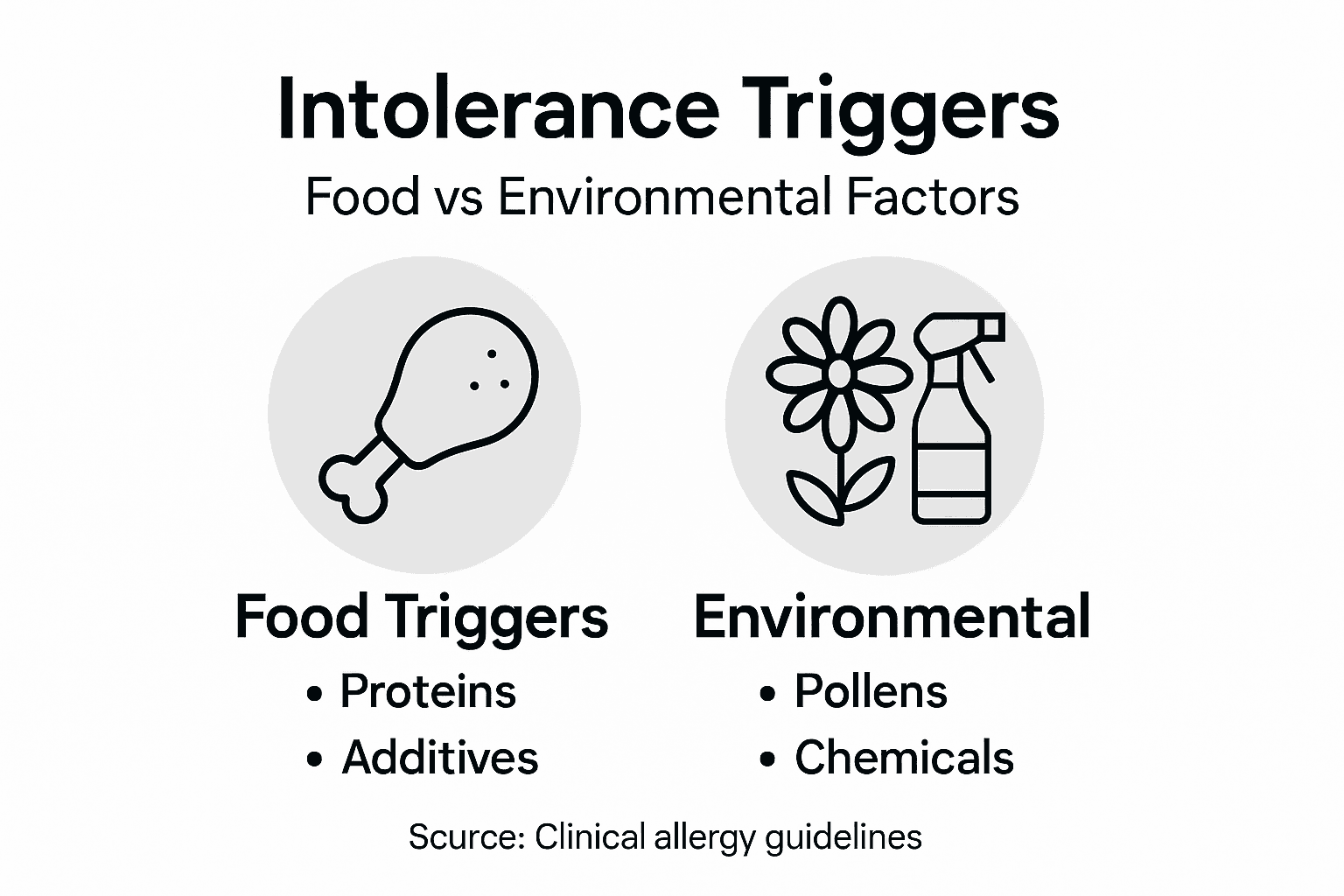
Pro tip: Keep a detailed symptom and exposure diary to help healthcare professionals more accurately pinpoint potential food and environmental triggers affecting your health.
How Bio-Resonance Intolerance Testing Works
Bio-resonance intolerance testing represents an innovative approach to understanding an individual’s physiological responses to various substances by measuring the electromagnetic frequencies emitted by biological systems. This advanced diagnostic method goes beyond traditional testing techniques by examining the body’s energetic interactions at a cellular level. Bioresonance research reveals that every substance, including foods, environmental compounds, and biological tissues, generates a unique electromagnetic signature that can be detected and analysed.

The fundamental principle of bio-resonance testing involves using specialised equipment to capture and interpret the subtle energy wavelengths produced by hair or biological samples. These samples contain comprehensive information about an individual’s potential sensitivities, as they reflect the body’s cumulative electromagnetic responses. During testing, sophisticated sensors measure the electromagnetic oscillations, comparing them against a comprehensive database of known substance frequencies. This process allows for the identification of potential imbalances or stress responses that might indicate underlying intolerances or sensitivities.
The following table summarises types of bio-resonance intolerance test samples and their advantages:
| Sample Type | Common Use | Advantages |
|---|---|---|
| Hair | Non-invasive tests | Easy collection, stable data |
| Blood | Medical analysis | High specificity, detailed |
| Saliva | Home test kits | Painless, convenient handling |
Unlike conventional diagnostic methods that rely solely on blood tests or invasive procedures, bio-resonance testing offers a non-invasive, holistic approach to understanding bodily reactions. The technology can detect subtle energetic disturbances that might not be immediately apparent through traditional medical screenings. By mapping these electromagnetic interactions, individuals gain insights into potential trigger substances across multiple categories, including dietary components, environmental chemicals, and metabolic stressors. This comprehensive approach enables more personalised health management strategies, empowering individuals to make informed decisions about their dietary and lifestyle choices.
Pro tip: Combine bio-resonance test results with professional medical advice to develop a comprehensive, personalised health management approach.
Common Myths About Intolerance Tests Debunked
Food intolerance testing has become increasingly popular, yet numerous misconceptions continue to cloud public understanding of these diagnostic approaches. Many individuals mistakenly believe that all intolerance tests are equally reliable and scientifically validated. Evidence-based allergy testing demonstrates that not all commercial testing methods meet rigorous scientific standards, and consumers should approach such tests with careful discernment.
One prevalent myth suggests that intolerance tests can provide definitive, comprehensive diagnoses across all potential trigger substances. In reality, many commercial tests rely on controversial methodologies that lack robust scientific validation. The IgG antibody testing, frequently marketed as a comprehensive solution, remains particularly contentious among medical professionals. Experts emphasise that true food intolerances are complex physiological responses that cannot be accurately diagnosed through a single test, requiring comprehensive clinical assessment, detailed medical history, and often carefully managed elimination and reintroduction dietary protocols.
Another significant misconception is the belief that intolerance test results are immediately actionable and should lead to dramatic dietary restrictions. Professional healthcare practitioners consistently warn against making sweeping dietary changes based solely on test outcomes. The most responsible approach involves interpreting test results as potential indicators rather than absolute diagnoses. Consulting with registered dietitians or healthcare professionals who can provide contextualised guidance becomes crucial in understanding and managing potential food sensitivities effectively.
Pro tip: Always consult a qualified healthcare professional to interpret intolerance test results and develop a personalised dietary management strategy.
Practical Outcomes and Result Interpretation
Comprehensive intolerance testing provides individuals with nuanced insights into their unique physiological responses, moving far beyond simplistic yes-or-no diagnostic frameworks. Comprehensive testing panels reveal intricate details about an individual’s potential sensitivities, offering a multi-layered understanding of how different substances might impact overall health and wellbeing. These advanced diagnostic approaches map out potential reactions across hundreds of food and environmental triggers, creating a personalised blueprint of an individual’s biological interactions.
The practical interpretation of intolerance test results requires a sophisticated, holistic approach. Rather than viewing results as absolute prohibitions, healthcare professionals recommend understanding them as detailed indicators of potential physiological stress points. Each test result represents a complex interplay between an individual’s immune system, gut microbiome, and metabolic processes. Some substances might demonstrate mild reactivity, suggesting gradual dietary modification, while others might indicate more significant inflammatory responses requiring more immediate intervention.
Following comprehensive testing, individuals typically receive detailed reports categorising sensitivities across multiple spectrums. These reports often include recommendations for targeted elimination strategies, nutritional supplementation to address potential deficiencies, and guidance on rebuilding gut health. The most effective approach involves collaborating with nutritionists or healthcare professionals who can translate these technical results into actionable, personalised dietary and lifestyle recommendations that support long-term wellbeing and symptom management.
Pro tip: Request a comprehensive consultation with a registered nutritionist to develop a personalised strategy for interpreting and implementing your intolerance test results.
Discover Your Unique Sensitivities to Improve Wellbeing Today
Experiencing unexplained digestive discomfort, inflammation or fatigue can be frustrating when you do not know the cause. This article highlights the complexity of food and environmental triggers and the advantages of modern comprehensive intolerance testing methods like bio-resonance technology. If you want to identify potential triggers across hundreds of food and non-food substances in a non-invasive manner from the comfort of your home, our tailored testing solutions can help you take control of your health with clarity and confidence.

Take the first step towards better health by exploring our Ultimate Single Intolerance Test, which covers over 1,100 items to provide the detailed insights this article recommends for personalised wellbeing management. For a more budget-friendly option testing 500 items, try our Core Single Intolerance Test. All tests involve simple hair sample collection and fast analysis by a UK-based laboratory with results available within 72 hours. Visit UK Food Intolerance now to discover which substances might be impacting your health and make informed decisions backed by science and professional guidance.
Frequently Asked Questions
What is comprehensive intolerance testing?
Comprehensive intolerance testing is a diagnostic approach that identifies potential food and environmental sensitivities using advanced methodologies to assess physiological responses to various substances.
How does bio-resonance intolerance testing work?
Bio-resonance testing measures the electromagnetic frequencies emitted by biological systems to identify sensitivities, analysing how substances interact with the body at a cellular level.
What are the differences between food and environmental triggers for intolerances?
Food triggers usually involve specific dietary components causing physiological reactions, while environmental triggers encompass non-food irritants like chemicals and airborne particles that impact metabolic processes.
How should I interpret the results of my intolerance test?
Intolerance test results should be viewed as indicators of potential sensitivities rather than definitive diagnoses. Collaborating with healthcare professionals is crucial for developing actionable dietary and lifestyle recommendations.










Leave a Reply
Want to join the discussion?Feel free to contribute!