
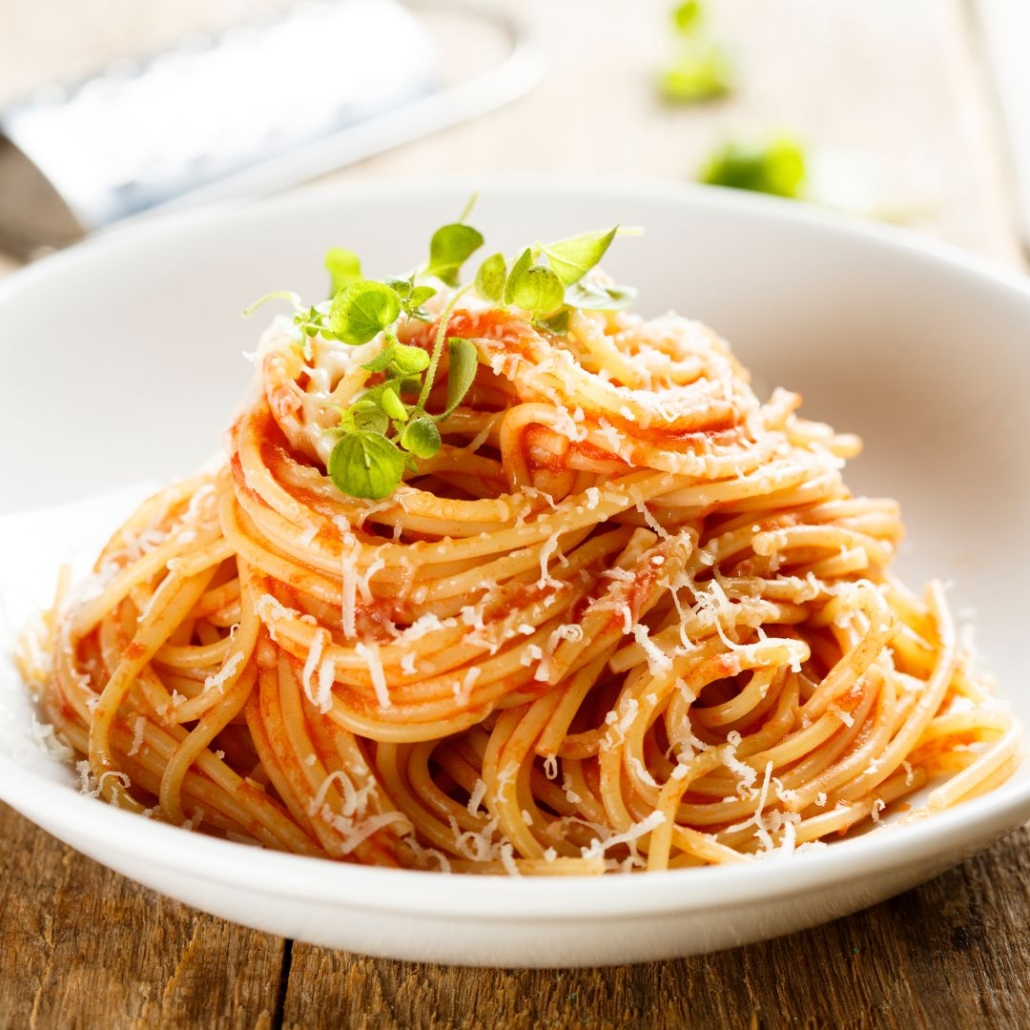
There’s a good reason why pasta was high in demand at the start of the pandemic. Versatile, quick to cook and with a long shelf life, it’s a key ingredient in many favourite dishes and family meal plans. The downside is pasta is known to cause bloating, which isn’t ideal if you enjoy a plate of spaghetti on a regular basis. In our latest blog, we discuss why eating pasta can make you feel bloated, what you can do to ease discomfort and how a food intolerance test could improve your digestive problems.
The link between pasta and bloating
Carbs such as pasta often get a bad rap because of their ability to cause bloating. This can be for many reasons, including the way it is prepared and how the body responds to the protein it contains. Pasta that is overcooked and stodgy, for example, can cause discomfort because it is more difficult for the digestive system to break down. Bloating can also be caused by an intolerance to gluten, which is the protein found in wheat products such as pasta and bread. When this happens, your body will have an adverse reaction to any foods containing gluten, which triggers physical reactions such as bloating, stomach ache, and tummy upsets. In this instance, a food intolerance test will help you determine whether you have a gluten intolerance so you can make informed decisions about your diet moving forward.
How can you ease bloating if you love pasta?
If you don’t have a gluten intolerance and love pasta, there are things you can do to reduce the bloating it triggers. Keep an eye on how long it’s in the pan to avoid overcooking because pasta is more difficult to digest when it’s mushy and congealed. An al dente approach, where it is cooked to a firmer texture, will make it easier to break down, as will rinsing the pasta before it is served to remove any excess starch. You could also include more vegetables in your recipe and keep an eye on your portion control. If you enjoy spaghetti bolognese, for example, you could increase the protein content of your dish by including more mince (either meat or vegetarian) and serving less pasta. Also, remember to chew slowly when you’re eating, as swallowing excess air can cause your stomach to bloat and feel swollen.
Does every sort of pasta cause bloating?
If you have a gluten intolerance, then opting for wheat-free pasta should ease any bloating you experience after eating and stop you from missing out on your favourite meals. Whole grain pasta can also be gentler on your digestive system as it contains more fibre, as can varieties made from quinoa or vegetables. The shape of pasta can also make a difference in how bloated you feel, with shorter varieties such as fusilli, penne and rigatoni being easier to break down. If you find that pasta is still making you bloated after making changes to your diet, try going for a walk or doing some light exercise to remove gas from your stomach and reduce the feeling of fullness.
Contact UK Food Intolerance to check your diet isn’t making you bloated
If you’ve noticed that pasta causes bloating and makes you feel uncomfortable, you could be gluten intolerant. Find out for sure by ordering a food intolerance test from our website. You can also email any questions you have to [email protected] or fill out our contact form. Please remember that our advice should never replace that of medical professionals and that you should speak to your GP if you have any concerns about your health or if your symptoms persist.








Leave a Reply
Want to join the discussion?Feel free to contribute!