

TL;DR:
- Food intolerance is a non-immune digestive reaction to specific foods, distinct from food allergy.
- A structured process of clinical assessment, symptom tracking, and guided dietary changes accurately identifies these sensitivities in children.
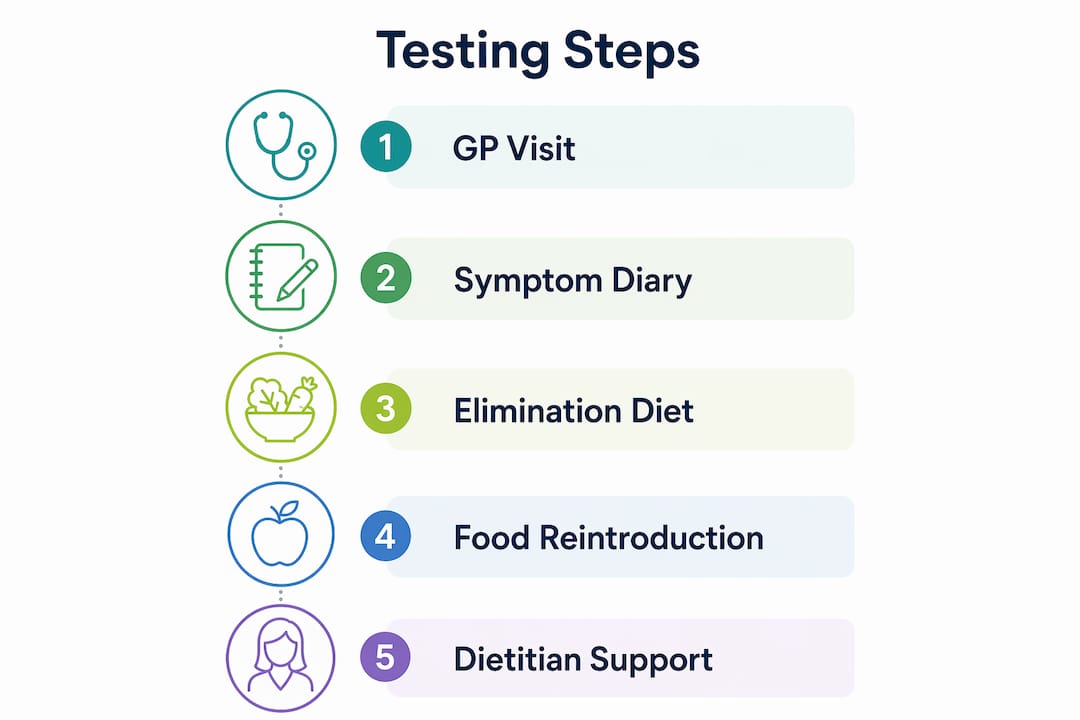
Food intolerance is defined as a non-immune digestive reaction to specific foods, distinct from a food allergy, which triggers an immune response. Step by step child intolerance testing is a structured process combining clinical assessment, symptom tracking, and guided dietary changes to accurately identify food sensitivities in children. Symptoms of food intolerance in kids typically include abdominal pain, bloating, diarrhoea, and nausea, and they often overlap with other digestive disorders. That overlap is exactly why a methodical approach matters. Rushing to a single test rarely gives you the clear answers you need.
What do you need to do before starting child intolerance testing?
The first step is a GP appointment, not a home test kit. Your GP will rule out serious conditions such as coeliac disease, inflammatory bowel disease, or a true food allergy before any intolerance investigation begins. Testing is a diagnostic process guided by clinical judgement and symptom evaluation, not a single result from a lab. Skipping this step risks missing a condition that needs medical treatment.
Once serious conditions are excluded, systematic symptom tracking becomes your most valuable tool. A food and symptom diary records exactly what your child eats, when symptoms appear, and how severe they are. This diary forms the evidence base for every decision that follows. Without it, the elimination phase becomes guesswork.
Here is how to prepare effectively before testing begins:
- Book a GP appointment to exclude coeliac disease, allergies, and other GI conditions.
- Start a food and symptom diary at least two weeks before any dietary changes.
- Record your child’s full diet history, including portion sizes, meal timing, and any supplements.
- Gather medical history, including any previous reactions, medications, and growth records.
- Discuss realistic expectations with your GP or a registered paediatric dietitian before proceeding.
NHS and NICE guidelines caution strongly against commercial IgG blood tests and hair analysis for children. These tests are not validated for diagnosing food intolerance and frequently produce false positives. Acting on those results can lead to unnecessary food restrictions that harm your child’s nutrition and growth.
Pro Tip: Ask your GP for a referral to a registered paediatric dietitian at this stage. A dietitian will guide the entire testing process and protect your child’s nutritional needs throughout.
How do elimination diets and reintroduction phases work?
The elimination and reintroduction diet is the gold standard method for identifying food intolerances in children. It works by removing a suspected food, observing whether symptoms improve, and then reintroducing it to confirm the trigger. The process requires patience, but it produces reliable results when followed correctly.

The elimination phase
Remove only one food or food group at a time. Removing multiple foods simultaneously makes it impossible to identify which one caused the problem. It also creates unnecessary nutritional gaps, particularly in children who are still growing.
The elimination phase typically lasts 2–4 weeks. During this period, record your child’s symptoms daily. Note any improvements, any new symptoms, and any changes in energy, sleep, or behaviour. This record is the evidence you bring back to your dietitian.
Common foods tested one at a time include:
- Lactose (found in cow’s milk, cheese, and yoghurt)
- Fructose (found in fruit, honey, and some vegetables)
- Gluten (found in wheat, barley, and rye)
- Eggs
- Soya
The reintroduction phase
Reintroduce each food systematically, one at a time, over several days. Start with a small portion and increase gradually while monitoring for a return of symptoms. If symptoms return, that food is a confirmed trigger. If they do not, the food is cleared and you move to the next suspect.
Pro Tip: Keep the rest of your child’s diet consistent during reintroduction. Any change in other foods can muddy the results and make it harder to confirm a specific trigger.
| Phase | Duration | Key action | What to record |
|---|---|---|---|
| Preparation | 2 weeks | Food and symptom diary | Baseline symptoms and diet |
| Elimination | 2–4 weeks | Remove one food | Symptom changes daily |
| Reintroduction | 1–2 weeks per food | Add food back gradually | Symptom return or absence |
| Review | Ongoing | Dietitian consultation | Confirmed triggers and plan |
Proper elimination diets require professional support to maintain a child’s nutritional requirements throughout. A dietitian will suggest suitable alternatives so your child does not miss key nutrients during the elimination phase.
Which testing methods are recommended and which should you avoid?
There is no single scientifically validated blood or hair test for food intolerances in children. The gold standard remains a dietitian-led elimination and reintroduction process supported by a symptom diary. Understanding which tests have clinical backing and which do not will save you time, money, and potential harm.
Validated testing methods
- Clinical assessment by a GP or paediatric dietitian: the starting point for all child intolerance evaluation.
- Hydrogen breath test: clinically validated for lactose intolerance and some other carbohydrate intolerances when clinically indicated. It measures hydrogen in your child’s breath after consuming a specific sugar, indicating poor absorption.
- Coeliac disease blood screening: a validated blood test for coeliac disease, which must be ruled out before any gluten elimination begins.
Tests to avoid
IgG blood tests and hair analysis lack scientific evidence and are not recommended for diagnosing food intolerance in children. IgG tests measure food exposure, not intolerance. A child who eats eggs regularly will show a high IgG response to eggs. That is normal immune function, not a sign of intolerance. Acting on these results can lead to eliminating foods your child tolerates perfectly well.
Online or commercial one-size-fits-all test kits are not supported by evidence and are not recommended for children. If you are considering a home testing option, discuss it with your GP or dietitian first. Professional oversight is what separates a useful result from a misleading one.
For parents who want a broader picture of potential sensitivities alongside professional guidance, Ukfoodintolerance offers non-invasive hair sample testing that screens over 1,100 items. This can be a useful starting point for identifying areas worth investigating further with a healthcare professional.
How do you interpret results and what comes next?
Intolerance identification is a process, not a single definitive result. Parents often expect a clear yes or no answer from testing. The reality is that your symptom diary, elimination outcomes, and reintroduction responses together build the picture. No single data point tells the whole story.
Once you have confirmed triggers, the next steps are:
- Consult a registered paediatric dietitian to create a personalised dietary plan that removes confirmed triggers while maintaining full nutritional balance.
- Avoid long-term unnecessary restrictions. Over-restriction causes nutritional deficiencies and can worsen symptoms over time. Only restrict foods that have been confirmed as triggers.
- Monitor your child’s growth and nutritional status regularly, particularly if dairy or gluten is restricted. Your GP can arrange periodic blood tests to check for deficiencies.
- Review the plan periodically. Children’s digestive systems change as they grow. A food that caused problems at age five may be tolerated at age eight.
- Keep the symptom diary going. Ongoing tracking helps you spot new triggers and confirm that the dietary plan is working.
Structured elimination and reintroduction under dietitian supervision improves symptoms sustainably and protects growth. The process takes time, but the outcome is a clear, evidence-based dietary plan that supports your child’s long-term wellbeing.
Pro Tip: Before your dietitian appointment, prepare a written summary of your symptom diary findings. Highlight the three most consistent patterns you noticed. This makes the consultation far more productive.
Key takeaways
Structured, professionally supervised elimination and reintroduction remains the only reliable method for identifying food intolerances in children, and no single commercial test replaces it.
| Point | Details |
|---|---|
| Start with your GP | Rule out coeliac disease and allergies before any dietary changes begin. |
| Use a symptom diary | Record food intake and symptoms daily to build reliable evidence for diagnosis. |
| Eliminate one food at a time | Removing multiple foods simultaneously masks triggers and risks nutritional gaps. |
| Avoid unvalidated tests | IgG blood tests and hair analysis are not recommended for diagnosing child food intolerance. |
| Work with a dietitian | Professional supervision protects your child’s nutrition and confirms results accurately. |
What parents often get wrong about intolerance testing
The biggest mistake I see parents make is treating a commercial test result as a diagnosis. I understand the appeal. You are worried about your child, you want answers quickly, and a printed list of “reactive” foods feels like clarity. The problem is that lab tests do not yield simple yes or no answers. Misunderstanding this leads to children being placed on severely restricted diets with no clinical basis.
I have seen children arrive at dietitian appointments having already cut out dairy, gluten, eggs, and soya based on a single IgG test. That level of restriction in a growing child is genuinely risky. It is not cautious parenting. It is a nutritional problem waiting to happen.
The other thing worth saying plainly: patience is not optional in this process. The elimination and reintroduction method takes weeks, sometimes months. That feels slow when your child is uncomfortable. But rushing it produces ambiguous results, and ambiguous results lead to either missing the real trigger or restricting foods unnecessarily.
What I would encourage every parent to do is understand the difference between intolerance and allergy before starting any testing. These are different conditions requiring different approaches. Getting that distinction right from the start saves a great deal of time and stress.
The process is worth it. Parents who follow a structured, supervised approach consistently report clearer outcomes and better quality of life for their children. You are not looking for a shortcut. You are building a reliable picture of your child’s health.
— Rob
How Ukfoodintolerance supports families through the testing process
Knowing where to start with child food sensitivity testing can feel like a lot to take on. Ukfoodintolerance provides non-invasive, at-home testing options that give families a clear starting point for understanding potential sensitivities.

The process is straightforward. You collect a small hair sample at home, post it to a UK-based laboratory, and receive a detailed digital report within 48–72 hours. The report covers over 1,100 food and environmental items, giving you and your healthcare team a broad picture to work from. Ukfoodintolerance’s intolerance test kits are designed to complement, not replace, professional guidance. Pair the results with your symptom diary and a dietitian consultation for the most reliable outcome. Visit Ukfoodintolerance to see the full range of tests available for families.
FAQ
What is the difference between food intolerance and food allergy in children?
Food allergy triggers an immune response and can cause severe reactions including anaphylaxis. Food intolerance causes digestive symptoms such as bloating and abdominal pain, and is not immune-mediated.
How long does the elimination diet phase take for children?
The elimination phase typically lasts 2–4 weeks per food. Reintroduction of each food then takes a further 1–2 weeks, so the full process for one suspected trigger can take up to six weeks.
Are IgG blood tests reliable for diagnosing food intolerance in children?
IgG tests are not recommended for diagnosing food intolerance. They measure food exposure rather than intolerance and frequently produce false positives that lead to unnecessary dietary restrictions.
When should I see a GP about my child’s food symptoms?
See your GP before making any dietary changes. A GP assessment rules out coeliac disease, allergies, and other conditions that require specific medical treatment rather than dietary adjustment.
Can children outgrow food intolerances?
Children’s digestive systems develop as they grow, and some intolerances, particularly to lactose or fructose, can improve with age. A dietitian can advise on periodic reintroduction trials to reassess tolerance over time.










Leave a Reply
Want to join the discussion?Feel free to contribute!